Reach Out Today
Please provide your email address so that we can stay in touch and answer any questions you have! We will be reaching back out shortly.


Hear from Our Customers
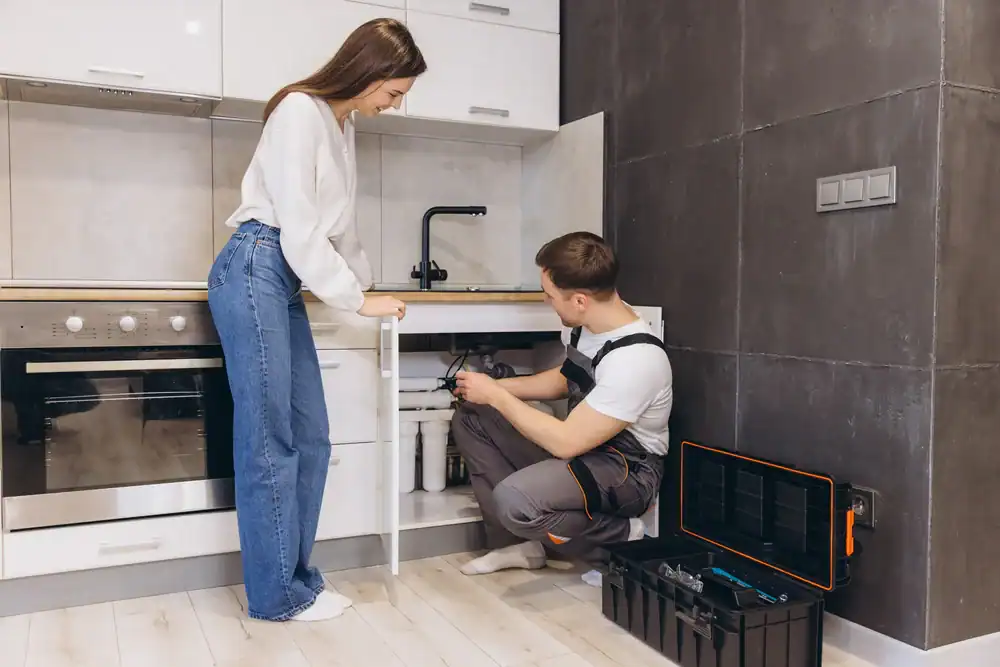
Your coffee stops tasting like a pool. Your shower doesn’t leave that film on your skin. The white buildup around faucets disappears, and you’re not replacing appliances every few years because of scale damage.
If you’re on city water in St. Augustine Beach, you’re dealing with chlorine taste and the minerals that come from pulling water out of the Upper Floridan aquifer. If you’re on a well, you’ve probably seen rust stains, smelled sulfur, or noticed sediment in your glass. North Florida’s iron bacteria concentrations are high enough that most well owners deal with staining on fixtures and laundry.
A water filtration system handles what’s actually in your water. Reverse osmosis systems remove contaminants down to the molecular level. Activated carbon filtration pulls out chlorine, bad taste, and odor. UV water purification kills bacteria without chemicals. The system you need depends on what your water test shows, not what’s trendy or most expensive.
We have an A+ Better Business Bureau rating with zero complaints. That’s not marketing language—it’s verifiable. We’re members of the National Water Quality Association, which means we follow industry standards that actually matter.
We’ve been doing this for over 50 years because we handle the follow-through. A lot of national companies sell systems and disappear when something needs service. We’re local, we answer the phone, and we show up when you need us.
St. Augustine Beach sits on limestone bedrock, which is why your water is so hard. Every gallon that comes out of your tap has dissolved rock in it—literally teaspoons of crushed limestone. We deal with that geology every day, and we know how to design systems that handle it long-term.
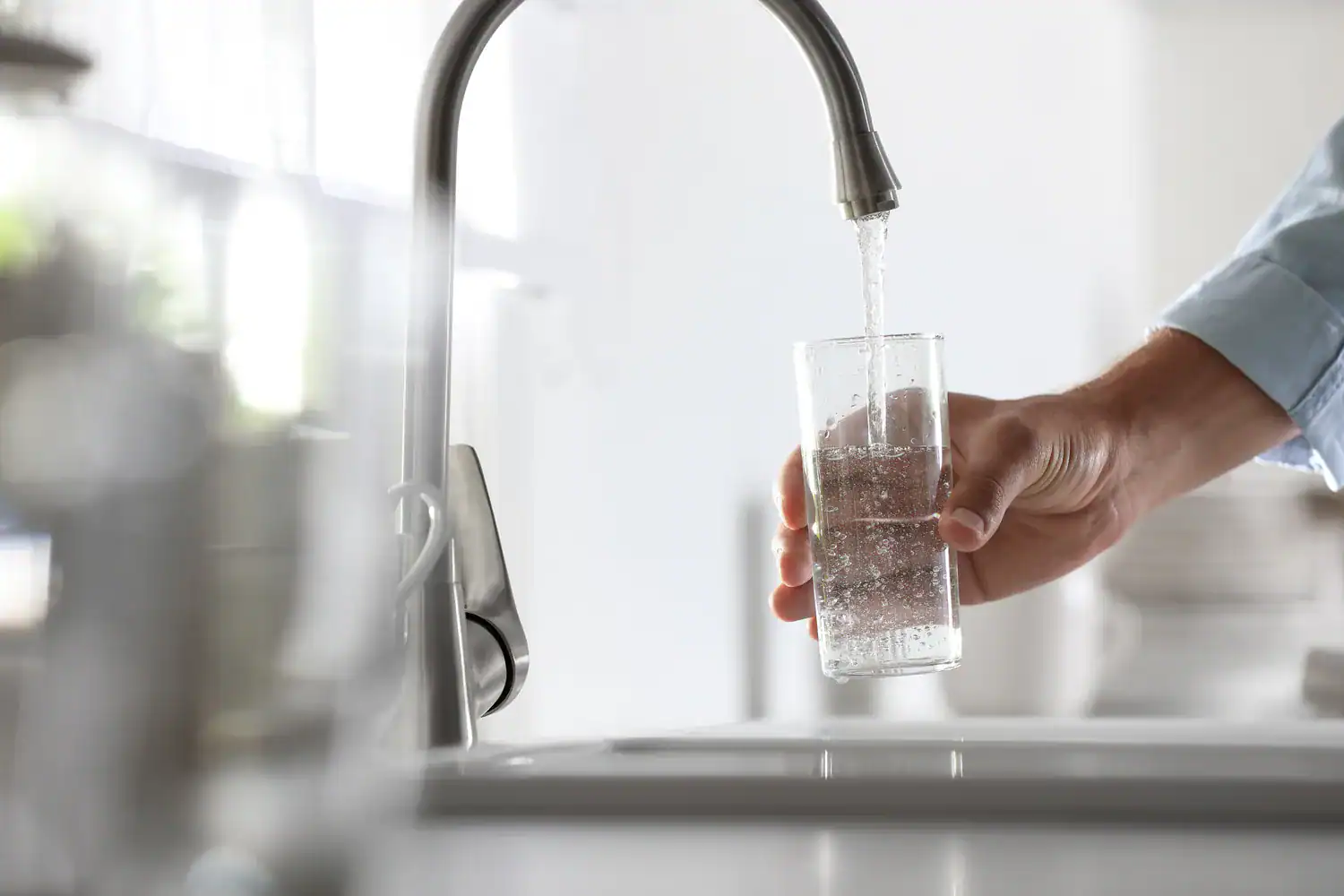
First, we test your water. Not a basic hardness test—a full analysis that shows what contaminants are present and at what levels. You get a report you can actually read.
Then we design a system based on those results and how much water your household uses. If you need whole-house filtration, we’ll recommend a system that treats every tap. If you just want clean drinking water, an under-sink filter installation with reverse osmosis might be enough. We’re not upselling—we’re matching the system to the problem.
Installation is straightforward. We handle the plumbing connections, set up the filtration stages in the right order, and test everything before we leave. You’ll know how to check filters, when they need changing, and how to reach us if something’s off.
After that, we’re available for service. Filters need replacing on a schedule, and we’ll remind you when it’s time. If you have an issue, we come back. That’s the part a lot of companies skip, and it’s why their reputation tanks after a few years.
Ready to get started?
Whole-house water filtration systems treat everything that comes into your home. That means every faucet, every shower, every appliance gets filtered water. If you’re dealing with hard water in St. Johns County—which has some of the highest hardness levels in the continental U.S.—this protects your plumbing, your water heater, and anything else that touches water.
Reverse osmosis systems are what you want for drinking water quality. They remove PFAS, lead, chlorine byproducts, and just about everything else down to 0.0001 microns. PFAS contamination is a real issue—158 million Americans are at risk of drinking water with these “forever chemicals” in it. RO systems are one of the few methods that actually remove them.
Activated carbon filtration handles taste and odor. If your water smells like chlorine or has a metallic taste, carbon filters pull that out. UV water purification kills bacteria and viruses without adding chemicals to your water. It’s especially useful for well water, where microbial contamination is more common.
We also offer drinking water quality testing before installation and periodically after. You should know what’s in your water, and you should know your system is doing what it’s supposed to. We don’t guess—we test, install, and verify.
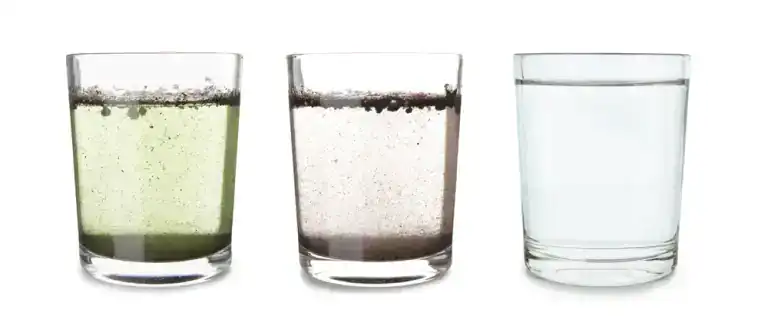
It depends entirely on what’s in your water and what problems you’re trying to solve. A water test tells you what contaminants are present and at what levels. From there, the system gets built around those results.
If you’re on city water in St. Augustine Beach, you’re likely dealing with chlorine, hardness from the limestone aquifer, and possibly trace contaminants like PFAS. A whole-house system with a water softener and carbon filtration handles the hardness and taste. Add a reverse osmosis system under the sink if you want the cleanest possible drinking water.
If you’re on well water, iron and sulfur are common in North Florida. You’ll probably need an iron filter, and depending on bacteria levels, a UV purification stage. Some wells also have high sediment, which means a pre-filter before anything else. The configuration changes based on your specific water chemistry, not a one-size-fits-all package.
The honest answer is that it varies based on what your water needs and the size of your home. A basic whole-house carbon filter might run a few thousand dollars. A comprehensive system with softening, multi-stage filtration, and reverse osmosis for drinking water can be significantly more.
What matters more than the upfront cost is what you’re getting. Cheap systems use low-quality media that needs frequent replacement, or they’re undersized for your household and can’t keep up with demand. You end up spending more over time on maintenance and early replacement.
We design systems that last. That means properly sized tanks, high-quality filtration media, and components that won’t fail in two years. We also offer a $500 discount for military members and first responders, which helps offset the investment. The goal is a system that works for 10 to 15 years without major issues, not something that breaks down and leaves you stuck.
Reverse osmosis systems remove PFAS effectively. These “forever chemicals” don’t break down naturally, and they’ve been linked to immune system problems and other health risks. Standard carbon filters help, but they don’t remove PFAS completely. RO filtration does.
The membrane in a reverse osmosis system filters particles down to 0.0001 microns. PFAS molecules are larger than that, so they get caught and flushed out with wastewater. If PFAS contamination is a concern in your area—and it’s becoming more common across Florida—RO is the most reliable solution for drinking water.
Whole-house RO systems exist, but they’re expensive and usually overkill. Most people install an under-sink RO unit for drinking and cooking water, then use a separate whole-house system for everything else. That gives you PFAS-free water where it matters most without the cost of treating every gallon that goes to your washing machine or toilet.
It depends on the type of filter and how much water you use. Carbon filters in a whole-house system typically last six months to a year. Sediment pre-filters might need changing every three to six months, especially if you’re on well water with high iron or sediment.
Reverse osmosis systems have multiple stages. The pre-filters and carbon filters need replacing every six to twelve months. The RO membrane itself lasts two to four years if the pre-filters are changed on schedule. If you skip pre-filter changes, the membrane clogs faster and you’re replacing it early.
We send reminders when it’s time to change filters, and we can handle the replacement if you don’t want to do it yourself. Skipping filter changes doesn’t just reduce performance—it can damage the system. A clogged carbon filter stops removing chlorine, which then eats away at RO membranes. A clogged sediment filter increases pressure and can crack housings. Staying on schedule keeps everything running correctly and saves money long-term.
Yes, but you need a water softener as part of the system. Hard water comes from dissolved minerals—calcium and magnesium—that leach out of the limestone bedrock under St. Johns County. A standard filter won’t remove those minerals. You need ion exchange, which is what a water softener does.
The softener replaces calcium and magnesium ions with sodium ions. That stops scale buildup in your pipes, water heater, and appliances. It also makes soap lather better and keeps your skin from feeling dry after a shower. If you’ve ever noticed white crusty buildup around faucets or on showerheads, that’s hard water scale. A softener eliminates it.
Some people don’t want softened water for drinking because of the sodium content. That’s where a reverse osmosis system comes in. You soften the whole house to protect plumbing and appliances, then install an RO unit at the kitchen sink for drinking water. The RO system removes the sodium along with everything else, so you get soft water for cleaning and pure water for drinking.
Please provide your email address so that we can stay in touch and answer any questions you have! We will be reaching back out shortly.
"*" indicates required fields
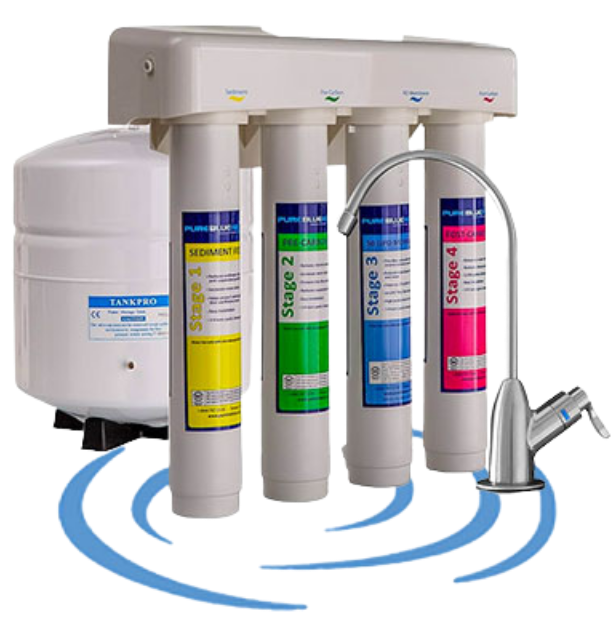
Get a free reverse osmosis drinking water system with the purchase of any whole-home water purification system.
*Cannot be combined with other offers. Mention this special when you call.