Reach Out Today
Please provide your email address so that we can stay in touch and answer any questions you have! We will be reaching back out shortly.


Hear from Our Customers
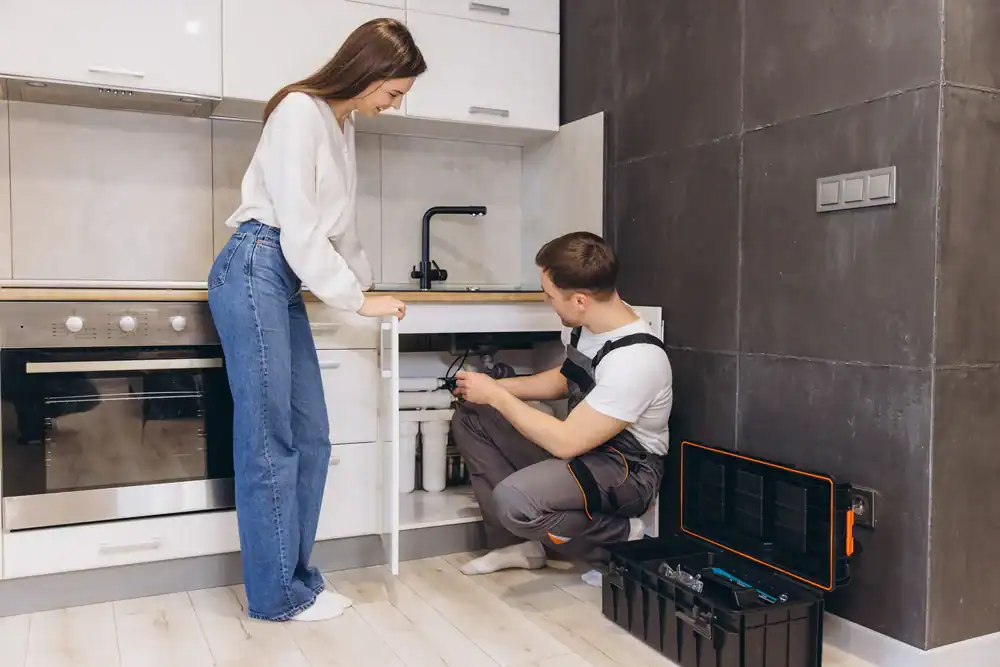
You stop scrubbing orange stains off your toilet every week. Your morning shower doesn’t smell like rotten eggs when you turn on the faucet. Your dishes come out of the dishwasher without spots, and your washing machine isn’t fighting mineral buildup with every load.
Your water heater lasts years longer because it’s not constantly battling scale deposits that drive up your energy bills and shorten its lifespan. Your plumbing system stops deteriorating from the inside out. You’re not buying bottled water anymore because what comes out of your tap actually tastes clean.
That’s what a proper water filtration system does for homes in Spring Glen. It addresses the iron, sulfur, hardness, and bacterial contamination that comes with Florida’s groundwater. The Floridan Aquifer naturally picks up these contaminants as it moves through underground limestone formations, which is why so many homes here deal with the same frustrating water problems.
A whole house filtration approach handles everything at the point where water enters your home. Activated carbon filtration removes chlorine and chemical contaminants. Hard water treatment protects your pipes and appliances from mineral damage. UV water purification kills bacteria in well water. Reverse osmosis systems at your kitchen sink remove virtually everything else, including fluoride and pharmaceutical traces.
We don’t do plumbing. We don’t install water heaters. We focus exclusively on water purification and filtration because doing one thing right matters more than doing ten things poorly.
We’re A+ rated with the Better Business Bureau with a 5-star rating and zero complaints. We’re members of the National Water Quality Association, which means we meet the highest industry standards for water treatment. We’ve been serving homeowners throughout Central and North Florida, including Spring Glen and Lake County, with the kind of local expertise that national companies can’t match.
When you call us, we’re still here when you need service or filter replacements. We understand Florida plumbing codes and how Spring Glen’s specific water conditions affect your home. Our certified technicians know the difference between treating surface water and well water, and they know which filtration approach actually solves your particular problem instead of just masking it.
We start with laboratory-grade drinking water quality testing that identifies exactly what’s in your water. Not a guess, not a visual inspection—actual measurements of iron levels, hardness, pH, chlorine, bacteria, and other contaminants. This matters because the right filtration system depends on what you’re actually dealing with.
Once we know what’s in your water, we recommend a system that addresses those specific problems. If you’ve got iron and sulfur, we’re not selling you a basic softener that won’t fix it. If you’ve got bacterial contamination in your well water, we’re talking about UV water purification that actually sterilizes. If you want pharmaceutical-grade purity at your kitchen sink, that’s where reverse osmosis systems come in.
Installation happens at your home with certified technicians who document everything and make sure your system integrates properly with your existing plumbing. We’re not rushing through it. We’re making sure it works right the first time.
After installation, you’ve got ongoing support for maintenance and filter replacements. We handle the schedule so you don’t have to remember when filters need changing. Your water quality stays consistent because the system gets the attention it needs to keep performing.
Ready to get started?
A whole house water filter handles sediment, chlorine, and chemical contaminants at the main water line before they reach any fixture or appliance in your home. This is your first line of defense against everything the municipal system or your well is sending through your pipes.
Hard water treatment systems remove the calcium and magnesium that cause scale buildup in your water heater, washing machine, dishwasher, and throughout your plumbing. In Spring Glen, where groundwater moves through the Camp Ocala limestone belt, hardness levels can be significant enough to cut appliance lifespan by 30% or more if left untreated.
Iron and sulfur removal systems eliminate the orange stains and rotten egg smell that make Florida water notorious. Standard softeners don’t handle this—you need oxidation and filtration designed specifically for these contaminants.
UV water purification systems sterilize well water by exposing it to ultraviolet light that kills bacteria, viruses, and other microorganisms. Since 2005, over 4,400 Florida wells have tested above federal standards for chemical concentrations, which makes UV sterilization critical for homes not connected to municipal water.
Under-sink filter installation with reverse osmosis systems gives you pharmaceutical-grade water at your kitchen tap. These systems remove virtually everything—fluoride, heavy metals, pharmaceutical traces, and dissolved solids that affect taste. You get bottled water quality without buying bottled water.
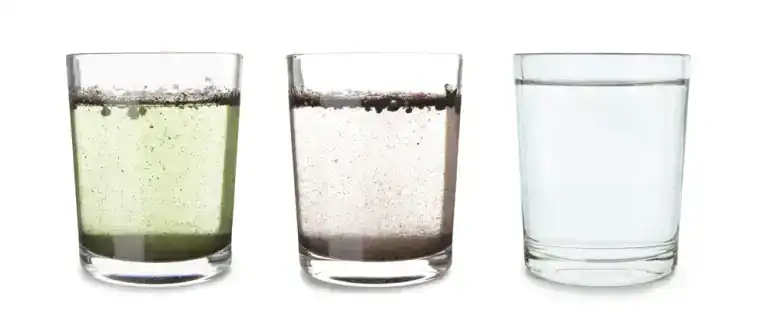
You need water testing before you buy anything. Not a free test from a company trying to sell you their one system regardless of what’s in your water—actual laboratory analysis that measures specific contaminants and their concentrations.
We test for iron, hardness, pH, chlorine, bacteria, nitrates, and other common Florida water problems. The results tell us whether you’re dealing with mineral content that needs a softener, bacterial contamination that needs UV purification, chemical contaminants that need activated carbon filtration, or some combination.
A home with 3 ppm of iron and hydrogen sulfide needs a completely different approach than a home with just hard water. If someone’s recommending a system without testing your water first, they’re guessing. And guessing costs you money when the system doesn’t actually fix your problem.
A whole house water filter treats all the water entering your home at the main line. It removes sediment, chlorine, and larger contaminants before they reach your fixtures, appliances, and water heater. This protects your entire plumbing system and everything connected to it.
Reverse osmosis systems install under your kitchen sink and treat only the water at that specific tap. They use multiple filtration stages and a membrane that removes dissolved solids, heavy metals, fluoride, and pharmaceutical traces that whole house filters can’t catch. The water is exceptionally pure but the flow rate is slower, which is why it’s used for drinking and cooking rather than showers and laundry.
Most homes benefit from both. Whole house filtration handles the bulk contaminants and protects your appliances. Reverse osmosis gives you the highest quality drinking water possible. You’re not choosing between them—you’re using each system where it makes the most sense.
Sediment and carbon filters in whole house systems typically need replacement every 6-12 months depending on your water quality and household usage. If your water has high iron or sediment content, you’ll be on the shorter end of that range.
Reverse osmosis systems have multiple filters that change on different schedules. Sediment and carbon pre-filters change every 6-12 months. The RO membrane itself lasts 2-3 years. Post-filters change annually.
UV bulbs in sterilization systems need annual replacement because their effectiveness diminishes over time even though they still produce light. This isn’t optional—a worn UV bulb doesn’t kill bacteria reliably.
Filter costs vary by system size and type, but you’re typically looking at $100-300 annually for a whole house system and $75-150 annually for reverse osmosis. We handle the replacement schedule as part of ongoing service so you’re not tracking dates or wondering if your system is still protecting your water properly.
A properly sized and installed system shouldn’t cause noticeable pressure loss. The key is matching the system capacity to your home’s flow rate requirements and using appropriately sized plumbing connections.
Whole house filters do create some pressure drop as water moves through the media, but quality systems are designed to minimize this. If you start with decent municipal pressure or a good well pump, you won’t notice the difference in normal use.
Problems happen when someone installs an undersized system or uses restrictive fittings that create bottlenecks. A 1-inch system on a home that needs 1.5-inch capacity will cause pressure issues. Cheap filters with dense media that clogs quickly will gradually reduce flow until you replace them.
We size systems based on your home’s actual requirements—number of bathrooms, fixture count, and peak demand periods. The system gets installed with proper bypass valves so you can isolate it for maintenance without shutting down your whole house. You get clean water without sacrificing the pressure you need for showers and appliances.
Basic whole house systems start around $1,200 installed for straightforward sediment and carbon filtration. If you’re dealing with multiple contaminants—iron, sulfur, hardness, and bacteria—comprehensive systems typically range $2,500-4,000 depending on your home size and specific water problems.
That investment includes the equipment, professional installation by certified technicians, and initial water testing to confirm what you’re treating. It doesn’t include ongoing filter replacements, which run $100-300 annually depending on your system.
The cost makes sense when you consider what you’re protecting. A water heater replacement costs $1,200-2,000. A washing machine runs $600-1,200. A dishwasher is $400-800. Hard water and contaminants shorten the lifespan of all three, plus your plumbing fixtures and pipes. You’re either paying to protect these investments or paying to replace them more frequently.
We give you transparent pricing based on your actual water test results and home requirements. No pressure, no games—just clear information so you can make the decision that makes sense for your situation.
Please provide your email address so that we can stay in touch and answer any questions you have! We will be reaching back out shortly.
"*" indicates required fields