Reach Out Today
Please provide your email address so that we can stay in touch and answer any questions you have! We will be reaching back out shortly.

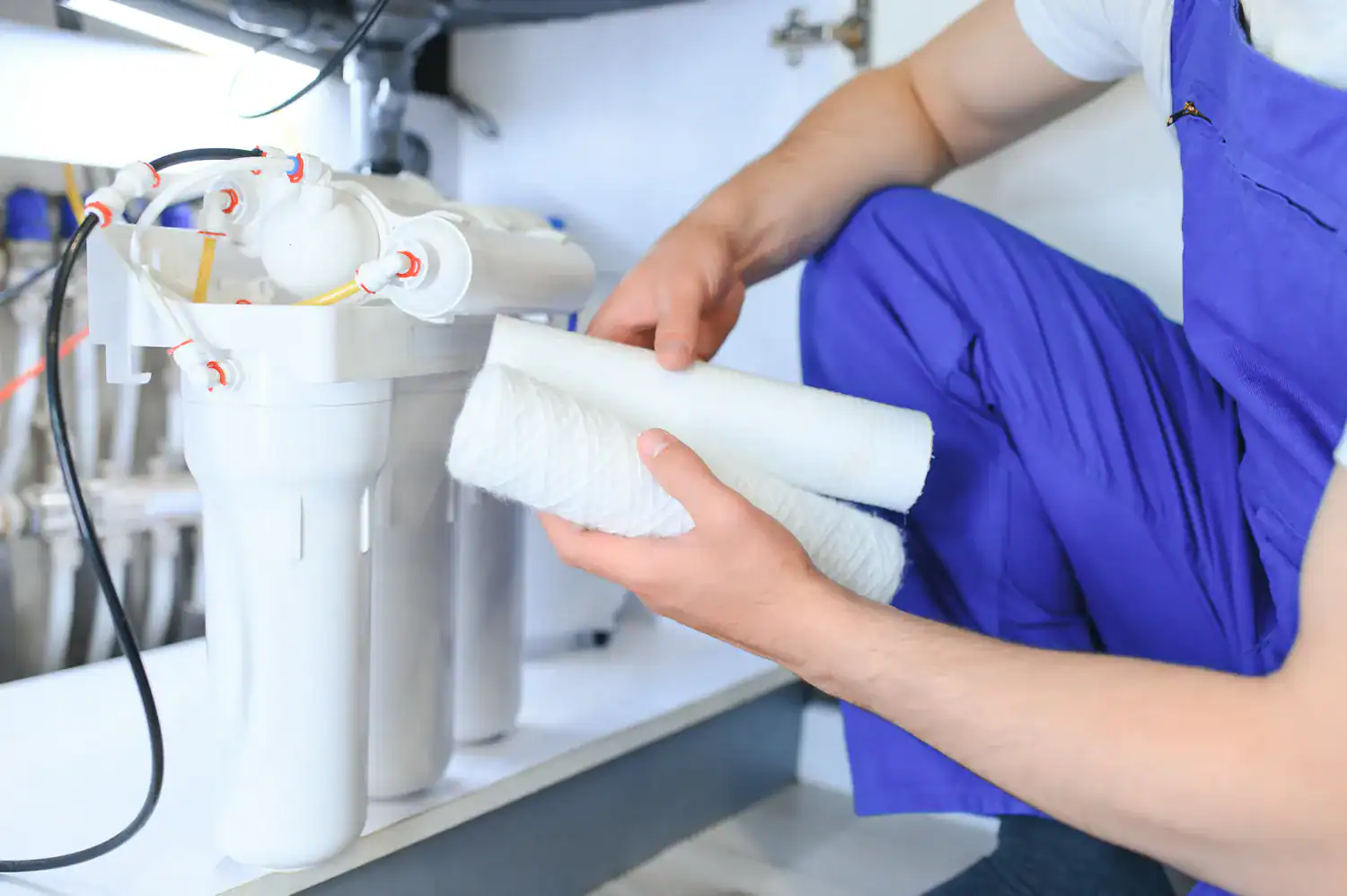
Hear from Our Customers
Your dishes stop getting spots. Your water heater stops fighting mineral buildup. Your family drinks water without wondering what’s in it.
That’s what proper water treatment does. Not just filtering—actually solving the problems Florida water creates in your home every single day.
Hard water in Southside Estates typically tests between 15-25 grains per gallon. Anything over 7 is considered hard. So you’re dealing with water that’s 2-3 times harder than the threshold, which means accelerated damage to everything it touches.
A whole house water filter handles this at the source. Before hard water reaches your dishwasher, your shower, your washing machine. Before scale builds up in pipes and appliances start failing early.
You’ll notice the difference immediately—softer skin, cleaner dishes, better-tasting water. But the real value shows up over time when your water heater lasts years longer and you’re not replacing faucets or dealing with constant maintenance issues.
We earned that rating by doing what most water treatment companies don’t: actually servicing what we sell. We’re members of the National Water Quality Association, which means our work meets third-party standards, not just our own claims.
We focus exclusively on water treatment. No plumbing side jobs, no water heaters, no distractions. Just reverse osmosis systems, activated carbon filtration, UV water purification, and whole-house solutions that actually match what your water needs.
Southside Estates sits in an area where water hardness varies even block to block. We test first, then recommend systems based on your actual water chemistry—not regional averages or whatever we have in the truck. That’s why we maintain a 5-star rating with zero complaints.
First, we test your water. Not a sales gimmick test—actual drinking water quality testing that shows hardness levels, contaminants, pH, and anything else affecting your water. This takes about 30 minutes and tells us exactly what you’re dealing with.
Then we explain what the results mean for your home. If you’ve got 18 grains of hardness, we’ll show you why your appliances are struggling and what it’s costing you in energy waste and early replacements.
From there, we recommend a system. Could be a whole house filtration setup with a water softener. Could be reverse osmosis for drinking water plus UV purification for bacteria. Could be under-sink filter installation if that’s all you need. The recommendation matches your water, your home, and your budget.
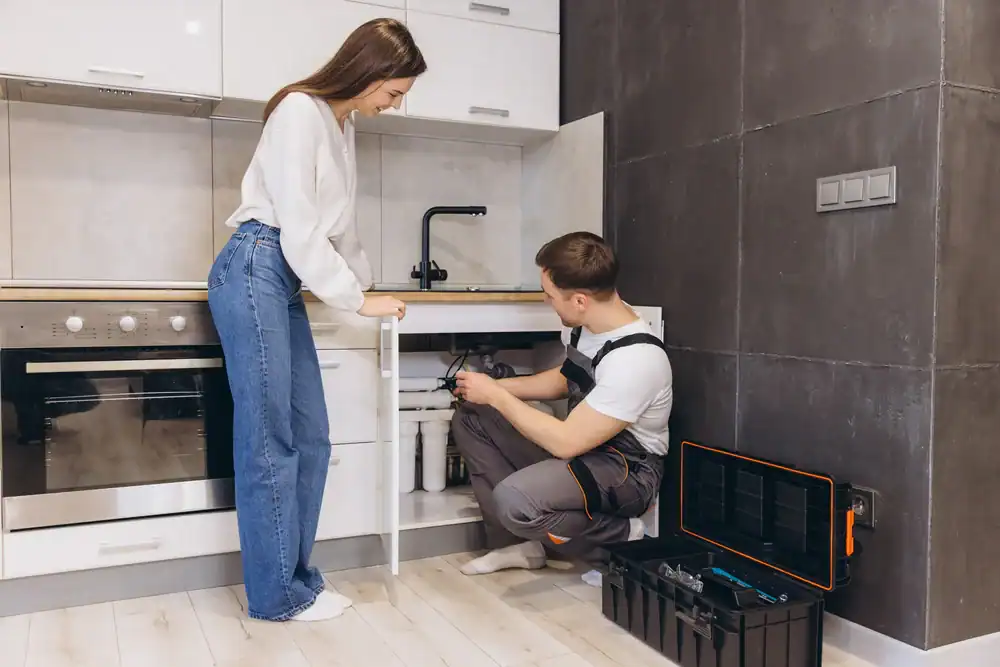
Installation typically takes 3-4 hours for a whole-house system. We handle everything—no need to coordinate with a plumber or figure out the technical details yourself. You get a walkthrough of how the system works, what maintenance looks like, and how to spot any issues early.
After that, we’re available for service. Not just when something breaks—regular maintenance keeps these systems running efficiently for years.
Ready to get started?
Activated carbon filtration removes chlorine, volatile organic compounds, and the taste and odor issues that make Florida tap water unpleasant. This is usually your first line of defense in a whole-house setup.
Reverse osmosis systems go further—removing dissolved solids, heavy metals, fluoride, and contaminants that carbon can’t catch. These are typically installed under your kitchen sink for drinking and cooking water. You’ll taste the difference immediately.
UV water purification kills bacteria, viruses, and other microorganisms without chemicals. If you’re on well water in Southside Estates or concerned about biological contaminants, this is non-negotiable. The ultraviolet light eliminates waterborne organisms before they reach your glass.
Water softeners handle the hardness issue directly—removing calcium and magnesium before they create scale buildup. This protects your water heater, dishwasher, washing machine, and plumbing. It’s the single most cost-effective upgrade for Florida homes because it prevents thousands in appliance damage.
Most Southside Estates homes benefit from a combination approach. Softening plus carbon filtration for the whole house, then reverse osmosis at the kitchen sink. That covers hardness, contaminants, taste, and gives you truly clean drinking water.
We also offer NSF-certified systems for customers who want third-party verification of performance claims. These systems have been independently tested to confirm they remove what they claim to remove.
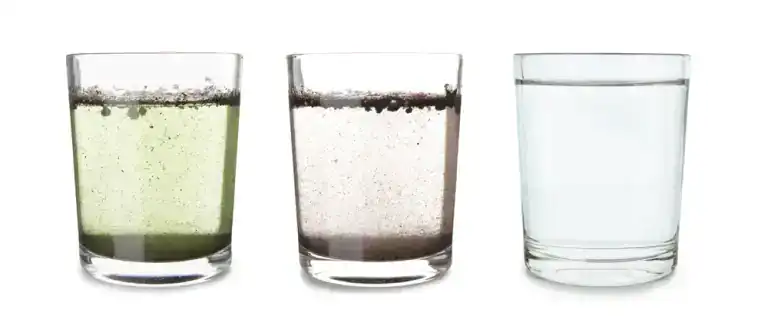
Test your water. Seriously—guessing is expensive.
If you’re seeing white buildup around faucets, spots on dishes, or soap scum that won’t quit, you’ve got hard water. If your water tastes like chlorine or leaves a weird aftertaste, you’ve got contaminant issues. If your water heater is less than 8 years old and already struggling, hardness is killing it early.
Florida water varies dramatically even within Southside Estates. Your neighbor might have 12 grains of hardness while you’re sitting at 22. Generic solutions based on “what usually works in Florida” miss the mark.
We test for hardness, pH, total dissolved solids, chlorine, iron, sulfur, and bacteria. Takes about 30 minutes and shows exactly what you’re dealing with. From there, you can make an informed decision instead of guessing or getting sold something you don’t need.
Whole house systems cost more upfront—usually $2,000-$5,000 depending on what your water needs. An under-sink reverse osmosis system runs $400-$1,200 installed.
But here’s what most people miss: hard water damages everything it touches. Your water heater works harder and dies sooner. Your dishwasher and washing machine fight mineral buildup. Your pipes accumulate scale. The energy waste and appliance replacement costs add up fast.
A water heater replacement in Southside Estates runs $1,200-$2,000. A dishwasher is another $600-$1,000. If hard water cuts the lifespan of these appliances by even 30%, you’re spending more on replacements than you would’ve spent on treatment.
Whole house filtration pays for itself over time through lower energy bills, longer appliance life, and less maintenance. Under-sink systems are great for drinking water but don’t protect the rest of your home. Most families end up wanting both once they understand what each one does.
Depends on the system and your water quality, but here are the general timelines.
Carbon filters typically need replacement every 6-12 months depending on usage and contaminant levels. These are straightforward—you can usually handle the swap yourself or we can do it during a service visit.
Reverse osmosis systems need membrane replacement every 2-3 years, with pre-filters and post-filters changed annually. The RO membrane is the expensive part ($150-$200), but it’s doing the heavy lifting on contaminant removal.
UV systems need annual bulb replacement. The bulb loses effectiveness over time even if it’s still producing light. This runs about $100-$150 per year.
Water softeners need salt replenishment every 4-8 weeks depending on hardness levels and household water usage. You’re just adding salt to the brine tank—takes five minutes.
We offer service plans that handle all of this for you. You get reminders when filters are due, and we come out to swap everything during scheduled maintenance visits. Keeps the system running efficiently and catches any issues before they become expensive problems.
No. This is one of the most common misconceptions about water softeners, and it comes from not understanding how the process works.
Water softeners use salt to regenerate the resin beads that remove hardness minerals. But the salt itself doesn’t end up in your water. The sodium ion exchange process swaps calcium and magnesium for a small amount of sodium—but we’re talking about 12-50 milligrams per liter depending on your starting hardness.
For context, a slice of bread has about 150 milligrams of sodium. Your softened water has less sodium than a glass of milk.
The “slippery” feeling some people notice in the shower isn’t a chemical—it’s the absence of hard water. You’re feeling your skin’s natural oils instead of soap scum and mineral residue. Most people prefer it once they get used to it.
If you’re on a sodium-restricted diet or just don’t want any sodium addition, we can install a potassium-based system or set up a reverse osmosis tap in the kitchen for drinking water. That removes the sodium along with everything else, giving you truly pure water for consumption.
A properly maintained whole house water filtration system lasts 10-15 years. The tank and main components are built to run for over a decade. What you’re replacing during that time are consumables—filters, membranes, UV bulbs.
Reverse osmosis systems have a similar lifespan. The housing and storage tank last 10-15 years. You’re swapping filters and membranes on schedule, but the core system keeps running.
Water softeners often last 15-20 years if they’re sized correctly for your home and maintained properly. The resin bed eventually loses effectiveness, but that’s a replacement part, not a whole new system.
The key is proper sizing upfront. An undersized system works harder, cycles more frequently, and wears out faster. We size systems based on your actual water usage, hardness levels, and household size—not just what fits in the space.
The other factor is maintenance. Skipping filter changes or letting a softener run out of salt forces the system to work harder and shortens its lifespan. Stay on top of basic maintenance and these systems run for well over a decade.
Please provide your email address so that we can stay in touch and answer any questions you have! We will be reaching back out shortly.
"*" indicates required fields
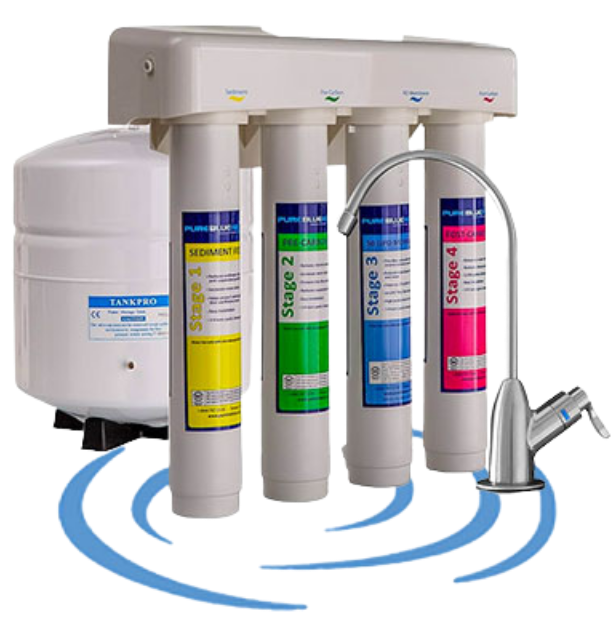
Get a free reverse osmosis drinking water system with the purchase of any whole-home water purification system.
*Cannot be combined with other offers. Mention this special when you call.