Reach Out Today
Please provide your email address so that we can stay in touch and answer any questions you have! We will be reaching back out shortly.

Hear from Our Customers
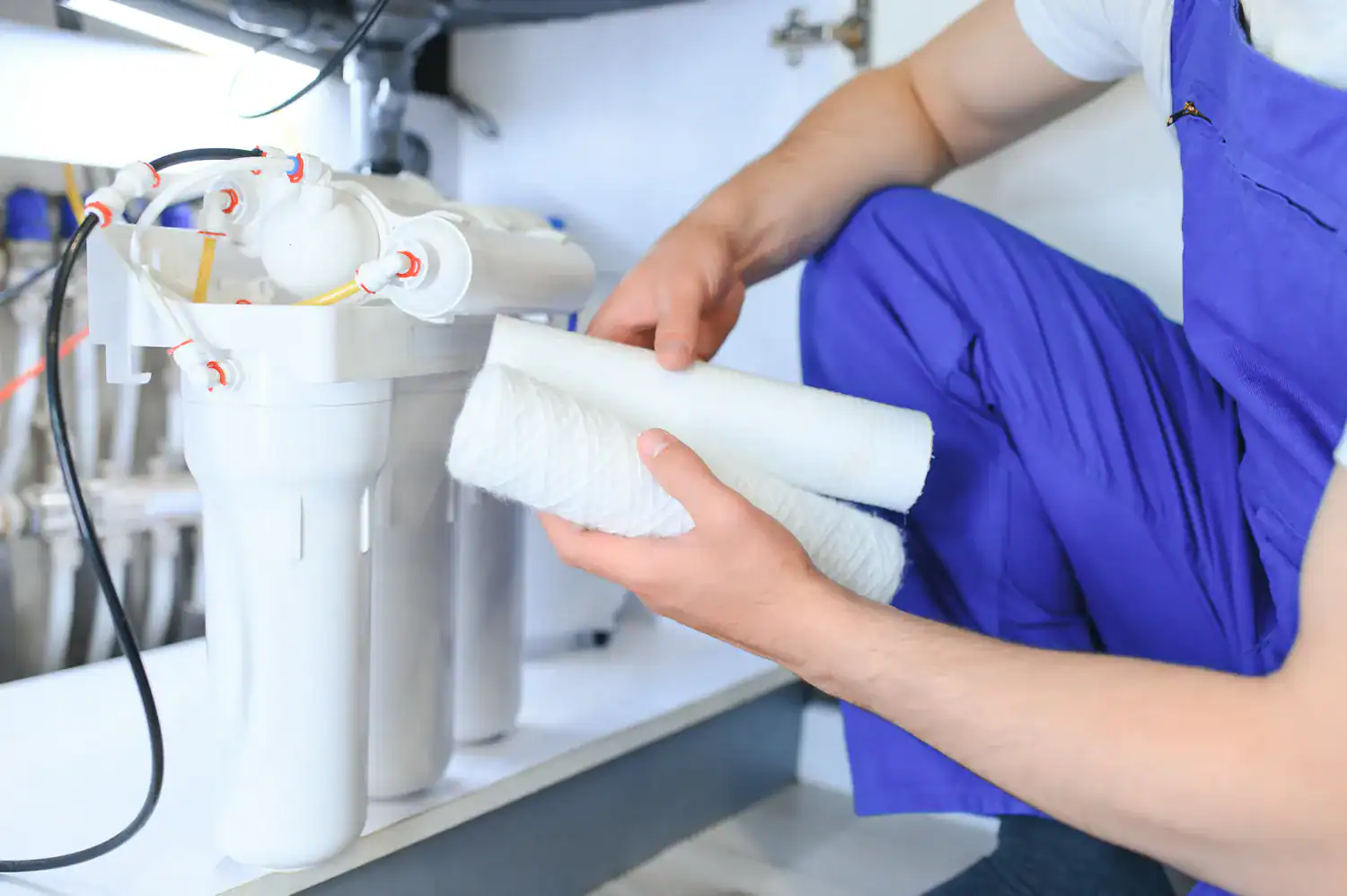
Your water stops leaving orange streaks on everything it touches. The rotten egg smell disappears when you turn on the tap. Your washing machine and water heater stop fighting mineral buildup every cycle, which means they actually last as long as they’re supposed to.
Soap lathers the way it should. Coffee tastes clean. You’re not embarrassed when guests use your bathroom or notice the smell. And you’re not replacing appliances years early because hard water destroyed them from the inside out.
That’s what happens when a water filtration system is designed for your specific water problems, not just sold off a truck. South Apopka sits on limestone aquifers, which means your groundwater picks up calcium, magnesium, iron, and sulfur on the way up. A generic filter won’t touch that. You need reverse osmosis systems, activated carbon filtration, and UV water purification working together to handle what’s actually in your water.
We focus on one thing: water purification and filtration for homeowners in South Apopka and Lake County. We don’t do plumbing. We don’t install water heaters. We do water treatment, and we do it right.
We’re A-rated by the Better Business Bureau with a 5-star rating and zero complaints. We’re members of the National Water Quality Association, which means we follow industry standards for testing, installation, and service. And we’re local, which matters when your system needs maintenance or you have questions two years down the road.
National companies sell systems and disappear. We’re the ones who show up when something needs attention. That’s the difference between a sale and actual service.
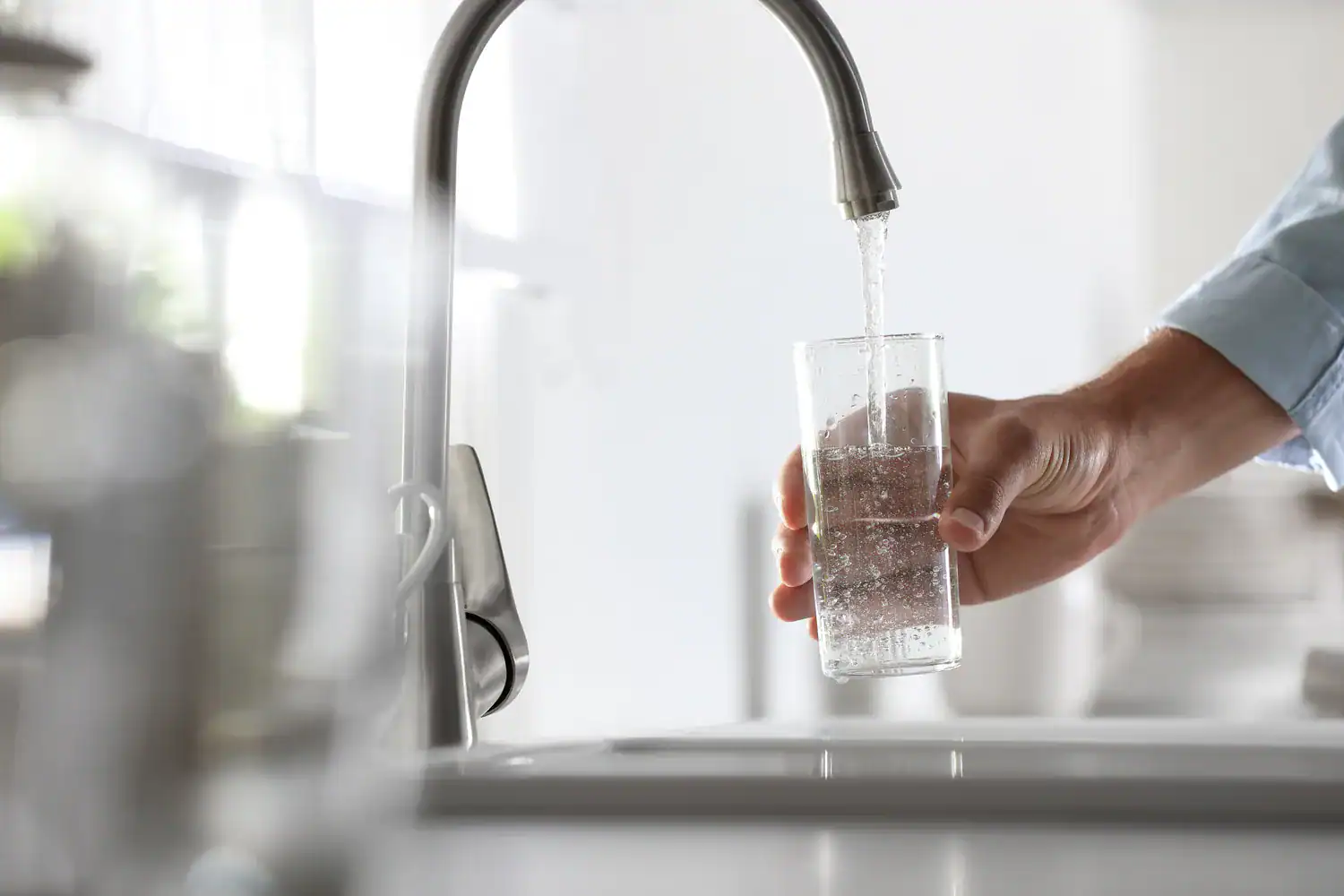
We start with drinking water quality testing. Not a sales pitch disguised as a test—actual laboratory-grade analysis that measures iron, hardness, pH, chlorine, bacteria, and anything else in your water. You can’t fix a problem you haven’t identified, and South Apopka water varies enough that your neighbor’s solution might not work for you.
Once we know what’s in your water, we design a system that targets those specific issues. Iron staining needs one approach. Sulfur smell needs another. Hard water damage requires a different setup. Most homes need a combination: whole house filtration at the point of entry, plus under-sink filter installation for drinking water.
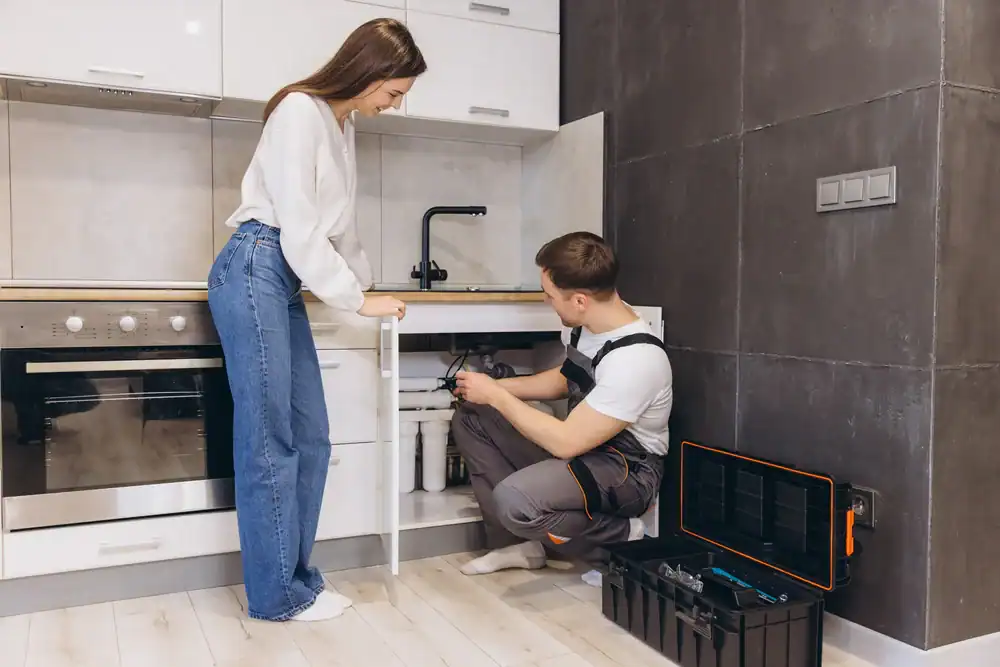
Installation takes a day, depending on your home’s plumbing setup. We handle everything from system startup to final testing. You’ll see the difference immediately—water that doesn’t smell, doesn’t stain, and doesn’t taste like chlorine. Then we’re available for ongoing service, filter changes, and any adjustments your system needs over time.
Ready to get started?
A complete water filtration system for South Apopka homes typically includes point-of-entry filtration that treats all the water coming into your house, plus point-of-use systems like reverse osmosis for drinking water. The exact setup depends on your water test results, but most systems combine activated carbon filtration to remove chlorine and organic compounds, a water softener to handle hardness, and specialized filters for iron and sulfur.
South Apopka’s water ranges from 113 to 221 mg/L of hardness—that’s 6.6 to 12.9 grains per gallon, which is moderately hard to very hard. Without treatment, that level of hardness makes washing machines wear out 30% faster and builds scale in your water heater that cuts efficiency and lifespan. Iron levels vary by neighborhood, but even small amounts oxidize into rust-colored stains on fixtures and laundry.
UV water purification gets added when bacteria is a concern, which happens with well water in areas where soil and groundwater seepage introduce contaminants. It’s a chemical-free way to sterilize water without affecting taste. For drinking water, under-sink reverse osmosis removes everything down to pharmaceutical traces and gives you clean water on tap without buying bottles.
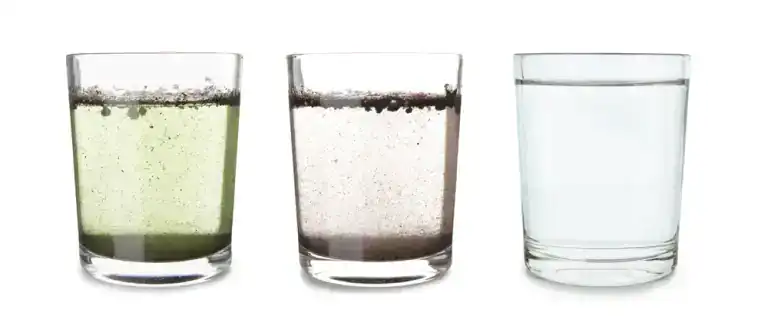
You need a whole house system if you’re dealing with staining, odor, or hard water damage throughout your home—not just at one faucet. Orange or brown stains on toilets, sinks, and tubs mean iron in your water. A rotten egg smell, especially when water sits in pipes overnight, means hydrogen sulfide gas from sulfur. Soap that won’t lather, stiff laundry, and white scale buildup on fixtures mean hard water.
Point-of-use filters like under-sink systems only treat water at one location. They’re great for drinking water, but they won’t stop iron from staining your shower or hard water from destroying your washing machine. Whole house filtration treats water at the point of entry, before it reaches any faucet or appliance.
In South Apopka, most homes on well water need whole house treatment because groundwater here picks up minerals from limestone aquifers. City water has chlorine and sometimes hardness issues. Either way, if the problem shows up in multiple places, you need a system that treats all your water, not just one tap.
Water softeners remove hardness—calcium and magnesium—through an ion exchange process that replaces those minerals with sodium. They stop scale buildup in pipes and appliances, make soap lather better, and prevent that crusty white residue on fixtures. But softeners don’t remove iron, sulfur, chlorine, bacteria, or other contaminants. They handle one specific problem: hardness.
Water filtration systems remove contaminants through physical barriers, activated carbon, or reverse osmosis membranes. They handle chlorine taste and odor, iron staining, bacteria, sediment, and depending on the system, things like lead or pharmaceutical traces. But basic filters don’t soften water.
Most South Apopka homes need both. You need a softener to protect appliances from hard water damage, and you need filtration to remove iron, sulfur, and chlorine. A complete system combines both technologies in the right order: sediment filter first, then iron removal if needed, then softener, then carbon filtration, and finally UV sterilization or reverse osmosis for drinking water. The sequence matters because each stage handles specific contaminants.
Sediment filters need replacement every 3 to 6 months, depending on your water quality and usage. Carbon filters last 6 to 12 months. Reverse osmosis membranes can go 2 to 3 years before replacement. Water softeners need salt refills every few weeks, and the resin bed eventually needs replacement after several years.
UV bulbs lose effectiveness after about a year, even if they still light up. The UV output drops below the level needed to sterilize bacteria, so annual replacement is standard. Iron filters need periodic backwashing and occasional media replacement.
The maintenance schedule depends on your specific system and your water conditions. Homes with high iron or sediment go through filters faster. We set up a service schedule based on your system and send reminders when filters are due. Most people don’t think about their water system until something goes wrong, which is why ongoing service matters. Regular maintenance keeps everything working and prevents small issues from becoming expensive repairs.
A water filtration system stops new stains from forming, but it won’t remove stains that are already there. You’ll need to clean existing stains with a rust remover or iron stain cleaner. Once your system is installed and treating water, new stains stop appearing because the iron is being removed before it reaches your fixtures.
Iron in water doesn’t look like anything when it first comes out of the tap. It oxidizes when exposed to air, turning into rust-colored particles that stick to porcelain, grout, and anything else they touch. Even small amounts of iron—less than 0.3 parts per million—cause visible staining over time.
South Apopka groundwater often contains dissolved iron from soil and rock. A proper iron removal system uses oxidation and filtration to pull iron out before it enters your plumbing. Some systems use a greensand filter, others use an air injection system. The right choice depends on your iron levels and water chemistry. After installation, you’ll notice that sinks, toilets, and tubs stay clean without constant scrubbing.
Whole house water filtration systems typically range from a few thousand dollars for basic setups to higher investment for comprehensive systems with multiple stages of treatment. The cost depends on your water test results, the size of your home, and what problems need fixing. A simple carbon filter and softener costs less than a system with iron removal, UV sterilization, and reverse osmosis.
You’re not just paying for equipment. You’re paying for professional installation that follows Florida plumbing codes, system startup and testing, and ongoing service from a company that’s still here when you need support. Cheap systems installed incorrectly cause more problems than they solve—leaks, improper flow rates, filters that don’t get changed, and no one to call when something goes wrong.
The real cost comparison isn’t between systems. It’s between installing proper treatment now versus replacing appliances early, buying bottled water forever, and scrubbing stains every week. A water heater costs $1,200 to $2,000 to replace. A washing machine runs $800 to $1,500. Hard water cuts their lifespan by years. Proper filtration pays for itself by protecting what you’ve already invested in your home.
Please provide your email address so that we can stay in touch and answer any questions you have! We will be reaching back out shortly.
"*" indicates required fields