Reach Out Today
Please provide your email address so that we can stay in touch and answer any questions you have! We will be reaching back out shortly.

Hear from Our Customers
You’ve probably noticed the white buildup around your faucets. Maybe your water smells like a swimming pool, or you’re spending a fortune on bottled water because nobody wants to drink what comes out of the tap. That’s Florida groundwater doing what it does—picking up everything from chlorine to minerals to whatever’s seeping through the limestone underneath us.
A whole-house water filtration system handles it at the source. That means every tap, every shower, every appliance gets treated water. No more scrubbing mineral stains off your glass shower doors or replacing your water heater early because hard water ate through it.
The difference isn’t subtle. Your skin feels different after a shower. Your coffee tastes better. Your dishwasher stops leaving spots on everything. And you’re not second-guessing whether it’s safe for your kids to fill up a glass from the kitchen sink.
We specialize in whole-house water purification across North and Central Florida. We’re members of the National Water Quality Association, hold an A+ Better Business Bureau rating with zero complaints, and we’ve built our reputation on doing exactly what we say we’ll do.
Saint Nicholas homeowners deal with the same water issues affecting most of Florida—high mineral content, chlorine levels that exceed what most people want to taste, and aquifer contamination risks that come with living on porous limestone. We test first, recommend second, and install systems designed around your actual water quality report.
We also offer a $500 discount for military members and first responders, because that matters here.
We start with drinking water quality testing. Not a guess, not a generic system—actual lab analysis of what’s coming through your pipes. That tells us whether you’re dealing with hardness, chlorine, sediment, or something more concerning like pesticides or solvents that leach through Florida’s thin soil layers.
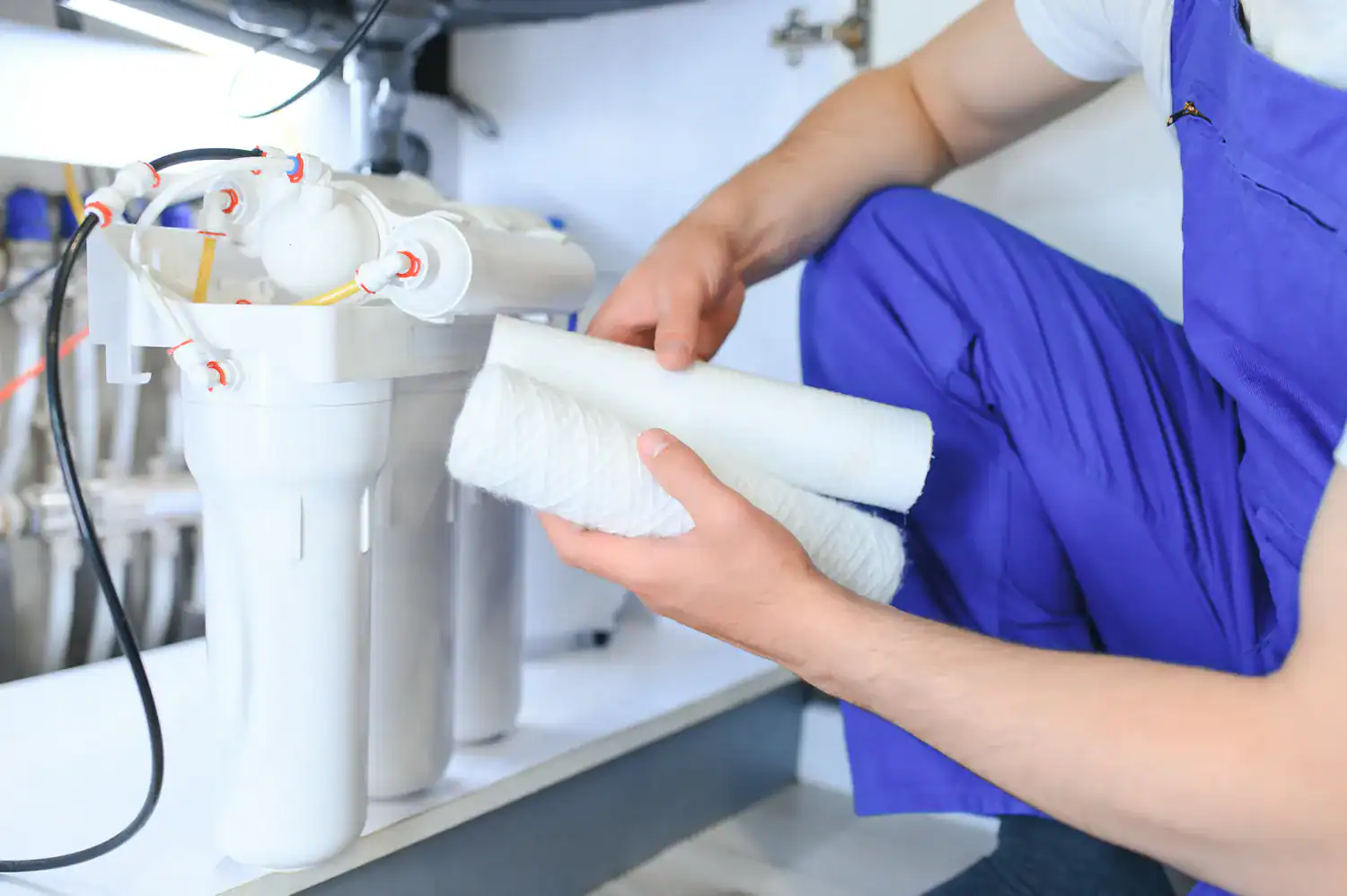
From there, we design a system. Most Saint Nicholas homes benefit from a multi-stage approach: sediment filtration to catch particles, activated carbon filtration to remove chlorine and organic compounds, and often a reverse osmosis system for drinking water. If bacteria or viruses are a concern, UV water purification handles that without adding chemicals.
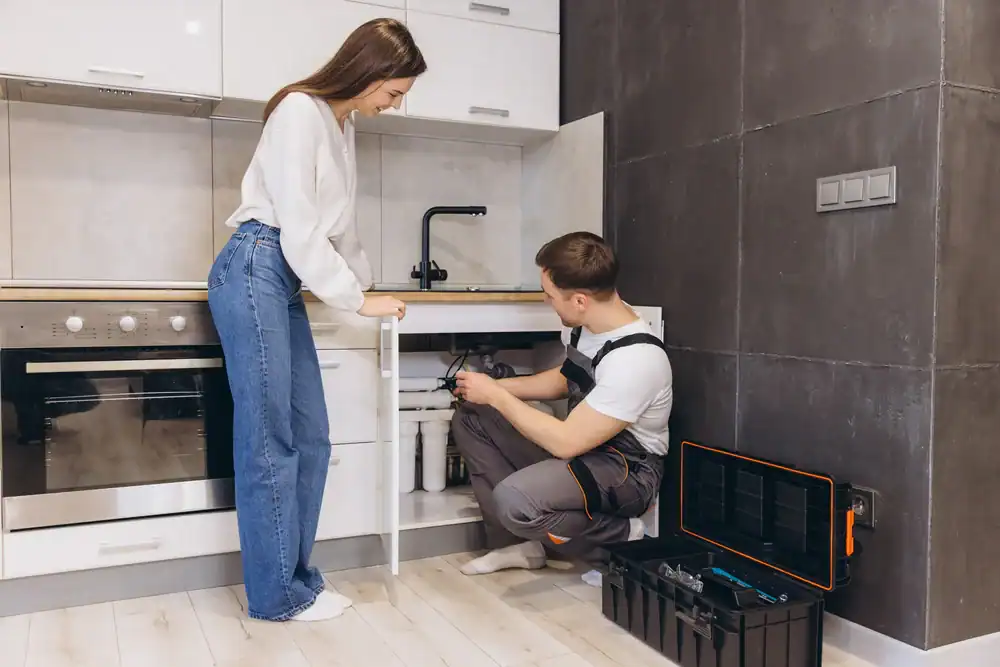
Installation typically takes a day. We tie into your main water line so every fixture gets filtered water, and if you want an under-sink filter installation for extra purification at the kitchen tap, we add that too. Then we walk you through maintenance—what to expect, when filters need changing, and how to reach us if something seems off.
Ready to get started?
Every installation starts with a water analysis specific to your home. Florida’s aquifer system means your neighbor might have different contamination levels than you do, even on the same street. We test for hardness, chlorine, pH, total dissolved solids, and common contaminants like nitrates and volatile organic compounds that show up in areas with agricultural runoff or older gas stations nearby.
Your system gets built around those results. Reverse osmosis systems handle the heavy lifting for drinking water—removing up to 99% of dissolved solids, heavy metals, and chemicals. Activated carbon filtration takes care of chlorine taste and odor. If your water is hard (and in Saint Nicholas, it usually is), a softener protects your plumbing and appliances from scale buildup that cuts their lifespan in half.
We install everything, test it under pressure, and make sure you understand how it works. You’re not getting a box with a manual and a “good luck.” You’re getting a system that’s dialed in for your water, your home, and your family’s needs. And if something needs adjusting down the road, we’re the ones who come back and handle it.
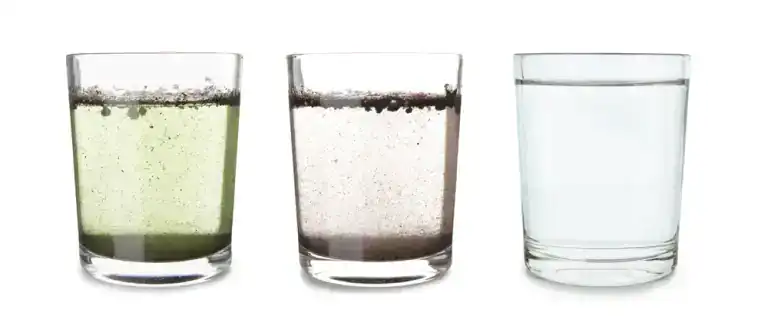
If your water tastes like chlorine, leaves white residue on fixtures, or you’re buying bottled water because tap water isn’t appealing, you’d benefit from filtration. But the real answer comes from testing. Florida’s aquifer sits close to the surface and filters through porous limestone, which means contaminants move through it easily—everything from agricultural runoff to old gas station leaks to naturally occurring minerals.
We test your water first and show you exactly what’s in it. Sometimes it’s just hardness and chlorine, which are easy fixes. Other times we find nitrates, pesticides, or volatile organic compounds that you definitely don’t want your family drinking. Testing takes the guesswork out and gives you a clear answer about whether you need a basic carbon filter or a more comprehensive reverse osmosis system with UV purification.
Most Saint Nicholas homeowners are surprised by what shows up in their water report. Once you see it, the decision usually makes itself.
A whole-house water filtration system treats everything coming into your home. Every faucet, every shower, every appliance gets filtered water. That protects your plumbing from scale buildup, keeps your water heater running longer, and means you’re not showering in chlorinated water that dries out your skin and hair.
An under-sink filter installation focuses on one tap—usually your kitchen sink—and provides an extra level of purification for drinking and cooking water. Most under-sink systems use reverse osmosis, which removes dissolved solids, heavy metals, and chemicals that a whole-house carbon filter might miss. It’s slower and more thorough, which is why it works well for drinking water but isn’t practical for your entire house.
The best setup for most homes is both: a whole-house system to handle chlorine, sediment, and hardness, plus an under-sink reverse osmosis system for the kitchen. That way you’re protecting your home and getting the cleanest possible drinking water without spending a fortune on a massive RO system for every tap.
It depends on your system and your water quality, but most filters need changing every 6 to 12 months. Sediment filters clog faster if you have a lot of particulates in your water. Carbon filters lose effectiveness once they’ve absorbed their capacity of chlorine and organic compounds. Reverse osmosis membranes typically last 2 to 3 years, but the pre-filters need more frequent replacement.
Florida’s high mineral content means filters work harder here than they would in other states. If your water is particularly hard or has heavy sediment, you might need to change filters closer to the 6-month mark. We set up a maintenance schedule based on your system and water quality, and we’ll remind you when it’s time.
Skipping maintenance isn’t an option if you want the system to keep working. A clogged filter doesn’t just stop filtering—it can restrict water flow, drop pressure throughout your house, and in some cases, let contaminants through. We make it easy: we handle the filter changes, test the system while we’re there, and make sure everything’s running the way it should.
Hard water requires a water softener, which is technically different from a filter but often gets installed as part of a whole-house water treatment system. Florida has some of the hardest water in the country—Saint Nicholas included—because of the limestone and mineral-heavy aquifer. That’s what causes the white buildup on your fixtures, the soap scum in your shower, and the shortened lifespan of your dishwasher and water heater.
A softener uses ion exchange to remove calcium and magnesium, which are the minerals that make water “hard.” You’ll notice the difference immediately: soap lathers better, your skin doesn’t feel tight after a shower, and you stop scrubbing crusty deposits off everything. Your appliances last longer because they’re not getting choked with scale.
Most Saint Nicholas homes benefit from pairing a softener with a carbon filter and reverse osmosis system. The softener handles hardness, the carbon filter removes chlorine and improves taste, and the RO system gives you ultra-clean drinking water. It’s a complete setup that addresses everything Florida water throws at you.
It depends on what your water needs and the size of your home, but most whole-house systems range from $2,000 to $6,000 installed. A basic carbon filtration setup costs less. A multi-stage system with a softener, carbon filter, and reverse osmosis for drinking water costs more. If you need UV purification because bacteria or viruses are a concern, that adds to the price.
Here’s what affects cost: the type of filtration (carbon, reverse osmosis, UV), whether you need a softener, how many stages of filtration you want, and the flow rate required for your home’s size. A 2,000-square-foot house needs a higher flow rate than a small condo, which means a larger system.
We don’t sell you the most expensive option. We test your water, show you what’s in it, and recommend a system that handles your specific issues. If all you need is a carbon filter and softener, that’s what we’ll install. If your water test shows contamination that requires reverse osmosis and UV treatment, we’ll explain why and give you options. And if you’re military or a first responder, we take $500 off—no fine print.
Please provide your email address so that we can stay in touch and answer any questions you have! We will be reaching back out shortly.
"*" indicates required fields