Reach Out Today
Please provide your email address so that we can stay in touch and answer any questions you have! We will be reaching back out shortly.


Hear from Our Customers
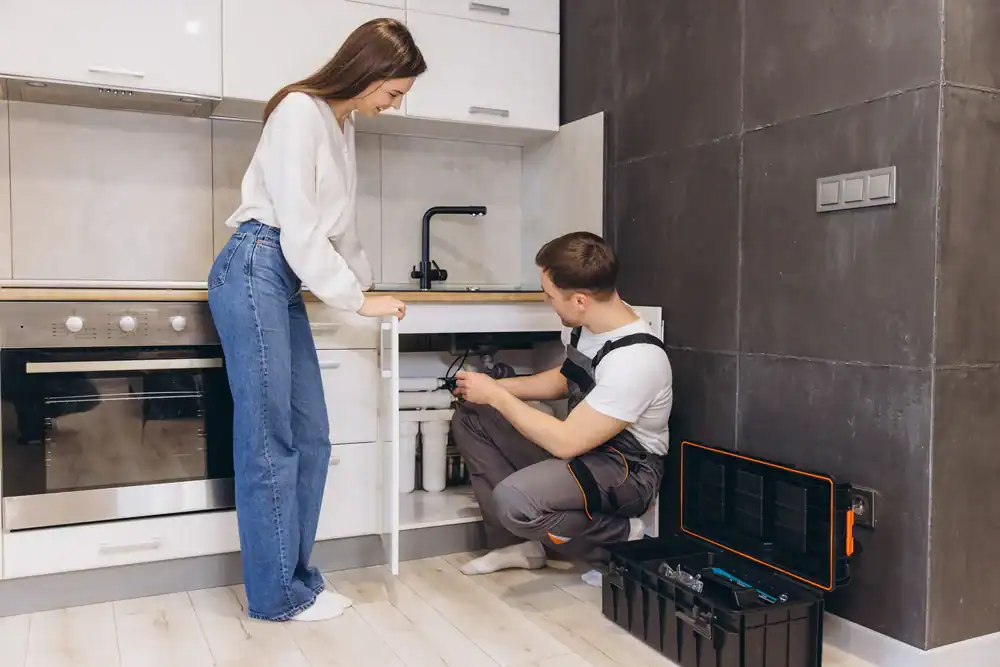
Your water heater shouldn’t fail at year seven. Your dishwasher shouldn’t need replacing before it’s paid off. Your family shouldn’t drink water with chemicals you can’t pronounce.
Hard water in Ross Prairie costs you more than you realize. Scale buildup cuts appliance lifespan by 30% or more. That’s real money walking out the door every time a water heater dies early or a washing machine quits.
A whole-house water filtration system treats water at the point it enters your home. Every faucet, every shower, every appliance gets clean, filtered water. You’ll use less soap, spend less time scrubbing, and stop replacing appliances years before you should have to. Your plumbing lasts longer. Your skin feels better. Your coffee tastes like coffee again, not chlorine.
This isn’t about luxury. It’s about protecting what you’ve already paid for and making sure the water your family uses every day is actually safe.
We’ve served Central Florida homeowners since 1955. We’re Water Quality Association certified, A-rated with the Better Business Bureau, and we’ve built our reputation on actually servicing what we sell.
Ross Prairie water varies block to block. What works for your neighbor might not work for you. We test your water first, then recommend systems based on what’s actually in it—not what’s on sale. Our technicians are WQA-trained and know Florida water inside out.
We’re a family-owned operation, not a national chain that disappears after installation. When you call, you get people who know your system and your water. We offer $500 off for military and first responders because we believe in taking care of the people who take care of us.
First, we test your water. Not a guess, not an assumption—an actual test that shows what contaminants you’re dealing with. Florida’s aquifer-fed water brings different problems depending on where you live, and Ross Prairie is no exception.
Once we know what’s in your water, we’ll walk you through your options. Reverse osmosis systems for drinking water. Activated carbon filtration for taste and odor. UV water purification if bacteria’s a concern. Whole-house systems if you want protection everywhere. We’ll explain what each system does, what it costs, and what makes sense for your home.
Installation happens at your point of entry, usually near your water heater. We’re not tearing up your house. Most installations take a few hours. You’ll have clean water by dinner.
After installation, we show you how everything works and set up a maintenance schedule. Filters need changing. Systems need occasional service. We handle it, or we show you how. You’re not on your own after we leave.
Ready to get started?
Whole-house water filtration systems treat everything. Drinking water, shower water, laundry water—all of it gets filtered before it reaches your taps. You’re protecting your appliances, your plumbing, and your family at the same time.
If you just want clean drinking water, under-sink filter installation gives you purified water at your kitchen tap without treating the whole house. Reverse osmosis systems remove up to 99% of contaminants, including the PFAS “forever chemicals” that have been detected in 63% of Florida spring samples.
For Ross Prairie’s hard water, a water softener protects your pipes and appliances from scale buildup. Pair it with activated carbon filtration and you’ve got water that doesn’t just work better—it tastes better too. UV water purification adds an extra layer of protection against bacteria and microorganisms, which matters if you’re on well water or concerned about Florida’s aging infrastructure.
We don’t sell you more than you need. We sell you what fixes your specific water problems. That starts with drinking water quality testing and ends with a system that makes sense for your home and your budget.
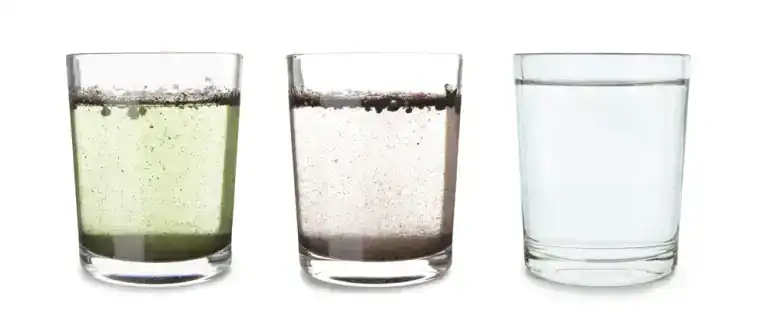
Whole-house systems typically range from $1,500 to $5,000 depending on what you’re filtering and how big your home is. A basic sediment and carbon filter setup costs less than a full reverse osmosis system with UV purification and water softening.
Here’s what affects price: the contaminants in your water, your home’s square footage, and whether you need additional features like a water softener or UV sterilization. Ross Prairie homes dealing with hard water and chlorine taste usually land in the $2,000 to $3,500 range for a solid whole-house setup.
We offer financing because dropping several thousand dollars at once isn’t realistic for most people. You shouldn’t keep drinking bad water or replacing appliances early just because the upfront cost is steep. Monthly payments make it manageable, and the money you save on appliance repairs and bottled water adds up faster than you’d think.
Yes, but only certain types of systems actually remove PFAS. Reverse osmosis systems are your best option—they remove up to 99% of PFAS chemicals, including PFOS and PFOA. Activated carbon filters help, but they’re not as effective for these specific contaminants.
This matters in Ross Prairie because nearly 9 million Floridians have PFAS in their drinking water. These “forever chemicals” don’t break down naturally, and they’ve been linked to serious health issues. Seven Florida spring sites have exceeded EPA limits for PFAS, and more than 8 million Floridians were exposed to PFOS levels above health guidelines between 2021 and 2024.
If PFAS is your main concern, we’ll recommend a reverse osmosis system for your drinking water at minimum. For whole-house protection, we can combine RO with other filtration methods. We test your water first so you know exactly what you’re dealing with, then build a system that actually addresses it.
Most systems need filter changes every 6 to 12 months, depending on your water quality and how much water you use. Florida’s high mineral content and contaminant levels mean filters work harder here than they do in other states.
Sediment filters usually need changing every 3 to 6 months because they catch the heavy stuff first. Activated carbon filters last 6 to 12 months. Reverse osmosis membranes can go 2 to 3 years if the pre-filters are changed on schedule. UV bulbs need annual replacement to stay effective.
We set up maintenance schedules based on your specific system. Some customers handle filter changes themselves—it’s not complicated. Others prefer we come out and do it. Either way, skipping maintenance means your system stops working as well, and you’re back to drinking the same water you installed the system to avoid. Regular maintenance isn’t optional if you want the system to keep doing its job.
A water softener removes hardness minerals—calcium and magnesium—that cause scale buildup. A water filtration system removes contaminants like chlorine, sediment, heavy metals, and bacteria. They solve different problems, and most Ross Prairie homes benefit from both.
Hard water destroys appliances. It leaves white buildup on faucets, makes soap less effective, and causes your water heater to work harder and fail sooner. A water softener fixes that by replacing hardness minerals with sodium through an ion exchange process.
Filtration handles everything else: bad taste, chemical contamination, sediment, and health concerns. If your water tastes like chlorine, leaves rust stains, or you’re worried about PFAS and other contaminants, you need filtration. If your appliances are covered in scale and your soap won’t lather, you need a softener. Most people need both, which is why we often install combination systems that soften and filter at the same time.
Yes, because city water treatment doesn’t remove everything, and Florida had the second-highest number of people exposed to Safe Drinking Water Act violations in 2017. City water is treated to meet minimum safety standards, but that doesn’t mean it’s optimized for taste, appliance protection, or long-term health.
Chlorine gets added to kill bacteria, but it makes your water taste like a swimming pool. Disinfection byproducts from that chlorine treatment have been linked to health concerns. Hard water minerals pass right through city treatment and go straight into your pipes and appliances. PFAS contamination is showing up in municipal water supplies across Florida, including areas around Ross Prairie.
City water meets the legal definition of “safe,” but that’s a pretty low bar. It doesn’t account for aging pipes between the treatment plant and your house. It doesn’t prevent scale buildup in your water heater. And it doesn’t remove the contaminants that city treatment wasn’t designed to handle in the first place. If you want water that’s actually clean—not just legally acceptable—you need your own filtration system.
Please provide your email address so that we can stay in touch and answer any questions you have! We will be reaching back out shortly.
"*" indicates required fields