Reach Out Today
Please provide your email address so that we can stay in touch and answer any questions you have! We will be reaching back out shortly.


Hear from Our Customers

Your water stops tasting like a swimming pool. The sulfur smell disappears. Your skin doesn’t feel tight and dry after every shower.
You’re not buying bottled water by the case anymore. Your appliances last longer because hard water minerals aren’t building up inside them. Your dishes don’t have spots, and your clothes come out of the wash actually clean.
Most importantly, you’re not wondering what’s in your water anymore. No more worrying about PFAS or forever chemicals showing up in the news. No more questions about whether your kids should be drinking from the tap. You know what’s in your water because it’s been tested, and you know what’s been removed because the system was designed specifically for your home.
We specialize in one thing: making sure Richmond Estates homeowners have clean, safe water throughout their entire home. We’re not plumbers who sell water softeners on the side. We don’t install water heaters or fix leaky pipes.
We’re A-rated by the Better Business Bureau with a 5-star rating and zero complaints. We’re members of the National Water Quality Association, which means we follow industry standards and stay current on water treatment technology. We’ve built our reputation in Lake County by doing what we say we’ll do and servicing what we sell.
Richmond Estates has its own water challenges. Florida’s limestone bedrock means hard water is almost guaranteed. PFAS contamination has been detected in springs less than 30 miles from here. Chlorine levels in municipal water can be high. We design systems that address these specific issues, not generic problems from a national sales script.
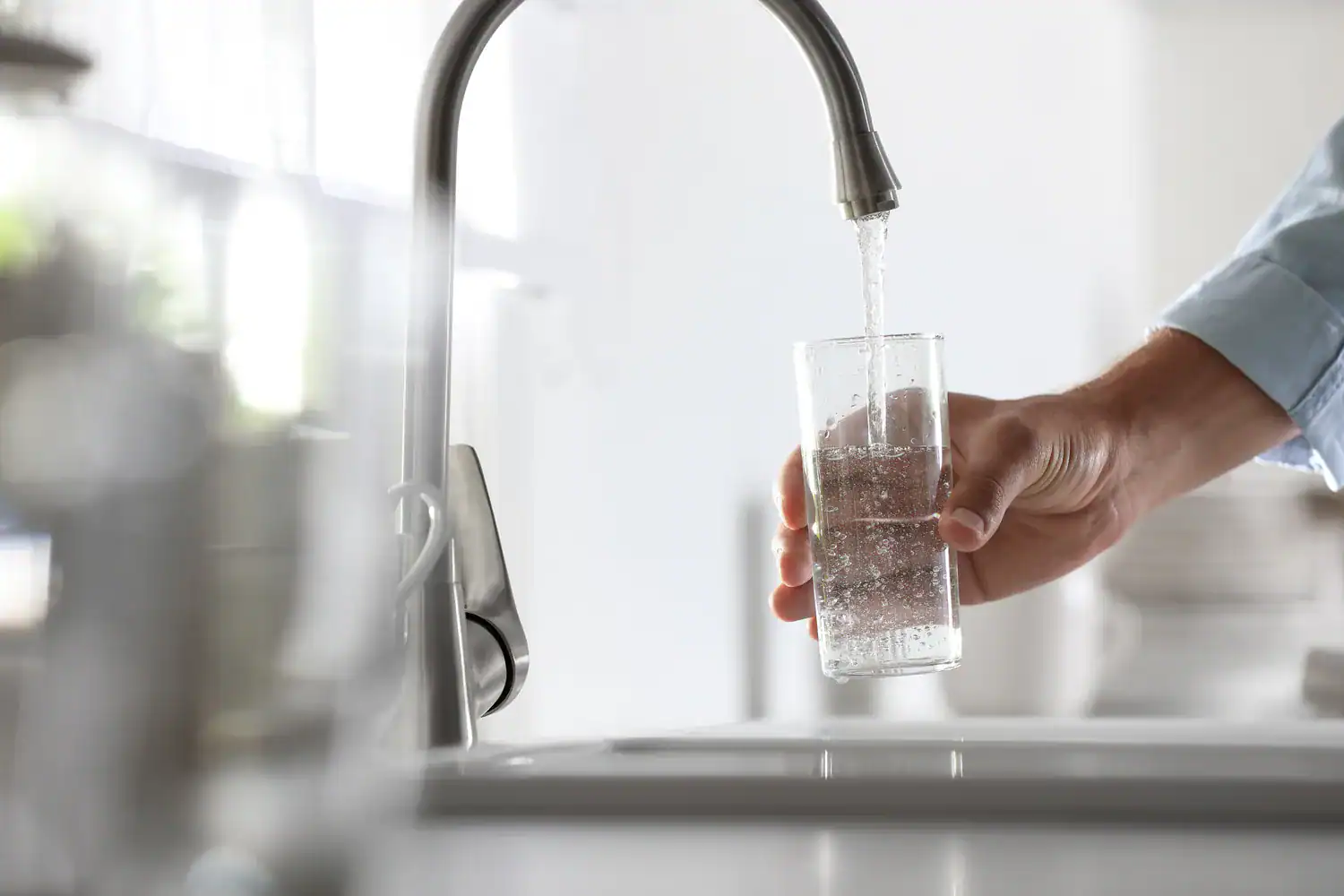
We start with a free water analysis at your home. Not a sales pitch disguised as a test. An actual analysis of what’s in your water right now. We test for hardness, chlorine, iron, sulfur, pH levels, and contaminants like PFAS if you’re concerned about them.
Once we know what we’re dealing with, we design a system for your home. This isn’t a one-size-fits-all approach. A family of five uses water differently than a retired couple. A home on well water needs different treatment than one on city water. We factor in your water usage, your specific contaminants, and what you actually want to accomplish.
Installation happens on a day that works for you. We’re not subcontracting this out to whoever’s available. Our team handles the installation, tests the system, and walks you through how it works. You’ll know how to check your system, when filters need changing, and who to call if something seems off. After installation, we’re still here. We service what we sell, which apparently isn’t standard practice for some of the national companies operating in Florida.
Ready to get started?
Most Richmond Estates homes need a combination approach. Reverse osmosis systems handle the heavy lifting for drinking water, removing up to 99% of contaminants including PFAS, lead, and dissolved solids. These typically go under your kitchen sink, giving you purified water for drinking and cooking.
Whole house filtration addresses everything else. Activated carbon filtration removes chlorine, improves taste and odor, and protects your skin and hair from drying out. If you’ve got hard water, a softener prevents scale buildup in your pipes, water heater, and appliances. UV water purification kills bacteria and viruses without chemicals, which matters if you’re on well water.
For Richmond Estates specifically, we’re seeing more requests for PFAS filtration. These forever chemicals have been detected in Florida springs and groundwater. Standard carbon filters don’t remove them effectively. You need either a high-quality reverse osmosis system or specialized carbon designed for PFAS reduction. We test for them, and if they’re present above safe levels, we design your system accordingly. The EPA just set new limits on PFAS in drinking water, which means this isn’t going away. You’re either addressing it now or dealing with it later when it becomes mandatory.

Richmond Estates water typically contains hard water minerals (calcium and magnesium), chlorine from municipal treatment, and varying levels of sulfur depending on your water source. Hard water is almost universal in Lake County because of Florida’s limestone geology. You’ll see it as scale buildup on faucets, spots on dishes, and that film on your shower doors.
Chlorine levels can be higher than what most people find acceptable for taste. Municipalities use it to disinfect water, which is necessary, but it doesn’t need to come out of your tap. Sulfur shows up as that rotten egg smell, and it’s more common in well water but can appear in city water too.
The bigger concern lately is PFAS contamination. These forever chemicals have been detected in Florida springs within 30 miles of Richmond Estates. They don’t break down naturally, they accumulate in your body, and they’re linked to serious health issues including cancer and liver disease. The EPA just set maximum contaminant levels for PFAS, which means utilities have to test and filter them out if they exceed limits. A proper water test will tell you exactly what’s in your water right now.
For a complete whole house system in Richmond Estates, you’re typically looking at several thousand dollars, depending on what your water needs and what you’re trying to accomplish. A basic softener and carbon filter setup costs less than a comprehensive system with reverse osmosis, UV purification, and PFAS removal.
Here’s what affects the price: the size of your home and your water usage, the specific contaminants you’re removing, whether you’re on well water or city water, and the quality of equipment you choose. Cheaper systems exist, but they often use lower-grade components that need frequent replacement or don’t effectively remove contaminants.
We offer a $500 discount for military members and first responders. More importantly, we design systems that make sense for your situation. If you don’t need UV purification because you’re on treated city water, we’re not going to sell it to you. If your main issue is hard water and chlorine, we’ll address that specifically rather than over-engineering a solution. The free water analysis tells us what you actually need, and we price accordingly. We’re not the cheapest option in Lake County, but you’re paying for equipment that works, professional installation, and a company that will actually service your system after the sale.
You probably need both, because they solve different problems. A water softener removes hard water minerals like calcium and magnesium. That’s what causes scale buildup in your pipes, water heater, and appliances. It’s what makes your soap not lather properly and leaves your skin feeling dry. Hard water is a mechanical problem that damages your plumbing and costs you money in repairs and energy efficiency.
A water filtration system removes contaminants, improves taste and odor, and addresses health concerns. Activated carbon filtration takes out chlorine and organic compounds. Reverse osmosis systems remove PFAS, lead, dissolved solids, and other contaminants that a softener won’t touch. UV purification kills bacteria and viruses. These are health and quality-of-life improvements.
Most Richmond Estates homes benefit from both. The softener protects your home’s infrastructure and makes your water feel better. The filtration system makes your water safe and taste better. We test your water first, then recommend what actually makes sense for your situation. If your water is relatively soft but has chlorine and PFAS, you might not need a softener. If you’ve got severe hardness but your water quality is otherwise good, maybe you start with a softener and add filtration later. The water test determines the answer, not a sales script.
It depends on the type of filter and how much water you’re running through it. Sediment filters typically need replacement every three to six months because they’re catching particles and debris before they reach your other filters. Activated carbon filters last six months to a year, depending on your chlorine levels and water usage. Reverse osmosis membranes can last two to three years if the pre-filters are changed on schedule.
You’ll know it’s time when you notice changes. Water pressure drops at your RO faucet. The taste starts to change. You see sediment in your water. These are signs your filters are saturated and need replacement. Some newer systems have monitoring technology that tracks filter life and alerts you when it’s time to change them.
We service what we sell, which means we can handle filter replacements for you. We’ll remind you when it’s time, show up with the correct filters, and swap them out. Or if you’d rather do it yourself, we’ll show you how during installation and make sure you know where to get replacement filters. The important thing is that filters actually get changed. A water filtration system with old, saturated filters isn’t protecting you from anything. It’s just expensive plumbing. Regular maintenance is what keeps your system working the way it’s supposed to.
A properly designed system will, but not every filter removes PFAS effectively. These forever chemicals are extremely stable and small, which means they pass right through standard carbon filters and water softeners. You need either a high-quality reverse osmosis system or activated carbon specifically rated for PFAS reduction.
Reverse osmosis is the most reliable method. The membrane physically blocks PFAS molecules along with other contaminants, typically removing 95-99% of them. This is what the EPA and water treatment professionals recommend for PFAS removal. The downside is that RO systems are typically installed at a single point of use, like your kitchen sink, so you’re getting PFAS-free water for drinking and cooking but not throughout your whole house.
Whole house PFAS removal is possible but more complex and expensive. It requires a large-scale carbon filtration system with media specifically designed for PFAS, and those filters need more frequent replacement because PFAS saturates them faster than other contaminants. For most Richmond Estates homeowners, the practical approach is an RO system for drinking water combined with whole house filtration for chlorine and sediment. We test your water first to see if PFAS is even present and at what levels, then design a system that addresses your actual risk rather than selling you equipment you might not need.
Please provide your email address so that we can stay in touch and answer any questions you have! We will be reaching back out shortly.
"*" indicates required fields