Reach Out Today
Please provide your email address so that we can stay in touch and answer any questions you have! We will be reaching back out shortly.


Hear from Our Customers
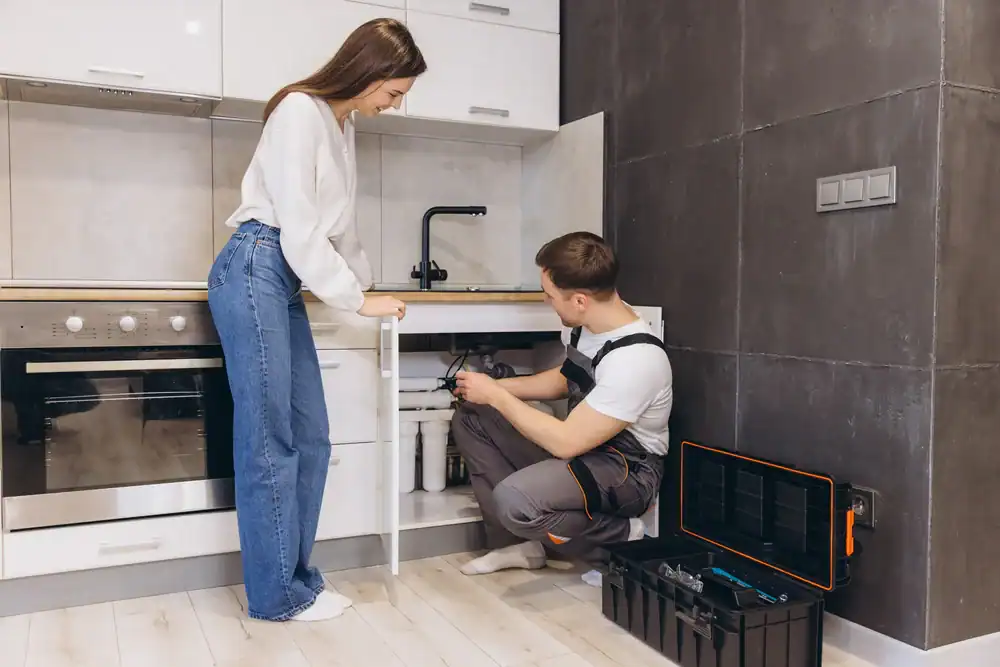
Your shower stops smelling like a pool. That’s usually the first thing people notice after we install a whole-house water filtration system.
The chlorine taste disappears from your drinking water. Your dishes don’t have spots anymore. Your skin feels less dry after washing your hands or taking a shower. These aren’t small quality-of-life improvements—they’re daily reminders that you made the right call.
But here’s what matters more: you’re protecting your family from contaminants that municipal treatment doesn’t fully address. Chlorine byproducts, heavy metals, pesticides from agricultural runoff—Florida’s porous limestone and high water table make contamination easier than most people realize. A good filtration system handles what the city can’t or won’t.
And your appliances last longer. Hard water and sediment destroy water heaters, dishwashers, and washing machines from the inside out. Filtered water means fewer repairs, less scale buildup, and years added to expensive equipment you’d rather not replace.
We don’t install water heaters or fix leaky pipes. We specialize in whole-house water purification, and that focus matters when you’re trying to solve a problem most plumbers don’t fully understand.
We’re A-rated with the Better Business Bureau with zero complaints and five-star reviews. We’re members of the National Water Quality Association, which means we stay current on certifications, contaminant research, and treatment technology. And we’ve been serving Lake County and the surrounding areas long enough to know exactly what Rainbow Park water does to homes and appliances.
We also offer a $500 discount to military personnel and first responders because we believe people who serve their community deserve better water at a fair price. We support the Tunnels to Towers Foundation, and we take that commitment seriously—it’s not a marketing line.
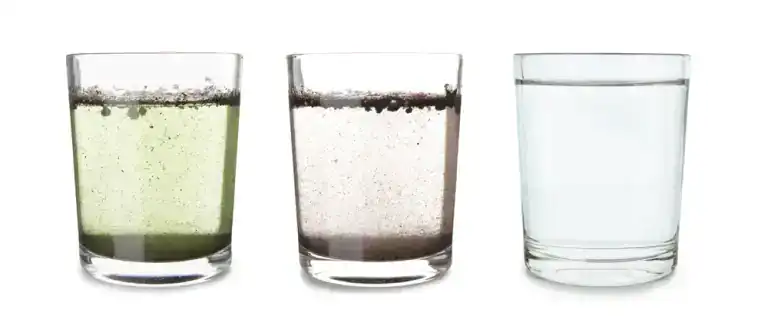
We start with drinking water quality testing. Not a sales pitch disguised as a test—an actual analysis of what’s in your water and what treatment makes sense for your home. Some people need a reverse osmosis system under the sink. Others need activated carbon filtration for chlorine and taste issues. Many Rainbow Park homes benefit from a combination approach that handles hardness, sediment, and chemical contaminants all at once.
Once we know what you’re dealing with, we recommend a system that fits your water, your home, and your budget. We don’t upsell. We don’t push equipment you don’t need. If a mid-range system solves your problem, that’s what we’ll tell you.
Installation happens at the point of entry—where water comes into your house—so every faucet, shower, and appliance gets filtered water. The process typically takes a few hours, and we walk you through maintenance before we leave. Most systems need a filter change once or twice a year. That’s it.
After installation, you’ll notice the difference immediately. Cleaner taste. Softer feel. No more chlorine smell in the shower. And long-term, you’ll see the benefits in appliance longevity and lower maintenance costs.
Ready to get started?
A whole-house water filtration system treats water before it enters your plumbing. That means every tap, every shower, every appliance gets the benefit. Compare that to a pitcher filter or an under-sink filter installation—those only treat water at one location. You’re still showering in chlorinated water. You’re still washing clothes in hard water. Your dishwasher still gets destroyed by mineral buildup.
Rainbow Park sits in an area where municipal water is heavily chlorinated, especially in the warmer months. Florida’s heat makes chlorine evaporate faster, which is why your shower smells stronger in summer. A carbon filtration system removes that chlorine before it reaches your showerhead, which means no more chemical odor and no more dry skin from overexposure.
If you’re on well water, the concerns shift to iron, sulfur, bacteria, and sediment. UV water purification kills bacteria without adding chemicals. Iron filters prevent the rust stains that ruin sinks, toilets, and laundry. Sediment filters protect your pressure regulator and keep grit out of your fixtures.
We also install reverse osmosis systems for drinking water. These go under your kitchen sink and remove up to 99% of contaminants—including lead, arsenic, nitrates, and fluoride. If you’ve got kids or you’re concerned about long-term exposure to heavy metals, reverse osmosis is the most effective option available.
Most systems for homes on city water run between $1,500 and $2,500 installed. That includes the equipment, labor, and an initial filter set. If you need a more advanced setup—say, a combination softener and chemical filter, or a UV purification system for well water—the cost goes up from there.
Here’s the math that matters: the average family spends over $400 a year on bottled water. A filtration system pays for itself in four to five years, and most systems last 15 to 20 years with basic maintenance. You’re also avoiding appliance repairs caused by hard water and sediment, which can easily cost hundreds or thousands over time.
We don’t finance in-house, but many customers use home improvement loans or credit options to spread the cost out. We’re upfront about pricing during the consultation, so there’s no surprise when we hand you a quote.
It depends on the system. Activated carbon filters remove chlorine, chloramines, volatile organic compounds, and pesticides. They also improve taste and odor, which is why most people notice a difference right away.
Reverse osmosis systems go further. They remove heavy metals like lead and arsenic, nitrates from fertilizer runoff, fluoride, and even some pharmaceuticals that make it through municipal treatment. If you’ve seen news stories about contamination in Florida’s aquifer, reverse osmosis is the technology that addresses those concerns.
For well water, you might need a UV purification system to kill bacteria, or an iron filter to prevent staining. Sediment filters catch sand, silt, and rust before they damage your pressure regulator or clog your fixtures. We test your water first so we know exactly what we’re treating and can recommend the right combination of filtration methods.
Probably both, but it depends on your water test results. A water softener removes calcium and magnesium, which cause hardness. Hard water leaves spots on dishes, makes soap less effective, and creates scale buildup in your water heater and pipes. Florida has some of the hardest water in the country, so most Rainbow Park homes benefit from softening.
But a softener doesn’t remove chlorine, sediment, or chemical contaminants. That’s where filtration comes in. A carbon filter handles chlorine and improves taste. A reverse osmosis system removes heavy metals and nitrates. Many homeowners install both—a softener for hardness and a whole-house filter for everything else.
There are also combination systems that soften and filter in one unit. We’ll recommend the setup that makes sense for your water quality and your budget. The goal is to solve the problem without overcomplicating your system or your maintenance routine.
Most whole-house carbon filters need a replacement every six to twelve months, depending on your water usage and the level of contamination. Sediment filters might need changing more often if you’re on well water or if the city is doing construction that stirs up debris in the lines.
Reverse osmosis systems have multiple filters. The pre-filters and post-filters get changed every six to twelve months. The RO membrane itself lasts two to four years. We’ll give you a maintenance schedule when we install your system, and we can handle the filter changes if you’d rather not deal with it yourself.
Here’s what’s important: regular filter changes keep your system working correctly. A clogged filter reduces water pressure and lets contaminants through. Most people set a reminder on their phone or mark it on the calendar. It’s a simple swap that takes ten minutes, and it’s the only real maintenance a filtration system needs.
Not if it’s sized correctly. A properly installed whole-house system maintains normal water pressure throughout your home. You might notice a slight drop if you’re running multiple high-flow fixtures at once, but it’s usually not enough to matter in daily use.
Pressure problems happen when someone installs an undersized system or lets the filters go too long without changing them. A clogged filter restricts flow, which is why maintenance matters. We size your system based on your home’s plumbing, your water usage, and the flow rate you need to keep everything running smoothly.
If you’re already dealing with low pressure, a filtration system won’t make it worse—but it also won’t fix a pressure issue caused by old pipes or a failing well pump. We’ll check your baseline pressure during the consultation and let you know if there’s an underlying problem that needs addressing before we install your system.
Please provide your email address so that we can stay in touch and answer any questions you have! We will be reaching back out shortly.
"*" indicates required fields
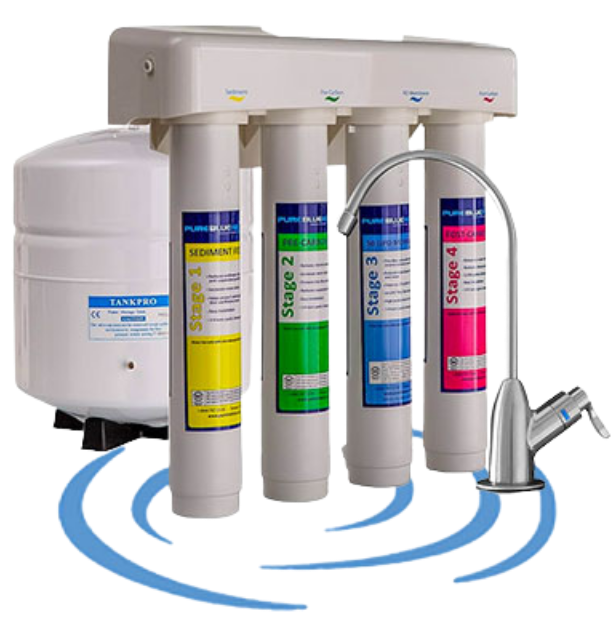
Get a free reverse osmosis drinking water system with the purchase of any whole-home water purification system.
*Cannot be combined with other offers. Mention this special when you call.