Reach Out Today
Please provide your email address so that we can stay in touch and answer any questions you have! We will be reaching back out shortly.

Hear from Our Customers
Poinciana’s water comes from the Floridan Aquifer — a vast underground limestone formation that naturally loads your supply with calcium and magnesium before it ever reaches your tap. That hardness doesn’t just affect the way your water tastes. It quietly scales up the inside of your water heater, dishwasher, and washing machine, cutting their efficiency and shortening their lives. For homeowners in the APV villages who’ve been in their homes for years, that damage is already compounding.
A whole-house filtration system stops it at the source. Every faucet in your Poinciana home runs cleaner. Your appliances aren’t fighting mineral buildup every cycle. Your showers stop leaving white residue on the glass. For families with kids — and nearly a quarter of Poinciana’s population is under 18 — the bigger shift is knowing that what’s coming out of the tap isn’t carrying the disinfection byproducts that the Environmental Working Group flags in the Toho Water Authority — Poinciana System by name. Trihalomethanes and haloacetic acids form when chlorine reacts with organic matter during treatment. They’re in your water right now at levels that pass federal law but exceed independent health guidelines.
Filtered water also means you stop buying cases of bottled water every week. That’s a real number over a year. And if you’re in one of the new Stepping Stone homes near Poinciana Medical Center, getting your water tested before those problems settle in is far less expensive than addressing them after the fact.
We’ve been installing and servicing water treatment systems across Central Florida for more than 50 years, including throughout Poinciana and the surrounding Osceola and Polk County areas. That’s not a tagline — it’s a verifiable history. We know the Floridan Aquifer. We know Toho Water Authority water. We know what Poinciana homes deal with, and we’ve been doing this work in the community long before Poinciana Parkway existed.
Our BBB A-rating comes with a 5-star record and zero complaints on file — in an industry the Florida Attorney General has had to actively police for deceptive practices. We’re also members of the National Water Quality Association, which requires passing a comprehensive exam and committing to a formal code of ethics. That’s not a logo you buy — it’s a credential you earn.
Every system we install uses NSF-certified components. We service what we sell, and we also service systems installed by other companies. If you have a system sitting in your garage that nobody will come back to maintain, that’s exactly who we built this service for.
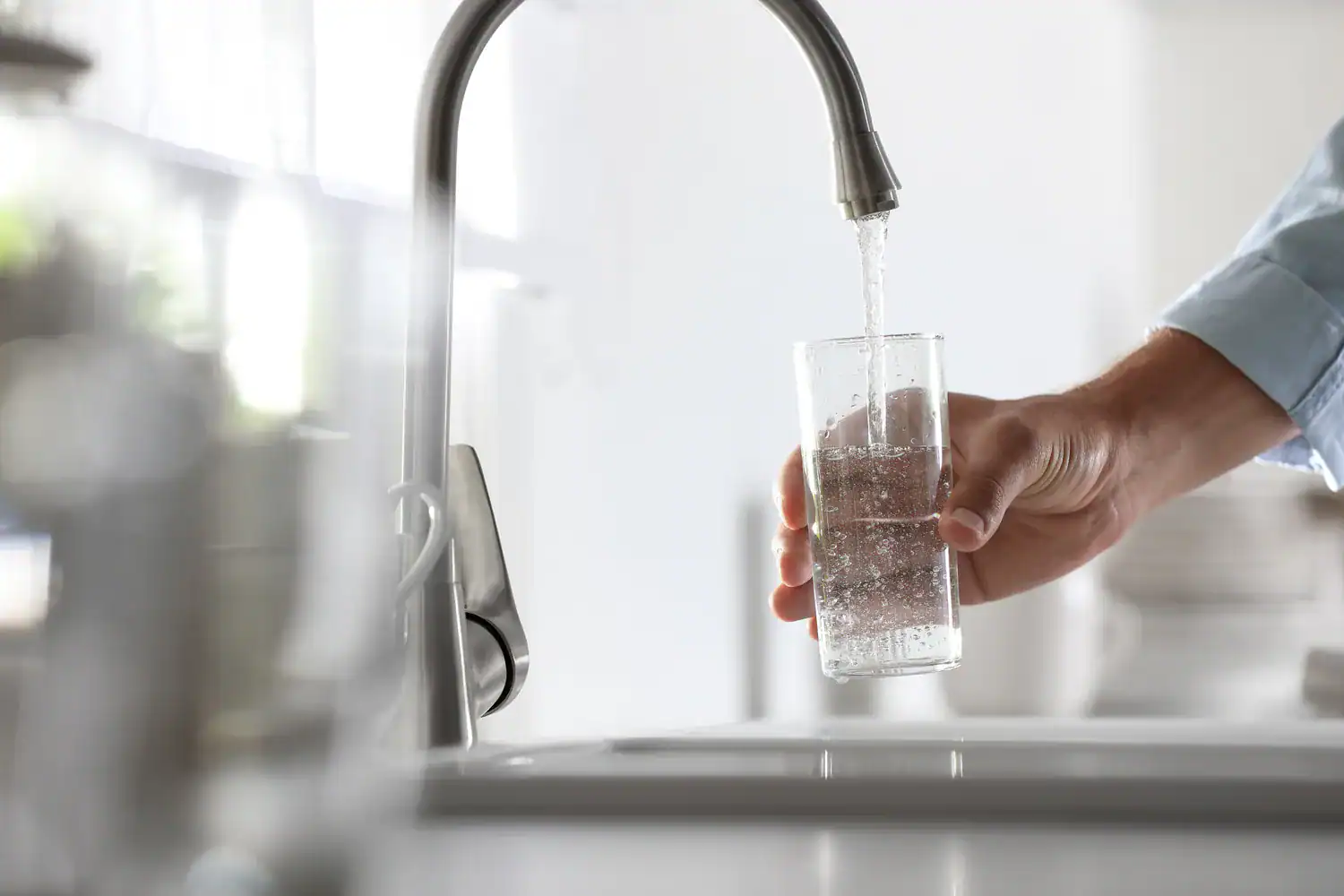
It starts with a free water analysis — not the theatrical kind where someone drops a chemical in a glass to make your water look alarming. This is a real, lab-grade test that measures what’s actually present in your specific supply. For Poinciana homeowners on Toho Water Authority, that means testing for hardness, total dissolved solids, disinfection byproducts, and any other contaminants relevant to your system. If you’re in a home on a private well — and some properties in the surrounding Osceola and Polk County areas still are — the test also checks for iron, sulfur, bacteria, and pH, which behave differently depending on the season and how recently your well was last serviced.
Once the results are in, you get a system recommendation built around your actual numbers and your household’s water usage — not a package pulled off a shelf. That might mean a whole-house carbon filtration system to address chlorine and disinfection byproducts, a reverse osmosis system for drinking water at the kitchen tap, a water softener or salt-free TAC conditioning system for hardness, or a combination of all three. The system is sized for your home specifically.
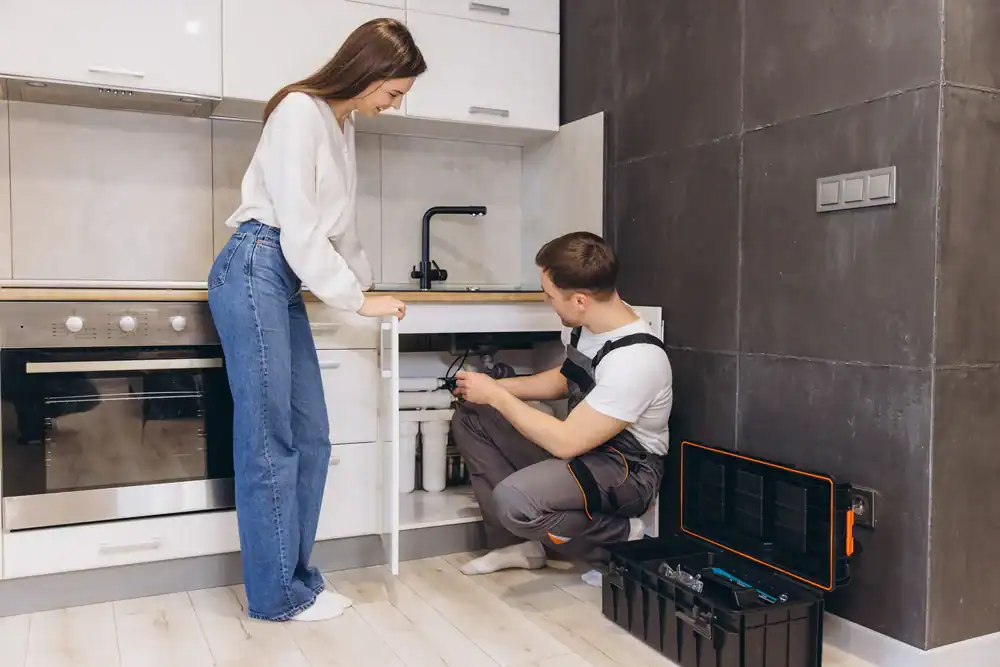
Installation is handled by our trained technicians. Because Poinciana spans both Osceola and Polk Counties, permitting requirements vary depending on which side of the county line your home sits on — and we handle that coordination as part of the process. After installation, we come back. That’s the part most companies skip. It’s the part that matters most.
Ready to get started?
The Toho Water Authority — Poinciana System is listed by name in the Environmental Working Group’s Tap Water Database, with documented concerns including chromium, mercury, elevated water hardness, trihalomethanes, and haloacetic acids. This is publicly available data that any Poinciana resident can look up themselves. The point is that your water has a specific profile, and the system addressing it should be built around that profile, not around whatever a national chain happens to stock in a warehouse.
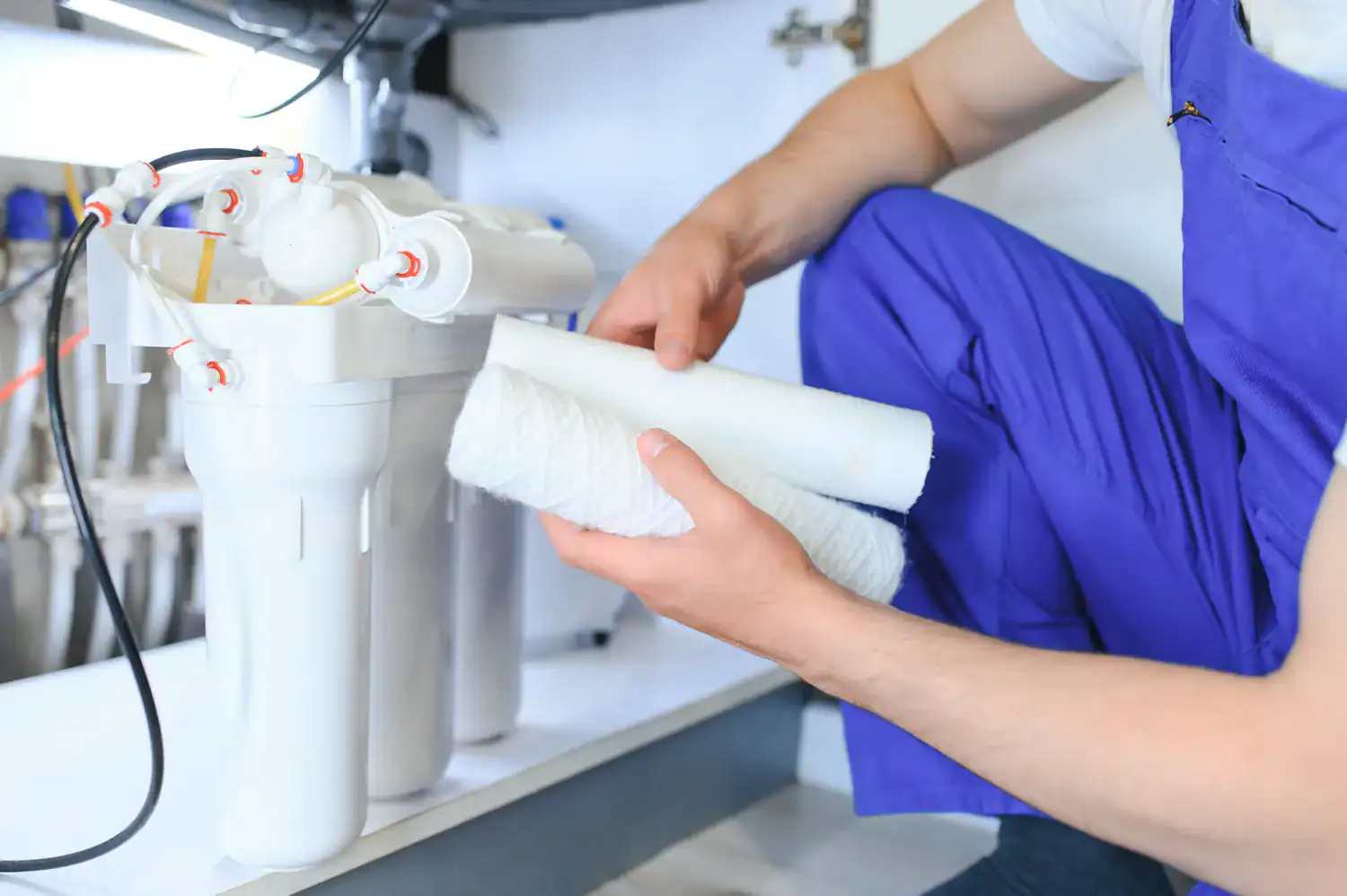
For most Poinciana homeowners, a whole-house approach combines a sediment pre-filter to catch particulates, an activated carbon filter to handle chlorine, taste, odor, and disinfection byproducts, and either a traditional water softener or a WQA-certified salt-free TAC conditioning system to address the hardness coming out of the Floridan Aquifer. For drinking water specifically, a reverse osmosis system installed at the kitchen tap takes care of dissolved contaminants including chromium and any remaining byproducts that carbon alone doesn’t fully eliminate.
For residents in Solivita or the established APV villages who are on fixed or retirement income, the long-term math matters: a properly installed whole-house system eliminates ongoing bottled water costs, reduces appliance repair frequency, and protects the plumbing in a home that represents a significant financial asset. Military veterans and first responders in Poinciana also receive a $500 discount — a real, applied reduction on the final invoice, not a promotional footnote.
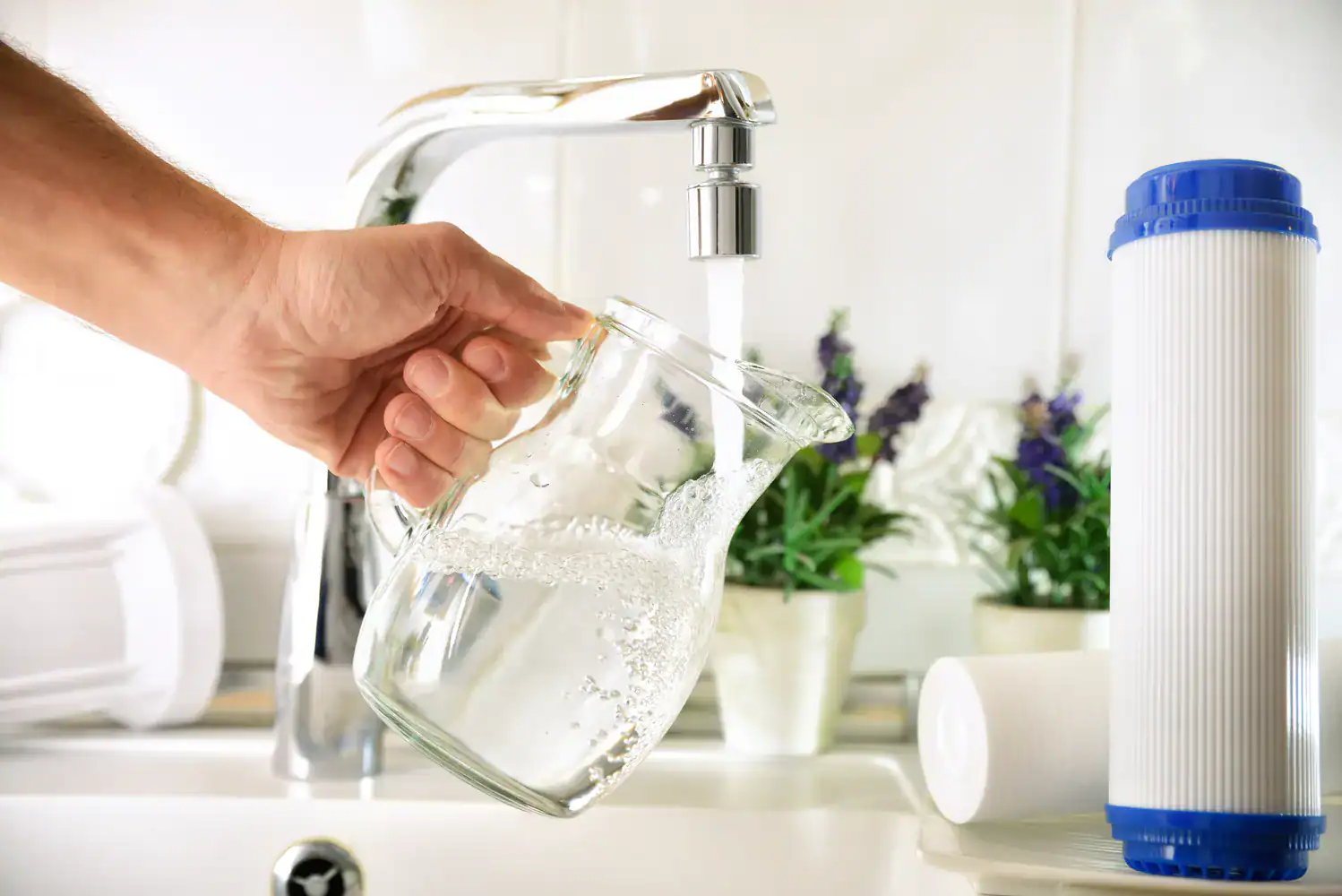
The Toho Water Authority — Poinciana System is documented in the Environmental Working Group’s Tap Water Database with several contaminants of concern. These include chromium (total), mercury, elevated water hardness, and disinfection byproducts — specifically trihalomethanes (TTHMs) and haloacetic acids (HAAs). TTHMs and HAAs form when the chlorine used during municipal water treatment reacts with naturally occurring organic matter in the source water. Both are classified as potential carcinogens by independent health researchers, and EWG’s health-based guidelines for these compounds are significantly stricter than the federal legal limits Toho Water Authority is required to meet.
Your water can pass every federal compliance test and still contain contaminants at levels that exceed what independent scientists consider safe. A free water analysis from us will give you the actual numbers for your specific Poinciana home and help you understand what, if anything, needs to be addressed.
Yes — and the damage is real, even if it’s slow. Poinciana’s water supply draws from the Floridan Aquifer, a massive underground limestone formation that spans much of Florida. As water moves through limestone, it dissolves calcium and magnesium, arriving at your tap with hardness levels that can range from 100 to 300 PPM across Central Florida. That’s considered hard to very hard by any standard measurement.
The practical effects in your Poinciana home are cumulative. Scale builds up inside your water heater, reducing its efficiency and shortening its lifespan. The same thing happens inside your dishwasher and washing machine. You’ll notice it on shower doors, faucets, and tile — that white, chalky residue that doesn’t fully wipe away. Soap and shampoo don’t lather the way they should. Laundry comes out stiffer. Over months and years in a Poinciana home, the cost in appliance repairs and replacements adds up. A whole-house water softener or salt-free conditioning system eliminates the problem at the source, protecting every fixture and appliance in the house from that point forward.
A pitcher filter or faucet attachment treats a small volume of water at a single point — usually just what you drink at the kitchen sink. That leaves everything else in your home untouched. Your shower water still carries chlorine and disinfection byproducts. Your washing machine still runs on hard water. Your water heater still accumulates scale. Your ice maker, your coffee maker, your dishwasher — all of them are still working with whatever comes straight out of the Toho Water Authority supply line.
A whole-house water filtration system installs at the main water line where it enters your home, so every faucet, every appliance, and every fixture receives treated water. For Poinciana homeowners dealing with hard water from the Floridan Aquifer and the disinfection byproducts documented in the TWA — Poinciana System, a point-of-entry solution is the only approach that actually addresses the problem at scale. It’s a more significant investment upfront, but it’s the only one that protects the whole house — including the appliances that represent thousands of dollars in replacement costs if hard water scale goes untreated.
Reverse osmosis (RO) is a filtration process that pushes water through a semi-permeable membrane, removing 95 to 99 percent of dissolved solids — including contaminants like chromium and the disinfection byproducts flagged in Poinciana’s Toho Water Authority supply. It’s one of the most effective technologies available for producing clean drinking water at the tap, and it’s typically installed as a point-of-use system under the kitchen sink rather than at the whole-house entry point.
A whole-house carbon filtration system handles chlorine, taste, odor, and most disinfection byproducts effectively. But for dissolved contaminants like chromium — which is present in the Toho Water Authority — Poinciana System — reverse osmosis provides a level of removal that carbon alone doesn’t fully achieve. For families with young children, or for Poinciana residents who want the cleanest possible drinking water at the kitchen tap, pairing a whole-house system with an under-sink RO unit gives you the most complete coverage. Your water analysis results will tell you whether RO is genuinely necessary for your specific water, or whether a whole-house carbon system covers your needs on its own.
Yes — and this is one of the more meaningful differences between us and many of the companies operating in the Poinciana area. One of the most common frustrations homeowners have with water treatment companies is buying a system and then being unable to reach anyone for maintenance, filter replacements, or repairs. It’s a documented pattern in this industry, and it’s particularly frustrating when you’ve made a significant investment in your home’s water quality.
We service what we install, and we also service systems installed by other companies — including national brands. If you moved into a home in one of the APV villages or the Stepping Stone development and inherited a system you’re not sure about, or if you bought from a company that’s since become unreachable, we will come out, assess the system, and get it running correctly. Poinciana spans both Osceola and Polk Counties, and we service both sides. You don’t need to have purchased from us originally to get that support.
Please provide your email address so that we can stay in touch and answer any questions you have! We will be reaching back out shortly.
"*" indicates required fields