Reach Out Today
Please provide your email address so that we can stay in touch and answer any questions you have! We will be reaching back out shortly.

Hear from Our Customers
Your water stops tasting like chlorine. Your skin doesn’t feel tight after a shower. Your appliances last longer because they’re not fighting mineral buildup every day.
That’s what happens when you install a water filtration system designed for Plymouth’s specific water issues. Central Florida water comes with high chlorine levels, sediment, and minerals that create problems you’re probably already dealing with—soap scum that won’t quit, water heaters that die early, and faucets that clog.
A properly installed system handles all of it. Reverse osmosis systems give you clean drinking water at the tap. Activated carbon filtration removes chlorine and improves taste. Whole-house systems protect your plumbing, your appliances, and your investment. You’re not just filtering water—you’re preventing expensive repairs and making your home work better.
We specialize in whole-house water purification for Plymouth homeowners. We’re members of the National Water Quality Association, hold an A+ rating with the Better Business Bureau, and we’ve built our reputation on actually servicing what we install.
That last part matters because too many national companies sell systems and disappear. We don’t. We’re local, we’re accountable, and we focus exclusively on water treatment—no plumbing side jobs, no water heaters, just filtration systems that work.
We also support the Tunnels to Towers Foundation and offer a $500 discount to military members and first responders. Plymouth families trust us because we show up, we know Florida water, and we don’t oversell you on equipment you don’t need.
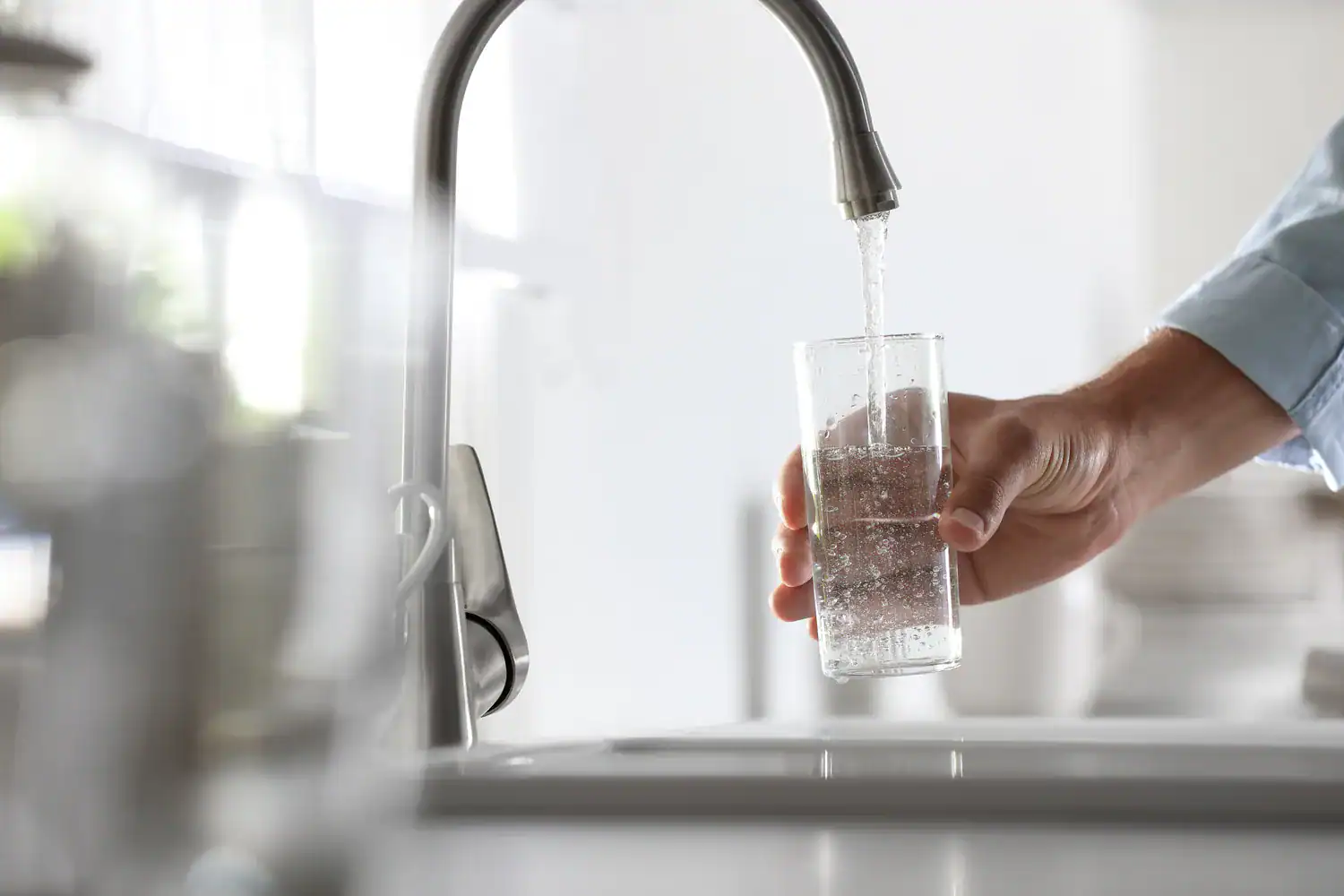
We start with drinking water quality testing. That tells us exactly what’s in your water—chlorine levels, sediment, heavy metals, hardness. No guessing, no generic recommendations.
From there, we design a system that matches your home and your water. That might be an under-sink filter installation for drinking water, a whole-house activated carbon filtration system, or a combination setup with UV water purification if you’re on well water. Every home is different.
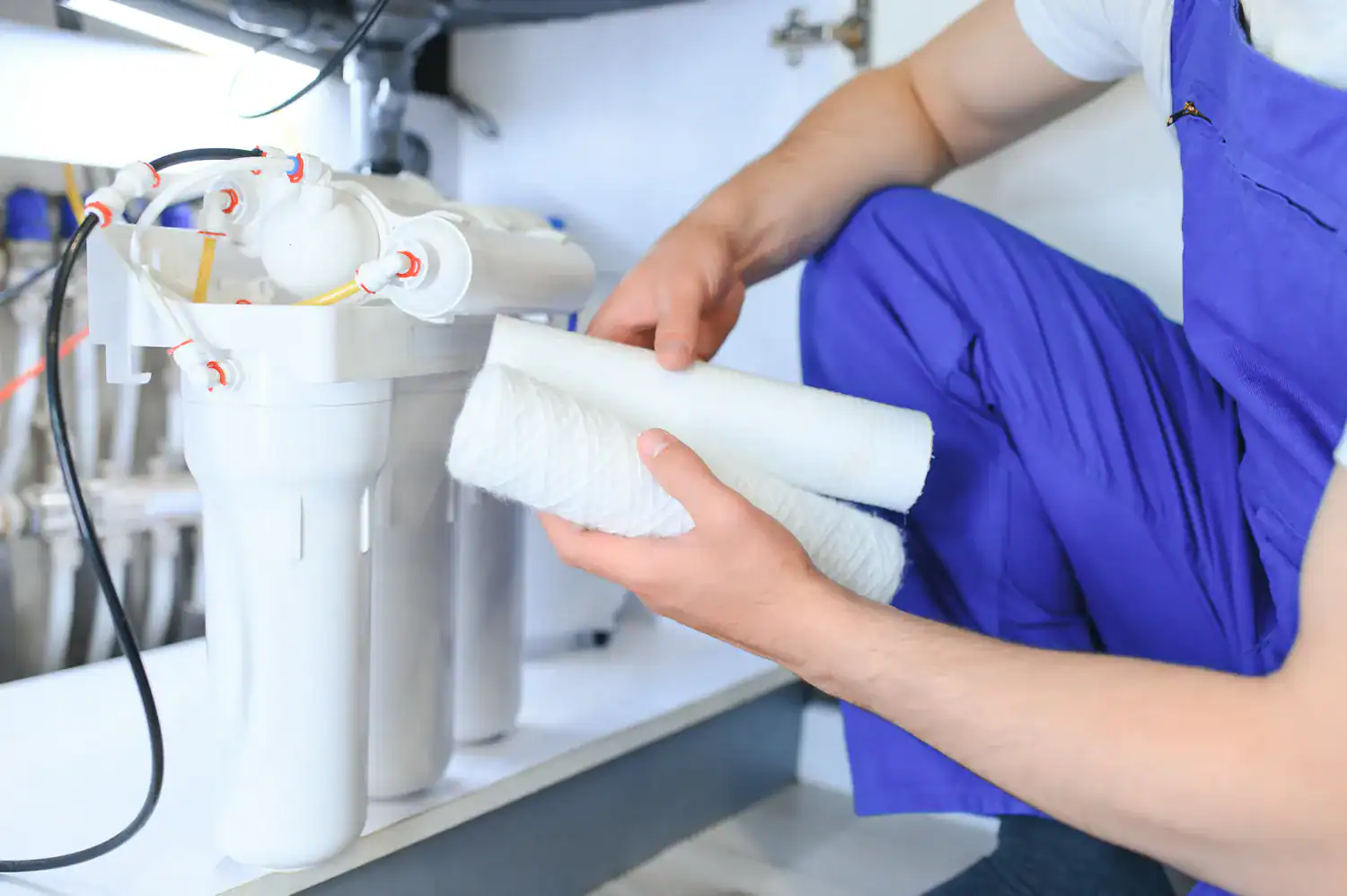
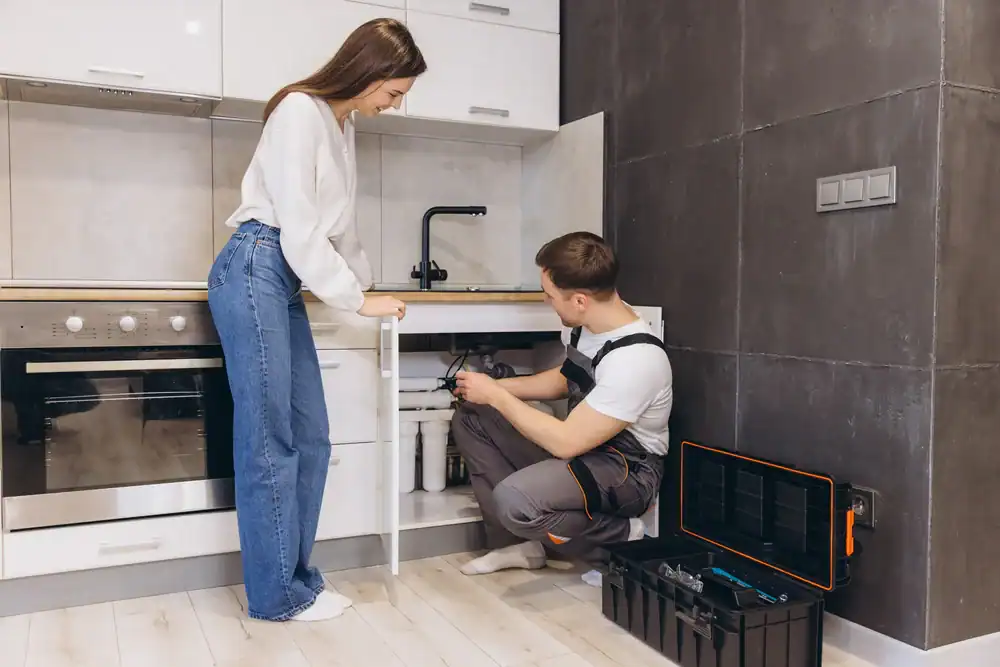
Installation is straightforward. Our certified technicians handle everything, test the system, and walk you through how it works. You’ll know how to maintain it, when filters need changing, and how to reach us if something comes up.
After installation, you’ve got support. We service what we sell, and we’re available when you need us. Most systems we install have long filter lives—some go years between changes—but when it’s time, we handle it.
Ready to get started?
Plymouth water comes from municipal sources that treat for safety but leave chlorine, minerals, and sediment behind. Those contaminants affect taste, damage appliances, and create buildup in your pipes. A water filtration system removes what the city doesn’t.
Reverse osmosis systems are the gold standard for drinking water. They remove up to 99% of contaminants, including heavy metals, fluoride, and dissolved solids. You get clean water at your kitchen sink without buying bottled water every week.
Activated carbon filtration handles chlorine, odors, and organic compounds. It’s what makes your water taste normal again. Whole-house systems install at your main water line and treat everything—showers, laundry, dishwasher, all of it.
If you’re on well water, UV water purification kills bacteria and viruses without chemicals. It’s a smart add-on that keeps your water safe without changing the taste or adding anything to your system.
We also handle hard water with softening systems that prevent scaling in your pipes and appliances. That extends the life of your water heater, washing machine, and dishwasher by up to 30%. You’ll use less soap, spend less time cleaning, and avoid costly repairs.
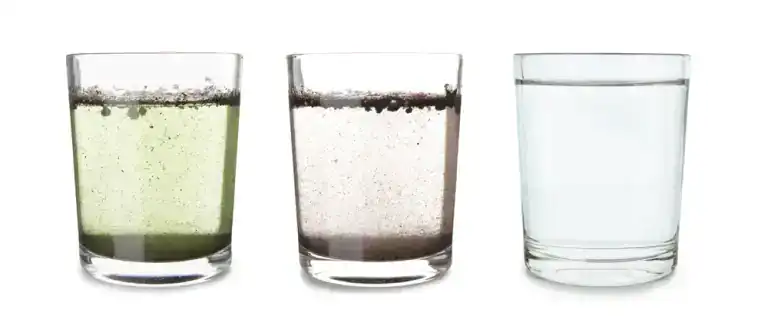
You start with a water test. That’s the only way to know what’s actually in your water and what needs to be removed.
We test for chlorine, hardness, sediment, heavy metals, and other contaminants specific to Plymouth’s water supply. Once we have results, we recommend a system based on your water quality and your goals. If you just want better drinking water, an under-sink reverse osmosis system works. If you’re dealing with hard water damage, soap scum, and appliance issues, a whole-house system makes more sense.
Most Plymouth homes benefit from a combination approach—a whole-house filter for chlorine and sediment, plus a reverse osmosis system at the kitchen sink for drinking water. We don’t push equipment you don’t need. We show you what the test says and explain what each system does.
Reverse osmosis removes more contaminants, but it’s slower and typically used for drinking water. Carbon filters work faster and handle chlorine, taste, and odor across your whole house.
A reverse osmosis system pushes water through a semi-permeable membrane that blocks dissolved solids, heavy metals, fluoride, and other tiny contaminants. It’s thorough, but it produces water slowly, so it’s usually installed under your kitchen sink with a small storage tank.
Activated carbon filtration uses a different method. Water flows through carbon media that absorbs chlorine, organic compounds, and chemicals that affect taste and smell. It works at higher flow rates, so it’s ideal for whole-house systems where you need filtered water at every tap. Many homes use both—carbon filtration for the whole house and reverse osmosis at the kitchen sink for drinking water.
It depends on the system, but most whole-house filters last six months to a year. Reverse osmosis systems need filter changes annually, with membrane replacements every few years.
Carbon filters handle a lot of water before they’re saturated. In a typical Plymouth home, you’re looking at 6-12 months depending on water usage and quality. Some advanced systems we install have filter lives up to seven years with minimal maintenance.
Reverse osmosis systems have multiple filter stages. Pre-filters and carbon filters change once a year. The RO membrane itself lasts 2-3 years if the pre-filters are maintained. We set up reminders and handle replacements if you want—most customers prefer that.
UV systems need annual bulb replacements. Water softeners need salt refills every few months, depending on your water hardness and usage. We walk you through the maintenance schedule during installation so there are no surprises.
Not if it’s sized correctly. Whole-house systems are designed to maintain flow rates that keep your showers, faucets, and appliances working normally.
Pressure drop happens when a system is undersized for your home’s water demand or when filters are clogged and overdue for replacement. We size systems based on your home’s plumbing and peak water usage to avoid that issue.
Reverse osmosis systems at the kitchen sink do work slower because of how thorough the filtration is, but that’s why they include a storage tank. You get filtered water on demand without waiting. The rest of your home’s water pressure stays the same.
If you’re already dealing with low water pressure, that’s often a sign of mineral buildup in your pipes—something a water softener or whole-house filter actually helps fix over time. We measure your current pressure during the consultation so you know what to expect.
Yes. Activated carbon filtration removes chlorine taste and odor completely. It’s one of the most noticeable improvements homeowners mention after installation.
Plymouth’s municipal water is treated with chlorine for safety, but that chlorine stays in the water when it reaches your home. It affects the taste of your drinking water, coffee, and cooking. It also dries out your skin and hair in the shower.
A whole-house carbon filter removes chlorine at the point where water enters your home, so every tap delivers better-tasting, better-feeling water. If you only want to treat drinking water, an under-sink carbon or reverse osmosis system handles it at the kitchen sink.
The difference is immediate. Your water tastes clean, your ice cubes don’t have that chemical flavor, and you’ll actually want to drink tap water again.
Please provide your email address so that we can stay in touch and answer any questions you have! We will be reaching back out shortly.
"*" indicates required fields
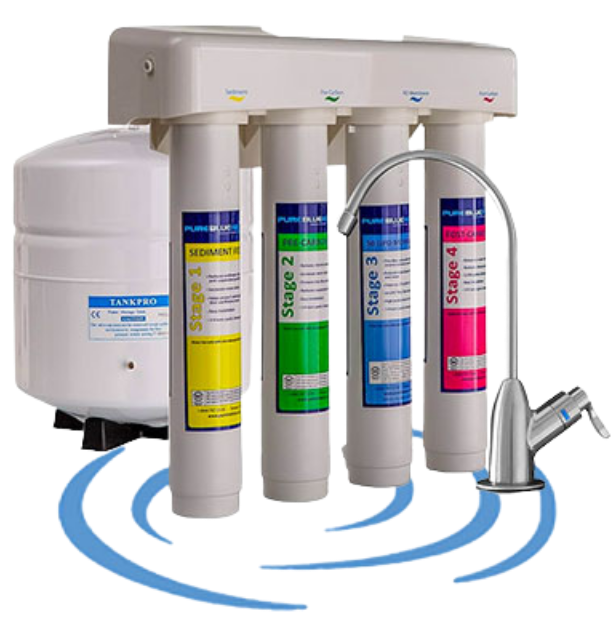
Get a free reverse osmosis drinking water system with the purchase of any whole-home water purification system.
*Cannot be combined with other offers. Mention this special when you call.