Reach Out Today
Please provide your email address so that we can stay in touch and answer any questions you have! We will be reaching back out shortly.


Hear from Our Customers

Your skin stops feeling dry and tight after every shower. Your hair doesn’t look flat and lifeless anymore because chlorine isn’t stripping it every time you rinse.
Your dishwasher and water heater last years longer because hard water scale isn’t building up inside them. You’re not replacing appliances early or calling a plumber to fix corroded pipes.
Your water doesn’t taste like a swimming pool. You’re not buying bottled water by the case or dealing with that gritty film in your tub. And you’re not wondering what’s actually in the water your kids are drinking—because you already know it’s been filtered down to what matters.
We’re a local water treatment company serving North and Central Florida, and we don’t sell systems off a script. Every installation starts with a free in-home water analysis—because what works in Orlando might not work here.
Park Lake/Highland water contains detectable levels of arsenic, barium, radium, lead, and nitrates according to Lakeland’s 2020 Annual Water Report. That’s not a scare tactic—it’s in the public record. We design reverse osmosis systems and whole-house filtration around those specific contaminants, plus whatever shows up in your individual test.
We’re A-rated with the Better Business Bureau, members of the National Water Quality Association, and we actually service what we install. That’s the difference.
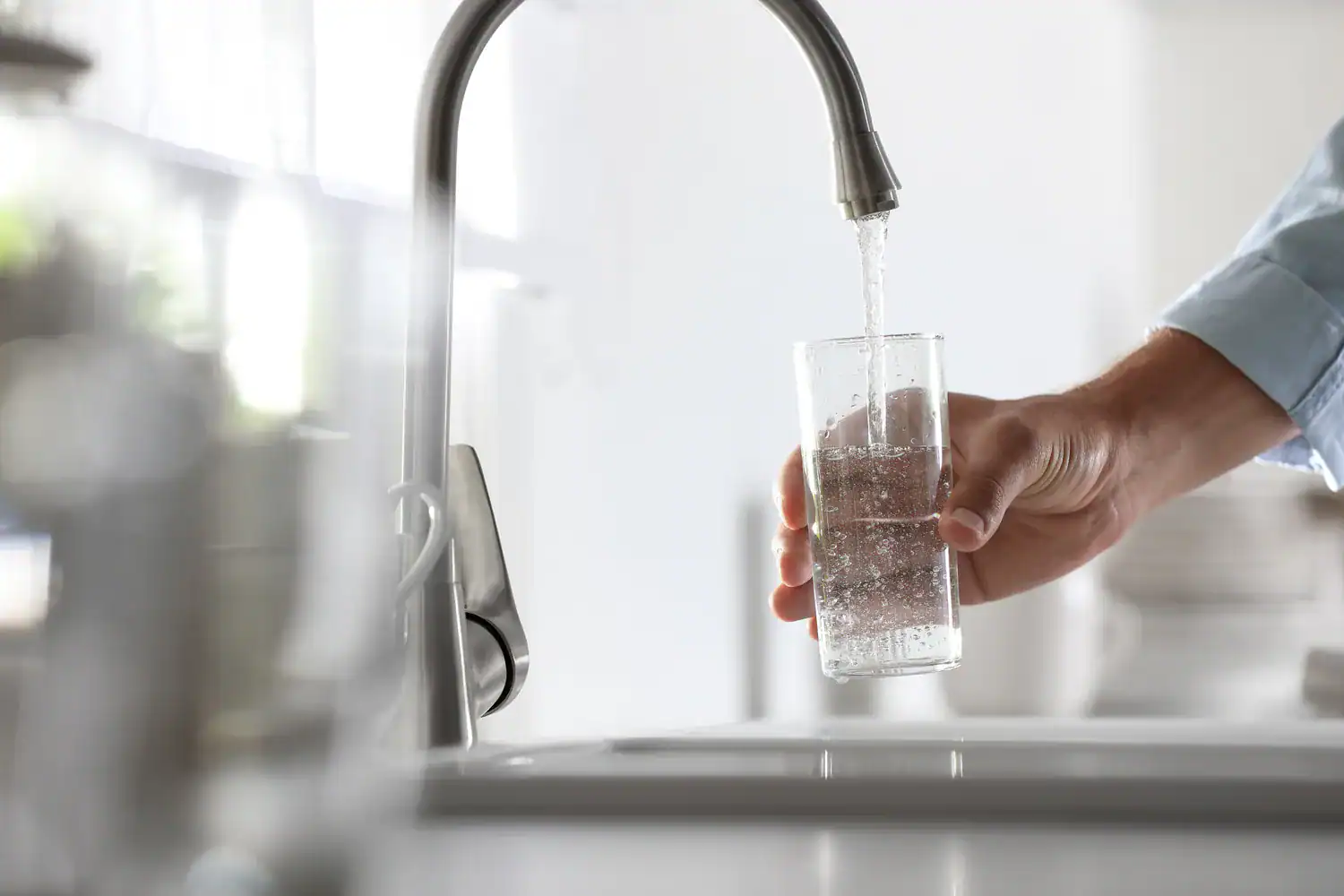
We start with a free water test at your home. Not a basic hardness check—a real analysis that shows what’s in your water and at what levels.
Once we know what we’re dealing with, we design a system based on your home size, daily water usage, and the contaminants we found. That might mean a whole-house activated carbon filtration system, a point-of-use reverse osmosis system under your sink, or UV water purification if bacteria is a concern. It depends on your water—not our inventory.
Installation happens fast, and we walk you through how the system works and what maintenance looks like. Most whole-house systems need a filter change once or twice a year. That’s it. We handle servicing for all makes, so even if you didn’t buy from us, we’ll keep it running.
Ready to get started?
You’re getting a water filtration system designed around what’s actually in your water—not what a national sales rep assumes is there. That means every faucet, every shower, every appliance gets filtered water as soon as it enters your home.
In Park Lake/Highland, that usually means addressing chlorine, arsenic, radium, and nitrates. Chlorine makes your water taste and smell like a pool. Arsenic and radium are linked to long-term health risks. Nitrates come from agricultural runoff—Polk County has a lot of farmland, and that runoff ends up in the water supply.
A properly designed system removes up to 99.9% of those contaminants. You’ll notice it immediately—better-tasting water, softer skin, cleaner dishes. But the bigger benefit is what you don’t see: appliances that last longer, plumbing that doesn’t corrode, and peace of mind that what your family is drinking is actually safe.
We also offer under-sink filter installation if you just want clean drinking water at one tap. It’s a smaller investment and still uses reverse osmosis to remove the heavy stuff.
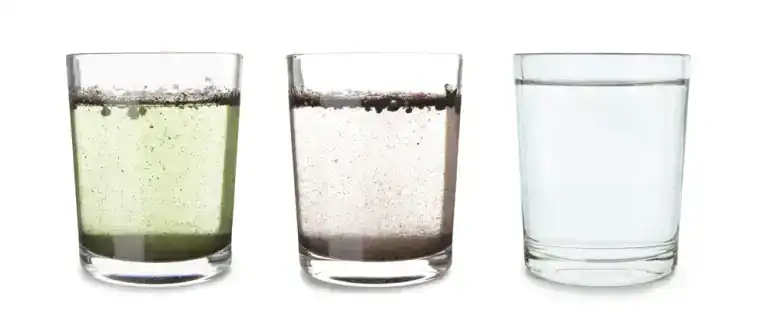
According to Lakeland’s 2020 Annual Water Report, local water contains detectable levels of arsenic, barium, chlorine, radium, lead, copper, and nitrates. Those aren’t trace amounts—they’re measurable and documented.
Chlorine is added during treatment and makes your water smell and taste like a pool. Arsenic and radium occur naturally in Florida’s limestone aquifer. Nitrates come from agricultural runoff—Polk County has heavy farming activity, and pesticides like atrazine and glyphosate have been found in local water supplies.
None of this means your water is illegal or unsafe by EPA standards. But “legal” and “clean” aren’t the same thing. A whole-house water filtration system removes these contaminants before they reach your tap, your shower, or your appliances.
It depends on what’s in your water and how much water your household uses daily. Systems typically range from around $1,500 to $8,000 depending on the level of filtration you need.
A basic activated carbon filtration system that removes chlorine and sediment is on the lower end. If your water test shows arsenic, radium, or nitrates, you’ll need a more advanced reverse osmosis system or a combination setup—that’s where the cost goes up.
But here’s the thing: a good system pays for itself. Hard water destroys water heaters, dishwashers, and washing machines. Scale buildup makes them work harder and fail sooner. Replacing a water heater costs $1,200 to $2,000. Replacing a dishwasher costs $800 or more. A filtration system prevents that damage and extends the life of everything that uses water in your home.
Yes. You wouldn’t buy prescription glasses without an eye exam, and you shouldn’t buy a water filtration system without knowing what’s in your water.
Every home’s water is different—even in the same neighborhood. One house might have high chlorine and hardness. Another might have arsenic or lead from old pipes. A third might have bacteria in a private well.
We test your water for free because we need to know what we’re filtering. If you don’t need a $6,000 reverse osmosis system, we’re not going to sell you one. If your water test shows contaminants that a basic carbon filter won’t remove, we’ll tell you that too. The test takes about 30 minutes and gives you a full breakdown of what’s in your water and at what levels.
Yes—if hard water or scale buildup is the problem. Hard water contains high levels of calcium and magnesium. When water heats up, those minerals form scale inside your water heater, dishwasher, and washing machine.
Scale makes appliances work harder. Your water heater has to use more energy to heat water through a layer of buildup. Your dishwasher’s heating element gets coated and burns out sooner. Your washing machine’s valves and hoses clog and crack.
A water softener or whole-house filtration system removes those minerals before they enter your plumbing. That means no scale, less wear, and appliances that last years longer. Most water heaters are rated for 10 to 12 years—but in homes with untreated hard water, they fail in 6 or 7. Filtration fixes that.
A whole-house system filters water as it enters your home—so every faucet, shower, toilet, and appliance gets filtered water. An under-sink system only filters water at one tap, usually in the kitchen.
Whole-house systems use activated carbon filtration or a combination of carbon and reverse osmosis to remove chlorine, sediment, heavy metals, and other contaminants. We install them on your main water line and they treat all the water you use.
Under-sink systems are point-of-use filters. They’re smaller, less expensive, and typically use reverse osmosis to purify drinking water. If you’re mainly concerned about what you’re drinking and cooking with—and you’re okay with unfiltered water in your shower and appliances—an under-sink filter works. But if you want clean water everywhere, you need a whole-house system.
Please provide your email address so that we can stay in touch and answer any questions you have! We will be reaching back out shortly.
"*" indicates required fields