Reach Out Today
Please provide your email address so that we can stay in touch and answer any questions you have! We will be reaching back out shortly.


Hear from Our Customers
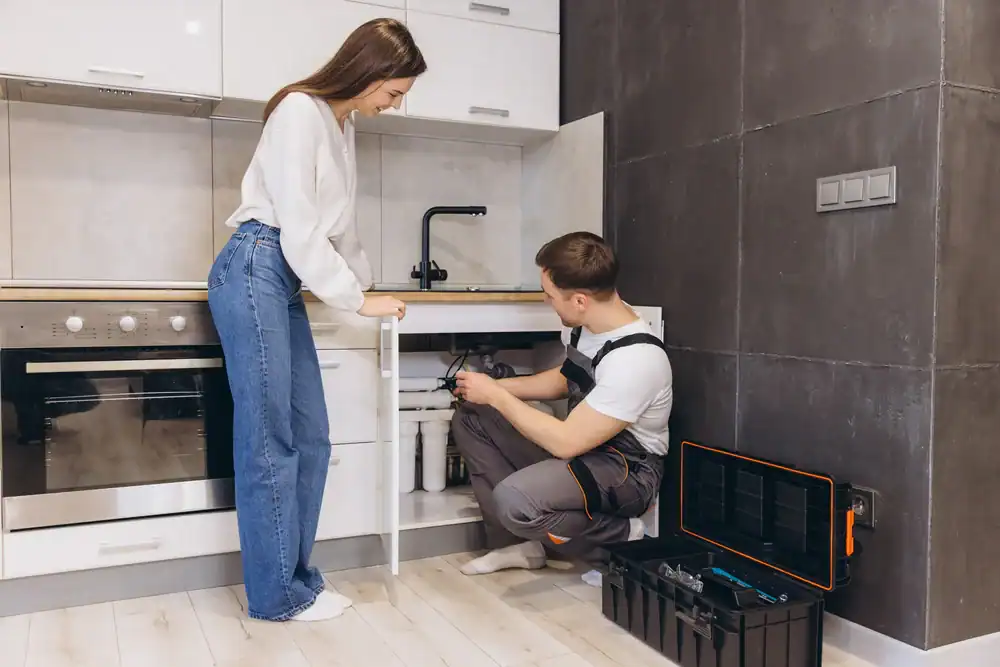
The Floridan Aquifer supplies every drop of water flowing into Pallo Alto homes. It’s a limestone-based system, which means the water it produces is naturally loaded with calcium and magnesium — the minerals behind the white crust on your shower door, the spots on your dishes, and the scale building up inside your appliances right now. A whole-house water filtration system stops that process at the source, before the water ever reaches your fixtures, your water heater, or your dishwasher.
For homeowners in Pallo Alto — many of whom have invested significantly in their homes along the Tierra Del Sol golf course corridor — hard water isn’t just a nuisance. It’s an active drain on appliance lifespan and home value. Scale buildup reduces the efficiency of water heaters, clogs refrigerator ice makers, and shortens the life of washing machines. Fixing the water fixes all of that at once.
Beyond hardness, independent water quality analyses of Villages-area utilities have detected disinfection byproducts like haloacetic acids and trihalomethanes — contaminants formed when chlorine interacts with organic matter in the water supply. The federal legal limit for haloacetic acids sits at 60 parts per billion. The health guideline based on current science is 0.1 parts per billion. That’s a 600-fold gap between legal and safe. A properly designed drinking water filter — particularly a reverse osmosis system — closes that gap at the kitchen tap, where it matters most.
We’ve been installing and servicing water treatment systems across Central Florida for more than 50 years. That means we were treating Floridan Aquifer water long before the first home on Pallo Alto Avenue was built. We know this water — not from a brochure, but from decades of real installations across Sumter, Marion, and Lake counties, including the specific profile that feeds into Pallo Alto’s utility zones.
Our approach is straightforward: test the water first, recommend a system second. Every recommendation follows a real laboratory-grade water analysis specific to your home’s tap. No theatrical drop tests, no pre-selected systems, no pressure. Just data and an honest conversation about what your water actually needs.
We hold an A rating with the Better Business Bureau with a 5-star score and zero complaints — which, in an industry the Florida Attorney General has had to police for fraud, is not a small thing. We’re also members of the National Water Quality Association, a credential that requires passing a comprehensive exam and committing to a formal code of ethics. And when something needs service down the road, we’ll be there — because we service what we sell, and we service what everyone else sold you too.
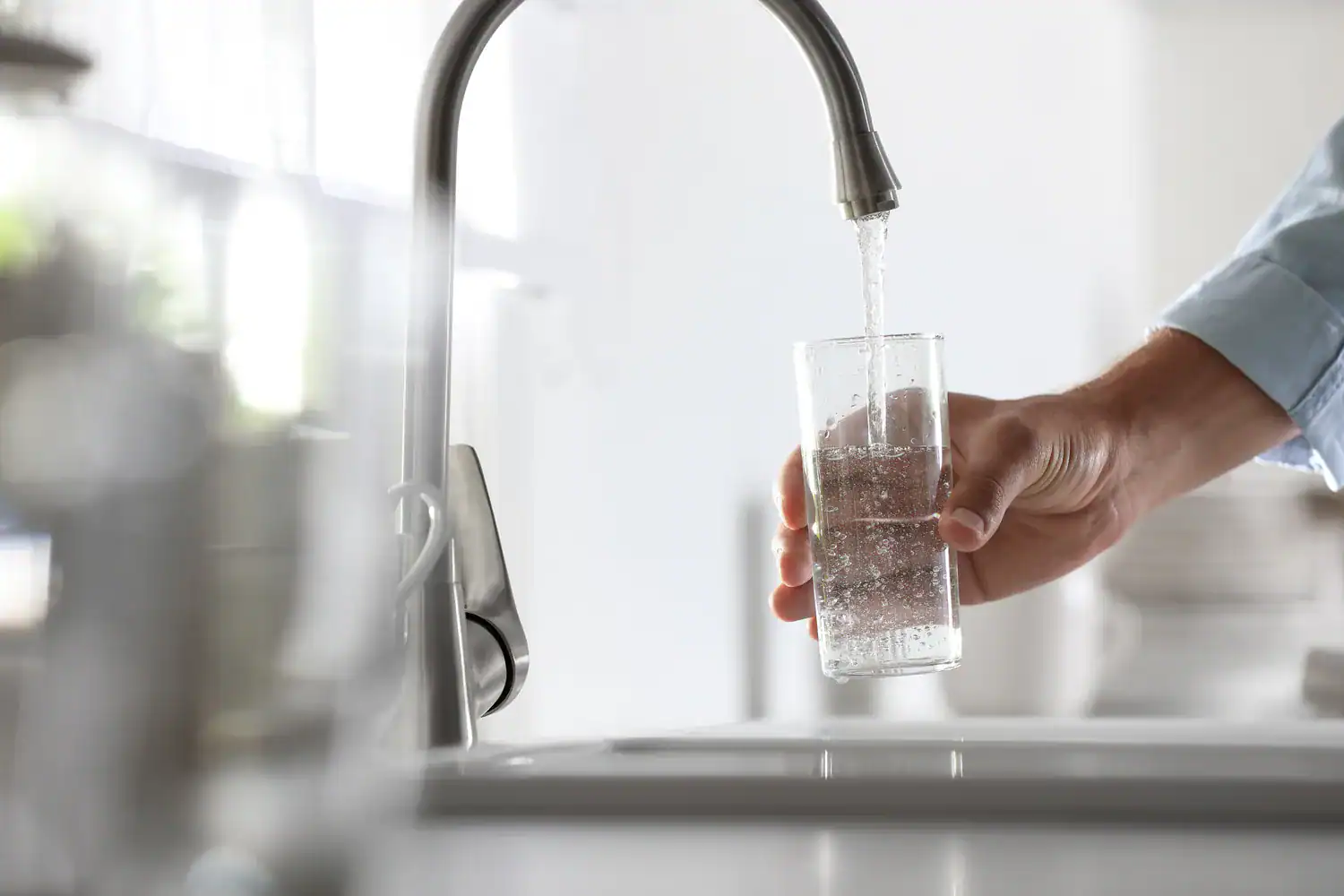
It starts with a free water analysis at your home. A technician comes to your Pallo Alto address, collects a sample directly from your tap, and tests for the specific contaminants most common in Villages-area water — hardness, dissolved solids, pH, iron, manganese, and disinfection byproducts. This isn’t a sales demo. It’s a real test with real results that tell you exactly what’s in your water and at what levels.
From there, a system is recommended based on what the analysis actually shows — not what’s most profitable to sell. For most Pallo Alto homes drawing from the Floridan Aquifer through North Sumter County or Little Sumter Utilities, that typically means a whole-house filtration system to address hardness and sediment, combined with a reverse osmosis drinking water system under the kitchen sink for the contaminants that matter most at the point of consumption. If your home already has a system from a previous owner or a national chain, we’ll assess that too and tell you honestly whether it’s working, needs service, or should be replaced.
Installation is handled by licensed, experienced technicians. We manage all applicable Florida licensing and permitting requirements — you don’t have to navigate that. Once the system is in, we walk you through how it works, what to expect, and when to schedule your next service. The relationship doesn’t end at the invoice.
Ready to get started?
The water coming into your Pallo Alto home has a specific profile — high hardness, disinfection byproducts from chlorination, and in some Villages-area utility zones, trace levels of manganese and other dissolved solids. A system designed for that profile looks different from a one-size-fits-all product sold by a national chain. We custom-design every installation around your actual water analysis results.
For whole-house protection, that usually means a multi-stage filtration system that handles sediment removal first, then targets hardness minerals and any additional contaminants specific to your water. For drinking water, a reverse osmosis system installed under the kitchen sink removes 95 to 99 percent of dissolved solids — including the disinfection byproducts that show up in Villages-area water reports at levels well above current health guidelines. Activated carbon filtration is often incorporated to address chlorine taste and odor, which many Pallo Alto residents notice during Florida’s summer months when utilities increase disinfectant dosing.
Pallo Alto homes date back to approximately 1996, which means some of the oldest plumbing in the neighborhood is now approaching 30 years old. At that age, scale buildup inside pipes is a real issue — not a hypothetical one. A whole-house system installed today protects whatever working life is left in that infrastructure and extends the lifespan of every appliance connected to it. We also service all major brands, so if there’s an existing system in the home that hasn’t been touched in years, we can assess and service it regardless of who installed it.
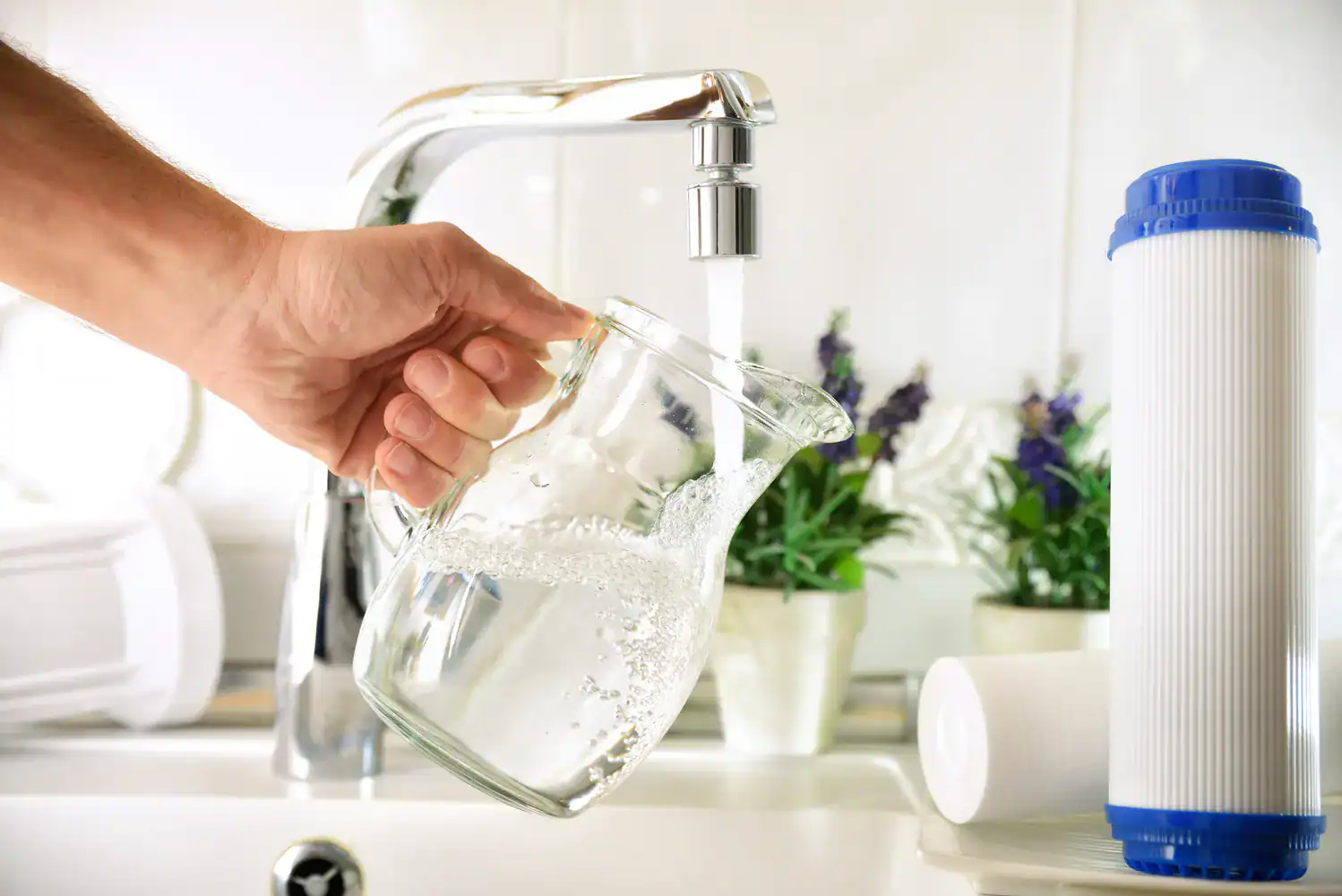
Technically, yes — Villages-area water meets federal Safe Drinking Water Act standards. But that answer leaves out some important context. Federal legal limits for many tap water contaminants haven’t been updated in nearly 20 years, and the gap between what’s legally allowed and what current health science considers safe can be significant. For haloacetic acids alone — disinfection byproducts detected in North Sumter Utility water that serves Pallo Alto — the federal limit is 60 parts per billion, while independent health guidelines put the safe threshold at 0.1 parts per billion.
For most healthy adults, short-term exposure at these levels isn’t an immediate crisis. But for retirees managing their health carefully over the long term, that gap matters. The honest answer is that a free water analysis will tell you exactly what’s in your specific Pallo Alto tap water — not the utility average, but your home’s actual results. That’s the only way to make an informed decision about whether filtration makes sense for you.
Water hardness in Central Florida’s Floridan Aquifer typically ranges from 100 to 300 parts per million, depending on the specific well and utility zone. Pallo Alto draws from this same aquifer system, and the hardness levels here are consistent with what you’d find across The Villages — high enough to cause visible and invisible damage over time.
Visibly, hard water shows up as white scale on shower doors, spots on dishes and glassware, and mineral deposits around faucets and fixtures. Invisibly, it’s building up inside your water heater, reducing its efficiency and shortening its lifespan. It’s coating the heating elements in your dishwasher and the internal components of your washing machine. For a home in Pallo Alto that’s been on Floridan Aquifer water since the mid-to-late 1990s, that’s decades of accumulation. A whole-house water softening or filtration system stops the process going forward and, in many cases, helps flush existing buildup as treated water moves through the system.
Reverse osmosis forces water through a semi-permeable membrane that blocks dissolved solids, heavy metals, and most chemical contaminants — removing 95 to 99 percent of what’s in the water before it reaches your glass. It’s the most thorough point-of-use filtration method available for residential drinking water, and it’s particularly well-suited to water profiles like what’s found in Pallo Alto and the broader Villages area.
Whether you need it depends on what’s in your water. Independent analyses of Villages-area utilities have detected haloacetic acids, trihalomethanes, and in some zones, manganese — contaminants that a standard activated carbon filter won’t fully address but that a reverse osmosis system handles effectively. If you’re currently buying bottled water because you don’t trust or don’t like the taste of your tap, an under-sink RO system typically pays for itself within two to three years in bottled water savings alone. A professionally installed system runs between $1,000 and $4,000, with most homeowners landing around $2,500 depending on the configuration.
Not necessarily — but you should know whether what you have is actually working. Many homes in The Villages were sold with water treatment systems installed by previous owners or national companies, some of which are no longer in business or no longer servicing this area. A system that hasn’t been maintained — filters changed, membranes replaced, salt levels managed — can actually become a source of contamination rather than protection.
We’ll assess whatever system is currently in your Pallo Alto home, regardless of who made it or who installed it. We service all major brands, not just our own installations. If the system is in good shape and just needs routine maintenance, we’ll service it and set you up on a schedule. If it’s past its useful life or was never the right fit for your water profile, we’ll tell you that too — along with what a properly designed replacement would look like. The starting point is always an honest assessment, not an automatic sales pitch for something new.
It can, and it’s worth paying attention to. The Southwest Florida Water Management District declared a Modified Phase II Severe Water Shortage for Marion and Sumter counties — which includes Pallo Alto — running from February through July 2026. During drought conditions, reduced rainfall means less dilution of the minerals and dissolved solids naturally present in the Floridan Aquifer. That can translate to higher hardness concentrations and elevated levels of other dissolved solids in your tap water during the dry months.
Florida’s dry season already runs roughly October through May, which overlaps significantly with the current shortage declaration. If you’ve noticed your water tasting or smelling different lately, or if scale buildup seems worse than usual, that’s consistent with what drought conditions do to aquifer-sourced water. A water analysis done now will give you a current, accurate picture of what’s in your Pallo Alto water under these conditions — which is the most useful baseline for deciding whether and what kind of filtration makes sense.
Please provide your email address so that we can stay in touch and answer any questions you have! We will be reaching back out shortly.
"*" indicates required fields
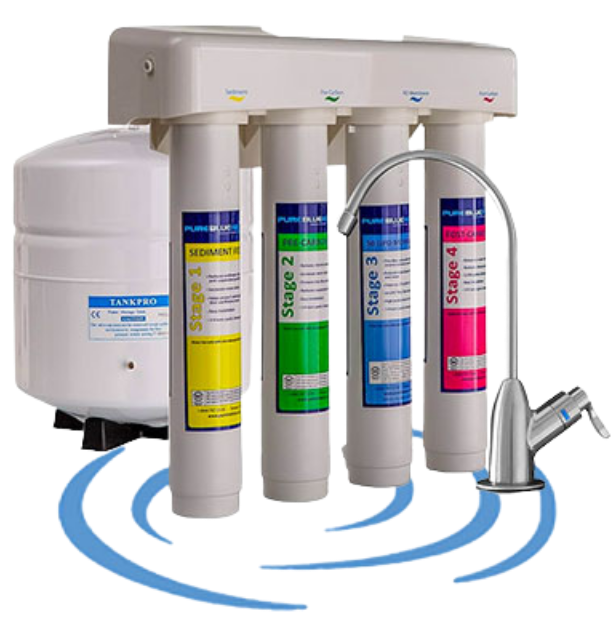
Get a free reverse osmosis drinking water system with the purchase of any whole-home water purification system.
*Cannot be combined with other offers. Mention this special when you call.