Reach Out Today
Please provide your email address so that we can stay in touch and answer any questions you have! We will be reaching back out shortly.

Hear from Our Customers
You get water you can trust. No more buying cases of bottled water or wondering if what’s coming out of your tap is safe for your kids to drink.
Your appliances last longer because hard water isn’t destroying them from the inside out. Your dishwasher, washing machine, and water heater stop fighting mineral buildup that clogs valves and shortens their lifespan.
Your skin and hair feel better. Ocala Ridge water is notoriously hard because of the limestone and calcium-rich rock in the Floridan Aquifer, and that roughness shows up on your body every time you shower. A proper water filtration system changes that.
You save money over time. Families spending $100 a month on bottled water are paying $1,200 a year for water that contains more microplastics than filtered tap water. A whole-house system or reverse osmosis setup pays for itself, usually within two to four years.
We’ve been installing water filtration systems across Florida for over five decades. We’re A-rated with the Better Business Bureau, hold a 5-star rating with zero complaints, and we’re members of the National Water Quality Association.
We don’t do plumbing. We don’t install water heaters. We focus on one thing: making sure your water is clean, safe, and properly treated for your home and your family.
Ocala Ridge homeowners deal with specific water issues. The city serves over 65,000 residents with water that meets legal standards but fails independent health guidelines. Seven contaminants exceed recommended levels, and the overall quality earns a C- grade when measured against medical organizations’ benchmarks. We design systems based on what’s actually in your water, not a one-size-fits-all approach.
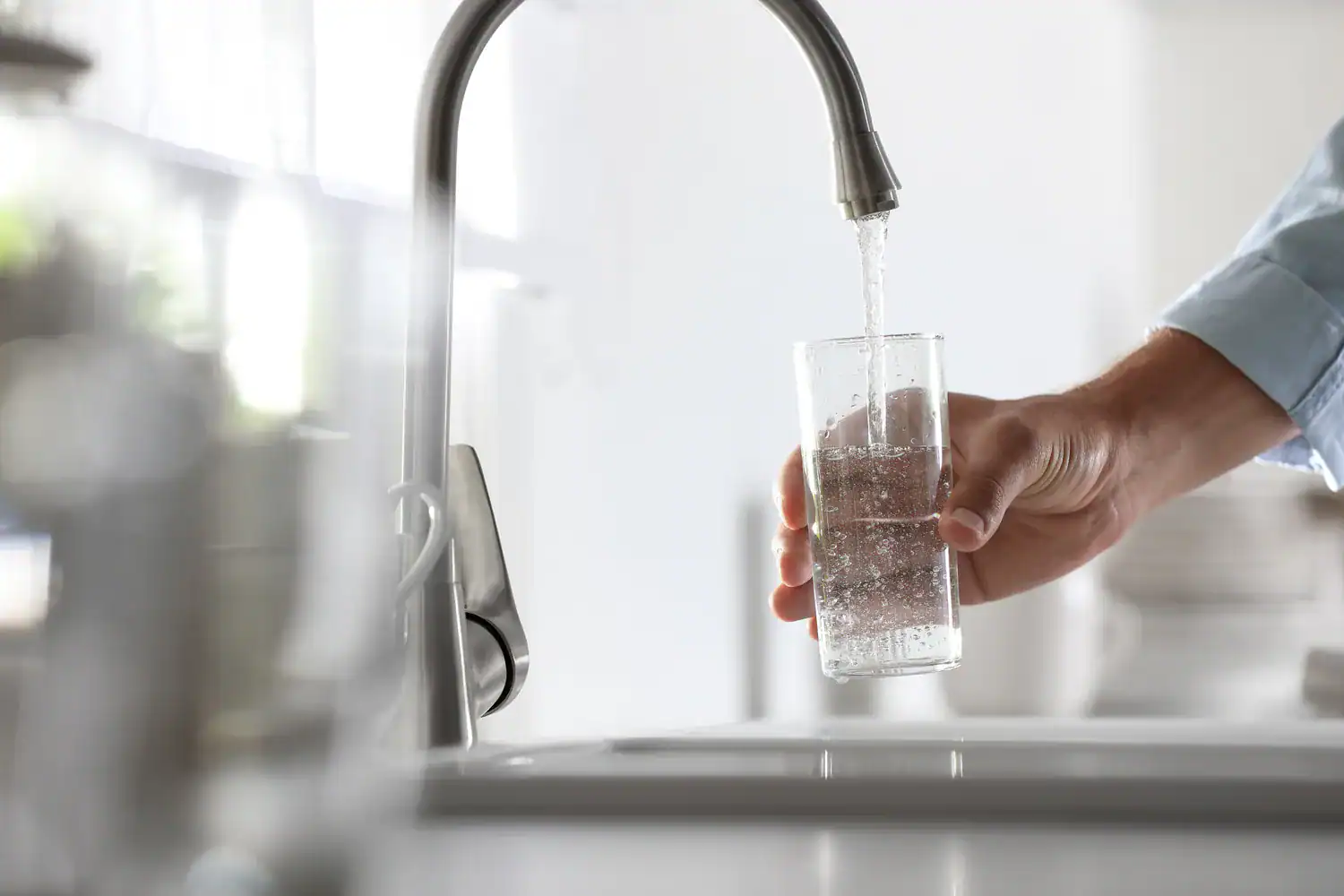
First, we test your water. Not a guess, not an assumption—a real analysis that tells us what contaminants you’re dealing with and how hard your water actually is.
Then we design a system based on your results and your household’s water usage. If you need whole-house filtration to handle sediment and chlorine throughout your home, we’ll recommend that. If you need an under-sink reverse osmosis system for drinking water quality testing and purification, we’ll build that into the plan. If UV water purification makes sense to kill bacteria and waterborne organisms, we’ll include it.
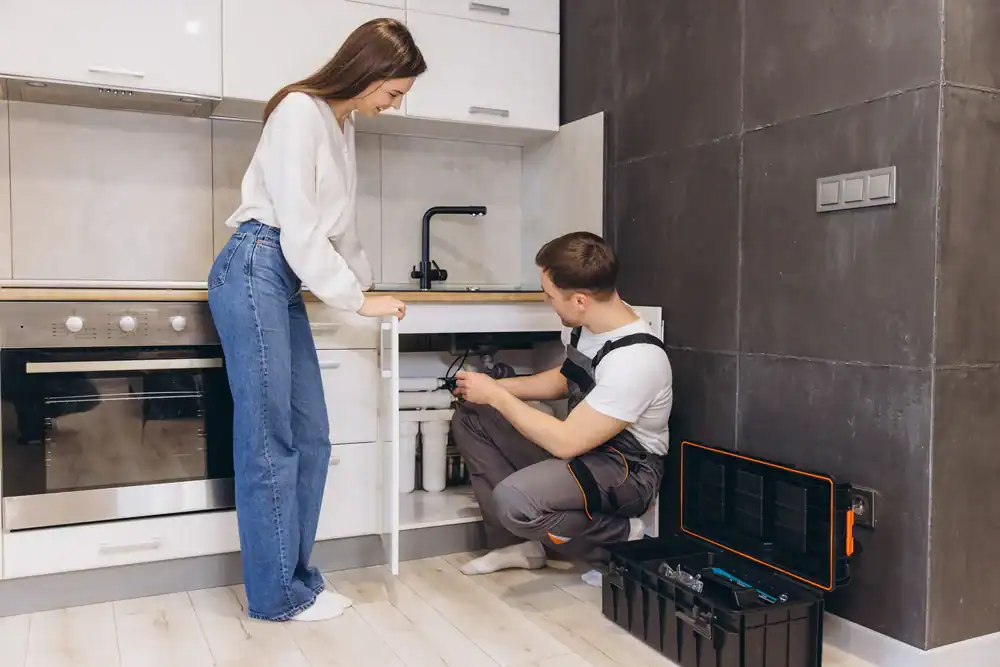
We install everything ourselves. You’re not handed off to a subcontractor. Our team handles the setup, walks you through how the system works, and makes sure you understand what’s happening with your water.
After installation, you have a system that’s certified to reduce over 90 contaminants if it’s reverse osmosis, or one that treats every drop of water entering your home if it’s whole-house filtration. We also service what we sell, which is something you won’t get from every company in this industry.
Ready to get started?
Reverse osmosis systems are the most thorough option for drinking water. They’re certified to remove lead, arsenic, PFAS, chlorine, chloramines, VOCs, and heavy metals. You get virtually unlimited clean water right from your tap, and it costs a fraction of what you’d spend on bottled water.
Activated carbon filtration handles taste and odor issues. It removes chlorine and organic compounds that make your water smell or taste off. This is standard in most under-sink filter installations and whole-house setups.
UV water purification uses ultraviolet light to kill bacteria and organisms in your water. It’s chemical-free, doesn’t waste water, and works without electricity in some configurations. If your water source has biological contamination risks, this is non-negotiable.
Whole-house systems treat everything. Every shower, every load of laundry, every glass of water. You’re not just filtering at one point—you’re protecting your entire home from sediment, hardness, and contaminants that damage plumbing and appliances. In Ocala Ridge, where hard water is a known problem due to our geology and proximity to mineral-rich aquifers, this makes a measurable difference in how long your appliances last and how your water feels.
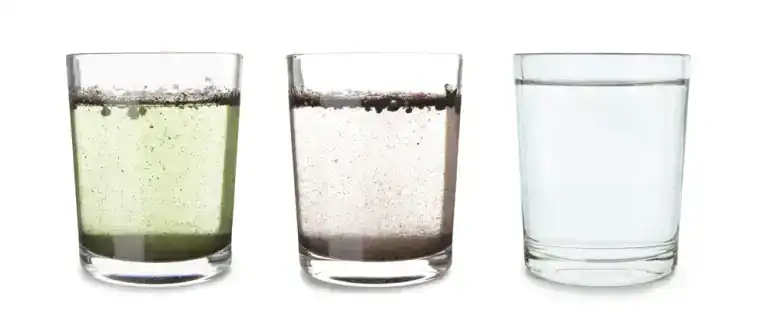
If you’ve never tested your water, that’s your first step. Most Ocala Ridge homeowners don’t realize what’s in their tap water until they see the results.
The city’s water meets legal compliance standards, but independent health organizations flag seven contaminants that exceed their guidelines. That includes things like disinfection byproducts, heavy metals, and other compounds you don’t want your family consuming daily.
You’ll also know you need a system if you’re dealing with hard water issues—dry skin and hair, soap that doesn’t lather, white buildup on faucets and showerheads, or appliances that aren’t lasting as long as they should. Florida’s geology creates some of the hardest water in the country, and Ocala Ridge is no exception. Testing tells you exactly what you’re up against so you can choose the right filtration or softening system for your home.
Reverse osmosis is a point-of-use system, usually installed under your kitchen sink. It filters water at one location and removes over 90 contaminants, including lead, PFAS, arsenic, and pharmaceuticals. It’s the most thorough option for drinking water, and it gives you unlimited access to clean water without buying bottles.
A whole-house system treats all the water entering your home. It handles sediment, chlorine, hardness, and other issues before water reaches your faucets, showers, and appliances. You’re protecting your entire plumbing system, extending appliance life, and improving water quality everywhere—not just at the kitchen sink.
Some homes need both. If your water has high contamination levels and hardness problems, a whole-house system handles the big stuff while reverse osmosis takes care of drinking water. We design the setup based on your water test results and what you’re trying to solve. There’s no point in over-filtering or under-protecting your home.
The cost depends on what you’re installing. An under-sink reverse osmosis system is less expensive than a whole-house filtration setup, but both pay for themselves over time.
Most systems run between $3,300 and $7,500 over ten years when you factor in installation and maintenance. Compare that to $12,000 for bottled water over the same period, and you’re already ahead. You also avoid the microplastics that come with bottled water—studies show bottled water contains 2,125% more microplastics than filtered tap water.
Then there’s the appliance protection. Hard water destroys dishwashers, washing machines, and water heaters by building up minerals inside the components. Replacing a water heater costs $1,200 to $2,500. A washing machine runs $800 to $1,500. When your filtration system prevents that damage, it’s covering its own cost. Most homeowners break even within two to four years, and after that, it’s pure savings plus the health benefits of cleaner water.
PFAS and lead are two of the most concerning contaminants in drinking water, and both can be present in Ocala Ridge homes depending on your water source and plumbing age.
PFAS are “forever chemicals” that don’t break down in the environment or your body. They’ve been linked to serious health issues, and they’re found in water supplies across Florida. If your water hasn’t been tested for PFAS specifically, you don’t know if you’re exposed.
Lead is a risk in homes built before 1986, when lead pipes, fixtures, and solder were still legal. Even if the city’s water is lead-free at the treatment plant, it can pick up lead as it travels through old plumbing. You won’t see it, taste it, or smell it, but it’s dangerous—especially for kids.
A reverse osmosis system with NSF 53 and NSF 401 certifications removes both PFAS and lead. That’s the level of filtration you need if contamination is a concern. We test first, then recommend a system that’s certified to handle what’s actually in your water.
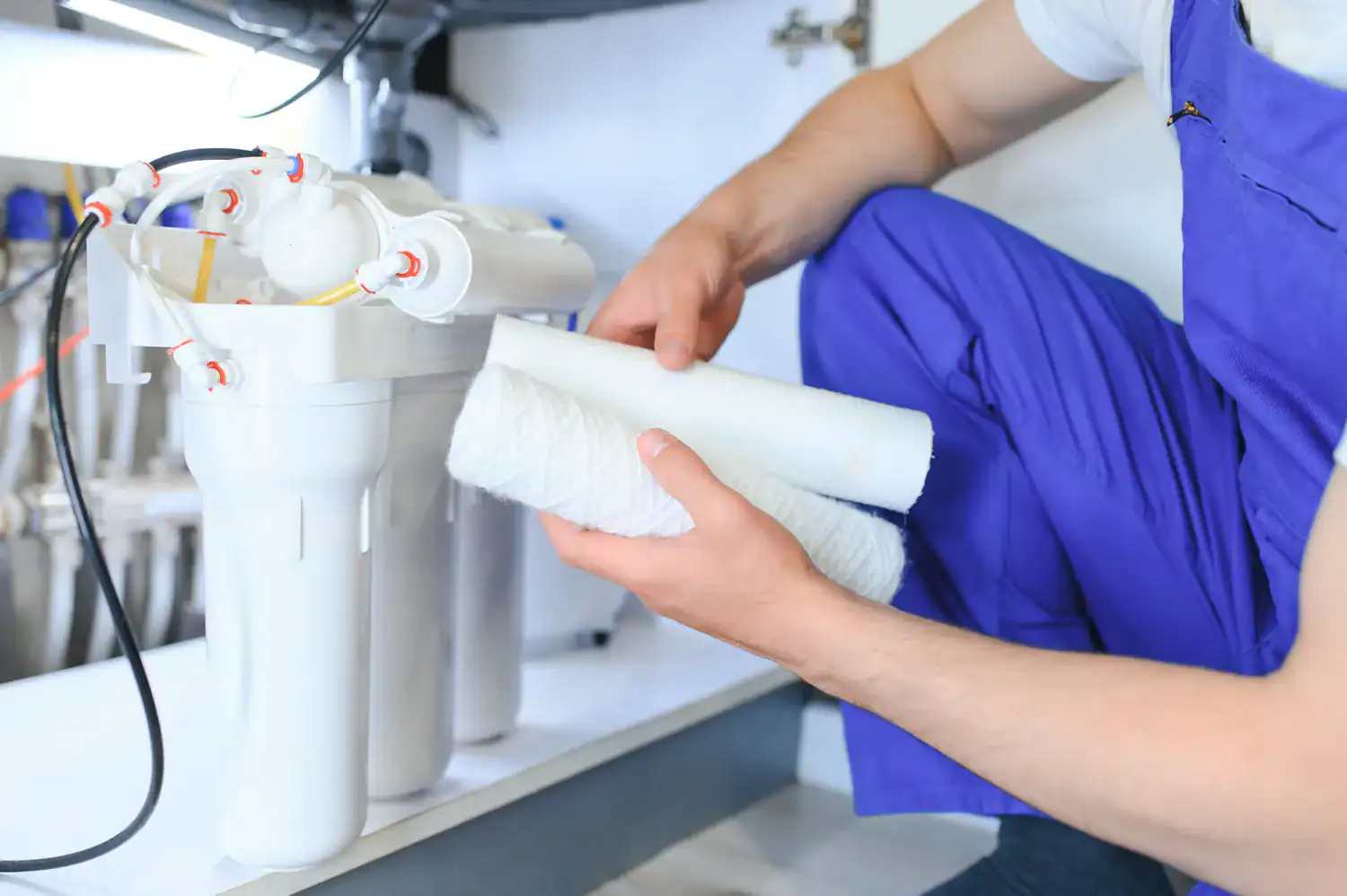
It depends on the system, but most need filter changes once or twice a year. Reverse osmosis systems have multiple filters—sediment, carbon, and the RO membrane—and each has a different lifespan.
Sediment and carbon filters typically get replaced every six to twelve months. The RO membrane lasts two to three years if the pre-filters are changed on schedule. Whole-house systems need similar attention, with filter replacements based on your water quality and household usage.
We handle maintenance for the systems we install. You’re not figuring this out on your own or ordering parts from random suppliers. We keep track of when your filters are due, and we make sure the system keeps working the way it’s supposed to.
Skipping maintenance is where people run into problems. A clogged filter stops doing its job, and contaminated water starts getting through. Regular upkeep is what keeps your system effective and your water clean.
Please provide your email address so that we can stay in touch and answer any questions you have! We will be reaching back out shortly.
"*" indicates required fields