Reach Out Today
Please provide your email address so that we can stay in touch and answer any questions you have! We will be reaching back out shortly.

Hear from Our Customers
The sulfur smell disappears. You stop scrubbing orange stains off your toilet every week. Your guests don’t wrinkle their nose when they turn on the tap.
Your appliances last longer because they’re not fighting mineral buildup. Your water heater stops failing every few years. You’re not replacing fixtures or dealing with clogged aerators.
You stop buying bottled water by the case. Your soap actually lathers. Your skin doesn’t feel tight after a shower. These aren’t small conveniences—they add up to real savings and a home that feels cleaner without the constant effort.
The right water filtration system handles what’s actually in your water, not what a salesperson assumes is there. That’s why we test first, then recommend what you need based on your specific contaminants—whether that’s iron, sulfur, bacteria, or something else Central Florida groundwater tends to carry.
Quality Safe Water of Florida LLC holds an A-rating with the Better Business Bureau and a 5-star rating with zero complaints. We’re members of the National Water Quality Association, which means we follow industry standards that actually matter.
We’re based in Ocala and we understand Central Florida water. More than 90% of Florida’s water comes from groundwater wells, and the geology here creates specific problems—high mineral content, sulfur that’s stronger than most states, iron that stains everything it touches. We’ve seen it all, and we know what works.
We don’t sell plumbing services or water heaters. We focus on water treatment because that’s what we’re good at. And when we install a system, we’re the ones who come back to service it—not a national call center that routes you to whoever’s available.
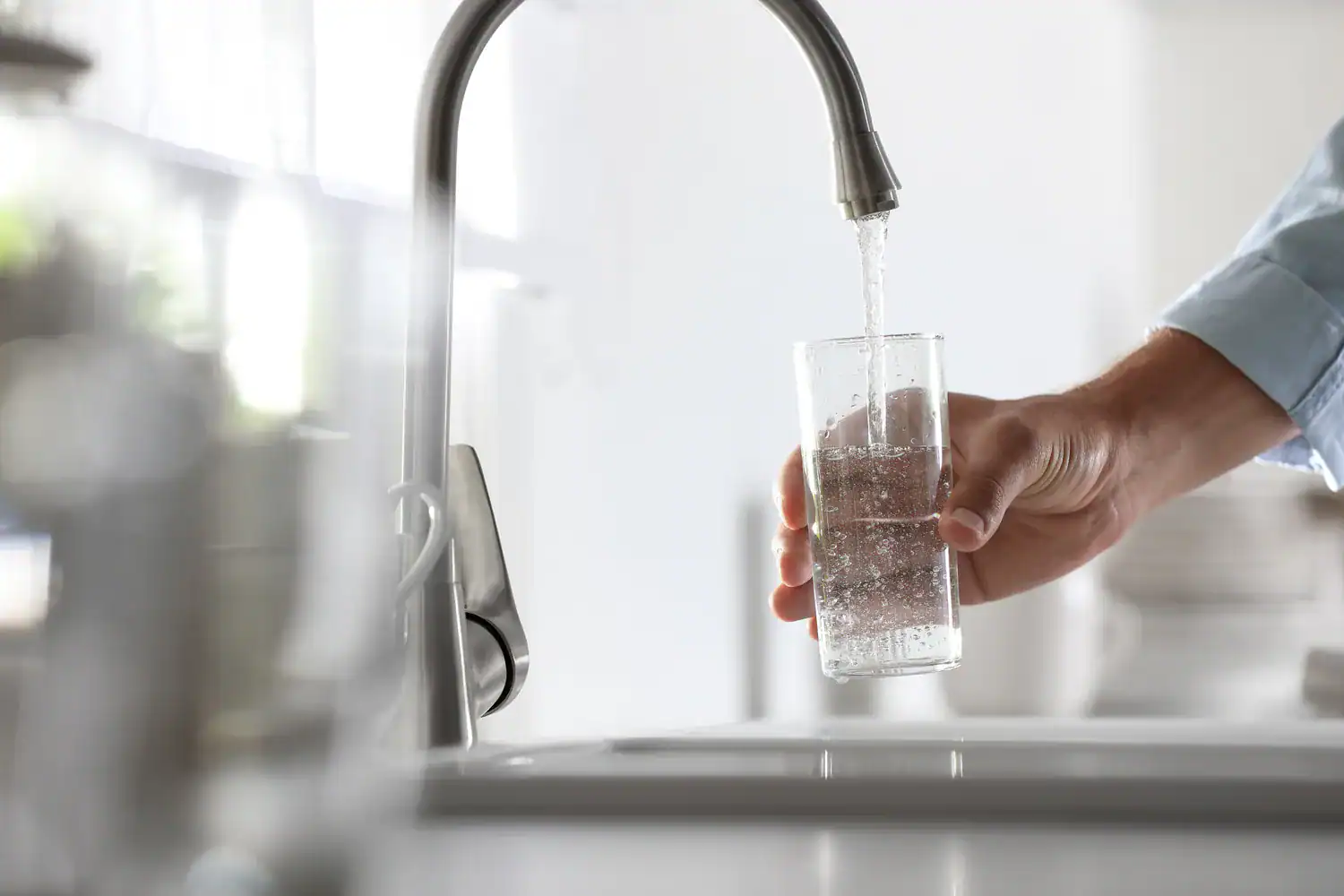
We start with drinking water quality testing. Not a guess, not a standard package—actual lab work that tells us what’s in your water and at what levels. Iron, sulfur, bacteria, hardness, pH, total dissolved solids. You get a report that makes sense.
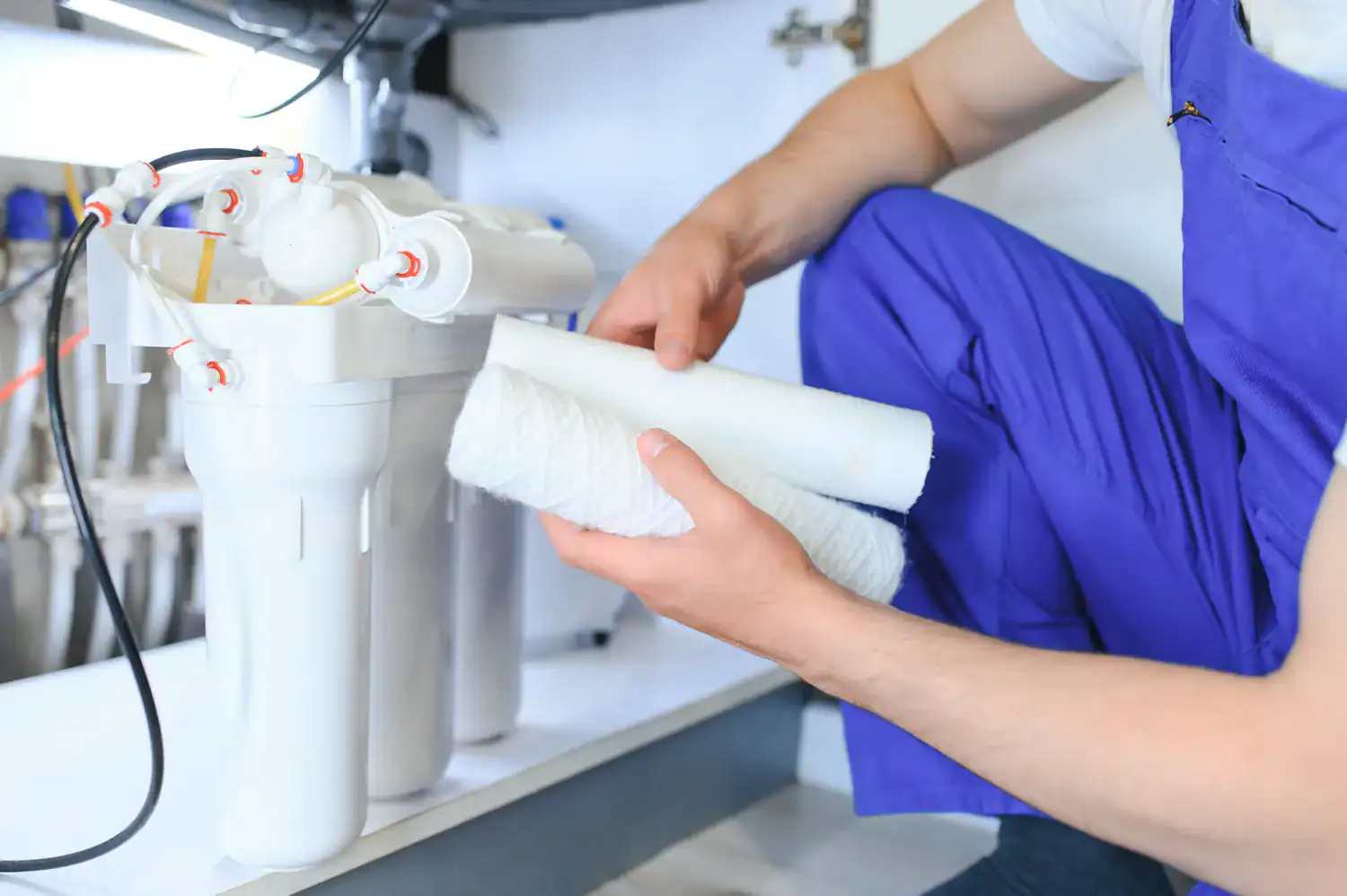
Then we talk through what you’re dealing with. If you’ve got 8 ppm of iron and hydrogen sulfide, you need a system that can handle both—usually an oxidation filter combined with activated carbon filtration. If bacteria shows up, UV water purification gets added. If you want cleaner drinking water at the tap, we’ll discuss reverse osmosis systems or under-sink filter installation.
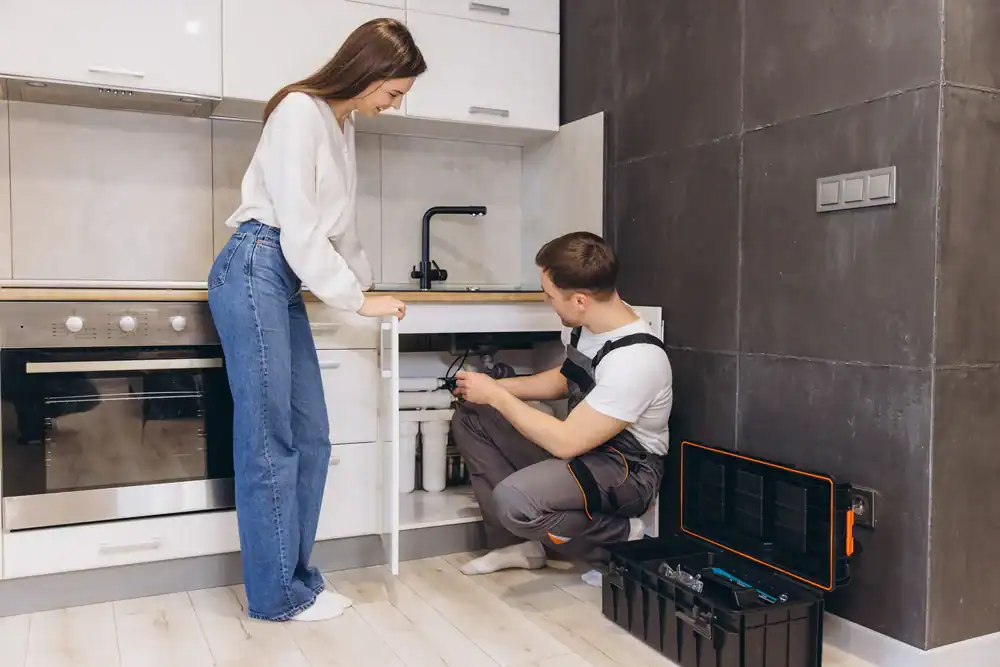
Once you approve the plan, we schedule installation. Most whole-house systems take a day. We size everything correctly, install it where it makes sense for your plumbing, and walk you through how it operates. You’ll know when to expect filter changes, what maintenance looks like, and how to reach us if something seems off.
After installation, the water changes immediately. No more odor. No more staining. And if something needs adjustment, we’re local—we come back and handle it.
Ready to get started?
Your system gets built around your water test results. If you’ve got iron above 3 ppm, we’re using an oxidation system that converts ferrous iron to ferric so it can be filtered out—up to 12 ppm. Sulfur problems get handled with catalytic carbon or oxidation depending on concentration, effective up to 20 ppm of hydrogen sulfide.
Hard water gets treated with a properly sized softener based on your household water usage and hardness level. Ocala water can run 10 to 20 grains per gallon or higher depending on your well, and undersized softeners don’t keep up. We calculate it right the first time.
Bacteria, if present, requires UV purification after filtration. The UV system destroys bacteria and viruses without chemicals, but it only works if the water’s clear—that’s why sequencing matters. Reverse osmosis systems go in after everything else if you want premium drinking water. They remove dissolved solids, heavy metals, and contaminants down to 0.0001 microns.
Every system includes professional installation and a walkthrough. You’ll get a maintenance schedule, and we handle service calls when you need them. We’re not a national company that disappears after the sale—we’re here in Ocala, and we back up what we install.
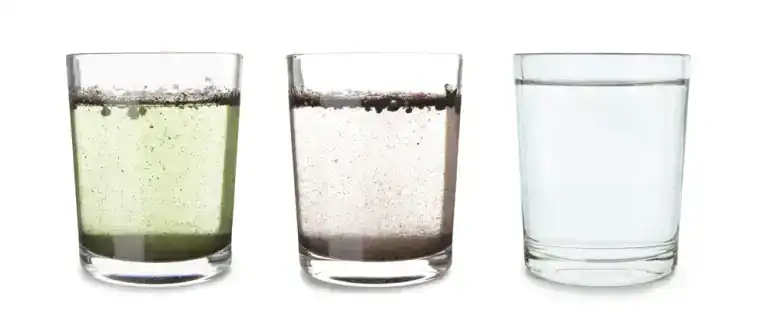
You need a water test before anyone can give you an honest answer. Every well and municipal connection in Central Florida has different contamination levels, and guessing costs you money.
We test for iron, sulfur, hardness, pH, total dissolved solids, bacteria, and other common contaminants. The results tell us exactly what treatment you need. If your iron is at 2 ppm, a basic sediment filter and softener might handle it. If it’s at 8 ppm with sulfur, you need an oxidation system and carbon filtration.
Some companies sell you a standard package regardless of your water quality. That’s how you end up with equipment that doesn’t solve the problem or overkill that you’re paying for but don’t need. Testing first means you get a system sized and configured for your actual water, not someone’s sales quota.
A water softener removes hardness—calcium and magnesium—that causes scale buildup in pipes and appliances. It uses salt to exchange those minerals for sodium through an ion exchange process. Softeners don’t remove iron, sulfur, bacteria, or sediment.
A filtration system removes contaminants like iron, sulfur, sediment, chlorine, and bacteria depending on what’s included. Some use activated carbon, others use oxidation, and some use UV light. They improve water quality beyond just softening it.
Most Central Florida homes need both. The softener handles hardness so you’re not replacing water heaters every few years. The filtration handles the iron staining your sinks and the sulfur making your water smell. If you’ve only got one and not the other, you’re only solving half the problem.
It depends on what type of system you have and how much water you use. Sediment filters typically need changing every 3 to 6 months. Carbon filters last 6 to 12 months depending on contamination levels and household size.
Softeners need salt refills regularly—usually every 4 to 8 weeks depending on hardness and usage. The resin bed inside lasts years but eventually needs replacement. UV systems need annual bulb changes because the UV output decreases over time even if the bulb still lights up.
Reverse osmosis systems have multiple stages. The pre-filters change every 6 to 12 months, and the membrane lasts 2 to 3 years if the pre-filters are maintained. We give you a maintenance schedule at installation so you know what to expect and when. Skipping maintenance means the system stops working effectively, and you’re back to the same water problems you paid to fix.
Yes, if it’s designed correctly. Hydrogen sulfide—the gas causing that rotten egg smell—needs oxidation or catalytic carbon filtration depending on concentration. Systems rated for sulfur removal can handle up to 20 ppm, which covers most residential wells in Florida.
The oxidation process converts hydrogen sulfide into sulfur particles that get filtered out. Catalytic carbon adsorbs the gas directly. Both methods work, but the right choice depends on your sulfur level, pH, and what other contaminants are present.
If someone tries to sell you a softener to fix sulfur, walk away. Softeners don’t remove hydrogen sulfide. You need a system specifically built for sulfur treatment, and that starts with knowing your actual sulfur concentration through testing. Once the right system is installed, the smell disappears immediately—not gradually, not mostly. Completely.
Whole-house systems typically range from $2,000 to $6,000 depending on what you need. A basic softener and sediment filter runs less than a full treatment system with iron removal, sulfur treatment, and UV purification.
Under-sink reverse osmosis systems for drinking water start around $400 to $800 for quality units. Whole-house reverse osmosis systems cost significantly more because they’re treating much higher flow rates, but most homes don’t need that level of treatment for every faucet.
The real cost isn’t just the equipment—it’s whether the system actually solves your problem. Cheap systems that don’t match your water chemistry fail within months. Oversized systems waste money upfront and on maintenance. We price based on your water test results so you’re paying for what works, not what’s easiest to sell. Military and first responders get a $500 discount, which helps offset the investment.
Please provide your email address so that we can stay in touch and answer any questions you have! We will be reaching back out shortly.
"*" indicates required fields