Reach Out Today
Please provide your email address so that we can stay in touch and answer any questions you have! We will be reaching back out shortly.


Hear from Our Customers
You’ll notice the chlorine smell disappears first. That strong odor coming from your tap, especially noticeable when you’re running the shower or filling a glass, comes from aging treatment facilities in the Atlantic Beach and Neptune Beach area. A whole house water filtration system handles it at the source.
Your appliances run better and last years longer. Florida’s limestone bedrock creates moderate hard water that builds up in your water heater, dishwasher, and washing machine. That mineral accumulation is why your appliances fail earlier than they should. Reverse osmosis systems and activated carbon filtration remove those minerals before they cause damage.
Your skin and hair improve because you’re not coating them in hard water residue every time you shower. That dry, itchy feeling after bathing isn’t normal. It’s your water. During a typical shower, your body absorbs up to 64% of contaminants present in the water through your skin, which means you’re getting more exposure from bathing than drinking.
You stop spending money on bottled water. Most Neptune Beach families buy bottled water because they don’t trust what comes out of their tap. That adds up fast. A drinking water quality testing and proper filtration system eliminates that recurring cost.
We specialize in water purification, softening, and filtration for homeowners throughout Northeast Florida. We’re members of the National Water Quality Association and hold an A-rating with the Better Business Bureau with a 5-star rating and zero complaints.
We don’t do plumbing. We don’t install water heaters. We focus entirely on water treatment because that’s where we deliver the most value. When you’re dealing with Neptune Beach’s specific water quality issues, including the chlorine levels that spike during low-usage periods and the hard water that’s prevalent throughout Jacksonville’s water supply, you need someone who understands those challenges.
Jacksonville’s municipal water receives a C+ overall rating, with four significant contaminants surpassing recommended health limits. It meets EPA legal requirements, but there’s a gap between “legal” and “safe.” That’s why we start every project with professional water quality testing. We test your specific water supply, then design a system based on what’s actually in your water, not a generic solution.
We start with free water quality testing at your home. We’re testing for chlorine levels, mineral content, pH balance, and specific contaminants common to Northeast Florida’s water supply. This takes about 30 minutes and gives us the data we need to recommend the right system.
Once we know what’s in your water, we design a custom system. That might include reverse osmosis systems for drinking water, whole house filtration for every tap in your home, UV water purification for bacteria concerns, or activated carbon filtration for chlorine and odor removal. Most Neptune Beach homes benefit from a combination approach.
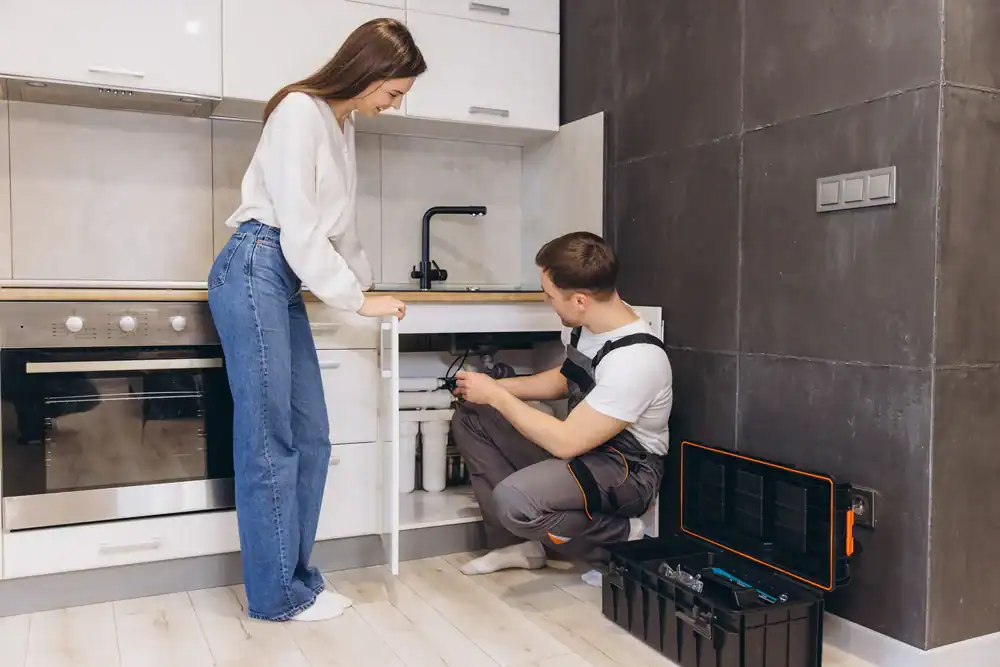
Installation typically takes four to six hours depending on your home’s plumbing layout and the system complexity. We’re installing the main filtration unit, usually in your garage or utility area, and if you’re adding under-sink filter installation for drinking water, we handle that too. Everything gets tested before we leave.
After installation, you’ll notice the difference immediately. The chlorine smell disappears. Your water tastes clean. Your shower feels different because you’re not bathing in hard water anymore. We provide maintenance schedules and ongoing support, because these systems need filter changes and occasional servicing to keep working properly.
Ready to get started?
A complete water filtration system for Neptune Beach homes addresses multiple issues at once. You’re removing chlorine and chloramines that create that chemical smell and taste. You’re filtering out the minerals causing hard water damage. You’re eliminating contaminants like haloacetic acids and trihalomethanes that form when chlorine is added to municipal water supplies.
Whole house systems filter every drop of water entering your home. That means filtered water from every faucet, shower, washing machine, and outdoor spigot. Your appliances get protected. Your plumbing stays cleaner. Your clothes come out of the washer brighter because you’re using softer water that needs less detergent.
For drinking water, reverse osmosis systems provide an additional layer of filtration at your kitchen sink. These systems remove up to 99% of dissolved solids, heavy metals, and other contaminants that whole house filters might miss. You get water that’s genuinely clean, not just less bad than it was before.
UV water purification adds bacteria and virus protection if you’re concerned about biological contaminants. This matters more for well water, but some Neptune Beach homes near older infrastructure benefit from UV treatment as a precaution. Activated carbon filtration handles chlorine, volatile organic compounds, and the taste and odor issues that make your tap water unpleasant. These filters need replacing every six to twelve months depending on your water usage and quality.
The investment protects your home’s plumbing and appliances while improving your family’s daily water quality. Most homeowners see the value within the first year through reduced appliance repairs, eliminated bottled water costs, and lower soap and detergent usage.
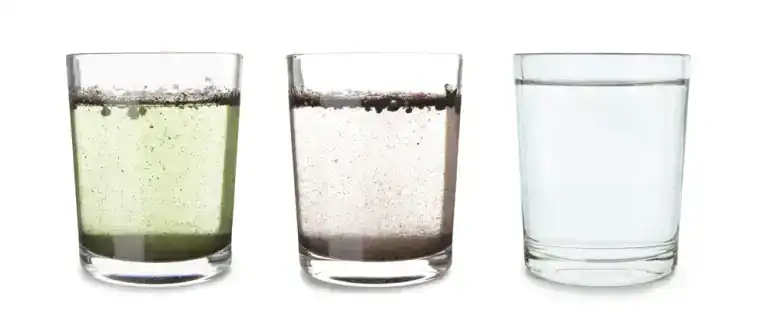
If your water smells like chlorine, leaves spots on your dishes, or makes your skin feel dry after showering, you’re dealing with water quality issues that filtration solves. Neptune Beach gets its water from the same system as Jacksonville and Atlantic Beach, which means you’re getting moderate hard water from Florida’s limestone geology plus elevated chlorine levels from aging treatment facilities.
The best way to know exactly what you need is through professional water quality testing. We test for mineral content, chlorine and chloramine levels, pH balance, and specific contaminants. That data tells us whether you need whole house filtration, a drinking water system, or both. Most homes in this area benefit from at least basic filtration because the municipal water, while meeting EPA standards, contains contaminants above recommended health guidelines.
You’ll also know you need filtration if you’re buying bottled water or if your appliances are failing earlier than expected. Hard water buildup shortens the lifespan of water heaters, dishwashers, and washing machines by years. If you’ve replaced a water heater in the last five years, hard water was likely a contributing factor.
Whole house water filtration systems install at your main water line and filter every drop entering your home. They remove chlorine, sediment, and minerals that cause hard water damage. Every faucet, shower, and appliance gets filtered water. These systems protect your plumbing and appliances while improving water quality throughout your entire house.
Reverse osmosis systems install under your kitchen sink and provide additional filtration specifically for drinking and cooking water. They use a multi-stage process including sediment filters, carbon filters, and a semi-permeable membrane that removes up to 99% of dissolved solids, heavy metals, fluoride, and other contaminants. RO systems produce the cleanest drinking water possible, but they only filter one tap.
Most Neptune Beach homeowners get the best results from both. Whole house filtration handles the chlorine smell, hard water damage, and overall water quality. Reverse osmosis at the kitchen sink gives you purified drinking water without buying bottles. You’re addressing different problems with different solutions. The whole house system protects your home and appliances. The RO system gives you the cleanest possible drinking water.
Whole house water filtration systems typically range from $2,000 to $5,000 depending on your home’s size, your water quality issues, and the system complexity you need. Under-sink reverse osmosis systems run $400 to $1,500 installed. If you’re adding UV purification or specialized filtration for specific contaminants, that affects the price.
Maintenance costs are straightforward. Whole house filters need replacing every six to twelve months, usually running $100 to $300 depending on the filter type. Reverse osmosis systems need filter changes every six months to a year, costing $75 to $150 annually. UV bulbs last about a year and cost $50 to $100 to replace.
Compare that to what you’re spending now. If you’re buying bottled water for a family of four, you’re probably spending $50 to $100 monthly, which is $600 to $1,200 yearly. Add the cost of appliance repairs and replacements from hard water damage, plus the extra detergent and soap you’re using because hard water doesn’t clean efficiently. Most homeowners break even within two to three years, then save money every year after while protecting their home’s plumbing and appliances.
Yes, activated carbon filtration removes chlorine and chloramines that create that chemical smell in Neptune Beach’s water supply. The smell is stronger here than in many areas because the treatment facilities serving Atlantic Beach and Neptune Beach are older, and chlorine levels spike during periods of lower water usage.
Whole house systems with carbon filtration remove chlorine before it reaches any tap in your home. You won’t smell it when you turn on the shower, fill a glass, or run the dishwasher. The difference is immediate and noticeable. Carbon filters work through adsorption, where chlorine molecules bond to the carbon surface as water passes through, removing both the smell and taste.
Under-sink reverse osmosis systems also remove chlorine, but only at that one tap. If the smell bothers you throughout your home, especially in the bathroom when you’re showering, you need whole house filtration. The chlorine you’re smelling isn’t just unpleasant, it’s also drying out your skin and hair every time you bathe. Removing it improves your water quality in ways you’ll notice beyond just the smell.
The main components of a quality water filtration system last 10 to 15 years with proper maintenance. The tanks, housings, and plumbing connections are built to last. What needs regular replacement are the filters themselves, which is normal and expected because they’re actively removing contaminants from your water.
Whole house carbon filters typically need replacing every six to twelve months depending on your water usage and quality. If you’re filtering heavily chlorinated water or high mineral content, you’ll replace them more frequently. Reverse osmosis membrane filters last two to three years. Pre-filters and post-filters in RO systems need changing every six to twelve months. UV bulbs last about a year.
Staying on top of filter changes is what makes the system last. When filters get saturated, they stop working effectively and can restrict water flow. We provide maintenance schedules and reminders so you know when filters need changing. Most homeowners either change filters themselves, which is straightforward, or schedule annual maintenance visits where we handle everything. The system itself will outlast most appliances in your home if you maintain it properly.
Please provide your email address so that we can stay in touch and answer any questions you have! We will be reaching back out shortly.
"*" indicates required fields