Reach Out Today
Please provide your email address so that we can stay in touch and answer any questions you have! We will be reaching back out shortly.


Hear from Our Customers

Your water heater lasts longer when it’s not fighting calcium buildup every day. Your shower doors stay clearer. Your coffee doesn’t taste like a swimming pool.
That’s what happens when you remove the minerals, chlorine, and contaminants that Florida groundwater carries. Murray Hill pulls water from limestone aquifers, which means calcium and magnesium in everything that flows through your pipes. Over time, that’s scale on your fixtures, reduced efficiency in your appliances, and higher utility bills.
A whole-house water filtration system handles it at the source. Reverse osmosis systems remove up to 99% of dissolved solids. Activated carbon filtration pulls out chlorine and organic compounds that affect taste and odor. UV water purification kills bacteria without adding chemicals.
You’re not just filtering water. You’re protecting your plumbing, extending the life of every appliance that uses water, and making sure what your family drinks is actually clean.
We don’t do plumbing. We don’t install water heaters. We focus entirely on water purification, softening, and filtration because that’s where we can deliver the most value.
We’re A-rated with the Better Business Bureau with a 5-star rating and zero complaints. We’re members of the National Water Quality Association, which means our systems carry WQA Gold Seal certification—the oldest third-party testing program in the water treatment industry. That certification tells you the equipment has been tested to recognized standards, not just marketed with claims.
Murray Hill homeowners deal with hard water, chlorine taste, and the same PFAS concerns affecting communities across Florida. We’ve installed systems throughout the area, and we understand what works for local water conditions. Our installation technicians are employees, not subcontractors, so the quality stays consistent.
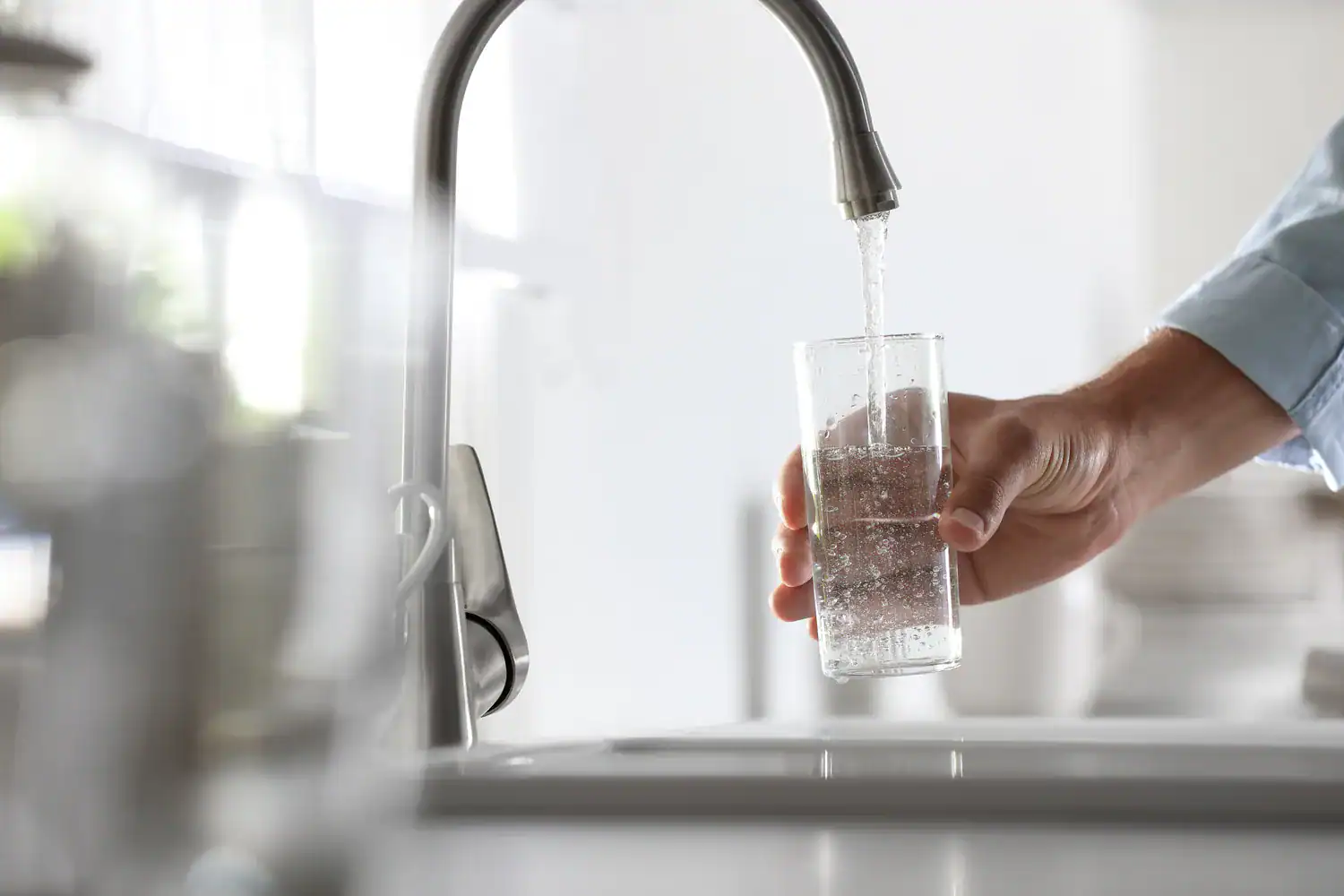
We start with drinking water quality testing. That tells us exactly what’s in your water—hardness levels, chlorine content, pH, and any contaminants like PFAS or heavy metals. You can’t fix what you don’t measure.
From there, we recommend a system based on your actual water conditions and what you’re trying to solve. If you have hard water damaging appliances, a whole-house filtration system with softening makes sense. If you want cleaner drinking water, an under-sink filter installation with reverse osmosis handles that. If bacteria or microorganisms are a concern, UV water purification kills them without adding anything to your water.
Installation happens in your home. We integrate the system with your existing plumbing, test it to make sure it’s working correctly, and walk you through maintenance. Most systems need filter changes every six months to a year depending on usage and water quality.
After installation, we’re available for service. Filters need replacing. Systems need occasional maintenance. We handle that because a water filtration system only works if it’s actually maintained. That’s where a lot of national companies fall short—they sell the system and disappear.
Ready to get started?
Every system we install is designed for Florida water. That matters because Florida’s limestone geology creates different problems than you’d see in other states. Calcium and magnesium levels run high. Coastal areas deal with saltwater intrusion. Chlorine levels vary by municipality.
Reverse osmosis systems remove dissolved solids, heavy metals, and PFAS chemicals. These systems push water through a semipermeable membrane that filters out contaminants down to 0.0001 microns. That’s small enough to remove lead, arsenic, fluoride, and nitrates.
Activated carbon filtration handles chlorine, chloramines, and organic compounds that affect taste and smell. Carbon filters also reduce certain pesticides and industrial solvents. If your water tastes like a pool, carbon filtration fixes that.
UV water purification uses ultraviolet light to kill bacteria, viruses, and parasites like cryptosporidium and giardia. No chemicals. No byproducts. Just light that disrupts the DNA of microorganisms so they can’t reproduce.
Whole-house systems treat all the water entering your home. Under-sink systems treat water at a single point, usually your kitchen faucet. The right choice depends on whether you’re trying to protect appliances and plumbing or just improve drinking water quality.
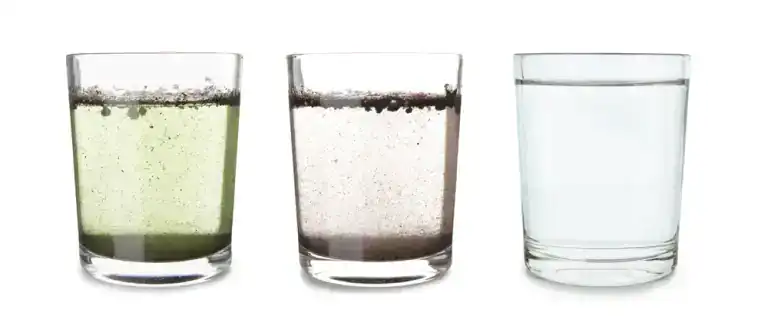
Test your water. That’s the only way to know what you’re dealing with.
If you’re on city water in Murray Hill, you’re getting water treated to meet EPA standards, but that doesn’t mean it’s free of hardness, chlorine, or trace contaminants like PFAS. If you’re on well water, testing is even more important because you’re responsible for monitoring quality.
Signs you might need filtration: white scale on faucets and showerheads, soap that doesn’t lather well, water that tastes or smells like chlorine, appliances that fail earlier than expected, or staining on sinks and toilets. Those are all indicators of water quality issues that a filtration system can address. We offer drinking water quality testing that measures hardness, pH, chlorine, heavy metals, and other contaminants so you know exactly what’s in your water before deciding on a system.
They remove different things. Reverse osmosis removes dissolved solids—minerals, salts, heavy metals, and chemicals like fluoride and nitrates. It works by forcing water through a membrane with tiny pores that block contaminants while letting water molecules pass through.
Carbon filtration removes chlorine, chloramines, and organic compounds that affect taste and odor. Activated carbon has a large surface area that traps contaminants as water flows through. It’s effective for improving taste and removing certain pesticides and industrial chemicals, but it doesn’t remove dissolved minerals or salts.
Most under-sink systems use both. Water passes through a carbon pre-filter to remove chlorine and sediment, then through the reverse osmosis membrane to remove dissolved solids, then through another carbon post-filter to polish the taste. That combination gives you water that’s both clean and tastes good. If you only need to remove chlorine and improve taste, a carbon filter alone might be enough. If you’re concerned about heavy metals, PFAS, or high mineral content, reverse osmosis is the better choice.
It depends on the system and your water quality. Carbon filters typically need replacement every six to twelve months. Reverse osmosis membranes last two to five years. Sediment pre-filters might need changing every three to six months if your water has a lot of particulate matter.
The harder your water and the more you use the system, the more frequently filters need changing. If you notice a drop in water pressure or a change in taste, that’s usually a sign the filters are saturated and need replacement.
We recommend setting up a maintenance schedule based on your specific system and usage. Some systems have indicator lights that tell you when it’s time to change filters. Others require tracking based on time or gallons filtered. Regular filter changes aren’t optional—a clogged or saturated filter stops removing contaminants effectively, which defeats the purpose of having the system. We handle filter replacements and maintenance for the systems we install, so you don’t have to track it yourself or figure out which filters to order.
It can, especially in Florida where water quality is a known concern. Buyers notice whole-house filtration systems during home inspections. It signals that the home has been maintained and that the plumbing and appliances have been protected from hard water damage.
A professionally installed system with documentation and maintenance records is more valuable than a point-of-use filter you bought at a hardware store. It shows the previous owner invested in the home’s infrastructure, not just cosmetic upgrades.
That said, you shouldn’t install a water filtration system solely to increase resale value. The real value is in what it does while you’re living there—better-tasting water, longer-lasting appliances, less maintenance on plumbing fixtures, and peace of mind about what your family is drinking. If you’re planning to sell soon, it’s a feature worth mentioning. If you’re staying in the home, it pays for itself over time through reduced appliance repairs and elimination of bottled water purchases.
Depends on what you’re trying to fix. Water softeners remove hardness—specifically calcium and magnesium—by exchanging those minerals for sodium or potassium. That prevents scale buildup in pipes and appliances, makes soap lather better, and reduces spotting on dishes and glassware.
Water filtration systems remove contaminants like chlorine, heavy metals, bacteria, and chemicals. They improve taste, odor, and safety, but they don’t necessarily remove hardness unless they include a softening component.
If you have hard water in Murray Hill—and most homes do because of the limestone aquifers—you probably need both. A whole-house system can include both softening and filtration so you’re addressing hardness and contaminants at the same time. If your main concern is drinking water quality and you don’t care as much about scale on your showerhead, an under-sink reverse osmosis system might be enough. We test your water first and recommend based on what’s actually in it, not what we assume.
Please provide your email address so that we can stay in touch and answer any questions you have! We will be reaching back out shortly.
"*" indicates required fields
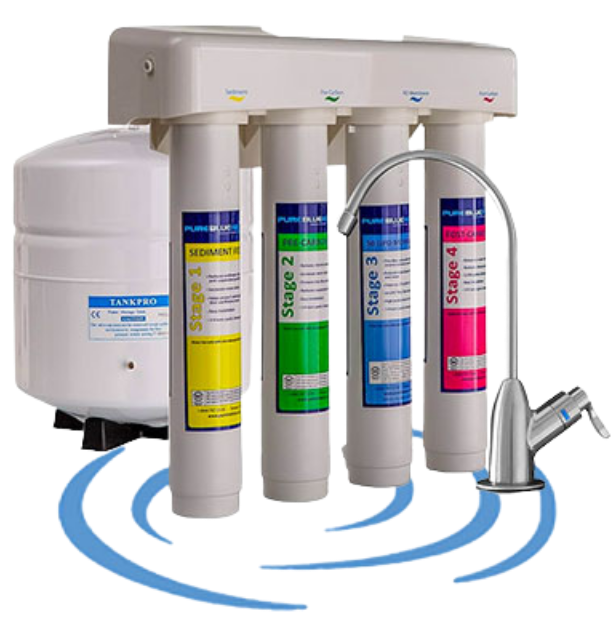
Get a free reverse osmosis drinking water system with the purchase of any whole-home water purification system.
*Cannot be combined with other offers. Mention this special when you call.