Reach Out Today
Please provide your email address so that we can stay in touch and answer any questions you have! We will be reaching back out shortly.


Hear from Our Customers
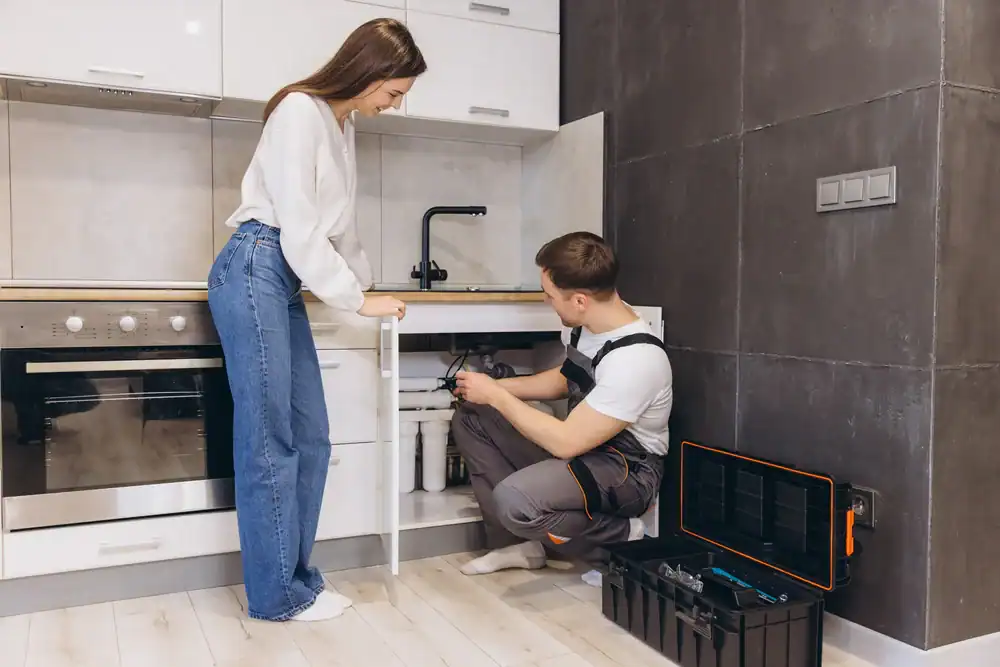
Hard water in McClure isn’t just a nuisance — it’s a slow drain on everything you own. The Floridan Aquifer, which supplies the groundwater that South Sumter Utility delivers to your home, runs through thick layers of limestone. By the time it reaches your tap, it’s carrying calcium and magnesium at levels that coat your appliances, clog your fixtures, and leave your skin dry after every shower. For a community where most homes were built starting in 2020, that scale buildup isn’t a future problem. It starts the day you move in.
Beyond hardness, the water serving McClure has documented disinfection byproducts — including total trihalomethanes, which form when chlorine used in treatment reacts with organic matter. The Environmental Working Group’s health guideline for these compounds sits at 0.15 parts per billion, a threshold tied to long-term cancer risk. Understanding what’s actually in your water is the first step toward protecting your family and your investment.
A whole-house water filtration system addresses this at the source. Every tap, every shower, every appliance in your home gets treated water — not just the one faucet under the kitchen sink. For a Designer Home or Veranda in McClure, that kind of protection isn’t an upgrade. It’s the baseline your investment deserves.
We’re based in Leesburg — about 20 miles from McClure — and have been working with Central Florida water conditions for more than 50 years. That means we’ve been solving Floridan Aquifer hard water problems longer than most of The Villages has existed. We know what South Sumter Utility water looks like, what it does to appliances, and which systems actually hold up in this climate.
We hold an A-rating with the Better Business Bureau, a 5-star record with zero complaints, and membership in the National Water Quality Association — credentials you can verify before you ever call. We’re not a national chain dispatching technicians from across the state. When we schedule a visit to your McClure home, someone local shows up, does the work right, and stays reachable after the job is done. That last part matters more than most people realize until it doesn’t happen.
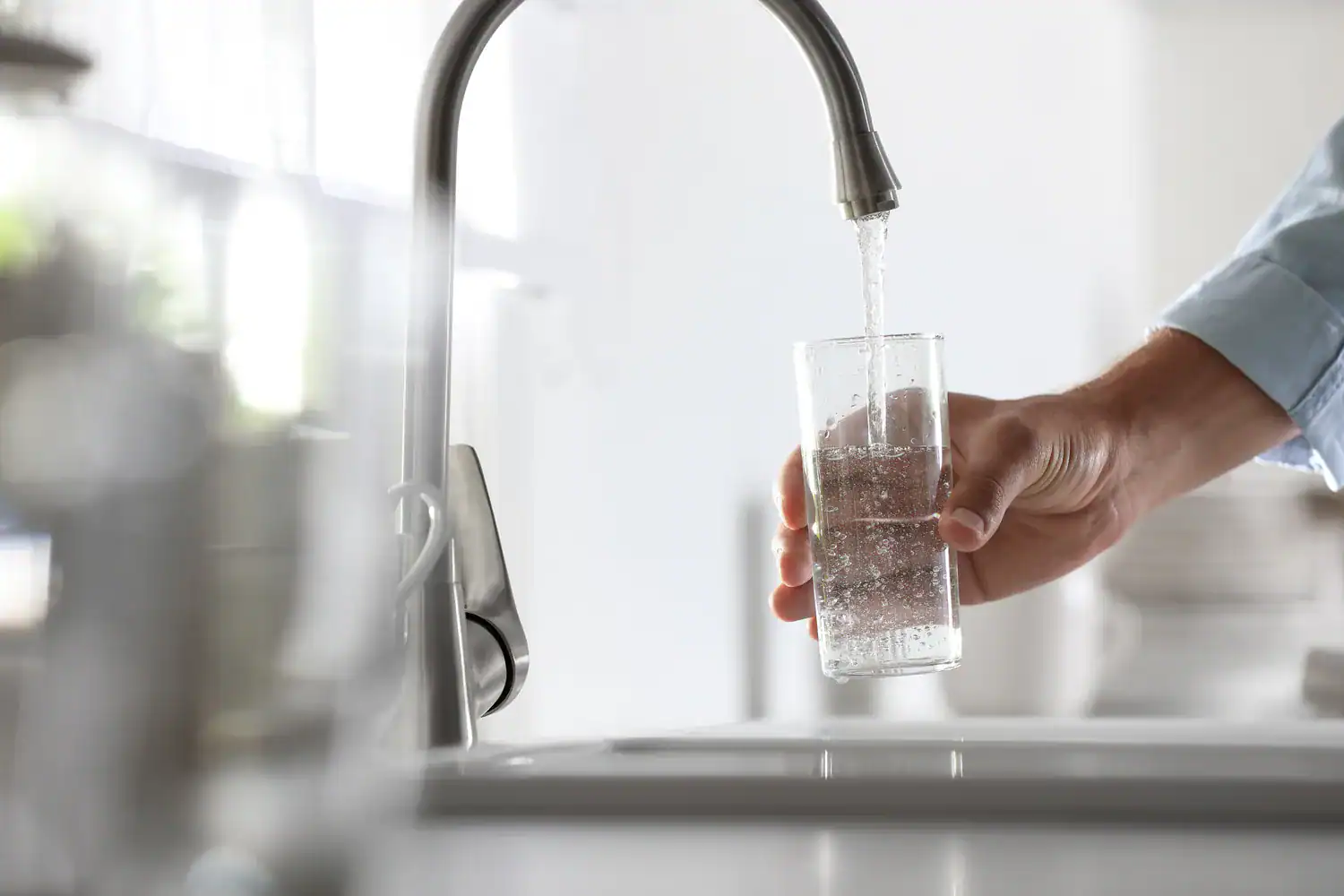
It starts with a real water analysis — not a theatrical demo with colored drops, but an actual professional assessment of your home’s water. We test for hardness, iron, sulfur, pH, total dissolved solids, bacteria, and other contaminants relevant to the groundwater supply in your area. The results drive the recommendation. If your water doesn’t need a particular system, we won’t sell you one.
Once the analysis is complete, we walk you through what we found and what makes sense for your specific home. A Patio Villa with two residents has different needs than a Designer Home with a full irrigation system and seasonal guests. The system is sized and configured for your household — not pulled off a shelf and handed over. Installation is handled by our licensed team, which matters in The Villages, where CDD guidelines and proper plumbing connections need to be done correctly to protect your home’s warranty and compliance status.
After installation, we don’t disappear. Filter changes, maintenance visits, system checks — it’s all part of working with a company that services what it sells. In a market where that’s rarer than it should be, it’s worth knowing upfront.
Ready to get started?
We install whole-house purification systems, reverse osmosis drinking water systems, water softeners, salt-free treatment systems, UV purification, and activated carbon filtration — and we service all major brands, not just our own installs. If you moved into your McClure home with a system already in place and can’t get the original company to call you back, we can step in and take over.
For most homes in the McClure area, the combination of elevated hardness and disinfection byproducts calls for a layered approach — typically a whole-house softening or salt-free system paired with a reverse osmosis unit at the kitchen tap for drinking and cooking water. RO removes 95 to 99 percent of dissolved solids, including the trihalomethanes and other byproducts documented in the regional water supply. Activated carbon filtration handles chlorine taste and odor. Sediment removal protects your system and your plumbing from particulate buildup. Each component has a job, and the combination is what makes the difference between water that’s technically treated and water that’s actually clean.
If you’re a military veteran or first responder — and The Villages has a significant number of both — we offer a $500 discount on water filtration systems. It applies because this community has earned it, not because it’s a line item on a promotional calendar.
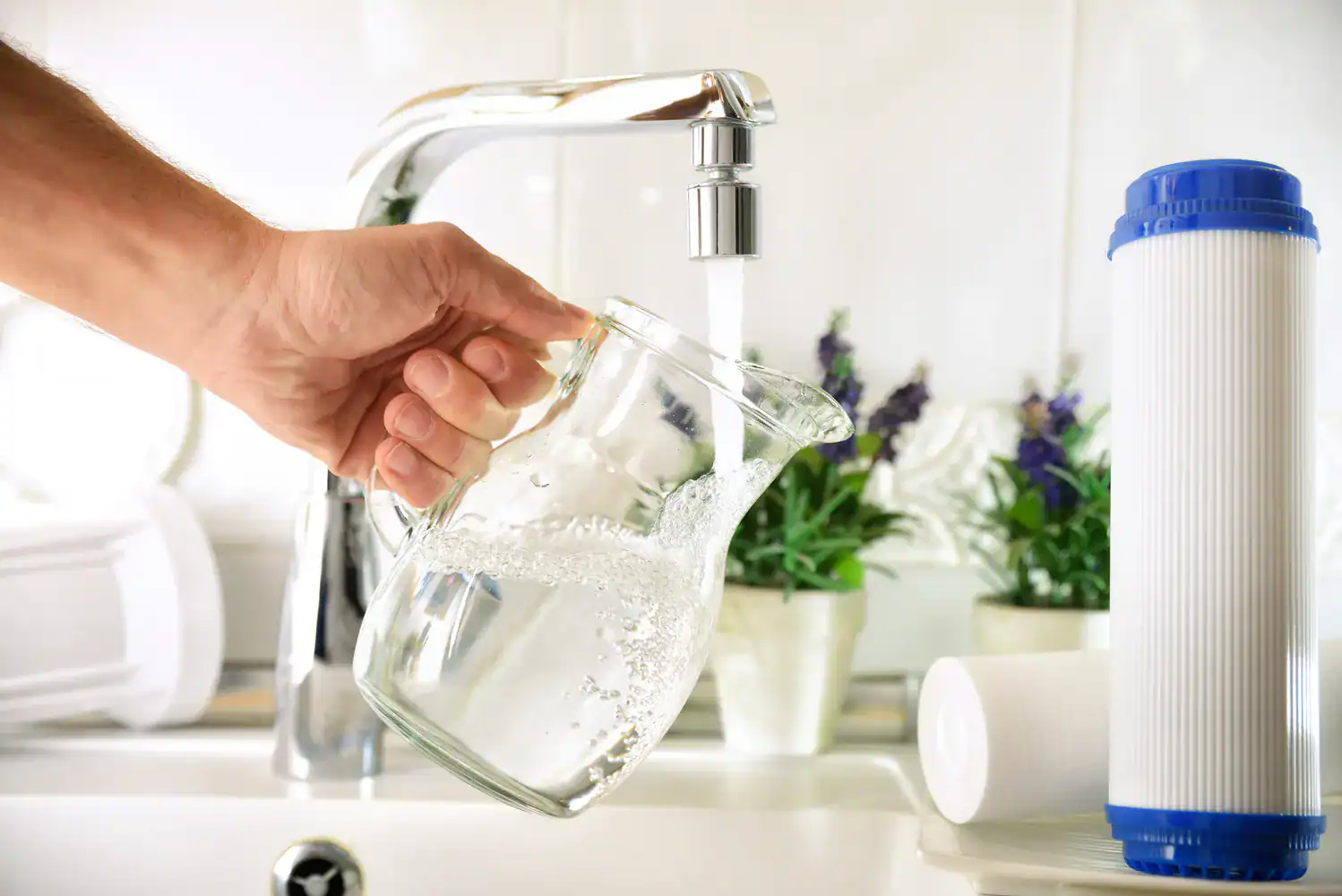
Technically, yes — the water delivered to your home by South Sumter Utility meets EPA regulatory standards. But meeting the legal minimum and being genuinely clean aren’t always the same thing. The water system serving McClure has documented levels of total trihalomethanes and other disinfection byproducts that exceed the Environmental Working Group’s health guidelines, which are set at levels associated with long-term cancer risk.
On top of that, the Floridan Aquifer groundwater that feeds the local supply carries naturally elevated levels of calcium, magnesium, and other dissolved minerals. None of that makes your water illegal to drink. But if you’ve moved into a new home in McClure and you’re noticing a chlorine taste, mineral buildup on your fixtures, or skin that feels dry after every shower, those aren’t coincidences. A free water analysis will show you exactly what’s present at your specific tap and help you decide what, if anything, you want to do about it.
Hard water leaves calcium and magnesium deposits on every surface it contacts — and over time, those deposits add up. In McClure specifically, where most homes were built starting in 2020, residents are often surprised by how quickly the damage accumulates. Scale builds up inside water heaters, reducing their efficiency and shortening their lifespan. It coats the heating elements in dishwashers. It clogs aerators and showerheads. It leaves spots on glassware, fixtures, and shower doors that no amount of cleaning fully removes.
The longer you wait to address hard water, the more it costs you — not in one dramatic repair bill, but in appliances replaced ahead of schedule, fixtures corroded earlier than they should be, and energy bills quietly climbing as your water heater works harder than it needs to. A whole-house water softener or salt-free treatment system stops that process at the source. For a newer home in McClure, getting ahead of it early is the most cost-effective move you can make.
A water softener specifically addresses hardness — it removes calcium and magnesium through an ion exchange process, which eliminates scale buildup and makes water gentler on your skin, hair, and appliances. It does that job well. But it doesn’t remove disinfection byproducts like trihalomethanes, it doesn’t filter sediment, and it doesn’t address chlorine taste or odor.
A whole-house water filtration system takes a broader approach. Depending on how it’s configured, it can include sediment removal, activated carbon filtration for chlorine and chemical taste, and additional treatment stages for specific contaminants. For homes in the McClure area, where the water supply has documented issues beyond just hardness, a softener alone often isn’t enough. Most homeowners here end up with a combination — a softening or salt-free system for hardness, paired with a carbon or multi-stage filter for the rest. The right answer depends on what your water analysis actually shows, which is why starting with a real test matters.
A reverse osmosis system pushes water through a semipermeable membrane under pressure, removing 95 to 99 percent of dissolved solids — including the trihalomethanes, chlorate, arsenic, and other contaminants documented in the regional water supply serving McClure. What comes out the other side is water that’s genuinely clean, not just filtered through a pitcher or a basic faucet attachment.
Most RO systems are installed under the kitchen sink and serve the drinking and cooking taps specifically. They’re not typically used for the whole house — that’s where your whole-house system handles the heavy lifting — but for the water you’re actually putting in your body, an RO system is the most effective option available at the residential level. Maintenance is straightforward: filter changes run roughly $80 to $150 per year depending on your system and usage. For a household in McClure that’s currently buying bottled water because the tap doesn’t taste right, an RO system usually pays for itself within a few years.
This is a fair question, and it’s one more people in The Villages should be asking. The water treatment industry has a documented history of deceptive sales practices — the Florida Attorney General’s office has prosecuted companies for selling residential filtration systems at prices between $6,700 and $9,700 using fraudulent health claims. The theatrical “free water test” where a salesperson drops chemicals into a sample and watches it turn alarming colors is a known tactic. Even clean spring water would fail that test.
Before you let any company into your home, check their BBB record — not just their star rating, but their complaint history. Check whether they’re a member of the National Water Quality Association, which requires demonstrated technical competency and adherence to a professional code of ethics. Ask whether they service what they sell, or whether post-sale support requires calling a different number that nobody answers. We hold a BBB A-rating with zero complaints on record and carry WQA membership — both of which you can verify independently before you schedule anything.
Please provide your email address so that we can stay in touch and answer any questions you have! We will be reaching back out shortly.
"*" indicates required fields
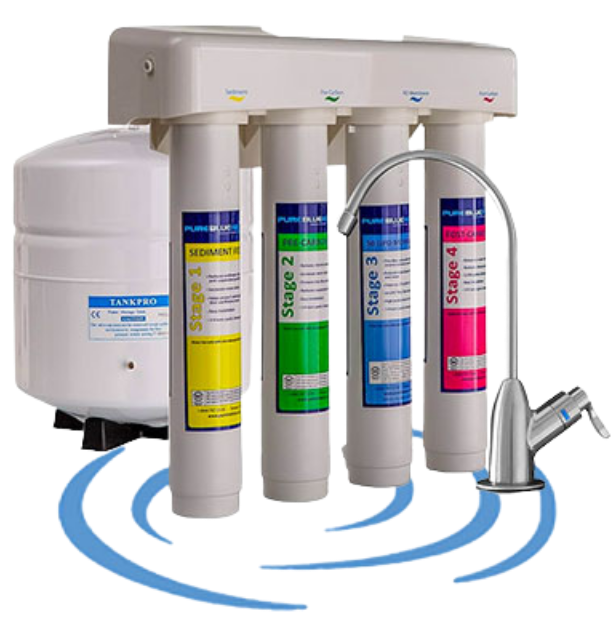
Get a free reverse osmosis drinking water system with the purchase of any whole-home water purification system.
*Cannot be combined with other offers. Mention this special when you call.