Reach Out Today
Please provide your email address so that we can stay in touch and answer any questions you have! We will be reaching back out shortly.

Hear from Our Customers
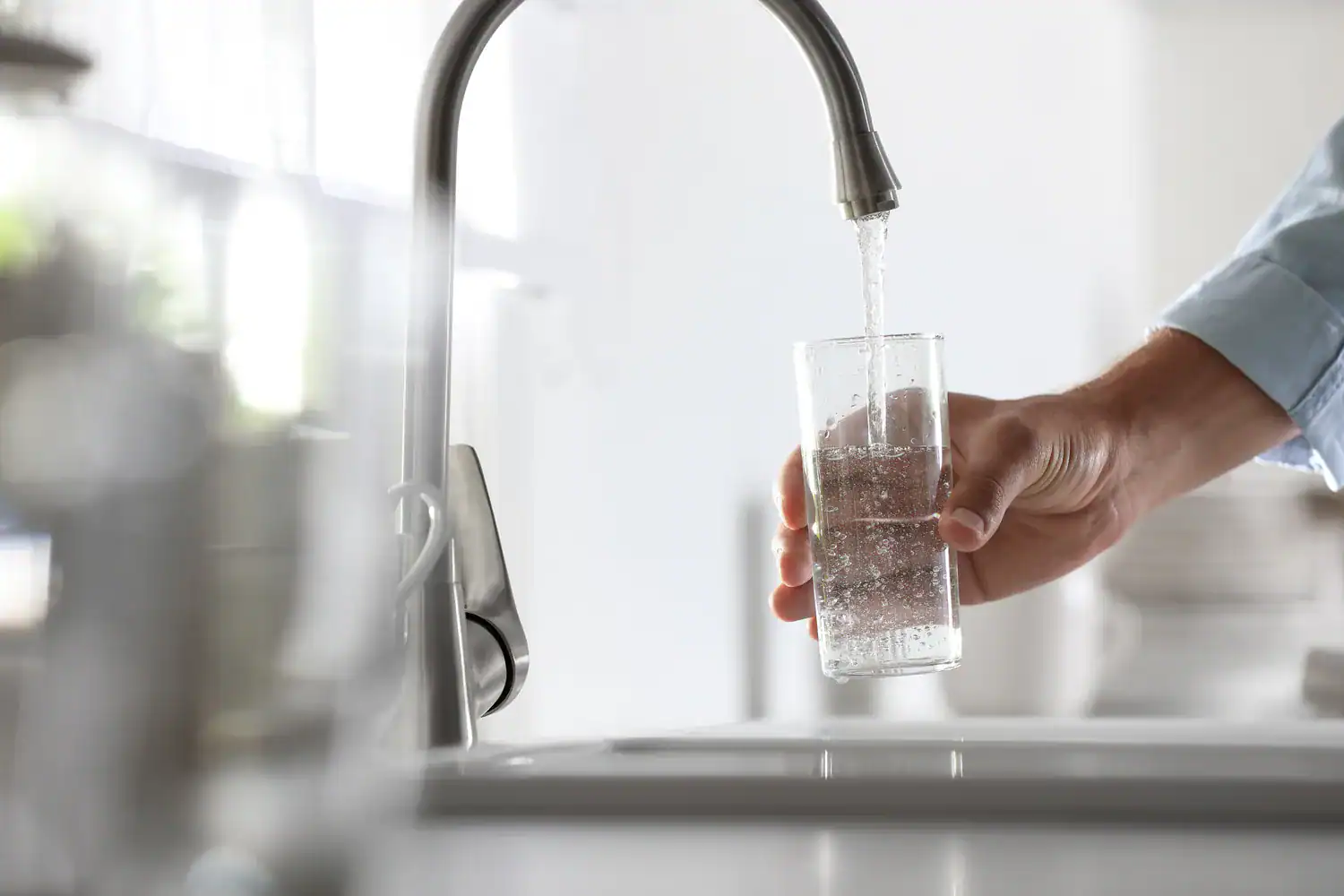
You stop wondering what’s in every glass your kids drink. The crusty feeling after showers disappears. Your skin stops reacting to whatever’s coming through the pipes.
Your appliances last longer because they’re not fighting scale buildup. You use 70% less soap because soft water actually works. The spots on your dishes vanish, and your water heater stops working overtime just to heat hard water.
Testing shows Stuart’s municipal water scores a D+ overall. When measured against health advocacy standards, it drops to an F. That’s not fear tactics, that’s public record. Chromium-6, the chemical from the Erin Brockovich case, shows up in local water at levels that concern health researchers. Arsenic appears naturally in Florida groundwater, and it’s tasteless and odorless, so you’d never know it’s there.
A reverse osmosis system removes up to 99% of contaminants. Activated carbon filtration handles chlorine and organic compounds. UV purification kills bacteria and viruses. You’re not guessing anymore about what’s safe.
We hold an A+ Better Business Bureau rating with a 5-star review average and zero complaints. That doesn’t happen by accident in the water treatment industry.
We’re members of the National Water Quality Association, which means our certifications and installations meet national standards. We focus exclusively on water purification, softening, and filtration for Martin County, St. Lucie County, and Indian River County homes. No plumbing side jobs, no water heater repairs. Just water quality.
If you’re military or a first responder, you get $500 off. We support the Tunnels to Towers Foundation because we believe in taking care of the people who take care of us. Local water quality issues require local expertise, and we’ve built our reputation on understanding exactly what’s in Martin County water and how to remove it.
We start with drinking water quality testing at your home. You need to know what’s actually in your water before deciding on a system. We test for the contaminants that show up most in Martin County: hardness minerals, chlorine, arsenic, nitrates, and chromium-6.
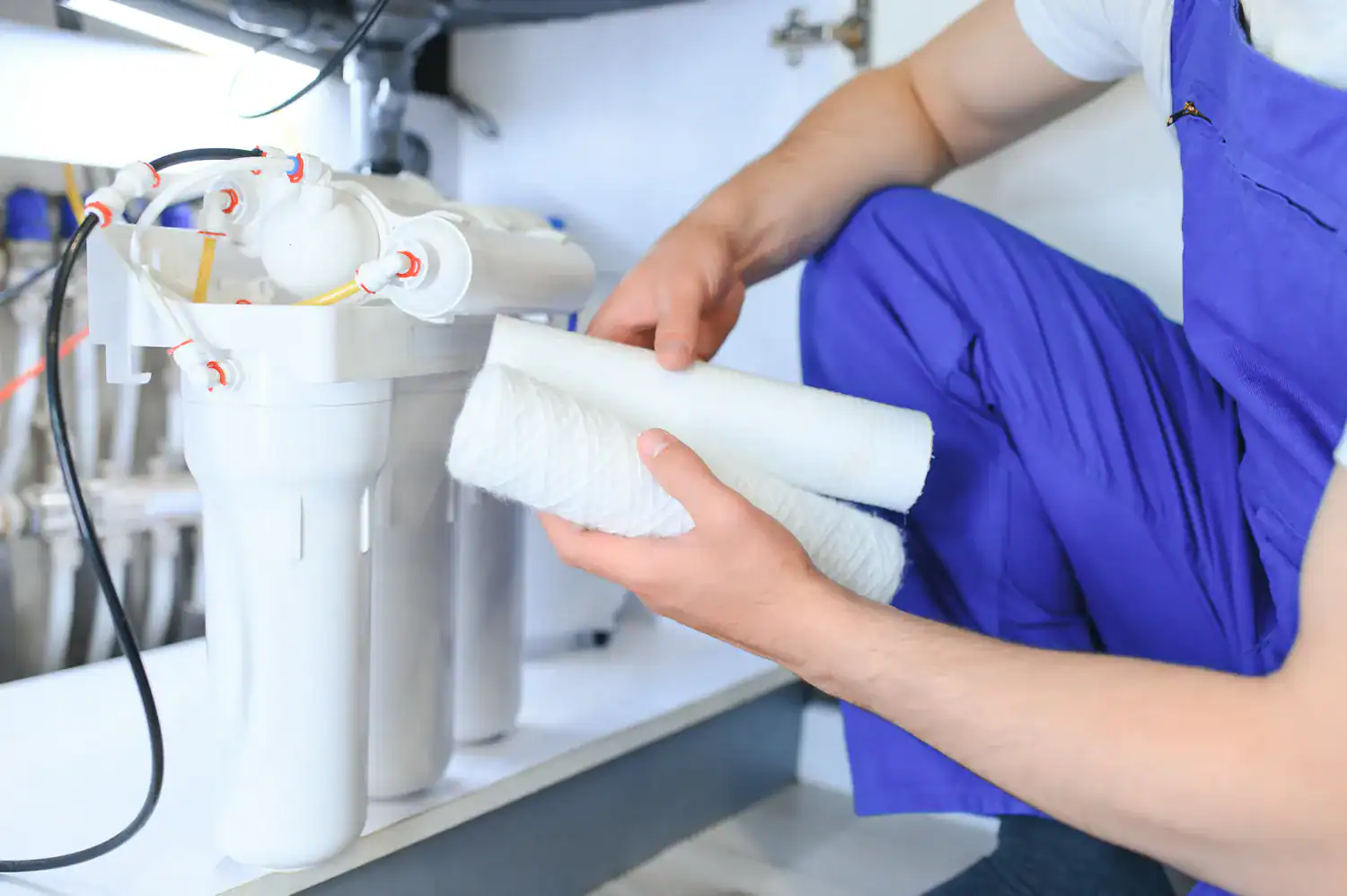
Once we know what we’re dealing with, we recommend a system that addresses your specific water issues. That might be a whole house water filter with activated carbon filtration, a reverse osmosis system for drinking water, a UV purification setup for well water, or a combination. We don’t sell you more than you need.
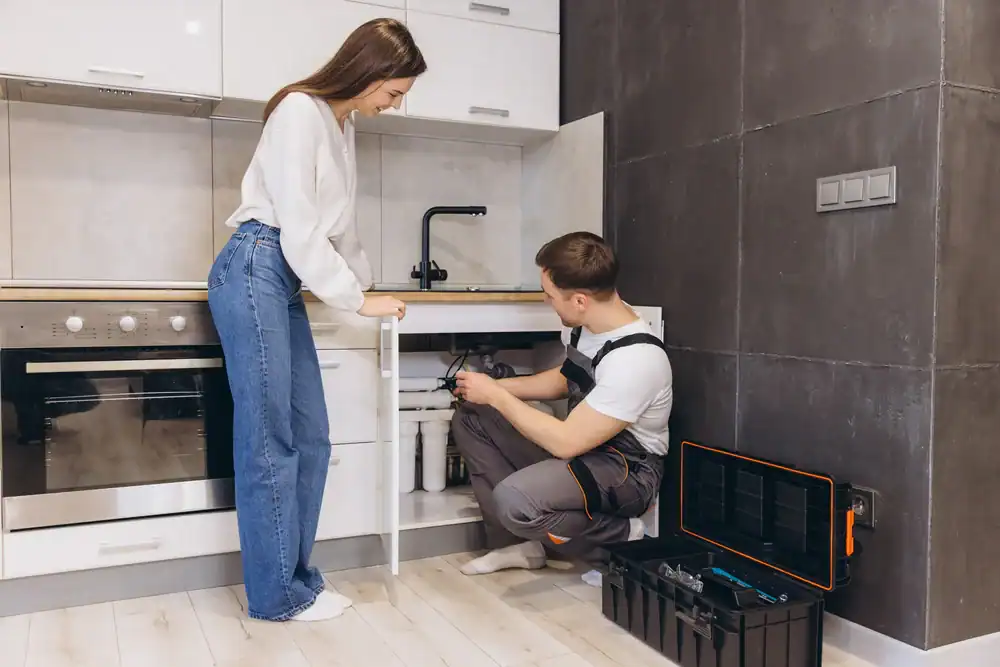
Installation typically takes a few hours for under-sink filter installation, or a full day for whole house systems. We connect the system at your main water line so every faucet, shower, and appliance gets filtered water. After installation, we test the output to confirm contaminant removal, then walk you through basic maintenance.
You’ll notice the difference immediately. Softer skin and hair, no metallic taste, no chlorine smell, and no white crusty deposits on fixtures. Your system comes with ongoing support because water quality isn’t a one-time fix.
Ready to get started?
Reverse osmosis systems handle the heavy lifting for drinking water. They remove arsenic, lead, fluoride, nitrates, and chromium-6 through a multi-stage filtration process. You get a dedicated faucet at your sink that delivers water cleaner than anything you’d buy in bottles.
Whole house water filters treat every drop that enters your home. Activated carbon filtration removes chlorine, volatile organic compounds, and the chemicals that cause bad taste and odor. You’re not just filtering drinking water, you’re filtering shower water, laundry water, and the water that goes into your dishwasher and ice maker.
UV water purification is critical if you’re on well water in Martin County. Agricultural runoff brings nitrates that cause Blue Baby Syndrome in infants, a condition that prevents proper oxygen transport in blood. UV systems kill bacteria, viruses, and parasites without adding chemicals to your water.
Water softeners address the hardness that damages appliances and makes soap ineffective. Martin County water is notoriously hard, which means calcium and magnesium buildup in pipes, water heaters, and anywhere water sits. Soft water extends appliance life and cuts your soap use by 70%. That’s not marketing, that’s measurable savings.
Each system is WQA-certified, which means it’s been tested to actually remove what it claims to remove. You’re not buying a filter that makes water taste better while leaving contaminants behind.
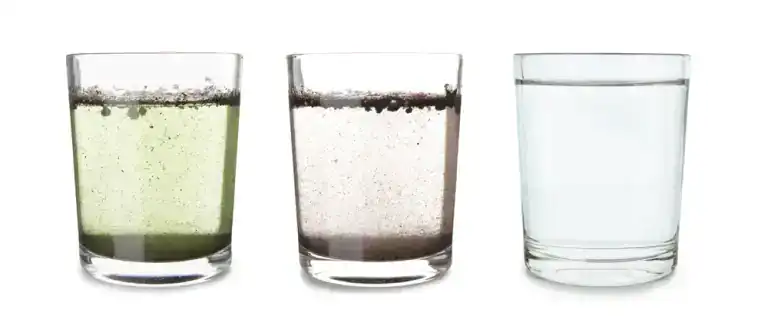
Stuart’s water contains 16 different contaminants affecting over 27,000 residents, according to public water quality reports. The ones that raise the most concern are chromium-6, arsenic, and nitrates.
Chromium-6 is the chemical from the Erin Brockovich case. It causes cancer even at extremely low concentrations, and health advocacy groups flag it as a serious concern in local water. Arsenic appears naturally in Florida groundwater and increases your risk for bladder, lung, and skin cancer, plus cardiovascular disease and diabetes. The problem is you can’t taste it or smell it.
Nitrates come from agricultural runoff, and they’re particularly dangerous for infants. They cause Blue Baby Syndrome, which prevents blood from carrying oxygen properly. If you have well water or live near agricultural areas in Martin County, nitrate testing should be your first step. Municipal water meets legal limits, but those limits are set for adults, not infants or people with compromised immune systems.
Whole house systems typically run between $2,000 and $5,000 depending on your home’s size, water quality issues, and the type of filtration you need. That includes equipment, installation, and initial testing.
If you only need drinking water treated, an under-sink reverse osmosis system costs significantly less, usually $800 to $2,000 installed. UV purification for well water adds another $500 to $1,500 depending on flow rate requirements. Water softeners alone run $1,200 to $3,000 for most Martin County homes.
The return comes from appliance longevity and reduced maintenance costs. Hard water shortens the life of water heaters, dishwashers, and washing machines by causing scale buildup. You’ll also use 70% less soap and detergent with soft water, which adds up over time. Most homeowners see the investment pay for itself within 3 to 5 years just from reduced repairs and product usage. Military personnel and first responders get $500 off, which makes a noticeable difference on any system.
That depends on what’s in your water and what problems you’re trying to solve. If your only concern is drinking water safety, a reverse osmosis system under your kitchen sink handles arsenic, chromium-6, nitrates, and lead effectively.
But if you’re dealing with hard water damage, chlorine smell in showers, or skin irritation after bathing, you need whole house filtration. You absorb chemicals through your skin during showers and baths, and chlorine vapor in hot shower steam is a real exposure route. A drinking water filter doesn’t address that.
Whole house systems also protect your appliances, plumbing, and fixtures from scale buildup and corrosion. If you’ve noticed white crust on faucets, reduced water pressure, or your water heater failing prematurely, those are hard water problems that only a whole house solution fixes. Most Martin County homeowners dealing with municipal water benefit most from a combination: whole house filtration for chlorine and hardness, plus a reverse osmosis system at the kitchen sink for drinking water. That covers both health protection and home protection.
Reverse osmosis systems need filter changes every 6 to 12 months depending on your water quality and usage. The pre-filters and carbon filters are the most frequent, usually every 6 months. The RO membrane itself lasts 2 to 3 years. Annual filter costs typically run $100 to $200 for a standard under-sink system.
Whole house carbon filters need replacement every 6 to 12 months, and those run $50 to $150 depending on the size of your system. UV purification bulbs need annual replacement and cost around $80 to $150. Water softeners need salt refills every few months, which costs about $5 to $10 per bag.
The maintenance isn’t complicated. Most filter changes take 10 minutes once you know what you’re doing, and we walk you through it during installation. You can handle it yourself or schedule service calls. The key is actually doing it on schedule, because a clogged filter stops removing contaminants effectively. We send reminders when it’s time for changes, so you’re not guessing. Skipping maintenance defeats the purpose of having a system in the first place.
A properly sized and installed system shouldn’t cause noticeable pressure loss. The key is matching the system’s flow rate to your home’s water demand and pipe size.
Whole house filters are rated by flow rate, measured in gallons per minute. Most Martin County homes need a system that handles 10 to 15 GPM to avoid pressure drops during peak usage like multiple showers running simultaneously. If the system is undersized, you’ll notice reduced pressure. If it’s sized correctly, you won’t.
Reverse osmosis systems for drinking water do reduce flow at that specific faucet because the filtration process is slower. That’s why they include a storage tank that fills gradually and delivers water on demand. You’re not waiting for water to filter in real-time, you’re drawing from a pressurized tank. For whole house systems, regular filter changes prevent pressure loss from clogged filters. A dirty filter restricts flow, which is why maintenance schedules matter. We size systems based on your home’s plumbing and water usage during the initial assessment, so pressure issues don’t come up later.
Please provide your email address so that we can stay in touch and answer any questions you have! We will be reaching back out shortly.
"*" indicates required fields
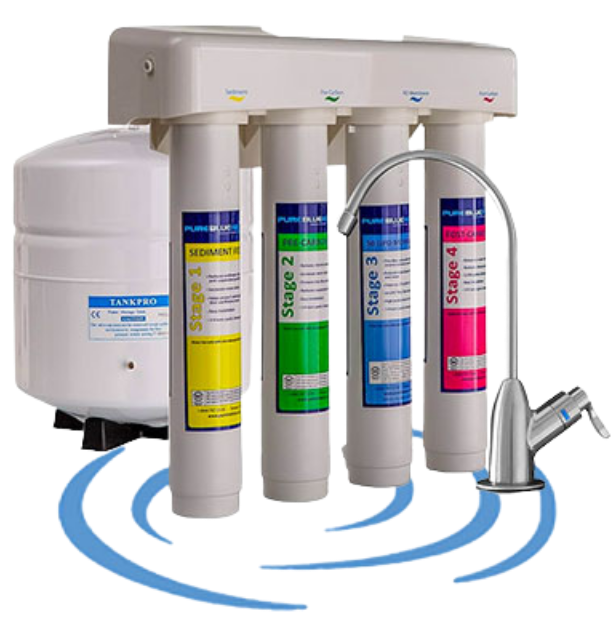
Get a free reverse osmosis drinking water system with the purchase of any whole-home water purification system.
*Cannot be combined with other offers. Mention this special when you call.