Reach Out Today
Please provide your email address so that we can stay in touch and answer any questions you have! We will be reaching back out shortly.

Hear from Our Customers
The water coming into your Lynnhaven home meets federal legal standards. That part is true. What’s also true is that the Environmental Working Group’s independent analysis of the Villages of Lake-Sumter water system found detections of trihalomethanes and haloacetic acids — disinfection byproducts that form when chlorine reacts with organic matter — at levels that exceed EWG’s own health guidelines, even while passing federal tests. There’s a real gap between “legal” and “healthy,” and it shows up in your glass every day.
Then there’s the hard water problem, which is less invisible. Homes in Lynnhaven were built between 2000 and 2005, which means your water heater, dishwasher, and washing machine have been absorbing calcium and magnesium deposits from the Floridan Aquifer for roughly two decades. That mineral buildup is why your appliances run less efficiently, why your showerheads clog, why your glass shower doors look permanently hazy. A whole-house filtration and softening system stops that at the point of entry — before the water reaches anything in your home.
The practical difference is real. Water that doesn’t taste like chlorine. Fixtures that stop collecting white scale. Appliances that last longer because they’re not fighting mineral buildup every cycle. For Lynnhaven residents who host grandchildren, manage health conditions, or simply want to know what’s actually coming out of their tap — clean, filtered water isn’t a luxury. It’s the obvious next step.
We’ve been working with Central Florida water for more than 50 years. That means we’ve been testing, treating, and solving the exact kind of hard, mineral-heavy Floridan Aquifer water that flows through every home in Lynnhaven — long before most of those homes were built. We’re headquartered in Leesburg, roughly 20 miles from The Villages, which makes us a genuinely local company, not a national brand routing your call through a regional office.
Our BBB A-rating comes with a 5-star score and zero complaints on record. That’s not common in this industry — the Florida Attorney General’s office has had to prosecute water treatment companies for fraud, and they explicitly advise consumers to check BBB records before purchasing any system. Our record holds up to that check. We’re also members of the National Water Quality Association and install only NSF-certified components, which means the equipment has been independently verified — not just marketed as high quality.
We service what we install. We also service other brands. If you already have a system in your Lynnhaven home that isn’t being maintained by whoever sold it to you, we can take that over too.
It starts with a real water analysis — not the theatrical chemical-drop demonstration some companies use to make any water look dangerous. We test for the specific parameters that matter in your Lynnhaven home: hardness, iron, manganese, pH, total dissolved solids, chlorine byproducts, and others. The Villages of Lake-Sumter water system has documented detections that are worth understanding, and this analysis gives you an honest picture of what’s actually in your water before anyone recommends a system.
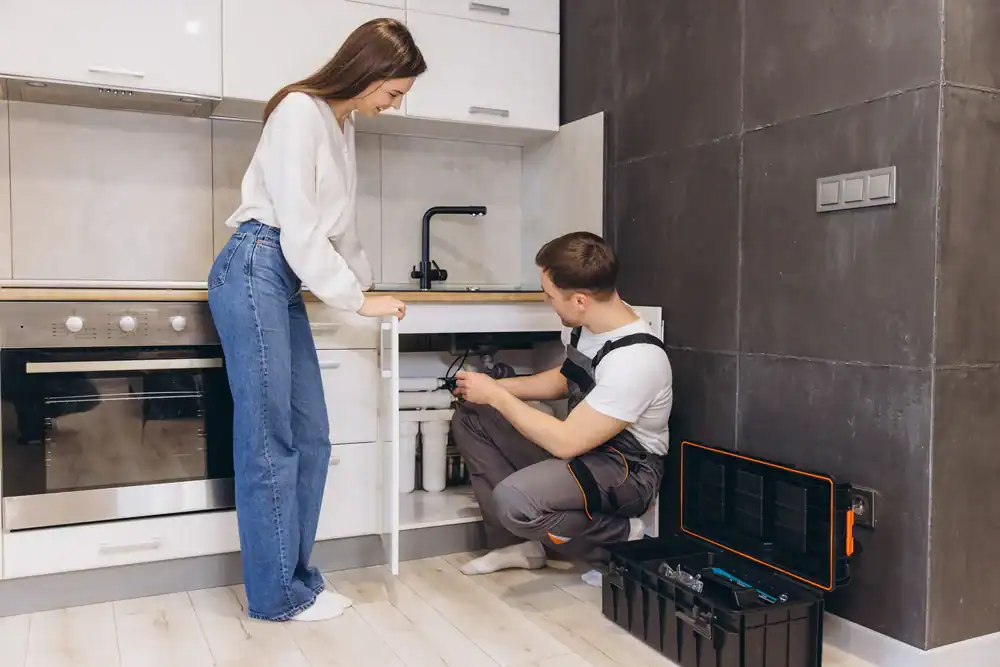
From there, we design a system around your home’s actual water chemistry and your household’s usage — not a one-size-fits-all package pulled off a shelf. Whole-house filtration, reverse osmosis, water softening, salt-free conditioning, UV purification — the right combination depends on what your water contains and what you want it to do. Because Lynnhaven homes have been on this water for 20 years, the assessment also looks at what your existing plumbing and appliances have already been through. Installation is handled by our licensed, insured technicians who know Sumter County permitting requirements and coordinate with the Villages CDD utility on any main line tie-in that’s needed.
After installation, we stay in the picture. Filter changes, system checks, ongoing maintenance — that’s part of the relationship, not an afterthought. If something needs attention down the road, you’re not starting over with a new company.
Ready to get started?
The water serving Lynnhaven comes from the Floridan Aquifer — one of the largest groundwater systems in the world, filtered through limestone bedrock that gives it its characteristic hardness. That’s a specific water chemistry profile, and the systems we install are built around it. Whole-house activated carbon filtration handles chlorine taste, odor, and disinfection byproducts at the point of entry. A water softener or salt-free conditioner addresses the calcium and magnesium that have been scaling your appliances and fixtures since you moved in. For drinking water specifically, a reverse osmosis system removes 95–99% of dissolved solids — including the trihalomethanes, manganese, and other contaminants that municipal treatment doesn’t fully eliminate.
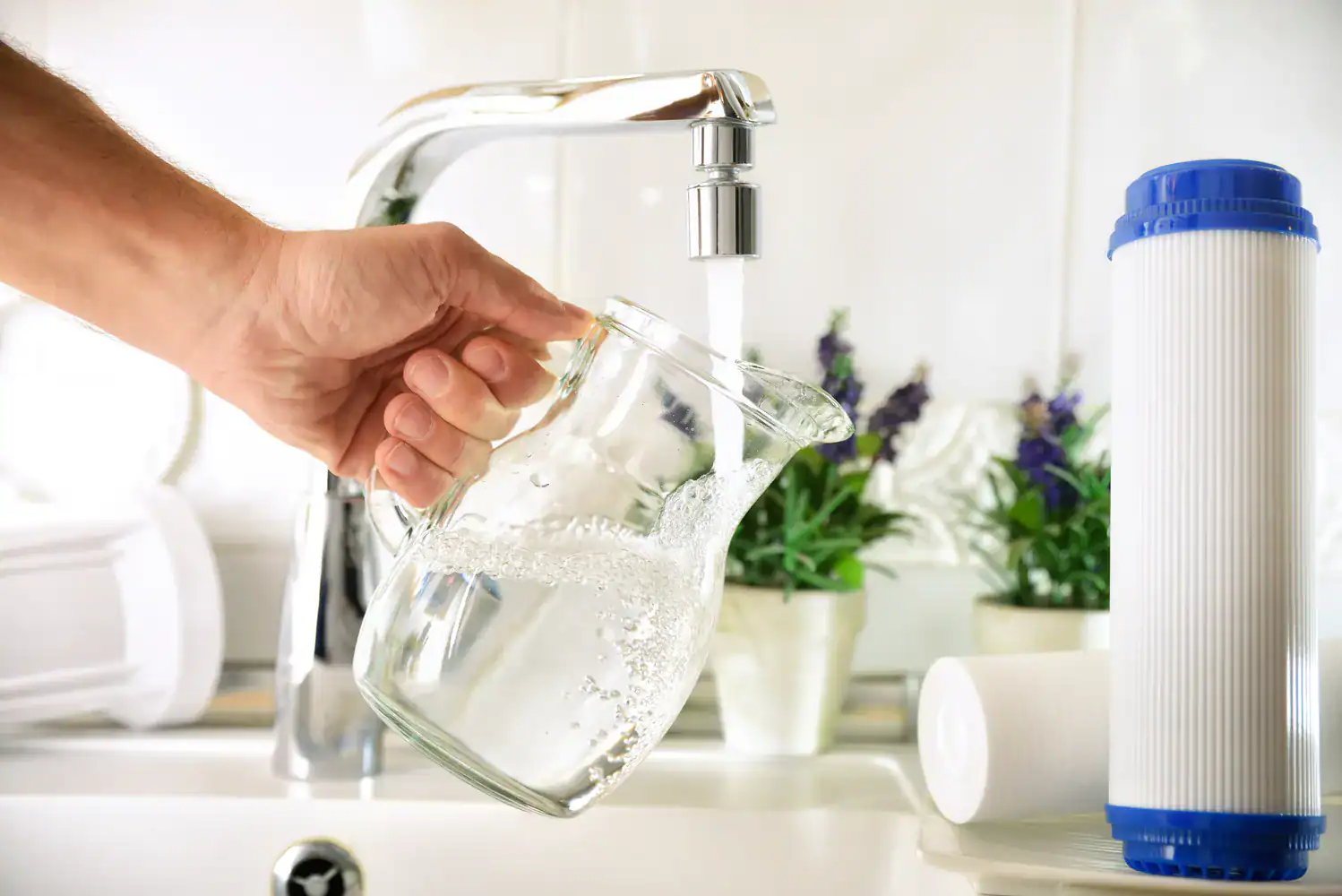
Every system uses NSF-certified components and WQA-certified TAC media, meaning the equipment meets independently verified performance standards — not just manufacturer claims. Sediment removal is typically included as a pre-filter stage to extend the life of the primary filtration components, which matters in a home that’s been on Sumter County water for two decades.
If you’re a military veteran or retired first responder — and The Villages has one of the highest concentrations of both in Florida — we offer a $500 discount on installation. We also support the Tunnels to Towers Foundation, which is a genuine reflection of where we stand, not a line added to a website.
Technically, yes — the Villages of Lake-Sumter water system meets federal legal standards for safety. But “meets legal standards” and “as clean as it could be” aren’t the same thing. The Environmental Working Group’s independent analysis of this water system found detections of total trihalomethanes (TTHMs) and haloacetic acids (HAA5) — disinfection byproducts classified as cancer-causing contaminants — at levels that exceed EWG’s health-based guidelines, even while passing federal tests. Manganese was also detected.
For most healthy adults, short-term exposure isn’t an emergency. But Lynnhaven is a 55+ community where residents are managing long-term health, and drinking this water every day over years is a different calculation than a single exposure. A reverse osmosis system installed at your kitchen sink removes 95–99% of dissolved solids, including the byproducts that municipal treatment leaves behind. We offer a free water analysis that will show you exactly what’s in your specific home’s water before you decide anything.
That chlorine taste is real, and it’s a direct result of how the water utility disinfects the supply. The Villages of Lake-Sumter water treatment plants use chlorination to kill bacteria and pathogens — which is necessary — but the residual chlorine travels all the way to your tap. During summer months in Central Florida, when bacterial loads in source water tend to run higher, utilities often increase chlorination, which can make the taste and odor more noticeable.
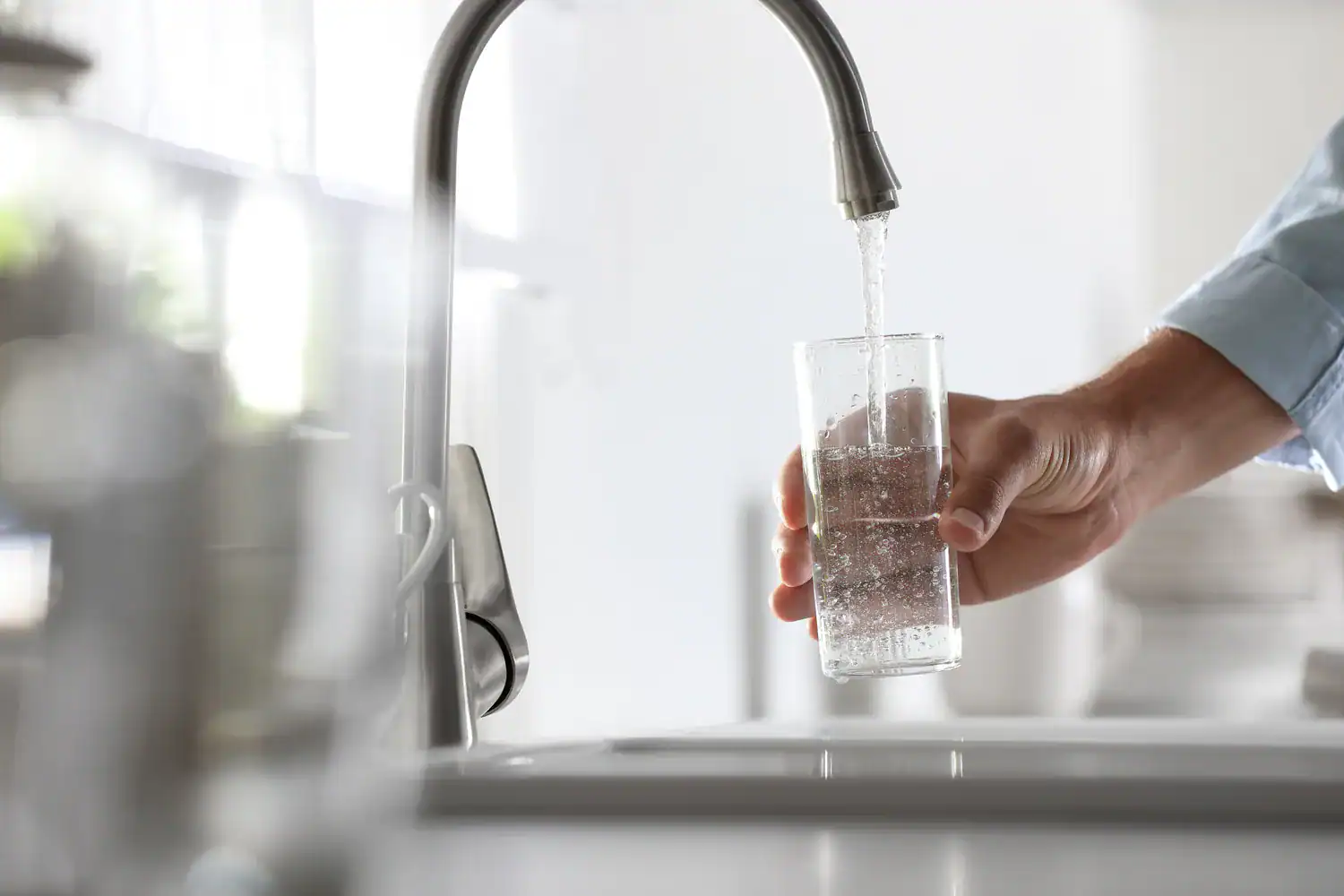
Activated carbon filtration is the most effective and straightforward fix for this. A whole-house carbon filter installed at the point of entry removes chlorine before it reaches any faucet, shower, or appliance in your home. The difference is immediate — water that tastes clean, showers that don’t smell like a pool, and coffee and cooking that actually reflect what you put into them. We can assess whether a point-of-entry system, a point-of-use filter, or a combination makes the most sense for your Lynnhaven home based on your water test results.
Lynnhaven homes were built primarily between 2000 and 2005, which means most of the original appliances and plumbing have been running on hard, mineral-heavy Floridan Aquifer water for close to two decades. The calcium and magnesium in that water don’t pass through harmlessly — they coat the heating elements inside your water heater, reducing efficiency and shortening its lifespan. They clog the spray arms and jets in your dishwasher. They leave mineral deposits inside your washing machine drum and on every faucet, showerhead, and glass surface in your home.
The visible signs — white scale on fixtures, hazy shower glass, spots on dishes — are the easy-to-see version of a problem that’s also happening inside your pipes and appliances where you can’t see it. A whole-house water softener or salt-free conditioning system stops this at the source, before the water reaches anything in your home. For a home that’s already absorbed 20 years of hard water exposure, this is less about preventing future damage and more about stopping the compounding cost of continued damage.
They solve different problems, and most homes in Lynnhaven need both. A water softener specifically targets hardness — the calcium and magnesium minerals that cause scale buildup on appliances, fixtures, and plumbing. It works by exchanging those minerals for sodium ions through a process called ion exchange, which prevents them from depositing on surfaces. Salt-free conditioners work differently — they don’t remove the minerals but change their structure so they’re less likely to scale. Both address the hard water problem that’s particularly significant in Sumter County given the Floridan Aquifer source.
A whole-house filtration system addresses a broader range of water quality issues: chlorine, disinfection byproducts like trihalomethanes, sediment, iron, manganese, and other contaminants. Many Lynnhaven homeowners benefit from a system that combines both — softening or conditioning to protect appliances and plumbing, and filtration to improve the safety and taste of the water itself. Our free water analysis identifies exactly what your home’s water contains, so you’re not guessing about which combination makes sense.
Yes — reverse osmosis is one of the most effective filtration methods available for the specific contaminants detected in the Villages of Lake-Sumter water system. A properly designed RO system removes 95–99% of dissolved solids, including trihalomethanes, haloacetic acids, manganese, arsenic, and most other dissolved contaminants that pass through standard municipal treatment. It works by forcing water through a semi-permeable membrane that blocks particles at the molecular level — far more thorough than a standard carbon filter alone.
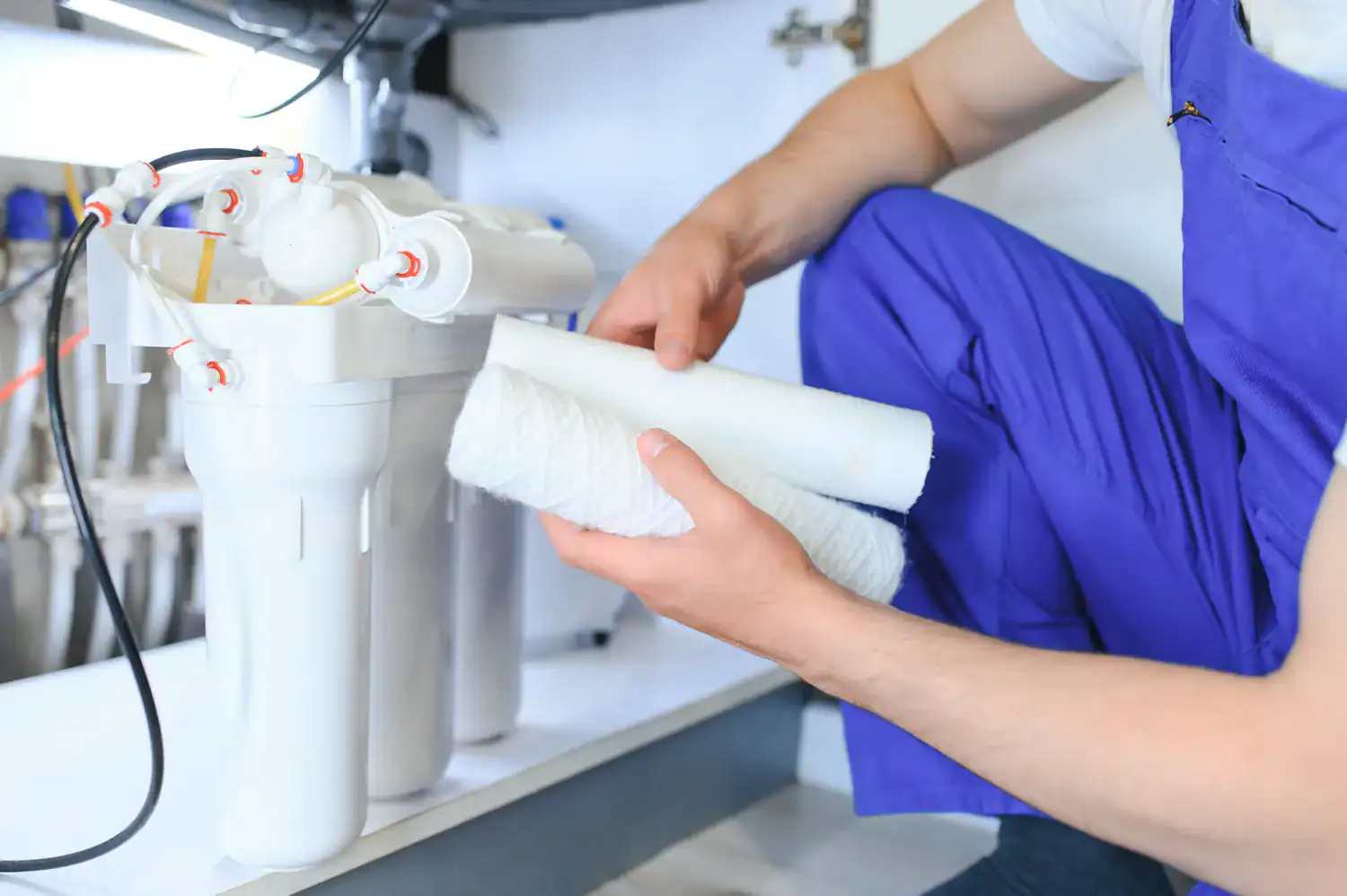
Most under-sink RO systems installed in Lynnhaven homes include a sediment pre-filter, a carbon pre-filter to remove chlorine before it damages the membrane, the RO membrane itself, and a post-filter to polish the water before it reaches your glass. Annual maintenance — typically membrane replacement every two to three years and filter changes once or twice a year — runs approximately $80 to $150, which is a fraction of what most households spend on bottled water. We size and configure RO systems based on your actual water test results, not a generic Florida template.
Please provide your email address so that we can stay in touch and answer any questions you have! We will be reaching back out shortly.
"*" indicates required fields