Reach Out Today
Please provide your email address so that we can stay in touch and answer any questions you have! We will be reaching back out shortly.


Hear from Our Customers
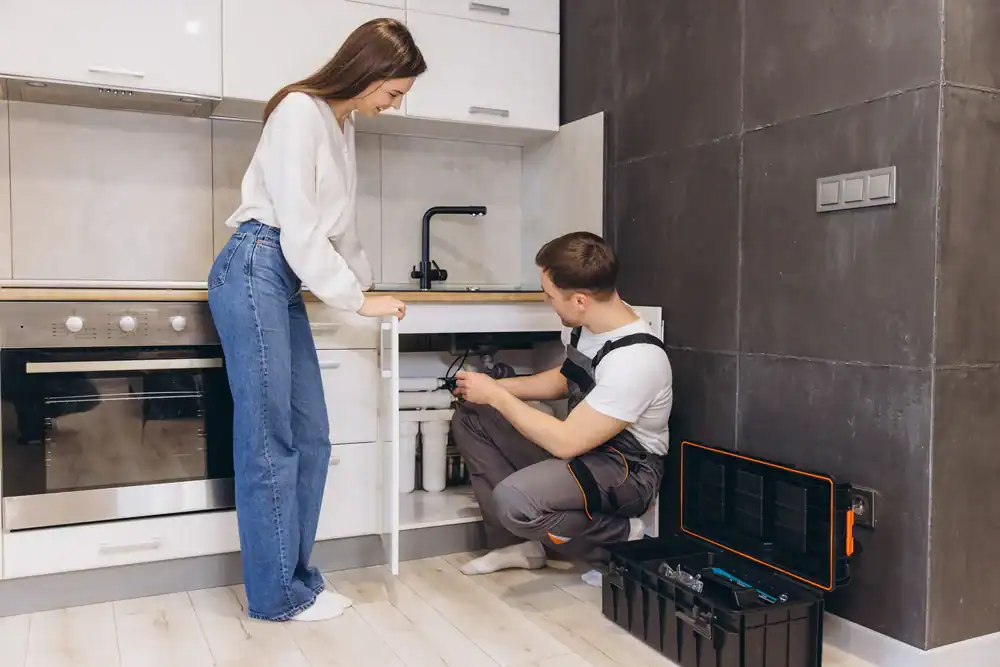
Your skin stops feeling dry after showers. Your coffee tastes better. Your appliances last longer because scale isn’t building up inside them every time water runs through.
That’s what happens when you remove the contaminants Florida water is known for. Not just at one sink, but throughout your entire home. Reverse osmosis systems handle drinking water. Activated carbon filtration takes care of chlorine and chemicals. UV water purification kills bacteria without adding anything to your water.
You’re not buying bottled water by the case anymore. You’re not replacing your water heater early because hard water destroyed it. You’re just using your taps the way they should work—without second-guessing what’s coming out.
We hold an A+ Better Business Bureau rating with a 5-star rating and zero complaints. We’re members of the National Water Quality Association, which means we follow professional standards for water treatment, not just sales tactics.
We specialize in whole-house purification systems for Lakeshore homeowners dealing with Florida’s specific water problems. Unlike national companies that install and disappear, we service what we sell. That’s not common in this industry, but it should be.
We also support the Tunnels to Towers Foundation because we believe in giving back to military families and first responders. If you’re military or a first responder, you get $500 off your system.
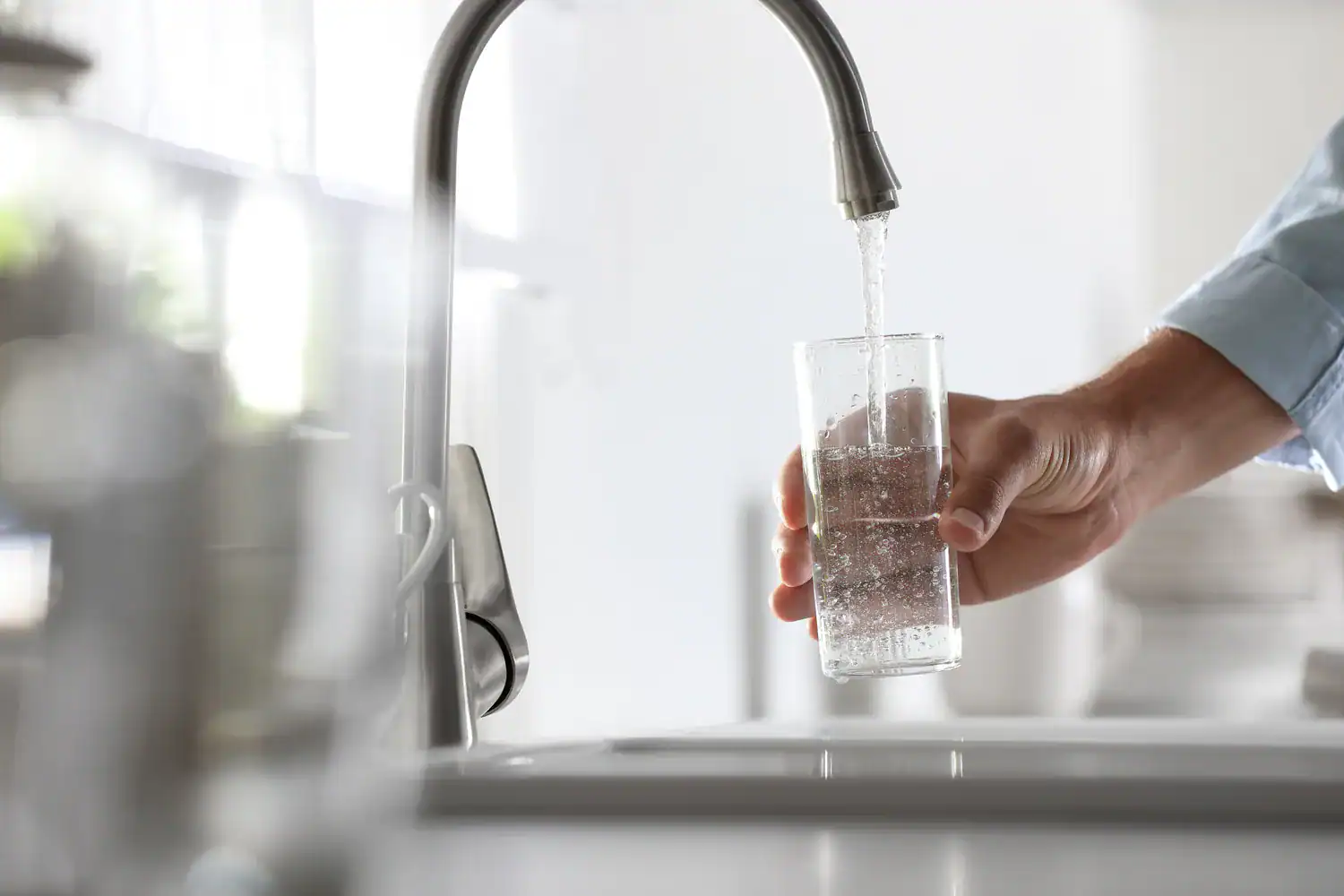
First, we test your water. Not a guess based on your zip code—actual testing to see what’s in your specific water supply. Lakeshore water can vary depending on whether you’re on well water or city water, and what’s upstream from your property.
Once we know what we’re dealing with, we recommend a system that targets those contaminants. That might be a reverse osmosis system for drinking water quality, a whole-house carbon filter for chlorine removal, or UV purification if bacteria is the issue. Sometimes it’s a combination.
Installation typically takes a few hours to a full day depending on the system. We install at the point of entry so every faucet, shower, and appliance gets filtered water. After installation, we walk you through maintenance—which is minimal—and we’re available when you need service.
You’ll notice the difference immediately. Water tastes different. It smells different. And you’ll stop worrying about what your family is drinking and bathing in.
Ready to get started?
Florida water carries specific problems. Nearly one in four Florida waterways shows contamination from nitrogen, phosphorus, or other chemicals. Underground water here is vulnerable because sandy soil doesn’t filter out contaminants the way denser soil does in other states.
Your system removes what matters most to your household. Reverse osmosis handles dissolved solids, heavy metals, and PFAS—those “forever chemicals” that most wastewater treatment plants don’t remove. Activated carbon filtration pulls out chlorine, pesticides, and the chemicals that make your water taste or smell off. UV water purification kills bacteria and viruses without adding chlorine or other chemicals back into your water.
If you’re dealing with hard water—and most Lakeshore homes are—we address that too. Hard water leaves white spots on dishes, makes soap less effective, and builds scale inside your pipes and appliances. A water softener protects your plumbing and extends the life of anything that uses water.
Under-sink filter installation works for targeted drinking water treatment. Whole-house systems treat everything. We recommend based on what your water test shows and what you’re trying to solve.
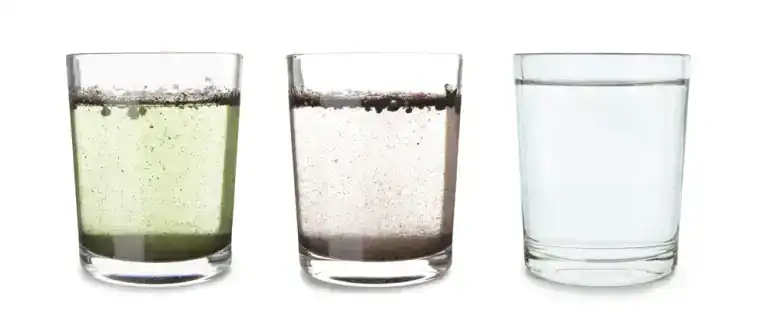
Most whole-house water filtration systems last 10 to 15 years with proper maintenance. The system itself—the tanks, housings, and main components—are built to last. What you’ll replace periodically are the filter media and cartridges, depending on your system type.
Activated carbon filters typically need replacement every 6 to 12 months, depending on your water usage and contamination levels. Reverse osmosis membranes last 2 to 3 years. UV bulbs need replacement annually to maintain effectiveness, even though they still produce light—the germicidal wavelength weakens over time.
Florida’s water conditions can affect lifespan. If you have high sediment or iron content, pre-filters work harder and need more frequent changes. But that’s protecting your main system, which is the point. Regular maintenance keeps everything running efficiently and ensures you’re actually removing contaminants, not just running water through a clogged filter.
That rotten egg smell comes from hydrogen sulfide gas, and it’s common in Florida well water. An activated carbon filter can handle low levels of sulfur, but moderate to high concentrations need a different approach.
Most effective is an oxidation system that converts hydrogen sulfide into particles, then filters them out. Some systems use aeration to release the gas before water enters your home. For severe cases, chlorination followed by carbon filtration works, but you need the carbon stage to remove the chlorine you just added.
The right solution depends on your sulfur concentration, which we measure during water testing. There’s no one-size-fits-all answer, and anyone who gives you one without testing your water is guessing. Sulfur doesn’t just smell bad—it can corrode pipes and stain fixtures. Fixing it improves your water quality and protects your plumbing investment.
Whole-house systems typically range from $2,000 to $6,000 installed, depending on the type of filtration, your home’s size, and what contaminants you’re removing. A basic carbon filtration system costs less than a multi-stage system with reverse osmosis and UV purification.
That sounds like a lot compared to a pitcher filter, but look at what you’re getting. You’re filtering every gallon of water that enters your home—for drinking, cooking, bathing, laundry, and appliances. At average usage, that’s 300 gallons per day for a family of four. Compare that to buying bottled water at $5 per gallon, and a whole-house system pays for itself.
Plus, you’re protecting appliances that cost thousands to replace. Water heaters, dishwashers, and washing machines last significantly longer without hard water and sediment running through them constantly. We’re not the cheapest option in Lakeshore, and that’s intentional. You’re paying for a system that works, professional installation, and service after we leave. Companies that lowball the price often disappear when you need maintenance.
In most cases, no. Water filtration systems typically don’t require permits in Lakeshore because they’re not altering your plumbing structure—they’re adding treatment at the point of entry. You’re filtering water, not rerouting pipes or changing your home’s water supply connection.
Water softeners sometimes fall into a gray area depending on local codes, especially if there’s a drain line involved for backwash. We handle those details during installation and know what Lakeshore requires. If a permit is needed, we’ll tell you upfront.
What you should verify is whether your homeowners association has restrictions on exterior equipment placement. Some HOAs have rules about where tanks and systems can be located. We’ve installed hundreds of systems in Florida and can usually find a compliant location that still allows easy access for maintenance. Don’t let permit concerns stop you from getting clean water—it’s rarely an issue, and when it is, it’s a simple process.
Reverse osmosis forces water through a membrane that removes dissolved solids, heavy metals, fluoride, and PFAS. It’s extremely effective for drinking water quality but produces some wastewater in the process—typically 3 to 4 gallons of wastewater per gallon of filtered water. RO systems are usually installed under the sink for drinking and cooking water.
Activated carbon filtration uses a porous carbon media that absorbs chlorine, pesticides, herbicides, and organic compounds that affect taste and odor. Carbon filters work well for whole-house applications because they don’t waste water and can handle high flow rates. They don’t remove dissolved minerals, so they won’t address hard water.
Many homes benefit from both. Carbon filtration for the whole house removes chlorine and chemicals. Reverse osmosis at the kitchen sink handles drinking water and removes contaminants carbon can’t touch. It’s not an either-or decision. Your water test results show what you need, and we design systems that address your specific contamination without over-treating or under-treating.
Please provide your email address so that we can stay in touch and answer any questions you have! We will be reaching back out shortly.
"*" indicates required fields