Reach Out Today
Please provide your email address so that we can stay in touch and answer any questions you have! We will be reaching back out shortly.

Hear from Our Customers
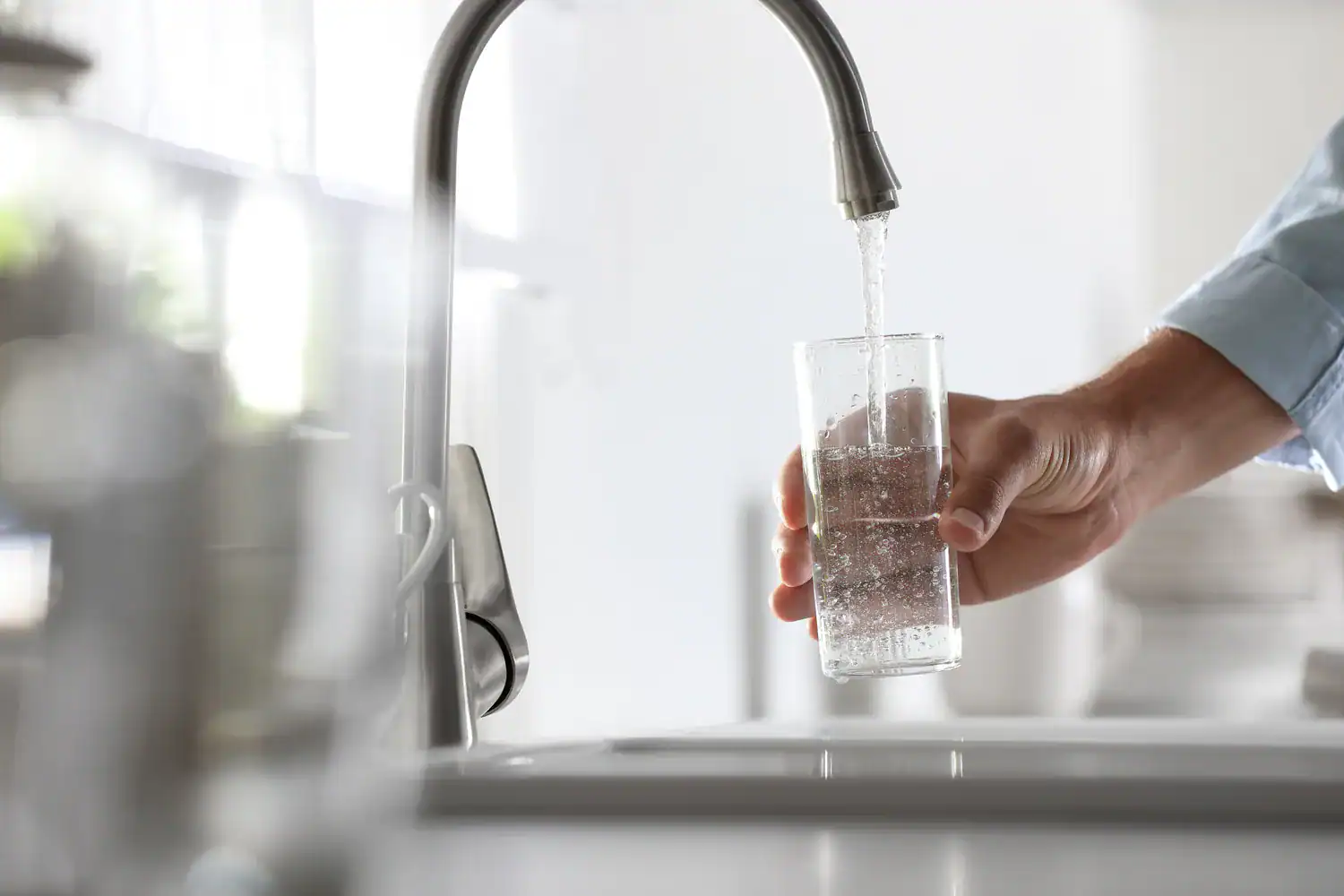
Your water stops smelling like rotten eggs when guests come over. Those orange rings around the toilet disappear without scrubbing. Your coffee tastes right because chlorine isn’t competing with the beans.
Your water heater lasts years longer without fighting scale buildup. Your washing machine doesn’t break down from mineral deposits. Soap actually lathers instead of leaving that sticky film on your skin.
This is what whole house water filtration does. It catches iron, sulfur, bacteria, and hard water minerals before they enter your plumbing. Every faucet, every shower, every appliance gets treated water. Not just the kitchen sink.
We’ve been installing water filtration systems in Lake Richmond and Central Florida for decades. We’re A+ rated with the Better Business Bureau with zero complaints on record. We’re members of the National Water Quality Association, which means we follow actual industry standards.
We don’t do plumbing or water heaters. We focus exclusively on water purification and filtration. When you call six months after installation because something needs adjusting, we answer. That’s the difference between working with a local company and dealing with national operations that disappear after the sale.
Lake Richmond sits on well water with high iron content and sulfur issues. We’ve treated hundreds of homes in this area. We know what you’re dealing with before we test your water.
First, we test your water. Not a basic hardness test—a full analysis that identifies iron levels, sulfur content, pH balance, bacteria, and total dissolved solids. This tells us exactly what you’re dealing with and what system will actually fix it.
Then we recommend a system based on your test results and your home’s water usage. If you have high iron and sulfur, you need different filtration than someone dealing with just hard water. We size the system correctly so it handles your household demand without pressure drops.
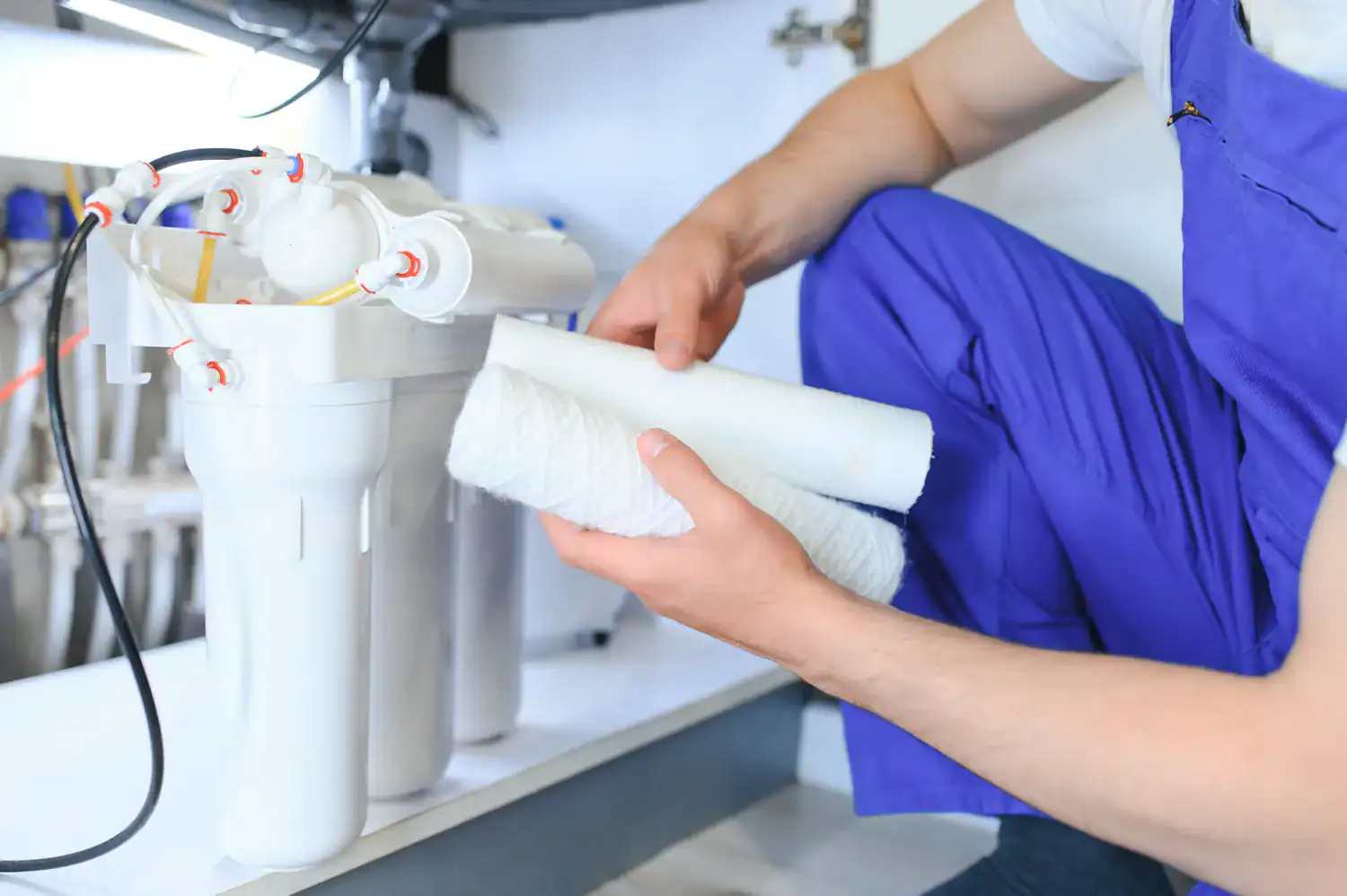
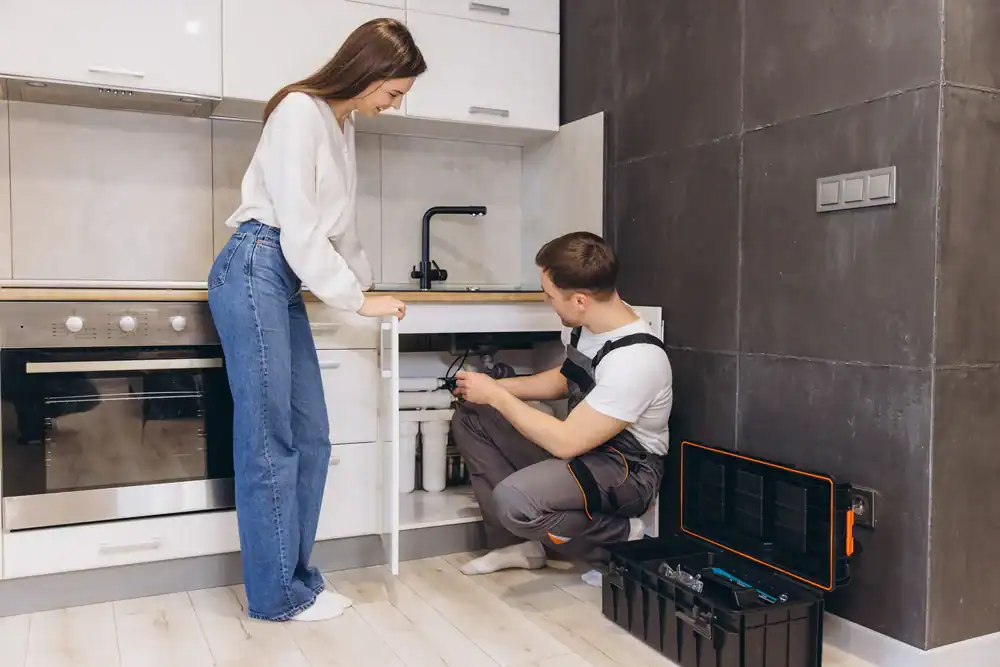
Installation takes about a day for most whole house systems. We install the filtration unit on your main water line before it branches to your fixtures. This means treated water reaches every tap, toilet, shower, and appliance. We test the system when we’re done to confirm it’s removing what it should.
After installation, we’re available for service calls and filter changes. Most systems need filter replacements every 6-12 months depending on your water quality and usage. We handle that, or we walk you through doing it yourself if you prefer.
Ready to get started?
A whole house water filtration system treats water at the point it enters your home. This is different from under-sink filter installation or countertop units that only treat water at one location. When you filter at the main line, every drop that enters your house is treated.
Most Lake Richmond homes need multi-stage filtration. That typically means a sediment filter to catch particles, activated carbon filtration to remove chlorine and organic compounds, and either a water softener or iron removal system depending on your test results. If you’re on well water with bacteria concerns, UV water purification gets added to kill microorganisms.
Florida’s average water hardness runs 100-300 PPM, with much of Central Florida yielding water above 180 PPM. Lake Richmond falls into this range. Hard water causes scale buildup in pipes and appliances, shortens water heater lifespan, and makes soap less effective. A properly sized system handles this before it becomes a maintenance problem.
Reverse osmosis systems are often added at the kitchen sink for drinking water. These remove dissolved solids that other filters miss, giving you bottled-water quality from your tap. This is separate from your whole house system but works alongside it for complete coverage.
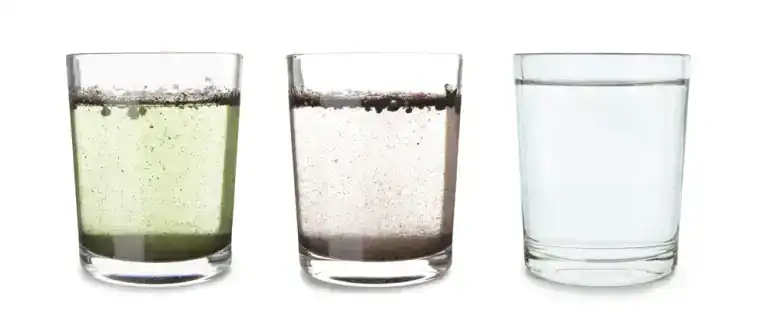
If your water smells like sulfur, leaves orange or brown stains, or makes your fixtures look crusty with white buildup, you need filtration. These are the most common signs in Lake Richmond because well water here contains iron, sulfur, and high mineral content.
Other indicators include water that tastes metallic or like chlorine, soap that won’t lather properly, or dishes that come out of the dishwasher with spots. If your water heater is failing earlier than it should or your washing machine has mineral buildup, that’s hard water damage.
The only way to know for certain is water testing. We test for iron, hardness, pH, sulfur, bacteria, and other contaminants. The test results tell us what’s in your water and what type of filtration will fix it. Some homes need basic softening. Others need iron removal, sulfur treatment, and bacteria elimination. Testing removes the guesswork.
Under-sink filter installation treats water at one location—usually your kitchen faucet. Whole house systems treat water at your main line before it reaches any fixture. This means your shower, toilets, washing machine, and every faucet get filtered water.
If you only install an under-sink filter, you’re still showering in water with chlorine and minerals. You’re still washing clothes in hard water that fades colors and wears out fabric. Your water heater is still accumulating scale. An under-sink system helps with drinking water, but it doesn’t protect your home or appliances.
Whole house water filtration systems handle everything. They remove iron before it stains your toilets. They catch sulfur before it makes your shower smell. They soften water before it damages your plumbing. If you’re dealing with Lake Richmond well water issues, treating at the main line is the only approach that actually solves the problem throughout your entire home.
Most whole house systems need filter replacements every 6-12 months. Sediment filters and carbon filters are the main recurring costs, typically running $100-300 annually depending on your system size and water quality. If you have heavy iron or sediment, you’ll replace filters more frequently.
Water softeners need salt refills every few months. A 40-pound bag of salt costs around $6-8 and lasts 6-8 weeks for an average household. If your system includes a reverse osmosis unit at the kitchen sink, those filters need changing every 6-12 months and run about $50-100 for the set.
UV water purification systems need bulb replacements annually. The bulb costs around $80-150 depending on the model. Some systems also have pre-filters that need changing every few months. We provide a maintenance schedule when we install your system so you know exactly what to expect and when. Regular maintenance keeps the system working correctly and prevents bigger problems down the road.
A properly sized system won’t cause noticeable pressure loss. The key is matching the system capacity to your home’s water demand. If you have a 3-bathroom home with high usage and we install a system rated for a 2-bathroom home, you’ll see pressure drops. That’s why we size systems based on your household needs, not just what’s cheapest.
Most pressure complaints come from undersized systems or clogged filters. When filters get loaded with sediment and aren’t changed on schedule, water has to work harder to pass through. This causes pressure loss. Regular filter changes prevent this.
If your home already has low pressure before filtration, we address that first. Sometimes the issue is your well pump, corroded pipes, or a pressure tank that needs adjustment. Adding filtration to a system that already has pressure problems will make it worse. We test your current pressure during the initial consultation and recommend solutions if there’s an existing issue that needs fixing before we install filtration.
The main components of a quality whole house system last 10-20 years with proper maintenance. Tanks, valves, and housings are built to run for decades. What you replace regularly are the filter media and consumable parts like UV bulbs.
Water softener resin beds typically last 10-15 years before needing replacement. Carbon filters in whole house systems get changed every 6-12 months, but the tank housing lasts much longer. Reverse osmosis membranes last 2-3 years. Sediment filters are replaced every few months depending on your water quality.
The longevity depends heavily on maintenance and water quality. If you’re filtering water with extremely high iron or sediment, components work harder and may need replacement sooner. If you skip filter changes and let the system run with clogged media, you’ll shorten its lifespan. We provide maintenance schedules and service reminders to help you get the maximum life from your investment. Most homeowners who follow the maintenance schedule get 15+ years from their system.
Please provide your email address so that we can stay in touch and answer any questions you have! We will be reaching back out shortly.
"*" indicates required fields