Reach Out Today
Please provide your email address so that we can stay in touch and answer any questions you have! We will be reaching back out shortly.

Hear from Our Customers
You stop replacing appliances early because scale isn’t eating through your water heater and dishwasher. Your water pressure stays consistent because mineral buildup isn’t clogging your pipes. You’re not buying bottled water or wondering what’s actually in the glass you just poured.
Lake Cherokee pulls water from the Floridian Aquifer, which means it’s passing through limestone and picking up calcium, magnesium, iron, and sulfur along the way. That’s why your water is hard – often between 100 and 300 parts per million. It’s also why you’re dealing with rust stains, that rotten egg smell, and soap that doesn’t rinse clean.
A water filtration system handles all of it. Reverse osmosis systems remove contaminants down to the molecular level. Activated carbon filtration pulls out chlorine, chemicals, and odors. UV water purification kills bacteria and viruses without adding anything to your water. You get clean water at every tap, and your home stops taking the hit.
We’ve been handling Central Florida’s water issues for over 50 years. We’re not a national chain that sells you a system and disappears. We’re local, we service what we install, and we actually answer the phone when something needs attention.
We hold an A+ rating with the Better Business Bureau with zero complaints, and we’re members of the National Water Quality Association. That’s not marketing – it’s accountability. Lake Cherokee homeowners deal with specific water challenges, from blue-green algae concerns to iron staining to PFAS contamination. We test your water first, then build a system around what’s actually in it.
You’re not getting a one-size-fits-all setup. You’re getting a solution designed for your home and your water.
We start with a free water analysis at your home. We test for hardness, iron, sulfur, bacteria, pH levels, and contaminants like PFAS. You see the results, and we explain what they mean in plain terms.
Then we design a system based on your water usage and what’s actually in your water. That might mean a whole house filtration system with UV purification if bacteria is the issue. It could be an under-sink filter installation with reverse osmosis if you want drinking water quality at the tap. Or a combination system that handles hard water, removes iron and sulfur, and purifies everything coming into your home.
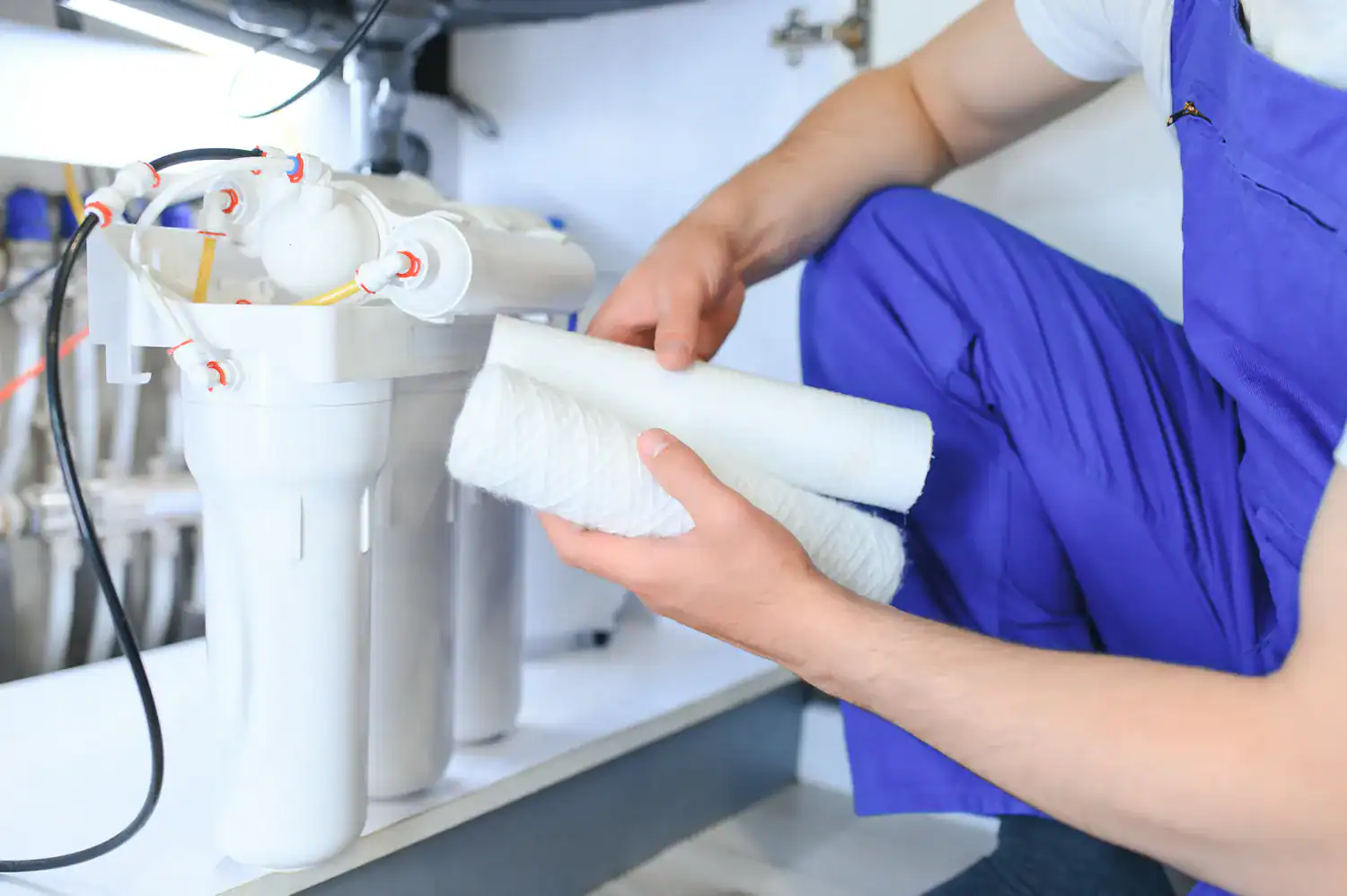
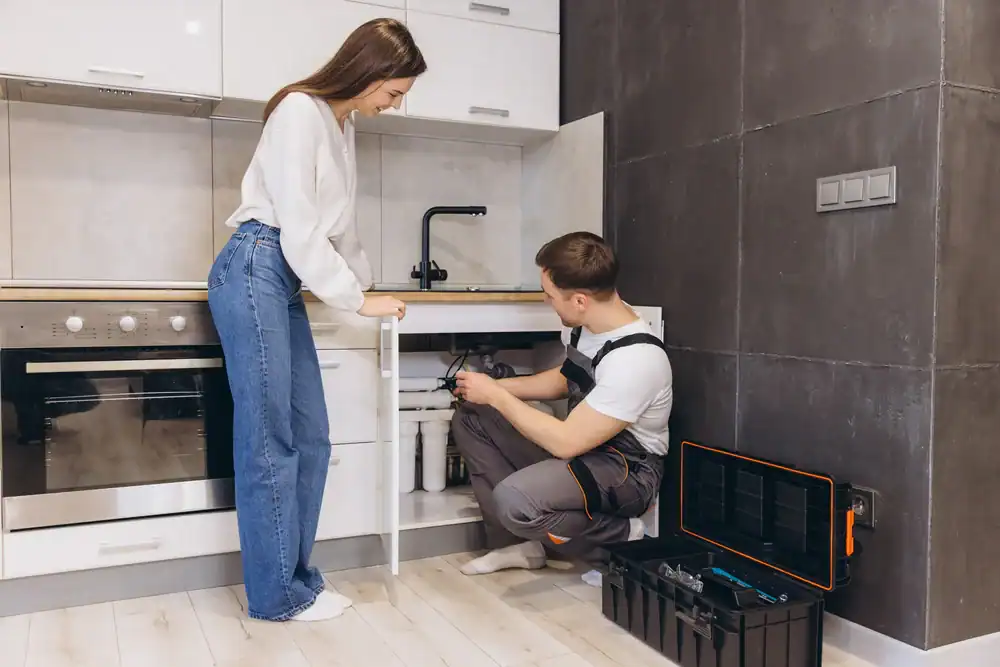
Installation happens on your timeline. We handle the plumbing connections, set up the filtration stages, and test everything before we leave. You get a walkthrough of how the system works and what maintenance looks like. Then we stay available – not just for emergencies, but for regular service, filter changes, and any questions that come up.
Ready to get started?
Whole house water filtration systems treat every drop of water entering your home. You’re protecting appliances, fixtures, and your family all at once. These systems combine multiple filtration stages – sediment filters to catch particles, activated carbon to remove chlorine and chemicals, and water softening or conditioning to handle hardness without salt.
Reverse osmosis systems are for drinking water quality testing and purification. They remove up to 99% of contaminants, including lead, arsenic, PFAS, and dissolved solids. Most homeowners install these under the kitchen sink, but whole-house reverse osmosis is an option if you want that level of filtration everywhere.
UV water purification kills bacteria, viruses, and microorganisms without chemicals. This matters in Lake Cherokee, where blue-green algae blooms have been documented as recently as September 2024. UV light destroys waterborne pathogens at the molecular level, and it works continuously as water flows through.
Iron and sulfur removal systems handle the rust stains and rotten egg smell that come from well water or certain municipal sources. These aren’t just cosmetic fixes – iron bacteria can damage plumbing, and sulfur makes water undrinkable. We filter it out before it reaches your taps.
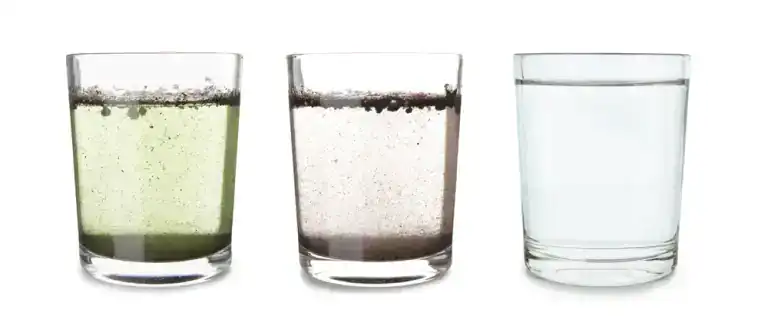
If you’re seeing rust stains on fixtures, smelling sulfur when you turn on the hot water, or dealing with soap scum that won’t rinse off, your water needs treatment. Those are the visible signs. The invisible ones matter more.
Lake Cherokee water comes from the Floridian Aquifer, which means it’s hard – usually between 100 and 300 parts per million of dissolved minerals. That level of hardness shortens the life of your water heater, dishwasher, and washing machine by building up scale inside the components. A 2015 study found that a one-foot decrease in water clarity in Florida lakes had a $541 million negative impact on property values, and water quality inside your home affects resale value too.
The only way to know exactly what’s in your water is to test it. We do that for free. You’ll see hardness levels, iron content, sulfur, pH, bacteria, and emerging contaminants like PFAS. Then you can decide what makes sense for your home.
A water softener only handles hardness – the calcium and magnesium that cause scale buildup. It does that by exchanging those minerals for sodium through a salt-based process. You get softer water, but you’re not removing contaminants, bacteria, chlorine, or anything else that affects water quality.
A whole house water filtration system treats multiple issues at once. You’re filtering out sediment, removing chlorine and chemicals with activated carbon, and handling hardness with either a softener or a salt-free conditioner. You can add UV purification to kill bacteria, or iron and sulfur removal if those are problems. It’s a complete system, not a single-function appliance.
Most Lake Cherokee homes need more than just softening. If your water smells like rotten eggs, that’s hydrogen sulfide gas – a softener won’t touch it. If you’re concerned about PFAS or other contaminants, you need filtration or reverse osmosis. We build systems that address everything your water test shows, not just one piece of the problem.
Whole house systems typically range from $2,000 to $6,000 depending on what your water needs and how many filtration stages you’re installing. An under-sink reverse osmosis system runs $400 to $1,200. UV purification adds $500 to $1,500. If you need iron or sulfur removal, that’s another component with its own cost.
Maintenance is straightforward. Sediment and carbon filters need replacing every 6 to 12 months, depending on your water usage and quality. That usually costs $100 to $300 per year. Reverse osmosis membranes last 2 to 3 years. UV bulbs need annual replacement. Salt-based softeners require salt refills every few months.
Compare that to the cost of not filtering your water. Replacing a water heater early because of scale buildup costs $1,200 to $3,500. A new dishwasher is $400 to $1,000. Appliances last half as long in hard water. You’re either paying for filtration or paying for repairs and replacements – filtration is cheaper in the long run. We also offer a $500 discount for military families and first responders.
Yes, but you need the right type of system. That rotten egg smell comes from hydrogen sulfide gas, and it gets worse when you use hot water because heat releases the gas. A standard carbon filter won’t remove it completely – you need a system designed specifically for sulfur.
Our sulfur removal systems use oxidation to convert hydrogen sulfide into particles that can be filtered out. Some systems use aeration, others use chemical oxidation, and some combine filtration with activated carbon to handle both the sulfur and any taste or odor issues. UV purification can also help if the sulfur smell is caused by sulfur bacteria in your water.
The solution depends on how much sulfur is in your water and whether you’re dealing with gas or bacteria. That’s why we test first. Once we know the concentration and the source, we can install a system that eliminates the smell at every tap – not just masks it. You’ll notice the difference immediately, and your water will actually be safe and pleasant to use.
Most whole house installations take 4 to 8 hours, depending on the complexity of your system and your home’s plumbing setup. If we’re installing a basic filtration and softening system, we’re usually done in half a day. If you’re adding reverse osmosis, UV purification, and iron removal, it might take a full day.
We’re connecting the system to your main water line, so every tap in your home gets filtered water. That means shutting off your water supply temporarily while we make the connections. We work efficiently, and we clean up completely when we’re done. You’re not left with a mess or half-finished work.
After installation, we test the system to make sure everything is working correctly and that your water quality meets the standards we discussed. We walk you through how to monitor the system, when filters need changing, and what to watch for. Then we schedule your first maintenance visit and make sure you have our contact information for anything that comes up. You’re not on your own after we leave.
Please provide your email address so that we can stay in touch and answer any questions you have! We will be reaching back out shortly.
"*" indicates required fields
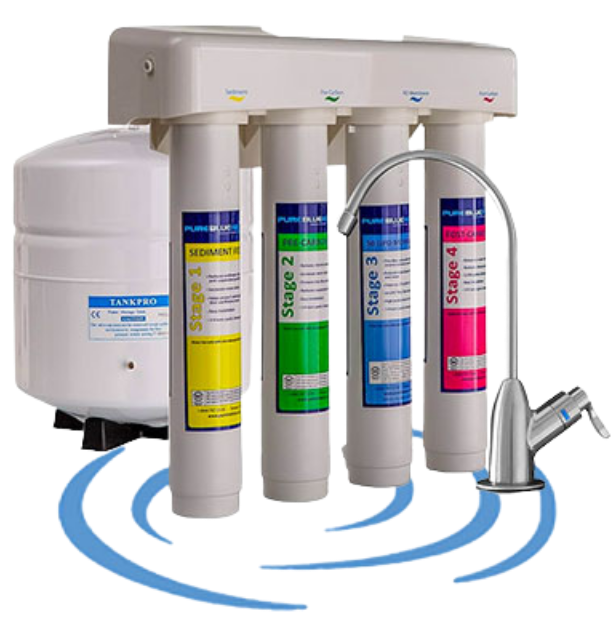
Get a free reverse osmosis drinking water system with the purchase of any whole-home water purification system.
*Cannot be combined with other offers. Mention this special when you call.