Reach Out Today
Please provide your email address so that we can stay in touch and answer any questions you have! We will be reaching back out shortly.

Hear from Our Customers

Your water heater stops building up scale. Your dishwasher quits leaving spots on every glass. Your shower doors stay clearer longer, and you’re not scrubbing orange stains off the toilet every week.
That’s what happens when you install a water filtration system that actually handles what’s in Lake Butler’s water supply. Florida’s aquifer water comes loaded with calcium, magnesium, iron, and sometimes sulfur—all of which wreak havoc on your plumbing and appliances if left untreated.
A properly designed system removes those minerals before they cause damage. You’ll use less soap because it actually lathers. Your washing machine won’t leave residue on clothes. And you’ll stop buying bottled water because what comes out of your tap finally tastes clean.
The upfront cost pays itself back through fewer appliance repairs, lower detergent bills, and eliminating the bottled water habit. Most homeowners see the difference within the first month.
We specialize in whole-house water purification for homeowners in Lake Butler and surrounding North Florida communities. We don’t do plumbing. We don’t install water heaters. We focus entirely on water treatment because that’s where expertise actually matters.
We’re A-rated with the Better Business Bureau with a 5-star rating and zero complaints. We’re members of the National Water Quality Association, which means we follow industry standards that most companies skip. And we back our work with real service—not the kind where you call six times and nobody shows up.
Lake Butler’s water comes from Florida’s limestone aquifer system, which means it’s naturally high in hardness and often contains iron or sulfur depending on your well depth. We’ve been installing systems here long enough to know exactly what you’re dealing with before we even test your water.
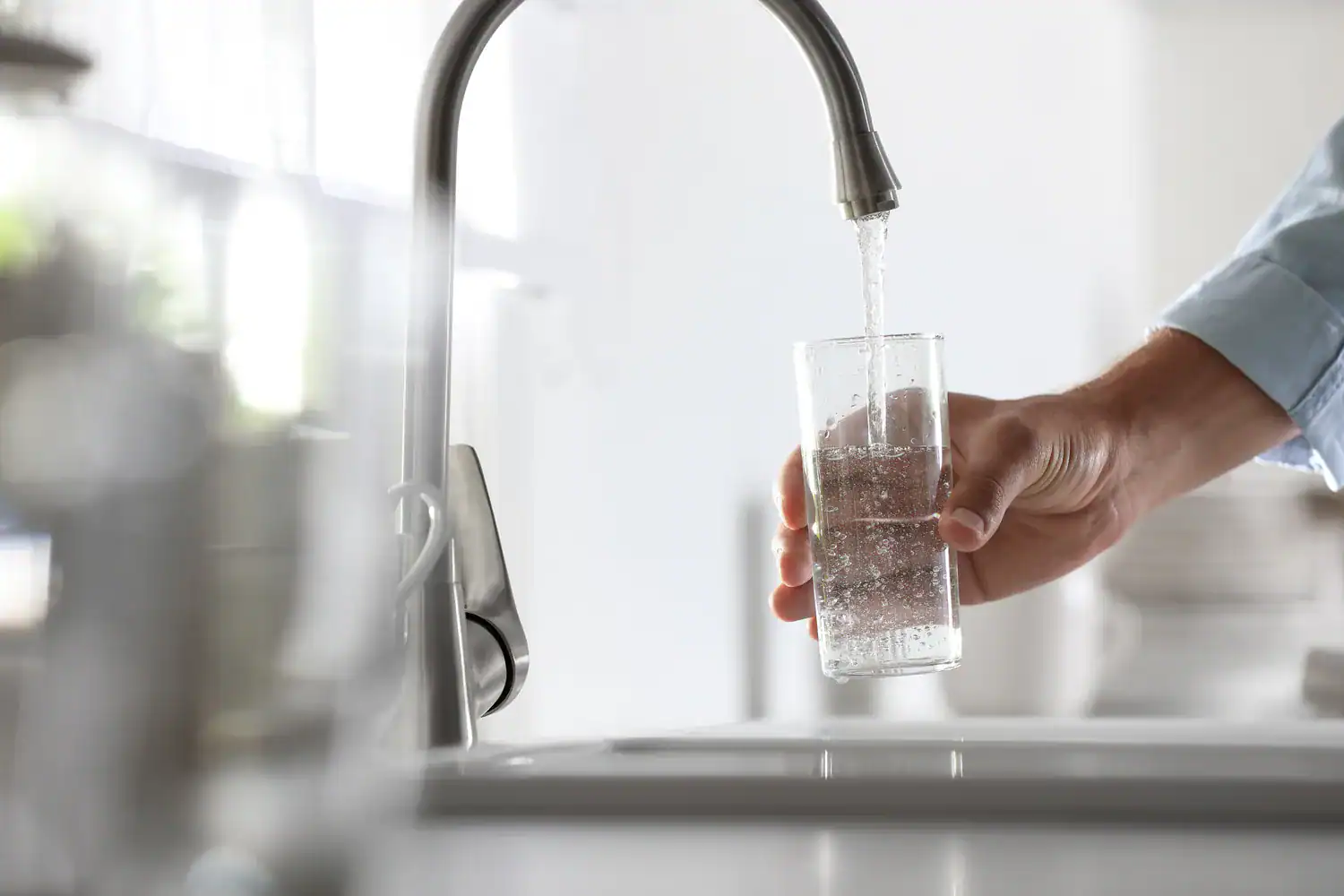
First, we test your water. Not with some generic kit—we’re looking at hardness levels, iron content, sulfur presence, pH balance, and any other contaminants specific to Lake Butler wells or city water. That tells us what kind of system you actually need instead of selling you something oversized or underpowered.
Next, we design a system for your home. If you’re on city water with moderate hardness, that might be a straightforward water softener paired with activated carbon filtration for taste and odor. If you’re on well water with iron staining and sulfur smell, you’ll need a multi-stage setup that includes oxidation, filtration, and softening. We size everything based on your household water usage and the specific problems in your supply.
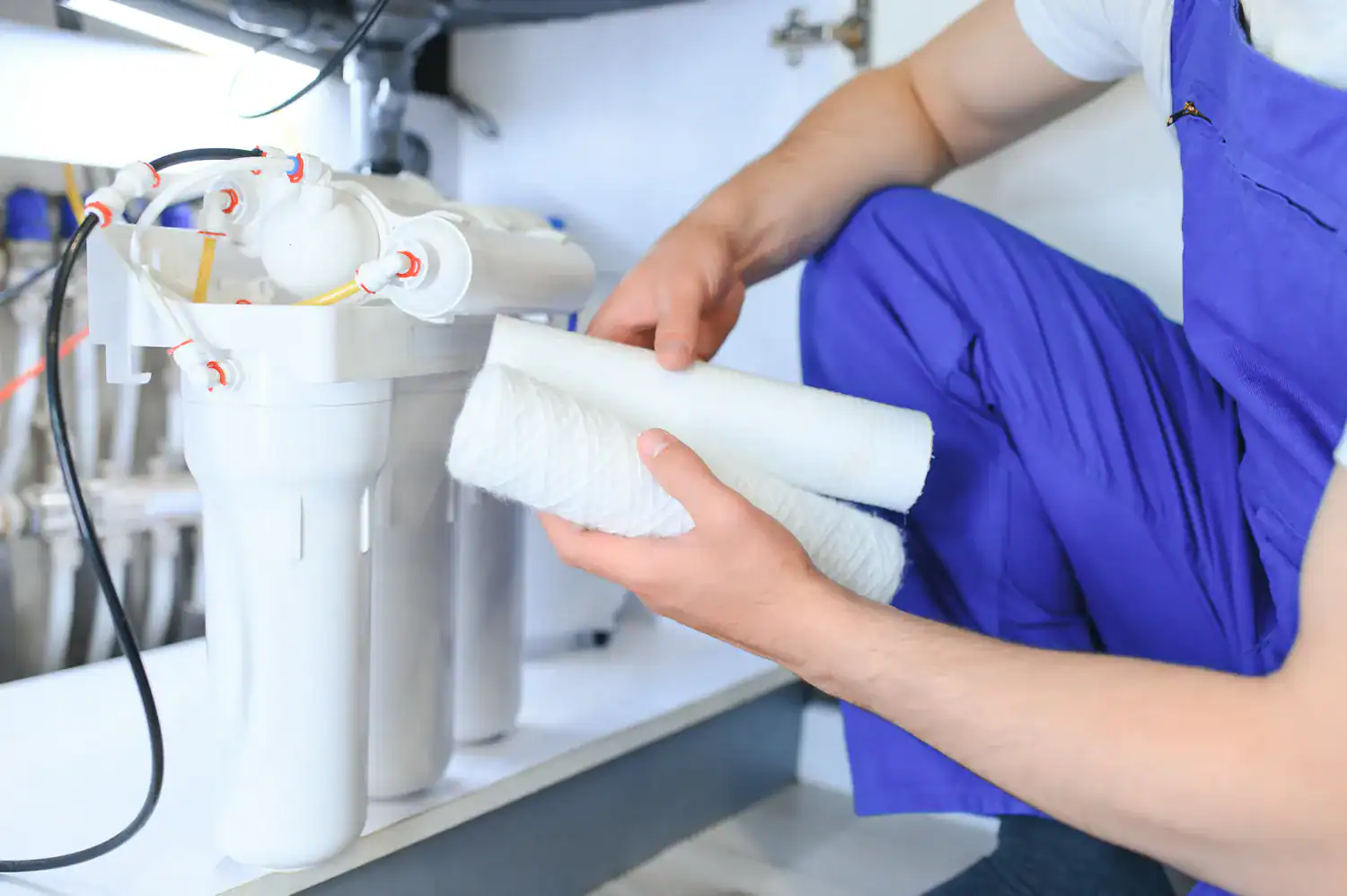
Then we install it. The system gets plumbed into your main water line so every faucet, shower, and appliance gets treated water. Installation typically takes a few hours depending on your setup. We walk you through how it works, what maintenance looks like, and when to schedule service.
After that, we stay available. Routine service keeps your system running efficiently and prevents expensive breakdowns. You’re not calling some national company’s 1-800 number—you’re calling us, and we show up.
Ready to get started?
Every system we install is designed around Lake Butler’s specific water conditions. That means addressing the high mineral content that comes from Florida’s aquifer, which supplies 90% of the state’s drinking water but picks up calcium, magnesium, and other minerals as it filters through porous limestone.
If your water has iron, you’ll see reddish-brown stains on sinks and laundry. If there’s sulfur, it smells like rotten eggs. If it’s just hard, you’ll notice soap scum, scale buildup around faucets, and spots on dishes. Our systems handle all of it using reverse osmosis systems for drinking water quality, activated carbon filtration for taste and chlorine removal, and UV water purification if your well has bacteria concerns.
For most Lake Butler homes on city water, a quality mid-range system runs between $1,500 and $2,500 installed. That includes properly sized equipment, professional installation, and a reasonable warranty. If you’re on well water or dealing with multiple issues like iron and hardness, expect $3,000 to $6,000 for a multi-stage treatment system that actually solves the problem instead of masking it.
We also handle under-sink filter installation for point-of-use drinking water if you don’t need whole-house treatment. But most homeowners here benefit more from treating everything at the source—it protects your appliances and plumbing, not just your drinking water.
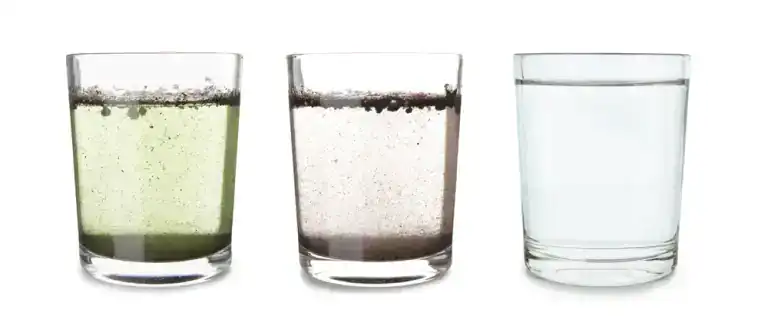
You’ll see the signs before you even test your water. Hard water leaves white or chalky buildup around faucets and showerheads. It causes soap scum in your tub that’s tough to scrub off. Your dishes come out of the dishwasher with spots or a cloudy film.
If you have iron in your well water, you’ll notice orange or reddish-brown stains on sinks, toilets, and laundry. Sulfur gives your water a rotten egg smell, especially when it’s hot. And if your water just tastes off or metallic, that’s usually a combination of minerals and sometimes chlorine from city treatment.
The best way to know for sure is to have your water tested. We can tell you exactly what’s in it, how much of each contaminant, and what type of system will fix it. Most Lake Butler homes have at least moderate hardness because of the aquifer, so some level of treatment makes sense for almost everyone.
A water softener removes hardness—specifically calcium and magnesium—using a process called ion exchange. It stops scale buildup in your pipes and appliances, makes soap lather better, and eliminates those white spots on dishes. If hard water is your only issue, a softener handles it.
A whole-house filtration system does more. It can include a softener, but it also uses activated carbon filtration to remove chlorine, improve taste and odor, and filter out sediment. If you have iron or sulfur, you’ll need additional filtration stages before the softener. Some systems also include UV water purification to kill bacteria if you’re on well water.
Most Lake Butler homes benefit from a combination approach. You soften the water to protect appliances and plumbing, then filter it to improve taste and remove specific contaminants like iron or sulfur. We design the system based on what your water test shows, not a one-size-fits-all setup.
For city water with standard hardness, you’re looking at $1,500 to $2,500 for a quality system that’s properly installed. That gets you a correctly sized water softener, basic filtration, professional installation, and a warranty. You’re not paying for premium branding or high-pressure sales overhead—just solid equipment that works.
If you’re on well water or dealing with iron, sulfur, or bacteria, expect $3,000 to $6,000 for a multi-stage system. That includes pre-filtration for sediment and iron, a softener for hardness, activated carbon for taste and odor, and possibly UV purification if needed. It’s more expensive because it’s solving multiple problems, not just one.
The cost pays itself back over time. Soft water extends the life of your water heater, dishwasher, and washing machine by preventing scale buildup. You’ll spend less on soap and detergent because they work better in soft water. And you’ll stop buying bottled water, which adds up faster than most people realize.
Yes, but you need the right type of system. Iron and sulfur are common in Lake Butler well water, and they require specific treatment stages that a basic softener won’t handle on its own.
For iron, you typically need an oxidation filter that converts dissolved iron into particles, then traps those particles before they reach your plumbing. If you have heavy iron content, you might need a dedicated iron filter before the softener. For sulfur, activated carbon filtration works for low levels, but higher concentrations need an oxidation system or an air injection filter that removes the sulfur smell at the source.
We test your water first to see how much iron and sulfur you’re dealing with, then design a system that addresses those specific levels. A properly designed multi-stage system will eliminate the staining, the smell, and the metallic taste—but it has to be set up correctly based on your water chemistry, not guesswork.
Most systems need service once or twice a year depending on your water quality and household usage. That includes checking salt levels in your softener, replacing filters, cleaning any pre-filters or sediment traps, and making sure everything is running efficiently.
If you’re on well water with high iron or sediment, you might need more frequent filter changes—sometimes every few months for pre-filters. City water is usually easier on the system, so annual service is often enough. We’ll tell you what to expect based on your specific setup and water test results.
Skipping maintenance is where most people run into problems. Filters get clogged, resin beds lose effectiveness, and systems stop working as well as they should. Routine service prevents those issues and keeps your system running longer. We handle it for you so you’re not guessing when something needs attention.
Please provide your email address so that we can stay in touch and answer any questions you have! We will be reaching back out shortly.
"*" indicates required fields