Reach Out Today
Please provide your email address so that we can stay in touch and answer any questions you have! We will be reaching back out shortly.

Hear from Our Customers
Hard water from the Floridan Aquifer doesn’t just taste off — it quietly works against everything in your home. The white crust around your faucets, the spots on your dishwasher, the way your skin feels after a shower — that’s mineral buildup doing what it does every single day. A properly designed whole-house filtration system stops that cycle before it starts.
For La Zamora homeowners specifically, this matters more than most people realize. The homes in this part of The Villages were built in the 1990s, which means your plumbing, appliances, and water heater have already absorbed years of hard water wear. Protecting what’s left — and extending the life of what you replace — is one of the most practical returns a filtration system delivers.
Then there’s the drinking water side of it. Lady Lake’s municipal supply meets federal compliance standards, but legal compliance and genuinely clean water aren’t the same thing. Chlorine disinfection keeps the water safe from bacteria, but it also leaves behind a taste and odor that no amount of running the tap fixes. And for PFAS — the “forever chemicals” that affect nearly 9 million Floridians — municipal treatment removes almost none of it. A reverse osmosis drinking water filter handles what the treatment plant doesn’t.
We’ve been installing and servicing water treatment systems across North and Central Florida for more than 50 years. Our base in Leesburg — about 10 to 15 miles from La Zamora — means when something needs attention, you’re not waiting on a regional dispatcher to route a ticket. You’re calling a local team that already knows what Floridan Aquifer water looks like in Lake County and has treated it in La Zamora homes for decades.
Our BBB A-rating with five stars and zero complaints isn’t a marketing line — it’s a verifiable record in an industry where the Florida Attorney General has had to prosecute companies for consumer fraud. We’re also a member of the National Water Quality Association, which requires passing a comprehensive exam and committing to a formal code of ethics. Most competitors in The Villages market don’t hold that credential, and fewer still can say they’ve operated in this region for five decades without a single unresolved complaint.
If you’re a veteran or first responder, we offer a $500 discount on whole-house system installation. We also support the Tunnels to Towers Foundation — something that carries real meaning in a community like The Villages, where military service is part of the fabric of daily life near Spanish Springs.
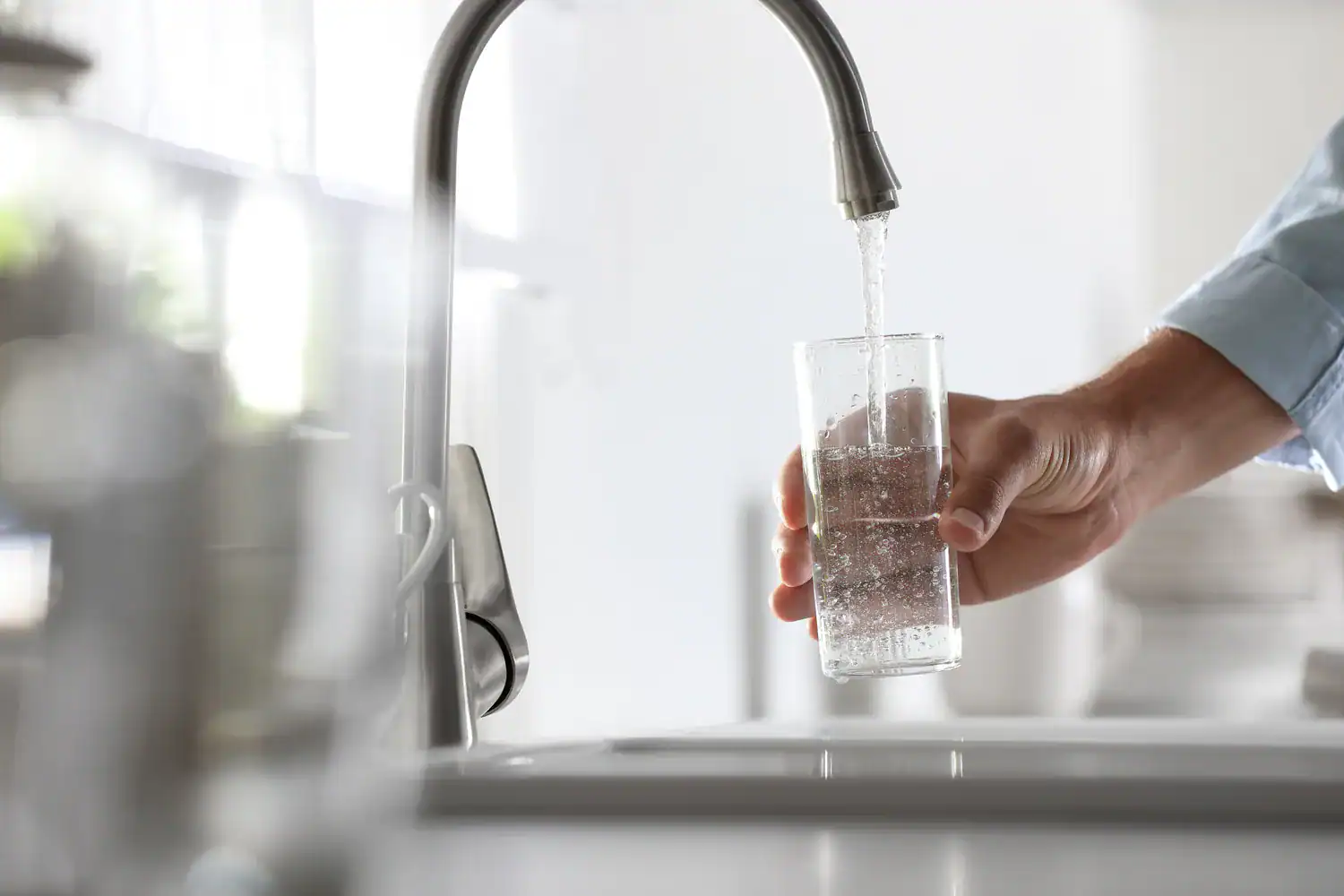
It starts with a real water analysis — not the chemical-drop demonstration some companies use to make any water look contaminated. We test for what’s actually present in your La Zamora home’s water: hardness, iron, pH, total dissolved solids, and other contaminants specific to the Floridan Aquifer and Lady Lake’s municipal supply. That data drives every recommendation. If your water doesn’t need a particular treatment, you won’t be sold one.
From there, we design a system around your household’s actual usage and contaminant profile. For most La Zamora homes on the Village Center Service Area municipal supply, that typically means addressing hardness and dissolved minerals from the aquifer, chlorine taste and disinfection byproducts from the treatment process, and PFAS if drinking water purity is a priority. Whole-house filtration handles the first two at every tap and appliance. A reverse osmosis system under the kitchen sink takes care of the third.
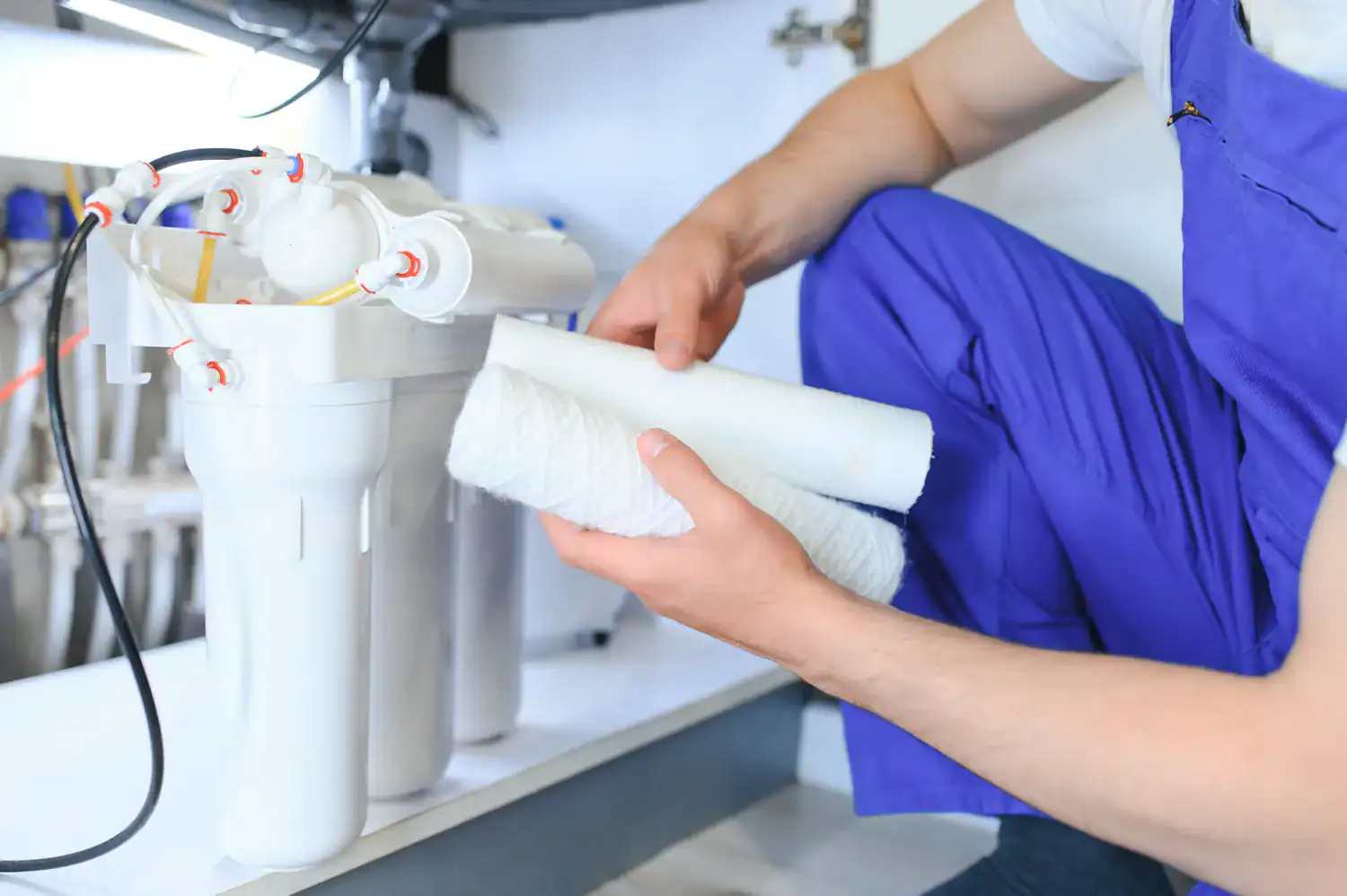
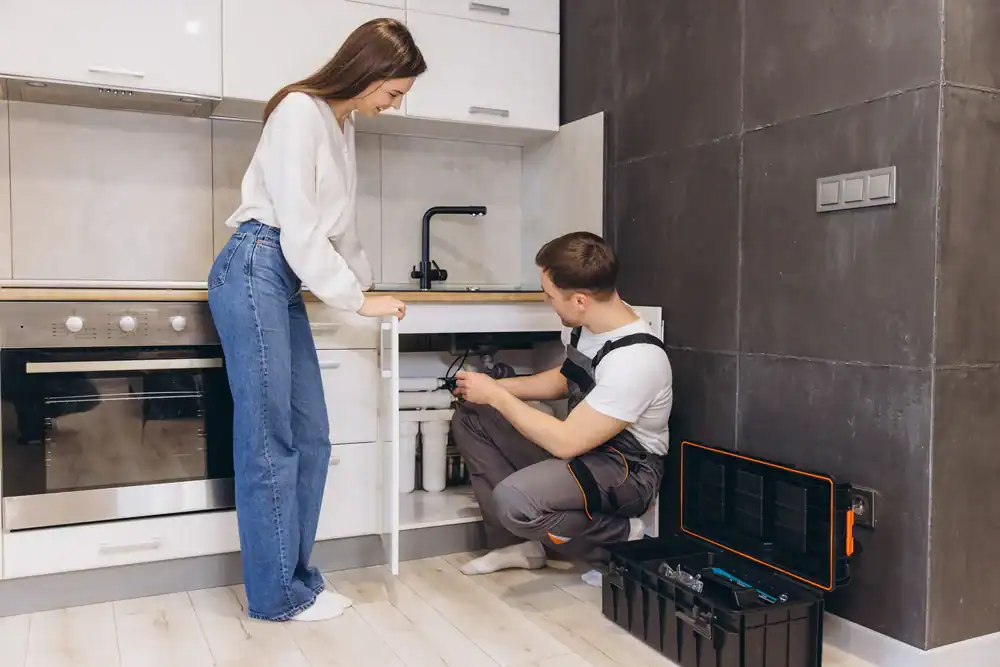
Installation is handled by our licensed professionals, and every component we use is NSF-certified. The TAC media is WQA-certified. Once the system is in, we service what we install — and if you already have a system from another company that isn’t performing, we service those too. Pre-filters typically need replacement every six to twelve months. RO membranes last two to five years. Whole-house media lasts three to five years. You’ll know exactly what to expect and when.
Ready to get started?
Every system we install is designed around your specific water chemistry — not a catalog package pulled off a shelf. For La Zamora homes served by the Village Center Service Area, the most common combination is a whole-house filtration system to address hardness and sediment at the point of entry, paired with an activated carbon filter to remove chlorine taste, odor, and disinfection byproducts throughout the home. For homeowners who want the cleanest possible drinking water, a reverse osmosis system is added at the kitchen sink, removing up to 99% of dissolved solids including PFAS compounds that municipal treatment doesn’t touch.
The activated carbon filtration stage is particularly relevant for La Zamora residents who’ve noticed a chemical taste or smell in their tap water. That’s the chlorine — and the disinfection byproducts it creates — coming through after treatment. Carbon removes it effectively and consistently. Sediment removal is also part of most whole-house designs, catching particulates before they reach your appliances and fixtures.
All components are NSF-certified. The TAC scale-prevention media is WQA-certified. And because La Zamora homes in the 32159 ZIP code tend to be older builds, we size systems to account for the existing plumbing rather than assuming a newer construction standard. If you have an older softener or filtration unit that came with the home, we can assess whether it’s still doing its job — or whether it’s time to replace it with something that actually matches what your water contains today.
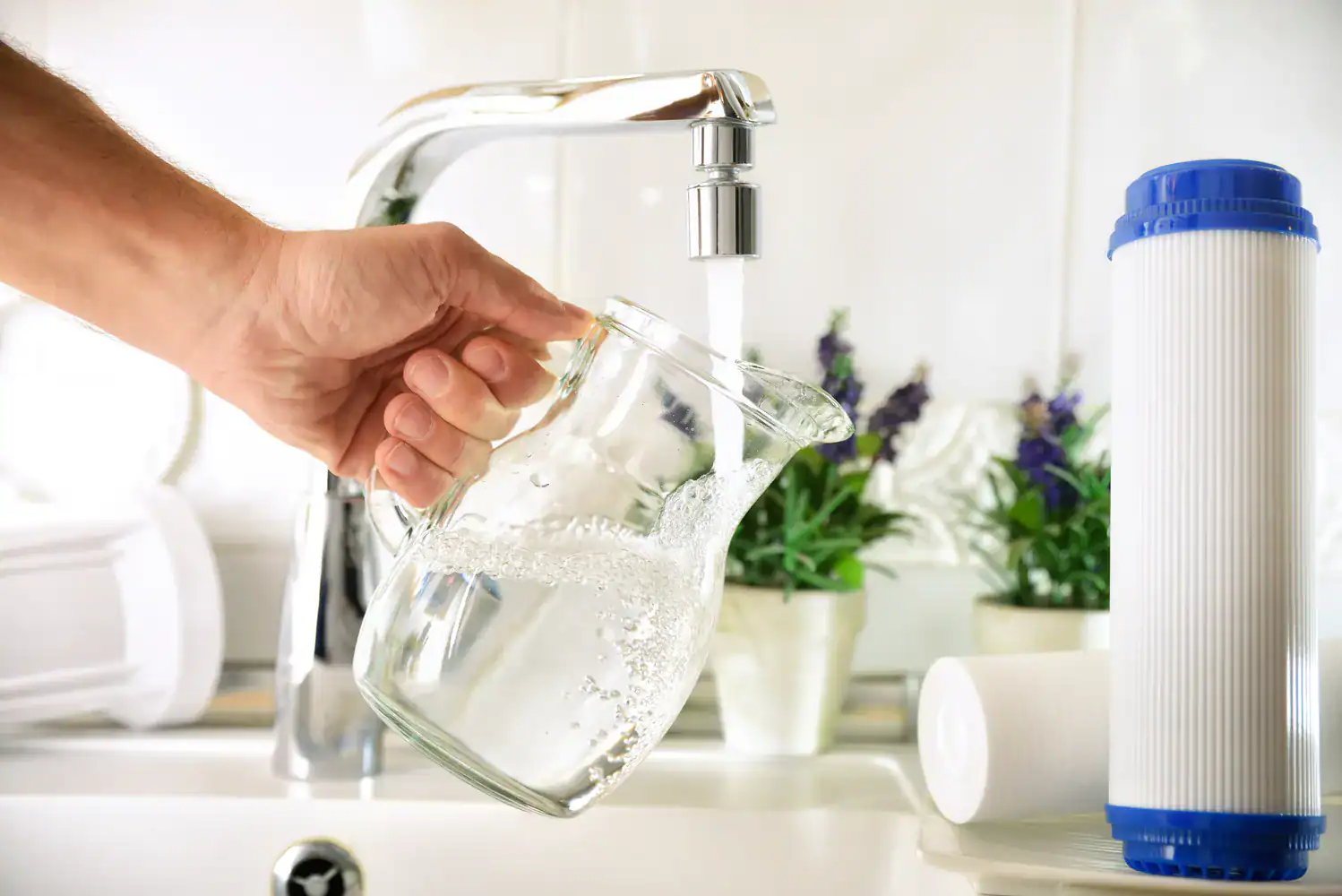
The short answer is that it meets federal legal standards — but that’s not the same as saying it’s as clean as it could be. The Village Center Service Area, which supplies water to La Zamora and the Lady Lake/Lake County portion of The Villages, was in compliance with federal health-based drinking water standards as of the most recent assessment period. So from a regulatory standpoint, the water is treated and tested.
That said, the Environmental Working Group sets its health guidelines at a one-in-one-million lifetime cancer risk level — significantly stricter than EPA legal limits. Disinfection byproducts like trihalomethanes and haloacetic acids, which form when chlorine reacts with organic matter in the water, are within legal limits but exceed EWG health guidelines in many Florida municipal supplies. And for PFAS, there is currently no federal maximum contaminant level that requires utilities to remove it from drinking water, meaning it can be present even in a fully compliant supply. If you want to know exactly what’s in your La Zamora water, a real water analysis is the only way to find out.
That’s calcium and magnesium — the minerals that dissolve naturally into the water as it moves through the limestone and dolomite of the Floridan Aquifer. Lady Lake draws its entire water supply from three wells into that aquifer, and the result is water with hardness levels that commonly run between 100 and 300 PPM in Central Florida. The statewide Florida average is around 216 PPM, which already qualifies as “hard” by any standard measurement.
The white crust you see on fixtures is just the visible part of the problem. The same scale is building up inside your water heater, your dishwasher, your washing machine, and anywhere else water flows and evaporates. It reduces heating efficiency, clogs internal components, and shortens appliance lifespan over time. In a home that’s been running on Floridan Aquifer water for years — which describes most of La Zamora’s 1990s-era housing stock — the cumulative effect is real and measurable. A whole-house filtration or scale-prevention system stops new buildup from forming and protects every appliance connected to your water supply.
A water softener specifically targets hardness — it exchanges calcium and magnesium ions for sodium ions through a process called ion exchange, which eliminates scale but adds a small amount of sodium to the water and requires regular salt refills. A whole-house filtration system is a broader category that can include multiple treatment stages: sediment removal, activated carbon for chlorine and disinfection byproducts, and scale prevention using TAC media, which conditions minerals so they don’t form scale without adding sodium or requiring salt.
For La Zamora homes on the Village Center Service Area municipal supply, a whole-house filtration system with TAC scale prevention is often the better fit than a traditional salt-based softener — particularly for residents who are health-conscious about sodium intake, which is a common consideration in the 55-plus demographic. The right answer depends on what’s actually in your water and what your priorities are. That’s exactly what the free water analysis is designed to figure out before any recommendation is made.
Professionally installed whole-house filtration systems typically run between $1,800 and $3,200 depending on the size of the home, the number of treatment stages needed, and the specific contaminants being addressed. If a reverse osmosis drinking water system is added at the kitchen sink, that adds roughly $1,000 to $2,500 to the total, with most homeowners landing around $2,500 for a quality RO installation.
Those numbers can feel significant upfront, but it helps to put them in context. The average household that relies on bottled water for drinking spends several hundred dollars a year on bottles alone — and that doesn’t account for the cost of hard water damage to appliances. A water heater that fails five years early because of scale buildup costs more to replace than a filtration system would have cost to install. For La Zamora homeowners on fixed retirement income, the math tends to favor investing in the system once rather than paying the ongoing costs of not having one. If you’re a veteran or first responder, the $500 discount we offer brings the total investment down further.
They do different things, so having one doesn’t replace the other. A whole-house filtration system treats water at the point of entry — protecting your appliances, plumbing, and every tap in the home from hardness, sediment, and chlorine. It’s designed for the full volume of water flowing through the house. A reverse osmosis system works at the point of use — typically under the kitchen sink — and filters water down to a much finer level, removing dissolved solids including nitrates, heavy metals, and PFAS compounds that a whole-house carbon filter doesn’t fully address.
For La Zamora residents who are primarily concerned about what they’re drinking and cooking with, an RO system under the sink is the most effective upgrade. It removes 95 to 99 percent of dissolved solids, which is the only residential technology that meaningfully reduces PFAS. Given that nearly 9 million Floridians have PFAS in their water supply and municipal treatment removes almost none of it, an RO system is a practical answer to a real and documented problem.
Please provide your email address so that we can stay in touch and answer any questions you have! We will be reaching back out shortly.
"*" indicates required fields