Reach Out Today
Please provide your email address so that we can stay in touch and answer any questions you have! We will be reaching back out shortly.

Hear from Our Customers
Your shower stops leaving that film on your skin. Your hair feels softer. The white crust around your faucets disappears.
You stop buying bottled water by the case. Your appliances last longer because they’re not fighting mineral buildup every day. Your water heater doesn’t work overtime trying to heat through layers of scale.
Most importantly, you stop wondering what’s actually in the water your family drinks. Jacksonville’s water meets federal standards, but it still contains four chemicals above health advocacy guidelines—including chlorate, radium, strontium, and trihalomethanes. Those aren’t just hard-to-pronounce words. They’re contaminants that can affect thyroid function and development, especially in children.
A whole house water filtration system handles all of it. Every faucet. Every shower. Every glass. You’re not just filtering drinking water—you’re protecting your home and everyone in it.
We’re not new to water treatment. We’ve spent over five decades helping North Florida homeowners solve the exact problems you’re dealing with right now.
We hold an A+ rating with the Better Business Bureau and five-star reviews with zero complaints. We’re members of the National Water Quality Association, which means we follow industry standards that actually matter. We’re not a national chain that sells systems and disappears—we’re local, we service what we install, and we’re here when you need us.
We also believe in giving back. We support the Tunnels to Towers Foundation and offer a $500 discount to military members and first responders in Jacksonville Heights, FL. If you’ve served, we want to make sure you get the water quality you deserve.
First, we test your water. Not a guess—a real analysis that shows what’s actually in it. Hard water, chlorine, contaminants, pH levels. You’ll know exactly what you’re dealing with.
Then we recommend a system based on your results. That might be a reverse osmosis system for drinking water, an activated carbon filtration setup for chlorine and odor, or a whole house system that handles everything at once. If you need UV water purification to kill bacteria, we’ll tell you. If you don’t, we won’t sell it to you.
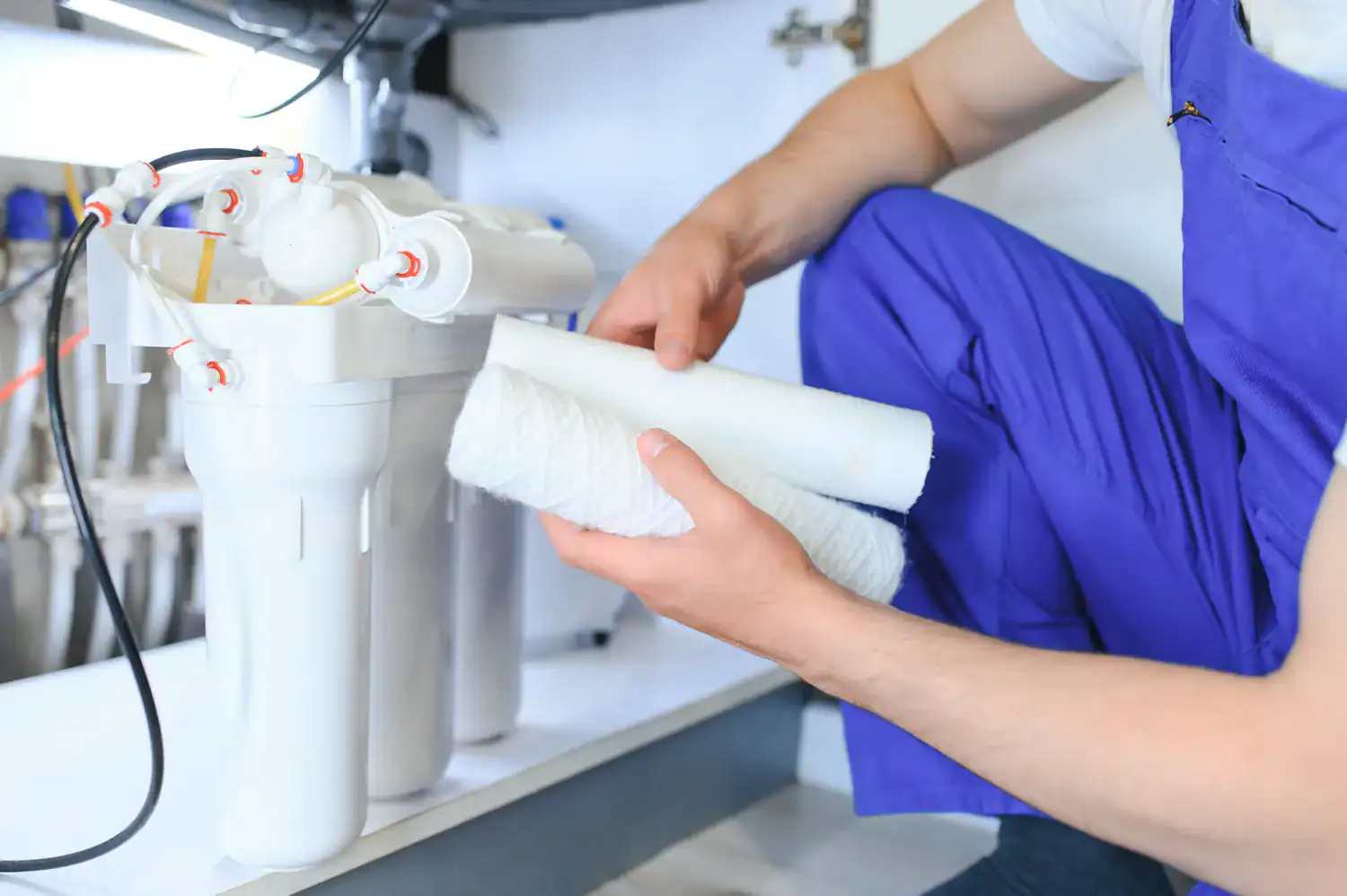
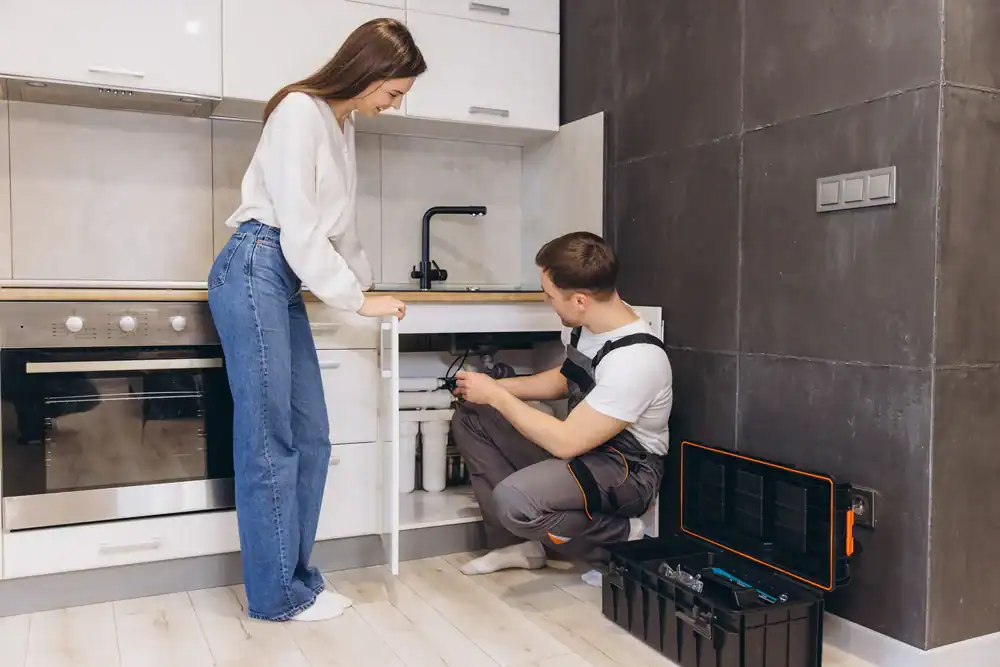
Installation happens on your schedule. We bring the equipment, handle the plumbing connections, and make sure everything works before we leave. You’ll know how to maintain it, when filters need changing, and how to reach us if something comes up.
After that, it just works. You turn on the tap, and the water is clean. No ongoing worry. No more second-guessing.
Ready to get started?
Every system we install is designed for Jacksonville Heights, FL water. That matters because our water is hard—12.31 grains per gallon hard—and it contains specific contaminants that need specific solutions.
You get whole house filtration that treats water at the point it enters your home, so every tap is covered. You get reverse osmosis systems for under-sink drinking water that removes up to 99% of contaminants. You get water softeners that stop scale buildup and extend the life of your appliances by up to 30%. And if your water has bacterial concerns, UV purification kills what filters can’t catch.
We also handle the maintenance. Filters need changing. Systems need occasional servicing. We don’t install and disappear—we’re here for the long term, and that’s reflected in our BBB rating and customer reviews.
The result is water you don’t think about anymore. It just works, and your family stays protected. That’s worth more than the upfront cost, especially when you factor in the $11,300 to $19,800 in appliance and plumbing damage you avoid over ten years.
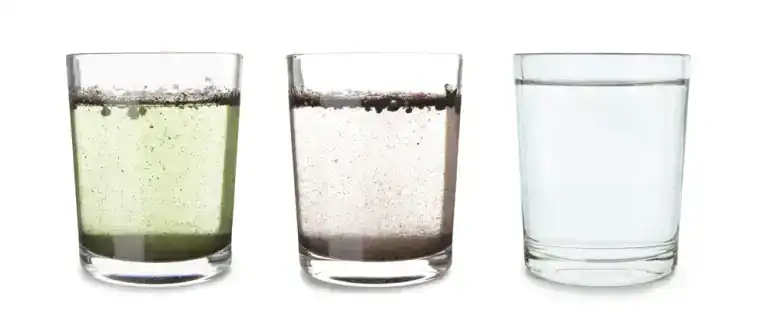
It depends on the system, but a quality whole house water filtration system removes chlorine, chlorate, heavy metals like radium and strontium, trihalomethanes, sediment, and other contaminants found in Jacksonville’s water supply. Reverse osmosis systems go further and remove up to 99% of dissolved solids, including fluoride, nitrates, and trace pharmaceuticals.
Jacksonville’s water contains four chemicals above health advocacy guidelines, even though it meets federal minimums. That’s not illegal, but it’s also not ideal—especially for kids, pregnant women, or anyone with thyroid concerns. A good filtration system brings those levels down to where they should be.
If you’re worried about bacteria or viruses, UV purification is the add-on that handles that. It uses ultraviolet light to kill microorganisms that filters can’t catch. Most city water doesn’t need it, but well water often does.
For a quality whole house system in Jacksonville Heights, FL, expect to invest between $2,000 and $5,000 depending on the size of your home and the level of filtration you need. That includes installation, equipment, and an initial water test.
Reverse osmosis systems for under-sink drinking water run between $400 and $1,500 installed. Water softeners typically fall in the $1,500 to $3,000 range. If you want a combination—softening plus filtration plus UV—you’re looking at the higher end.
Here’s the thing: these systems pay for themselves. You’ll save money on bottled water, appliance repairs, and plumbing damage. The average homeowner saves between $11,300 and $19,800 over ten years just by preventing scale buildup and extending appliance life. Most systems pay for themselves in two to four years, and they last 10 to 20 years with proper maintenance.
If you have hard water—and in Jacksonville Heights, you do—then yes, you probably need both. They do different jobs.
A water softener removes calcium and magnesium, which cause scale buildup, soap scum, and that crusty white residue on your faucets and showerheads. It makes your water feel softer, helps soap lather better, and protects your appliances and plumbing from mineral damage. At 12.31 grains per gallon, Jacksonville’s water is considered very hard, and that hardness shortens the life of your water heater, dishwasher, and washing machine.
A filtration system removes contaminants like chlorine, heavy metals, and chemicals. It improves taste, smell, and safety. It doesn’t soften the water—it cleans it.
Most homeowners in this area benefit from both. You get the health protection of filtration and the appliance protection of softening. We can combine them into one system or install them separately depending on your water test results and budget.
It depends on the system and your water usage, but here’s the general timeline. Sediment pre-filters need changing every three to six months. Carbon filters last six months to a year. Reverse osmosis membranes last two to three years if you’re maintaining the pre-filters properly.
Whole house systems usually have filters that last six to twelve months, but that can vary based on how much water you use and how contaminated your water is. If you have particularly hard or dirty water, you’ll go through filters faster.
We set up a maintenance schedule when we install your system, and we’ll remind you when it’s time. Most people don’t think about it until we call. You can also sign up for a service plan where we handle everything—testing, filter changes, system checks—so you never have to remember.
Skipping filter changes isn’t an option. A clogged filter stops working, and then you’re just running untreated water through your house. Stay on schedule, and the system does its job for years.
Not if it’s sized and installed correctly. A properly designed whole house water filtration system maintains your water pressure because it’s built to handle your home’s flow rate.
Pressure drops happen when the system is undersized, the filters are clogged, or the installation wasn’t done right. That’s why sizing matters. We measure your home’s water usage and flow requirements before recommending a system. If you have a large household or high water demand, we install a system that can keep up.
You might notice a slight difference right after installation, but it shouldn’t be dramatic. If your pressure drops significantly after a few months, it usually means your filters need changing. Dirty filters restrict flow, which is why staying on top of maintenance is important.
If you’re already dealing with low water pressure, a filtration system won’t make it worse—but it also won’t fix an underlying plumbing issue. We’ll let you know during the consultation if pressure is something we need to address separately.
Please provide your email address so that we can stay in touch and answer any questions you have! We will be reaching back out shortly.
"*" indicates required fields