Reach Out Today
Please provide your email address so that we can stay in touch and answer any questions you have! We will be reaching back out shortly.


Hear from Our Customers
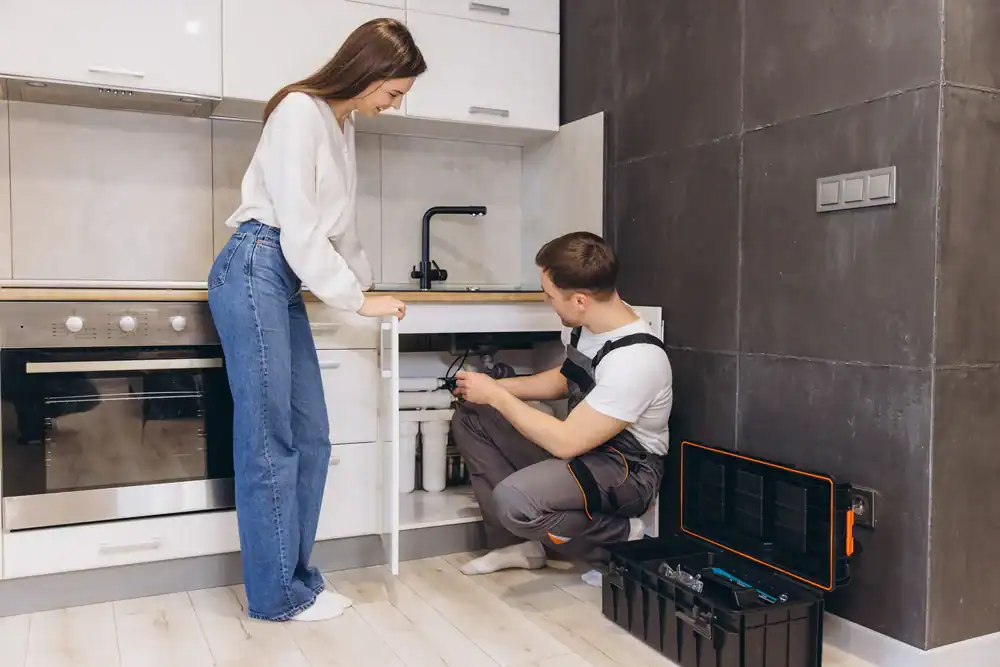
Most residents in Hillsborough don’t realize how much their water is affecting them until they see what changes after it’s treated. The white film on your shower door, the buildup on faucets, the flat taste that sends you reaching for bottled water — that’s all the Floridan Aquifer doing what it does. Hard, mineral-heavy water is the norm here, not the exception. Once it’s properly filtered and conditioned, those problems stop.
Your appliances last longer. The dishwasher, the washing machine, the ice maker, the water heater — all of them take a beating from hard water scale. In a home worth $400,000 or $600,000, that’s not a small thing. Protecting your plumbing and your fixtures is protecting the investment you made when you chose this community.
For a lot of Hillsborough residents, the bigger concern is what you can’t see. Water quality testing for the utility systems serving The Villages has detected total trihalomethanes — disinfection byproducts linked to increased health risks — along with chromium, nitrates, and other contaminants that exceed independent health guidelines even when they technically meet the legal limit. A properly designed filtration system addresses what the water report glosses over.
We’ve been installing and servicing water treatment systems across North and Central Florida for more than 50 years. Our team is based in Leesburg — about 20 miles from Hillsborough down SR-44 — which means when something needs attention, a local technician shows up. Not a national dispatch center. Not a third-party contractor. Someone who knows this area and the water that runs through it.
Our reputation here is straightforward: an A-rating with the Better Business Bureau, a 5-star review record, and zero complaints on file. In an industry where the Florida Attorney General has pursued enforcement action against deceptive water treatment companies, that record matters. Membership in the National Water Quality Association and NSF-certified components back it up on the technical side.
If you’ve had a system installed by another company that’s since gone quiet, we service other brands too. That’s not a sales line — it’s how we’ve built our business in communities like Hillsborough for decades.
It starts with a real water analysis, not a theatrical demo with chemical drops designed to make any water look dangerous. We test your specific water supply for hardness, iron, total dissolved solids, pH, bacteria, and other contaminants relevant to what Little Sumter Utilities or the Villages of Lake-Sumter water treatment plants are delivering to your address. That data drives the recommendation — not a one-size-fits-all package.
Once the analysis is complete, you get a clear picture of what’s in your water and what system is actually designed to address it. For most Hillsborough homeowners, that means a whole-house filtration and conditioning system to handle the hard water and mineral load from the Floridan Aquifer, often paired with an under-sink reverse osmosis system for drinking water. If your home has a specific contaminant concern — elevated trihalomethanes, chromium, or anything flagged in regional water testing — the system is built around that.
Installation is handled by our own technicians. All necessary permits for plumbing connections to the municipal supply are managed as part of the process. Interior installations and garage-based equipment typically don’t require CDD architectural review, but we confirm that upfront so there are no surprises. After installation, we walk you through the system, explain what it’s doing, and stay reachable for service and maintenance going forward.
Ready to get started?
The water coming into homes in Hillsborough has a specific profile — hard, mineral-rich, chlorine-treated, and carrying disinfection byproducts that form when that chlorine reacts with organic matter during treatment. A whole-house system here needs to address all of that, not just one piece of it. We design systems using NSF-certified components and WQA-certified TAC media for scale prevention, which means the equipment has been independently tested and verified — not just approved by the company selling it.
For drinking water specifically, reverse osmosis remains the most effective option for removing what whole-house filtration leaves behind. An under-sink RO system removes 95–99% of dissolved solids, including the trihalomethanes, chromium, and nitrates that show up in regional water quality data for The Villages area. Most homeowners in Hillsborough who make the switch stop buying bottled water entirely — the cost of annual RO maintenance runs $80–$150, which is a fraction of what a case-a-week bottled water habit adds up to over a year.
Activated carbon filtration handles chlorine taste and odor, which is one of the most consistent complaints from residents throughout The Villages. Sediment removal is built into whole-house configurations to catch particulates before they reach fixtures and appliances. If you’re a veteran, retired military, or former first responder, we offer $500 off — a meaningful discount in a community where so many residents have served.
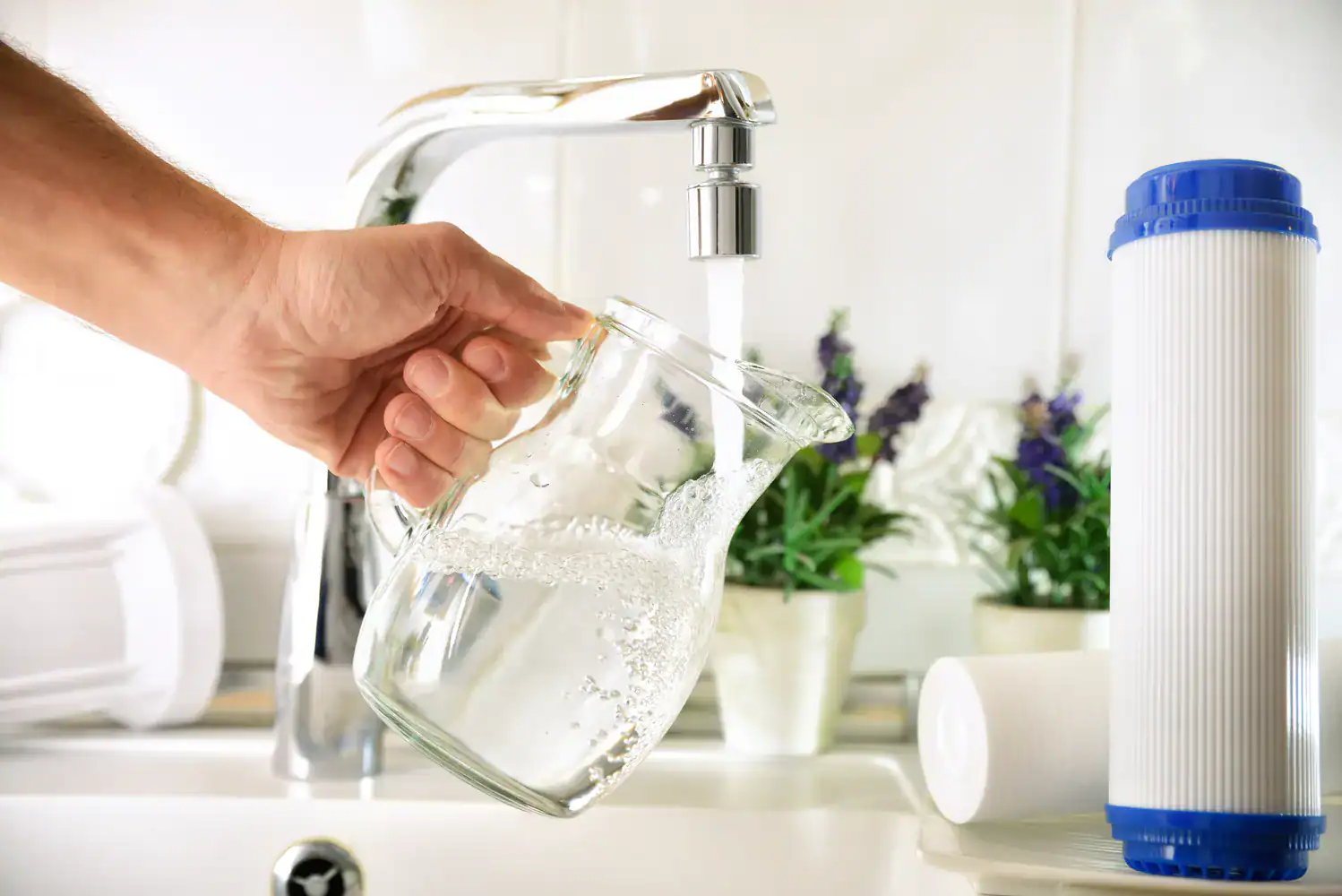
Technically, yes — the water delivered by Little Sumter Utilities and the Villages of Lake-Sumter water treatment plants meets EPA regulatory standards. But meeting the legal limit and meeting independent health guidelines are two different things. Water quality testing for the utility systems serving The Villages has detected total trihalomethanes at levels that exceed the Environmental Working Group’s health guideline of 0.15 parts per billion, even when they fall within the EPA’s legal threshold. The same testing has flagged chromium (hexavalent), arsenic, nitrates, bromochloroacetic acid, and radionuclides at varying levels.
None of that means the water is immediately dangerous. What it means is that the regulatory standard was set decades ago and hasn’t kept pace with what independent health research now recommends. For residents who are managing their health carefully — which describes most people who chose Hillsborough — knowing what’s in your water and filtering it accordingly is a reasonable, informed decision. A free water analysis gives you the actual numbers for your address, not just the utility’s annual report.
The chlorine taste is real, and it’s a consistent complaint throughout The Villages and Hillsborough specifically. The water drawn from the Floridan Aquifer is naturally high in minerals, and when the utility treats it with chlorine-based disinfection, the combination produces a distinct taste and odor that many residents find unpleasant. It’s not a sign that something is wrong with your specific home — it’s a characteristic of the water source and treatment process serving this area.
Activated carbon filtration is the most effective solution for chlorine taste and odor. A whole-house activated carbon filter treats the water before it reaches any fixture in the home, so the improvement is immediate and consistent — from the kitchen tap to the bathroom sink to the shower. For residents who are currently buying bottled water or using pitcher filters to get around the taste, a properly installed system eliminates that cost and delivers better results at every point of use, not just where you remembered to pour through a filter.
Hard water from the Floridan Aquifer is one of the most consistent and underestimated sources of home damage in the Sumter County area. Calcium and magnesium deposits — the white scale you see on shower heads, faucets, and glass — build up inside appliances and plumbing the same way. Water heaters accumulate scale on heating elements, which forces them to work harder and shortens their lifespan. Dishwashers leave film on glassware and build up residue in the spray arms. Washing machines, ice makers, and any appliance that uses water regularly are all affected over time.
For a Hillsborough homeowner who has invested $400,000 to $700,000 in their home and its contents, this is a real financial concern. The scale doesn’t announce itself — it just gradually degrades performance and accelerates wear. A whole-house water conditioning system using WQA-certified TAC media prevents scale formation without adding salt to the water, which means your appliances are protected without the ongoing cost and maintenance of a traditional salt-based softener. The return on that investment shows up in appliance longevity, lower energy bills, and fewer service calls.
Whole-house water filtration systems we install professionally in the Hillsborough area typically range from $1,800 to $3,200, depending on what the water analysis reveals and what the system needs to address. If you’re adding an under-sink reverse osmosis system for drinking water, that adds roughly $1,000 to $2,500 depending on the configuration and number of stages. These are not off-the-shelf prices — they reflect systems designed around what’s actually in your water, not a standard package sold to every customer regardless of their water source.
The cost comparison that matters most for most residents here is against what they’re currently spending. A household going through a case of bottled water a week is spending $600–$1,000 a year on drinking water alone, plus the time and hassle of hauling it from the local grocery store. Annual maintenance on a reverse osmosis system runs $80–$150. The math on switching is straightforward. If you’re a veteran or first responder, the $500 discount we offer brings the entry cost down further — and the free water analysis means you know exactly what you’re buying before you commit to anything.
It can, and it’s worth understanding why. In February 2026, the Southwest Florida Water Management District declared a Modified Phase II Severe Water Shortage covering all of Sumter County and The Villages in Marion County, with restrictions in effect through mid-2026. When aquifer levels drop during drought conditions, the mineral concentration in groundwater tends to increase — meaning the water drawn from the Floridan Aquifer can carry higher levels of hardness and dissolved solids than it does during wetter periods. Utilities may also adjust their treatment chemistry in response to changing source water conditions, which can affect the taste, odor, and disinfection byproduct profile of what comes out of your tap.
A whole-house filtration system provides a consistent buffer between what the utility delivers and what actually reaches your faucets. The system doesn’t change based on what’s happening at the water plant — it filters what comes in regardless of seasonal variation or treatment adjustments. For Hillsborough residents who are already dealing with the baseline mineral load from the Floridan Aquifer, drought conditions are one more reason to have a system in place rather than depending entirely on what the utility report says this month.
Please provide your email address so that we can stay in touch and answer any questions you have! We will be reaching back out shortly.
"*" indicates required fields