Reach Out Today
Please provide your email address so that we can stay in touch and answer any questions you have! We will be reaching back out shortly.

Hear from Our Customers
When you move into a newer home in Hawkins, you’re not thinking about water quality — you’re thinking about settling in, enjoying Sawgrass Grove, getting your golf cart out, and making the most of retirement. But the water coming out of your tap through the Central Sumter Utility system is pulling from the Floridan Aquifer, and it’s carrying somewhere between 10 and 15 grains per gallon of dissolved minerals. That’s classified as very hard water, and it doesn’t care how new your appliances are.
Hard water leaves white calcium buildup on your faucets, spots on your glassware, film on your shower glass, and scale inside your water heater and dishwasher — quietly shortening the life of everything it touches. For a Hawkins homeowner who invested in a designer home with quality finishes, that’s not a minor inconvenience. It’s a slow, compounding cost that a whole-house filtration and softening system eliminates completely.
Beyond hardness, independent water quality analysis of the Villages of Lake-Sumter water treatment plants has identified disinfection byproducts — specifically total trihalomethanes — along with trace levels of arsenic and other contaminants that meet legal limits but don’t necessarily meet health-protective ones. A properly sized filtration system with activated carbon removes those byproducts at the tap, so what you’re drinking, cooking with, and bathing in is actually clean — not just legally compliant.
We’ve been installing and servicing water treatment systems in Central Florida for more than 50 years. Our home base is Leesburg — about 20 miles from Hawkins Drive — which means we know the water chemistry in this part of Sumter County the way most companies only claim to. We were serving this region decades before the first home in Hawkins was ever built.
Our BBB record is A-rated with a 5-star score and zero complaints on file. We hold active membership in the National Water Quality Association, and every system we install uses NSF-certified components. In an industry where theatrical sales tactics and disappearing-after-the-sale service are genuinely common complaints, that record speaks for itself.
We also service what we sell — and we’ll service systems from other brands too. If you’re a Hawkins homeowner who inherited a system or bought from someone who’s now unreachable, that matters more than most people realize until they need it.
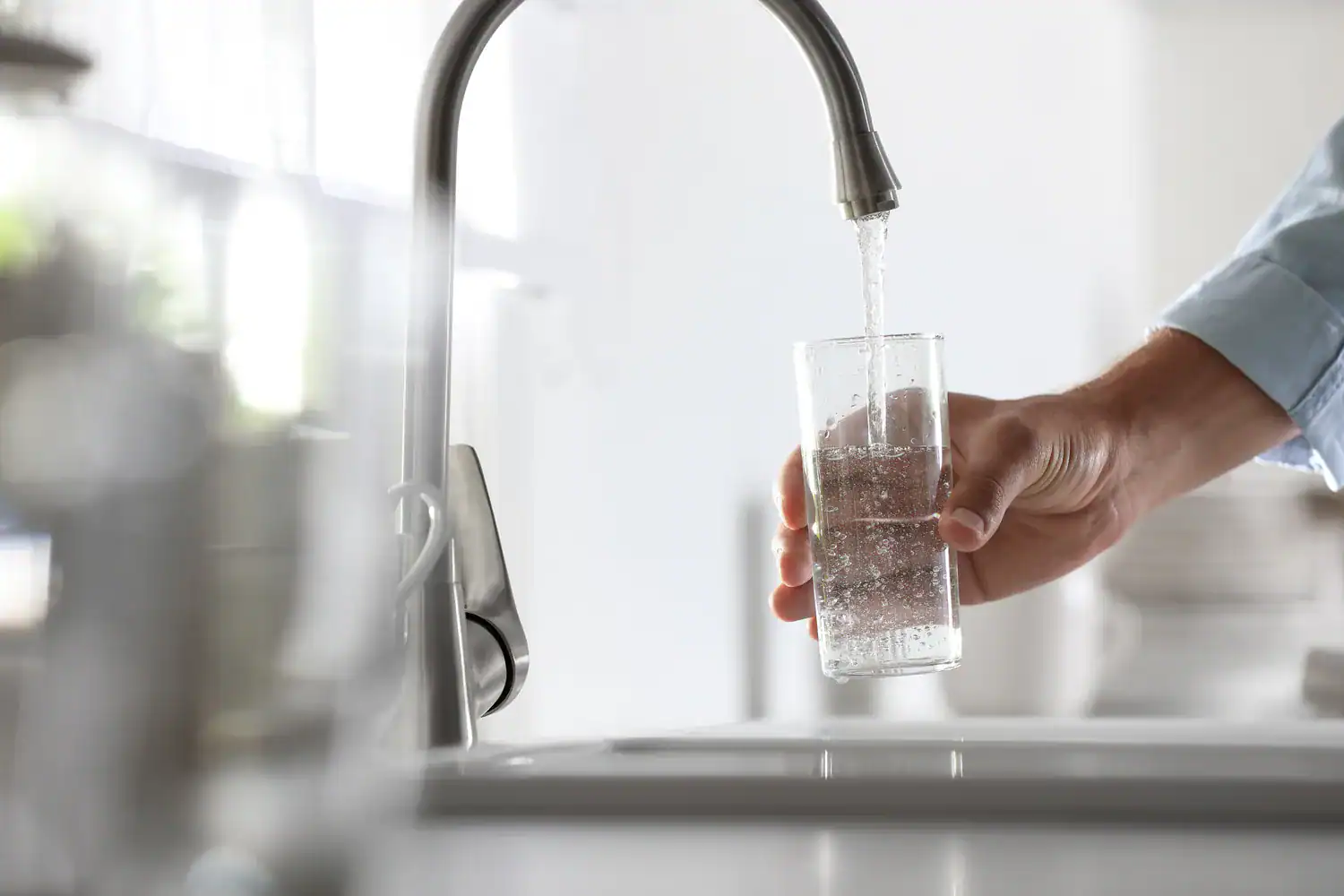
It starts with a free water analysis — a real one, not the chemical-drop demonstration that makes any water look contaminated. We test your actual tap water in Hawkins for hardness, iron, pH, total dissolved solids, bacteria, and other contaminants specific to the Central Sumter Utility supply. You get real data about what’s in your water before we recommend anything.
From there, a system is sized and designed around your household — not a package pulled off a shelf. Hawkins homes are newer construction, which means the plumbing is in good shape and installations are typically clean and straightforward. Your home’s square footage, number of bathrooms, and water usage all factor into what we recommend. Because one size genuinely does not fit all, especially when you’re comparing a patio villa to a designer home on the other end of the village.
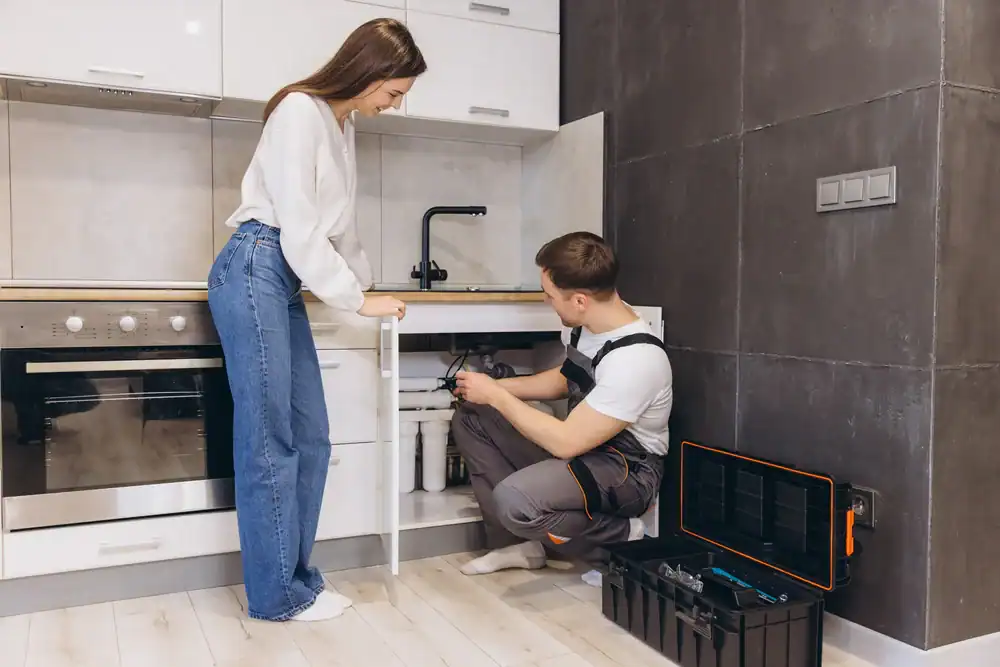
Installation is handled by our licensed technicians who know The Villages’ community development district setup and can walk you through what to expect during and after the process. Once the system is in, we’ll show you how it works, what maintenance looks like, and when to expect a service visit. There’s no handoff to a national call center. The same local team that installed it is the one you call when you need anything.
Ready to get started?
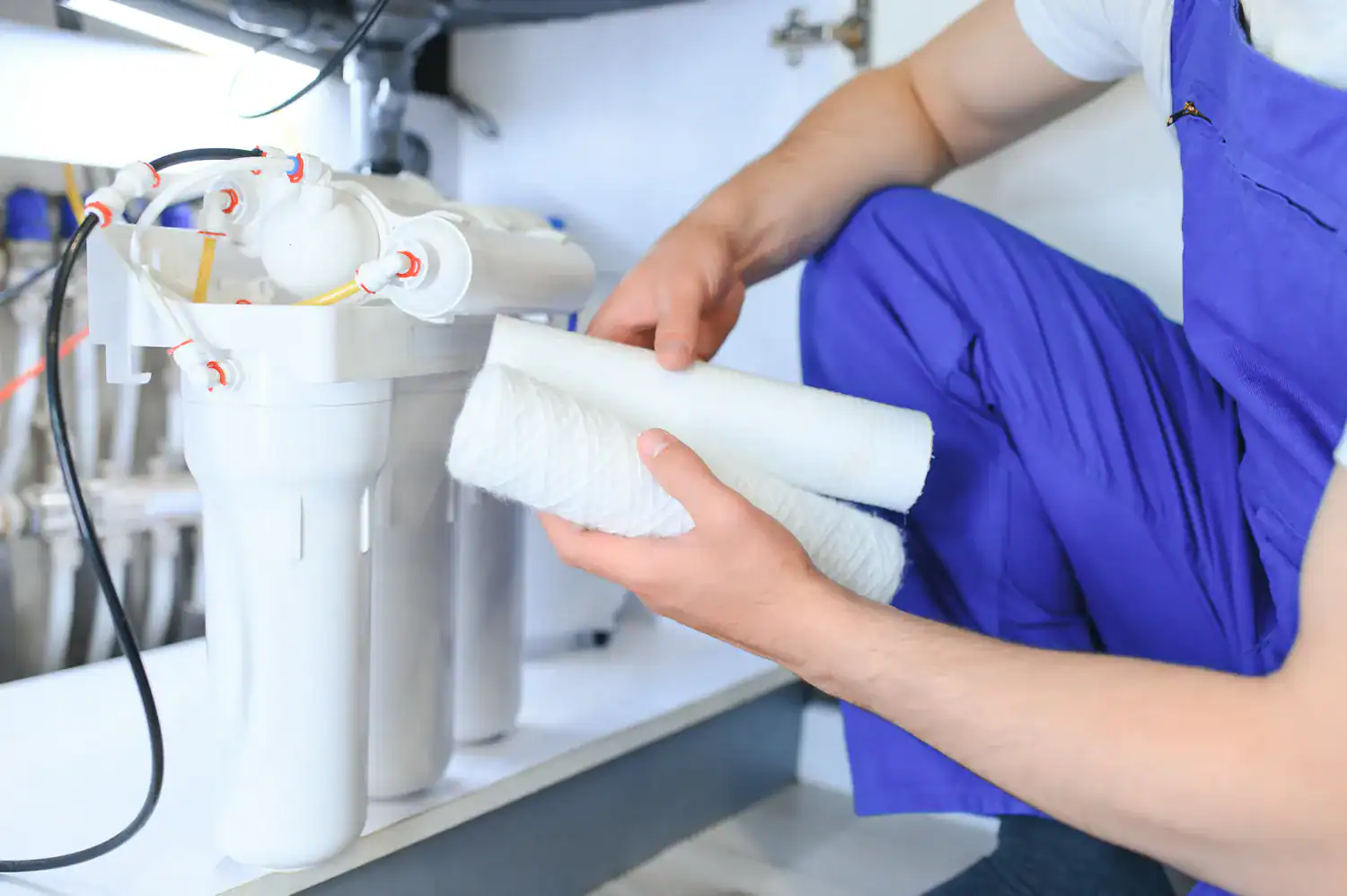
A whole-house water filtration system from Quality Safe Water addresses your water at every point it enters the home — not just at one faucet. For Hawkins residents dealing with the Floridan Aquifer’s mineral-heavy groundwater, that typically means a combination of sediment pre-filtration, activated carbon filtration to reduce chlorine and disinfection byproducts like trihalomethanes, and a water softening stage to eliminate the hardness that’s scaling your appliances and fixtures.
For drinking water specifically, a reverse osmosis system installed under the kitchen sink takes things further — removing 95 to 99 percent of dissolved solids, including PFAS compounds, heavy metals, nitrates, and residual contaminants that a whole-house filter alone won’t fully address. Nearly 9 million Floridians have PFAS in their water supply, and reverse osmosis is the most effective residential technology available for removing it. If you’re in Hawkins and you’re serious about what goes into your glass, this is the standard worth meeting.
Every system we install uses WQA-certified media and NSF-certified components — independently verified to perform as claimed and safe for contact with drinking water. And if you or your spouse served in the military or worked as a first responder, there’s a $500 discount applied to your installation. The Villages has one of the highest concentrations of veterans of any retirement community in the country, and that discount is a direct acknowledgment of it — not a footnote.
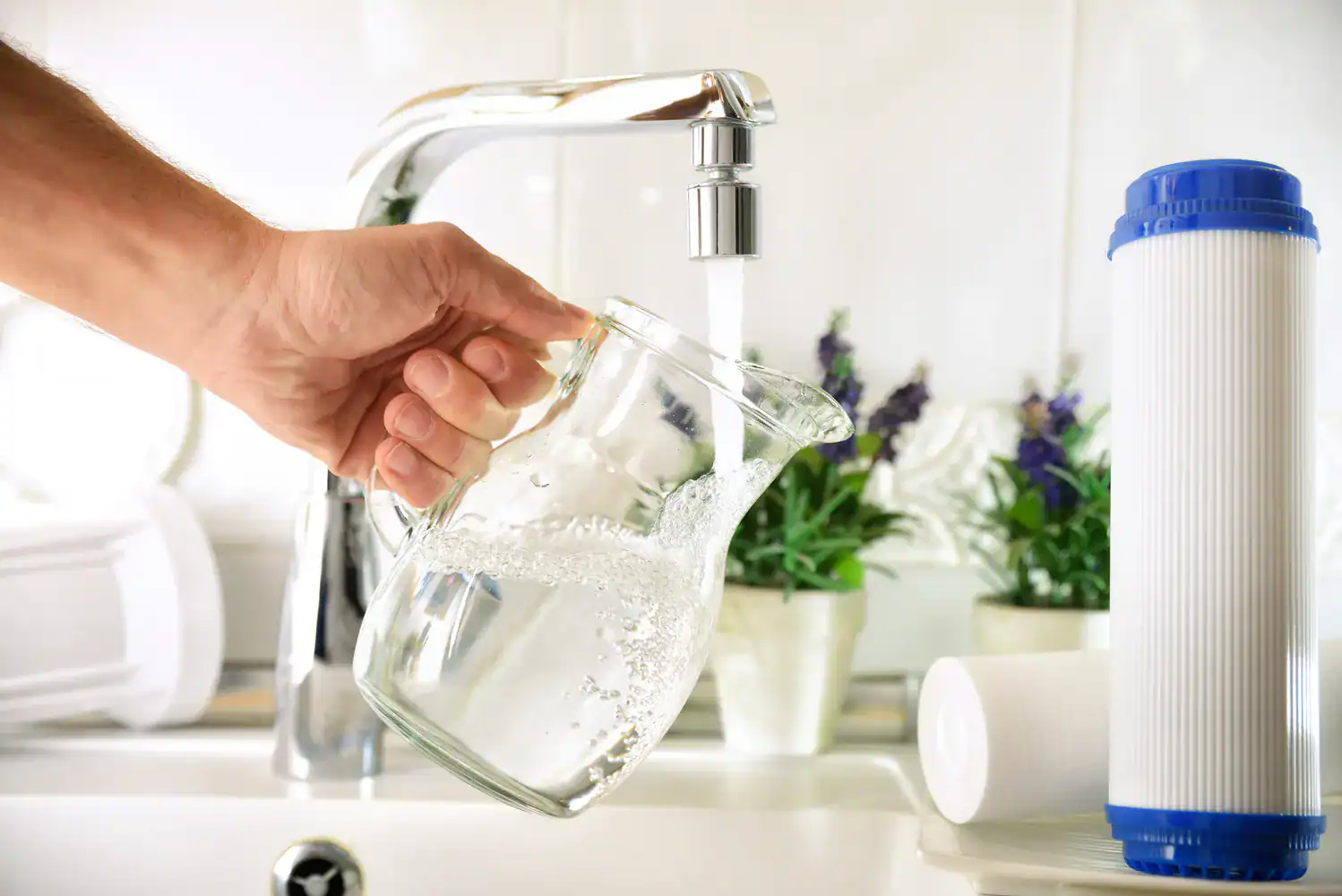
Yes — and the numbers back it up. Hawkins draws water from the Floridan Aquifer through the Central Sumter Utility system. Independent testing consistently shows hardness levels between 10 and 15 grains per gallon in this area. The threshold for “very hard” water starts at 10.5 GPG, so Hawkins sits right at or above that line depending on seasonal mineral concentration.
At those levels, calcium and magnesium deposits accumulate inside your water heater, reducing its efficiency and shortening its lifespan. They scale the interior of your dishwasher, leave film on your shower glass, and leave white mineral buildup on every faucet and fixture. For a homeowner in a newer Hawkins home — where appliances are still under warranty and finishes are still pristine — that damage starts from the first day you turn on the tap. A whole-house water softener eliminates hardness at the point of entry, before it reaches any of your fixtures or appliances.
Hardness is the most visible issue, but it’s not the only one. Independent analysis of the Villages of Lake-Sumter water treatment plants has identified total trihalomethanes (TTHMs) in the distribution system. TTHMs are disinfection byproducts — they form when chlorine used in municipal treatment reacts with naturally occurring organic matter in the water. They’re associated with increased cancer risk at elevated exposure levels, and the health-protective guideline from the Environmental Working Group is far more stringent than the legal limit.
The same analysis has also flagged bromochloroacetic acid, trace arsenic, chromium (hexavalent), and thallium. The utility meets Safe Drinking Water Act requirements — but legal compliance and health protection aren’t the same standard. Activated carbon filtration reduces TTHMs and chlorine byproducts at the tap. Reverse osmosis goes further, addressing dissolved heavy metals and other residual contaminants. A free water analysis from us will tell you exactly what’s present in your specific Hawkins home — not just what the utility reports for the system as a whole.
A water softener targets hardness specifically — it removes calcium and magnesium ions from the water through an ion exchange process, replacing them with sodium. That eliminates limescale buildup, protects your appliances, and makes soap lather properly again. It’s the right solution for the hardness problem that every Hawkins homeowner is dealing with, but it doesn’t address chemical contaminants, disinfection byproducts, sediment, or biological concerns.
A whole-house water filtration system is broader. Depending on how it’s configured, it can include sediment pre-filters, activated carbon stages for chlorine and byproduct removal, UV purification for bacteria and viruses, and in some cases a softening stage as well. Many Hawkins homeowners end up with a system that combines softening and filtration — because the water here has both a hardness problem and a chemical contaminant profile that warrants both. That’s exactly why we start with a real water test before recommending anything. The right system depends on what’s actually in your water, not a one-size-fits-all package.
A reverse osmosis system forces water through a semi-permeable membrane under pressure, removing dissolved contaminants that standard filtration can’t catch. It eliminates 95 to 99 percent of dissolved solids — including PFAS compounds, nitrates, arsenic, heavy metals, residual pharmaceuticals, and most other dissolved contaminants. The filtered water is stored in a small tank under your sink and delivered through a dedicated faucet at your kitchen sink.
Whether you need one in Hawkins depends on your priorities. If your main concern is hard water and taste, a whole-house softener and carbon filter may be enough. But if you want the highest level of drinking water purity — especially given that Florida has documented PFAS in water supplies affecting nearly 9 million residents, and that most municipal treatment removes very little of it — reverse osmosis at the kitchen sink is the most effective residential solution available. It’s particularly worth considering for Hawkins residents who cook frequently at home or have family members with health sensitivities. We size and install RO systems based on your actual household usage.
In the Hawkins area, where hardness levels run high and the water supply carries a meaningful mineral load year-round, most whole-house systems benefit from a service visit once or twice annually. The dry season — roughly October through May in Central Florida — tends to concentrate mineral content in groundwater, which can accelerate filter media saturation and resin capacity reduction in softeners. Summer’s heavy rainy season brings different variables, including temporarily elevated turbidity and the possibility of surface contaminant intrusion into the groundwater supply.
Sediment pre-filters typically need replacement every three to six months depending on your water volume and local conditions. Carbon filter media and softener resin have longer service intervals but still require periodic inspection and replacement to perform correctly. UV bulbs, if your system includes UV purification, are generally replaced annually. We service every system we install and will walk you through a maintenance schedule specific to your setup — so you’re not guessing when something needs attention.
Please provide your email address so that we can stay in touch and answer any questions you have! We will be reaching back out shortly.
"*" indicates required fields