Reach Out Today
Please provide your email address so that we can stay in touch and answer any questions you have! We will be reaching back out shortly.


Hear from Our Customers
If you’ve been buying cases of bottled water from Colony Plaza every week, you already know something’s off. The water coming out of your tap in Hadley isn’t dangerous — but it’s hard, it’s mineral-heavy, and it’s been quietly working against your home since the day you moved in. The Floridan Aquifer, which supplies every drop of water to this neighborhood, runs through layers of limestone. That’s where the calcium and magnesium come from. Florida’s average tap water hardness sits at 240 parts per million — classified as “Very Hard” — and Sumter County is no exception.
What that means practically: white scale building up around your faucets, spots on your dishes that won’t wipe off, skin that feels dry after a shower, and appliances that are working harder than they should. Your water heater, dishwasher, and washing machine have been running on that hard water since Hadley was built out in 2007 and 2008. Scale accumulates on heating elements over time, reducing efficiency and shortening the life of equipment you’ve already paid for. A whole-house water filtration system doesn’t just improve the taste of your drinking water — it protects everything downstream.
Beyond hardness, the municipal water serving the Lake Sumter area has been documented to contain disinfection byproducts like bromochloroacetic acid — compounds formed when chlorine reacts with organic matter during treatment. These are present at legally permissible levels, but legal and optimal are two very different things. A properly designed filtration system closes that gap, and it starts with understanding exactly what’s in your specific water — not a guess, not a sales pitch.
We’ve been installing and servicing water treatment systems across Central Florida for more than 50 years. That means decades of working directly with Floridan Aquifer water chemistry, learning the utility systems serving Sumter County, and understanding what actually works in Hadley homes and throughout the region — not what looks good in a brochure.
We hold a BBB A-rating with a 5-star score and zero complaints. In an industry the Florida Attorney General has had to police for fraudulent sales tactics, that record isn’t a minor credential — it’s the clearest signal available that you’re dealing with a company that operates honestly. We’re also a member of the National Water Quality Association, which requires passing a comprehensive exam and committing to a professional code of ethics. Our components are NSF-certified, and our TAC media is WQA-certified — independently verified, not just claimed.
Based out of Leesburg, about 15 to 20 miles from Hadley via CR 466, we’re a neighbor — not a national call center. And unlike some of the bigger names that show up in search results, we service every system we install. If something needs attention six months or two years down the road, you’re not starting over with a stranger.
It starts with a free water analysis — and this one is the real thing. Not the theatrical chemical-drop demonstration some companies use to make any water look contaminated. We test your home’s water for the specific things that matter in Sumter County: hardness, iron, sulfur, pH, total dissolved solids, bacteria, and disinfection byproducts. You get actual data about your actual water before we recommend anything.
From there, the recommendation is built around what the analysis shows — not around what’s most profitable to sell. If your water needs a whole-house filtration system with a reverse osmosis drinking stage, that’s what we’ll recommend. If it needs something simpler, that’s what you’ll hear. The system is sized for your home, your water chemistry, and your household’s usage — not pulled off a shelf and dropped in.
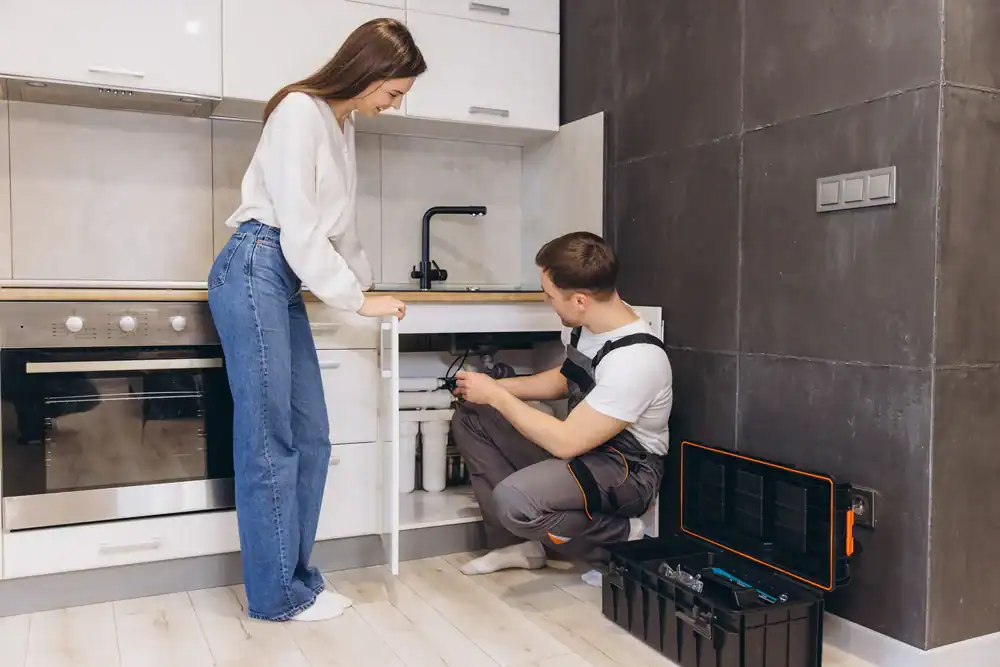
Installation is handled by our experienced technicians who know the courtyard villa and designer home configurations common throughout Hadley. If your Community Development District requires a permit for modifications to existing plumbing connections, we handle that process properly — no shortcuts. Once the system is in, you’ll know how it works, what to expect, and exactly who to call if you ever have a question. That last part matters more than most companies want to admit.
Ready to get started?
A whole-house water filtration system from Quality Safe Water addresses your water at the point it enters your home — before it reaches your faucets, your showerheads, your ice maker, or your appliances. For homes in Hadley, that typically means a multi-stage approach: sediment removal to catch particulates, activated carbon filtration to reduce chlorine and disinfection byproducts, and a softening or conditioning stage to handle the hardness that’s inherent to Floridan Aquifer water in this part of Sumter County.
For drinking and cooking water, a reverse osmosis system installed at the kitchen sink takes it a step further — removing up to 95 to 99 percent of dissolved solids, including PFAS compounds that standard filters and softeners can’t touch. With the EPA’s 2024 PFAS standard set at 4 parts per trillion and nearly 9 million Floridians affected, this is no longer a fringe concern. It’s a practical one, especially for residents who’ve spent decades in Florida and want to know their drinking water is as clean as it can be.
Every system we install uses NSF-certified components and WQA-certified media. Military veterans and first responders receive a $500 discount — and in a community like The Villages, where that population is significant, it’s a discount worth asking about. We also service other brands, so if you have an existing system that’s been left without support, that’s not a dead end.
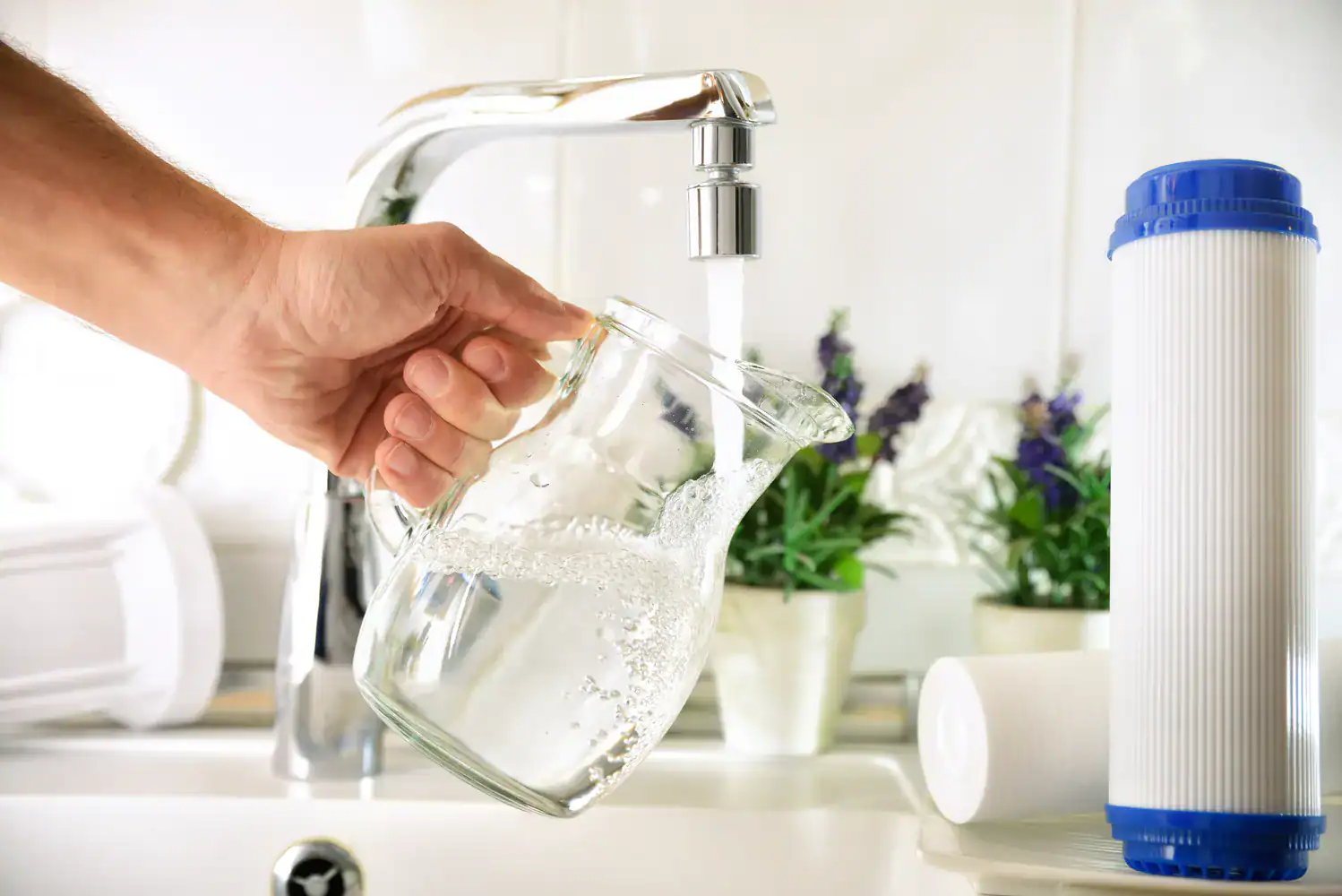
The short answer is that it meets federal Safe Drinking Water Act standards — so it’s legally compliant. But meeting the legal minimum and being genuinely clean are two different things. The water serving the Lake Sumter area, including Hadley, comes from the Floridan Aquifer through the Little Sumter Utilities system. Independent testing has documented the presence of disinfection byproducts like bromochloroacetic acid, as well as elevated water hardness, at levels that are legal but exceed the more stringent health-based guidelines published by the Environmental Working Group.
For most healthy adults, the water poses no immediate health risk. But for older residents — and the majority of Hadley homeowners are 65 or older — certain contaminants carry more weight over time. Manganese, for example, has been linked to cognitive effects at sustained exposure levels. PFAS compounds accumulate in the body over decades. A whole-house filtration system with a reverse osmosis drinking stage is the most complete way to address both the aesthetic issues and the longer-term health considerations specific to this area’s water supply.
A water softener handles one specific problem: hardness. It exchanges calcium and magnesium ions for sodium ions through a process called ion exchange, which eliminates scale buildup and improves the feel of water on your skin and hair. That’s genuinely useful in Hadley, where the Floridan Aquifer delivers water with hardness levels well above the national average. But a softener doesn’t remove chlorine, disinfection byproducts, sediment, or PFAS — it only addresses mineral content.
A whole-house water filtration system is broader. Depending on how it’s configured, it can include sediment filtration, activated carbon filtration for chlorine and chemical byproducts, and a conditioning or softening stage for hardness — all working together before the water reaches any fixture in your home. Many Hadley homeowners benefit from a combined approach: whole-house filtration to address the full range of contaminants, plus a reverse osmosis system at the kitchen sink for drinking and cooking water. The right combination depends on what your water analysis actually shows, which is why that step comes first.
If you’re concerned about PFAS, nitrates, or total dissolved solids in your drinking water — and in Sumter County, those are reasonable concerns — reverse osmosis is the most effective technology available for home use. It works by pushing water through a semipermeable membrane that blocks dissolved contaminants, including PFAS compounds that activated carbon filters and water softeners simply cannot remove. The EPA’s 2024 PFAS standard set the limit at 4 parts per trillion, and Florida has documented PFAS presence in drinking water sources affecting nearly 9 million residents statewide.
Beyond PFAS, reverse osmosis removes up to 95 to 99 percent of dissolved solids, which directly improves the taste and clarity of your drinking water. If you’ve been buying bottled water because your tap water tastes off, a reverse osmosis system at your kitchen sink will likely eliminate that expense entirely. The system is compact — it typically fits under the sink — and connects directly to a dedicated faucet. A free water analysis will tell you whether your Hadley home’s water chemistry makes reverse osmosis the right call, or whether a different configuration makes more sense.
That’s calcium and magnesium — the same minerals that make Floridan Aquifer water so hard throughout Sumter County and across Hadley specifically. When hard water evaporates, it leaves those minerals behind as a white, chalky residue. You’ll see it on faucets, showerheads, glass shower doors, dishwasher interiors, and anywhere water sits and dries. It’s not a sign that something is wrong with your plumbing — it’s a direct result of the water chemistry in this region.
The frustrating part is that cleaning it off is temporary. As long as the water coming into your home is hard, the deposits keep coming back. A whole-house water softening or conditioning system stops the problem at the source. Salt-based softeners use ion exchange to remove hardness minerals before the water reaches your fixtures. Salt-free systems using WQA-certified TAC media work differently — they don’t remove the minerals, but they change their form so they can’t bond to surfaces. Both approaches eliminate the spotting and scale. Which one fits your home depends on your water hardness level, your household size, and whether you have any sensitivity to sodium in softened water — all things a water analysis helps clarify.
Yes — and in a home that’s been running on hard Floridan Aquifer water since 2007 or 2008, this is one of the most practical arguments for installing a system. Scale builds up on the heating elements of water heaters and dishwashers over time, forcing them to work harder to reach the same output. That extra strain reduces efficiency and accelerates wear. Water heaters operating in hard water conditions can lose meaningful efficiency and fail years ahead of their expected lifespan.
For Hadley homeowners on a fixed retirement income, replacing a water heater or dishwasher years early is a significant and avoidable expense. A whole-house filtration and softening system reduces that risk by eliminating the mineral buildup that causes it. You’ll also notice that soaps and detergents lather more effectively in softened water, which means you use less of them — another cost that quietly adds up over time. The financial case for water treatment isn’t just about the system itself. It’s about what you stop spending on everything else.
Please provide your email address so that we can stay in touch and answer any questions you have! We will be reaching back out shortly.
"*" indicates required fields