Reach Out Today
Please provide your email address so that we can stay in touch and answer any questions you have! We will be reaching back out shortly.


Hear from Our Customers
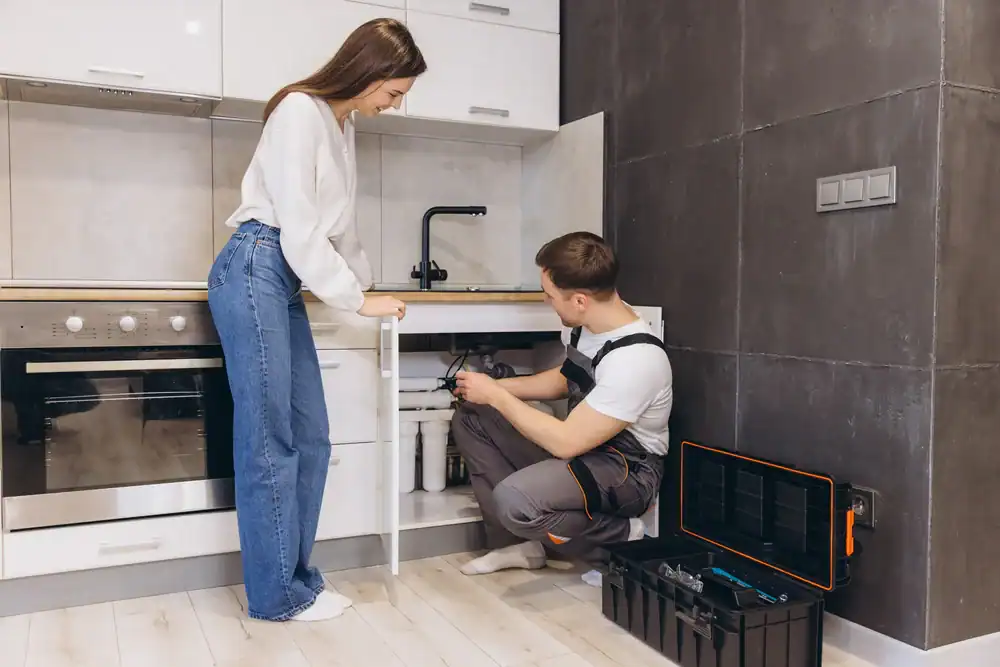
The water coming into your Hacienda home is sourced from groundwater — specifically the Floridan Aquifer, which feeds the Villages of Lake-Sumter water treatment system. That aquifer is naturally mineral-heavy. What that means day-to-day is white calcium buildup on your showerheads, spotted dishes out of a clean dishwasher, dry skin after a shower, and scale quietly coating the inside of your water heater and appliances.
A properly designed whole-house water filtration system changes that at the source. Every faucet, every shower, every appliance — all running on filtered, conditioned water. Your water heater runs more efficiently. Your dishes come out clean. Your skin doesn’t feel stripped after bathing. And the pipes in a Hacienda home built in the mid-1990s stop taking on more damage from hard, untreated water.
There’s also a layer most people don’t think about until they look it up. The municipal supply serving Hacienda has documented levels of total trihalomethanes — disinfection byproducts that form when chlorine reacts with organic matter in groundwater. The utility meets federal compliance standards, but federal limits on many of these contaminants haven’t been updated in nearly 20 years. A whole-house purification system addresses what the treatment plant doesn’t.
We’re based in Leesburg — about 10 to 15 miles from the Village of Hacienda, in the same Lake County that your home sits in. We’ve been operating across Central Florida for more than 50 years, which means we were already an established company in this region when Hacienda’s homes were being built in 1995. We know what Floridan Aquifer water looks like in Lake County. We know the hardness levels, the disinfection byproduct patterns, and what a 30-year-old cottage home in Hacienda actually needs.
We hold an A rating with the Better Business Bureau — five stars, zero complaints on record. In an industry the Florida Attorney General has had to step into more than once for deceptive practices, that record is worth paying attention to. We’re also members of the National Water Quality Association, and every system we install uses NSF-certified components. If you’re a veteran or first responder, there’s a $500 discount waiting for you — and in a community like Hacienda, where military and first responder families are well represented, that’s not a token gesture.

It starts with a free in-home water analysis. Not the theatrical kind where a technician drops chemicals in a glass to make your water look alarming — an actual laboratory-grade test that identifies what’s specifically present in your water. For Hacienda residents, that typically means checking hardness levels, disinfection byproduct concentrations, pH, and any additional contaminants relevant to the Villages of Lake-Sumter supply. You get real numbers, not a sales pitch dressed up as science.
From there, a system recommendation is built around what your water actually needs and how your household uses water. A two-person retired household on Morse Boulevard has different demands than a home with frequent guests or a larger footprint. The system is sized and configured accordingly — whether that’s a whole-house filtration and softening combination, a reverse osmosis drinking water system at the kitchen, or a more comprehensive purification setup for a home that’s never had treatment installed.
Once the system is installed, we service what we sell. If something needs attention six months or two years down the road, you’re not starting over with a new company or chasing down a warranty department. We also service other brands — so if your Hacienda home already has an aging system from a previous owner, we can evaluate it, maintain it, or replace it without any runaround.
Ready to get started?
Whole-house water purification is the core of what we do — and it’s especially relevant for homes in the Village of Hacienda. Cottage homes built in the mid-1990s weren’t designed with today’s water quality concerns in mind. Pipes, fixtures, and appliances in these homes have spent nearly three decades exposed to hard, mineralized groundwater. A whole-house system addresses that at the point of entry, so every drop that moves through your home is already treated before it reaches anything.
For drinking water specifically, a reverse osmosis system at the kitchen tap takes filtration further — removing contaminants that whole-house systems aren’t designed to target, including nitrates, arsenic, and residual disinfection byproducts. It’s a common pairing for Hacienda homeowners who want both appliance protection and genuinely clean drinking water coming out of the same home. Activated carbon filtration handles chlorine taste, odor, and organic compounds. Sediment removal catches particulates that can wear down valves and fixtures over time.
Every system starts with a water test, so nothing is guessed at or oversold. If your water doesn’t need a particular stage, it won’t be recommended. The Villages of Lake-Sumter supply runs through the St. Johns River Water Management District’s regulatory framework — and we know exactly what that water profile looks like in Lake County.
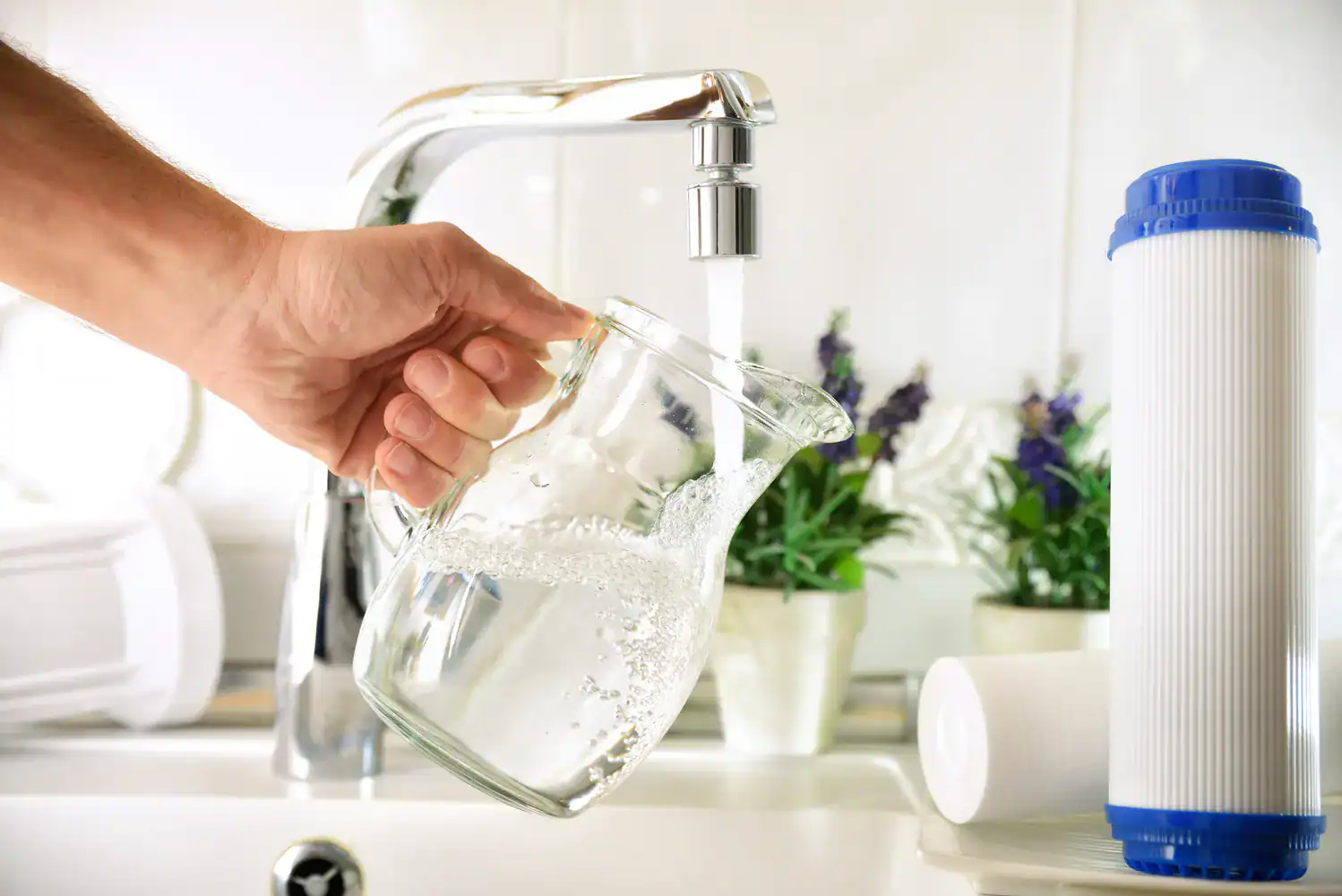
The municipal water supply serving the Village of Hacienda — managed through the Village Center Service Area and sourced from Floridan Aquifer groundwater — meets federal Safe Drinking Water Act standards. So technically, yes, it’s compliant. But compliance and health optimization aren’t the same thing. Federal legal limits for many contaminants, including total trihalomethanes, haven’t been updated in close to 20 years. Independent health researchers, including the Environmental Working Group, set health guidelines significantly lower than what the law requires.
What’s been documented in the Villages of Lake-Sumter water system includes detectable levels of trihalomethanes, bromochloroacetic acid, chromium, arsenic, and elevated hardness. None of those are unusual for a groundwater-sourced system in Central Florida — but they’re also not nothing. A free water analysis will show you exactly what’s in your specific Hacienda home’s water, and from there you can decide what level of treatment makes sense for your household.
The water hardness in Hacienda and the surrounding Villages area is genuinely elevated — water quality analysts have specifically described the Villages of Lake-Sumter system as having high hardness levels, which is consistent with what you’d expect from Floridan Aquifer groundwater in Lake County. Hard water is measured in minerals per gallon, and Central Florida groundwater regularly runs in ranges that accelerate scale buildup inside pipes, water heaters, dishwashers, and washing machines.
For a home in the Village of Hacienda built around 1995, that’s nearly 30 years of mineral accumulation inside your plumbing system. Water heaters coated with scale have to work harder to heat water, which shortens their lifespan and drives up energy costs. Dishwashers and refrigerator water lines are similarly affected. A water softener or salt-free conditioning system installed now won’t undo decades of buildup, but it stops the ongoing damage and protects every appliance you replace going forward.
A water softener specifically addresses hardness — it removes calcium and magnesium ions through a process called ion exchange, replacing them with sodium. That solves the scale problem and protects your appliances and plumbing. But it doesn’t remove chlorine, disinfection byproducts, sediment, or other contaminants that may be present in your water. For a lot of homeowners in Hacienda, softening alone isn’t the complete picture.
A whole-house water filtration system goes further. Depending on how it’s configured, it can include sediment filtration to catch particulates, activated carbon filtration to remove chlorine, taste, odor, and organic compounds, and additional media stages targeting specific contaminants identified in your water test. Many Hacienda homeowners end up with a combination system — softening for hardness, filtration for everything else — because the water coming from the Villages of Lake-Sumter supply has more than one thing worth addressing. The right answer for your home depends on what your water test actually shows, which is why that step comes first.
If your home was built in 1995 and has the original water treatment equipment — or if you’re not sure what’s installed — there’s a reasonable chance it’s either underperforming or completely past its service life. Most water softeners last 10 to 15 years. Reverse osmosis membranes typically need replacement every two to five years. A system that was installed when Hacienda’s homes were new would be well beyond those timelines by now.
Signs of a failing system include water that tastes or smells like chlorine, visible scale buildup returning on fixtures you’ve cleaned, white film on dishes, or skin that feels dry and tight after showering. You can also just have the water tested — if the system is working, the results will show it. If it’s not, you’ll know exactly what’s slipping through. We can evaluate existing systems regardless of brand, so if you inherited equipment from a previous owner, we can tell you whether it’s worth servicing or whether replacement makes more sense.
It’s a fair concern, especially in a home built in the 1990s where pipes may already have some scale accumulation affecting flow. A properly sized system installed by someone who knows what they’re doing should not meaningfully reduce your water pressure. In fact, for homes with significant internal scale buildup, treating the water at the point of entry can actually help slow the progression of scale narrowing inside pipes over time.
Where pressure problems do occur, they’re usually the result of an undersized system — a filter housing or softener tank that can’t keep up with the household’s actual water demand. That’s why the process starts with a water analysis that also accounts for your home’s size and usage patterns. A two-person household in a cottage home on Morse Boulevard has very different flow demands than a larger home with multiple bathrooms and frequent guests. Getting the sizing right from the start is what prevents pressure issues from ever becoming a problem.
Please provide your email address so that we can stay in touch and answer any questions you have! We will be reaching back out shortly.
"*" indicates required fields