Reach Out Today
Please provide your email address so that we can stay in touch and answer any questions you have! We will be reaching back out shortly.


Hear from Our Customers

If you’ve noticed white buildup on your shower door, film on your glasses after the dishwasher, or a faint chlorine smell when you turn on the tap — that’s not a quirk of your plumbing. That’s the Floridan Aquifer doing what it does. Water moving through the limestone and dolomite beneath Sumter County picks up calcium, magnesium, and dissolved minerals long before it reaches your home. Little Sumter Utilities treats it to meet EPA standards, but hardness doesn’t get removed in that process. It comes through your pipes every single day.
For homeowners in Glenbrook — where the average home is worth close to $480,000 and many back up to the fairways at Glenview Champions Golf and Country Club — that hardness is quietly working against your investment. Scale builds up inside water heaters, reducing efficiency. It deposits on dishwasher heating elements, shortening their life. It stains grout, corrodes fixtures, and leaves a film on everything it touches. Glenbrook’s housing stock was built between 2000 and 2002, which means those pipes have been running on unfiltered hard water for over two decades. The damage is cumulative and it compounds.
The good news is that a properly designed whole-house filtration system stops all of it. Softened, filtered water extends appliance life, protects your plumbing, and makes every shower, every glass of water, and every pot of coffee noticeably better. It’s not a luxury upgrade — it’s maintenance for the home you’ve invested in.
We’ve been treating Central Florida water for more than 50 years. That means we were working in this region before most Glenbrook residents moved here, and we’ll still be answering the phone long after your system is installed. We hold an A-rating with the Better Business Bureau, a 5-star customer rating, and zero complaints on record. In an industry where the Florida Attorney General has prosecuted companies for deceptive water testing tactics and high-pressure sales, that clean record is the first thing worth knowing.
We’re also a member of the National Water Quality Association, which requires passing a formal exam and agreeing to a code of ethics — something most local and national competitors don’t bother with. We serve homeowners across Sumter County, including The Villages communities like Glenbrook, and every system we install is custom-designed around a real laboratory-grade water analysis of your specific home. No guessing. No one-size-fits-all pitch. Just an honest look at what’s in your water and what it actually takes to fix it.

It starts with a free water analysis. One of our technicians comes to your Glenbrook home, collects a sample, and runs a real laboratory-grade test — not a theatrical chemical-drop demonstration designed to make any water look dangerous. The goal is to find out exactly what’s in your water: hardness levels, disinfection byproducts like total trihalomethanes, nitrates, trace minerals, and anything else the Floridan Aquifer or Little Sumter Utilities’ treatment process has left behind. That data drives every recommendation that follows.
From there, we design a system specific to your home. Glenbrook homes range from around 1,250 to over 3,000 square feet, and the right system for a two-bedroom villa is different from what a larger home with multiple bathrooms needs. If your water shows elevated hardness, a whole-house softening or salt-free conditioning system gets sized to your usage. If disinfection byproducts or taste and odor are the issue, an activated carbon filter handles that at the point of entry. If you want the cleanest possible drinking water at the kitchen tap, a reverse osmosis system goes under the sink and removes up to 99% of dissolved solids — including nitrates and PFAS compounds that a whole-house filter alone won’t catch.
Installation is handled by our licensed technicians who manage all the technical details. Once the system is in, we walk you through maintenance — what to watch for, when filters need changing, and how to reach us if anything comes up. Because we service what we sell, that relationship doesn’t end at the door.
Ready to get started?
The contaminants documented in the Little Sumter Utilities system that serves Glenbrook’s District 3 include total trihalomethanes, chlorite, nitrates, chromium, arsenic, barium, and selenium. Some of those are flagged by the Environmental Working Group at levels that exceed their health guidelines — even when they technically fall within the EPA’s legal limits. For a community where the median resident is in their mid-70s and health is a daily priority, the gap between “legal” and “healthy” matters.
Our whole-house systems use NSF-certified components — independently verified to perform as claimed, not just marketed that way. Our salt-free conditioning systems use WQA-certified TAC media, which addresses hardness without adding sodium to your water. For residents managing blood pressure or on sodium-restricted diets, that distinction is worth asking about. An under-sink reverse osmosis system paired with whole-house filtration gives you the most comprehensive coverage: everything that touches your plumbing gets treated at the entry point, and everything you drink and cook with goes through an additional stage of purification at the tap.
We also offer a $500 discount for military personnel and first responders. The Villages has one of the highest concentrations of veterans in Florida, and Glenbrook reflects that. We support the Tunnels to Towers Foundation, which provides mortgage-free homes to Gold Star and fallen first responder families. If you or your spouse served, that $500 is yours.
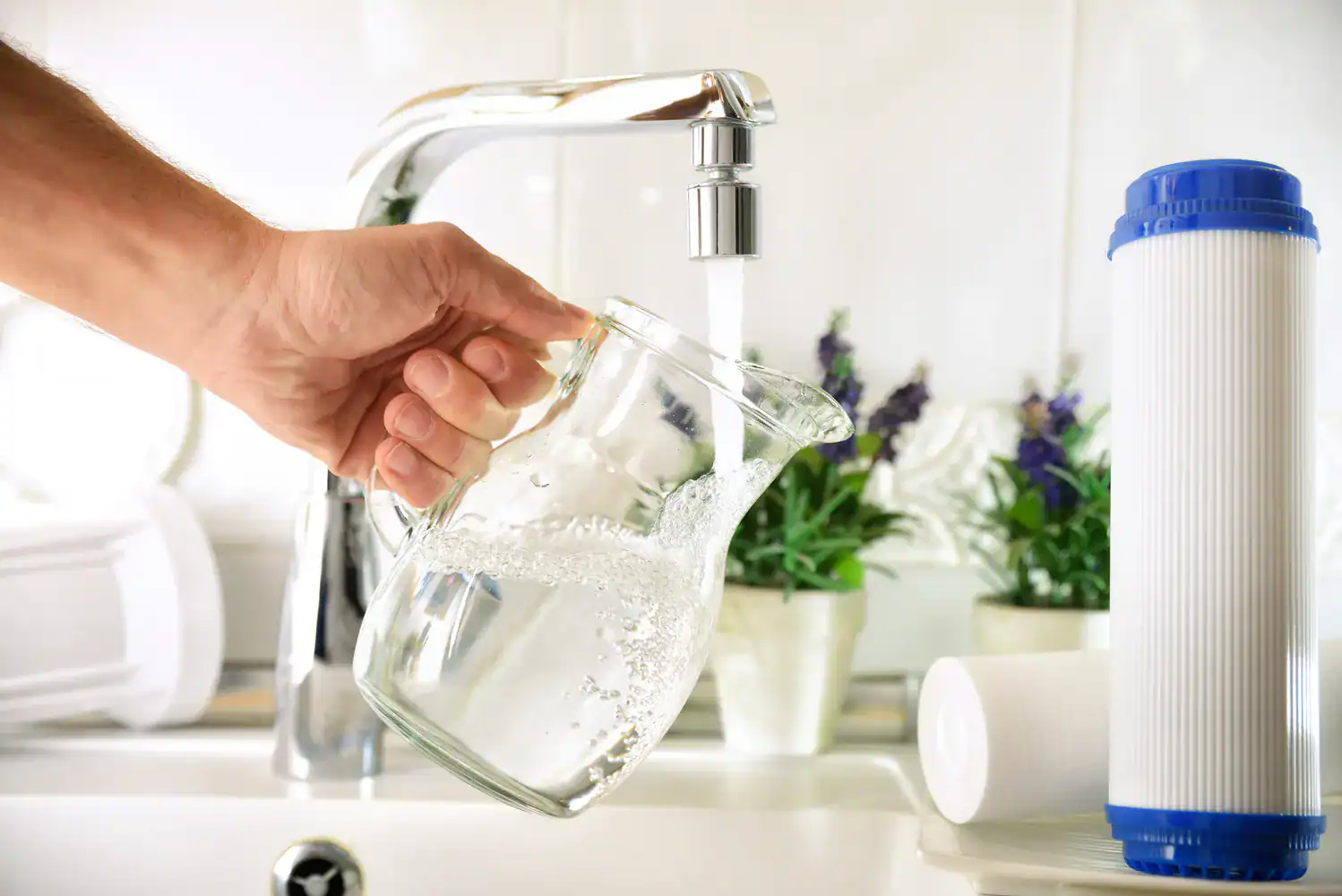
Technically, yes — Little Sumter Utilities treats the water to meet EPA legal standards, and it passes regulatory testing. But meeting the legal limit and being genuinely clean are two different things. The Environmental Working Group’s Tap Water Database has flagged contaminants in the Little Sumter Utilities system — including total trihalomethanes, nitrates, and trace heavy metals like chromium and arsenic — at levels that exceed their health-based guidelines, even when they fall within what the EPA legally allows. For most healthy adults, short-term exposure at those levels isn’t an emergency. But for older residents in Glenbrook who are already managing their health carefully, drinking and cooking with that water every day is a different conversation.
The honest answer is: you don’t actually know what’s in your specific water until you test it. Utility reports cover the system as a whole — your Glenbrook home’s water can vary based on your location within the distribution network, the age of your plumbing, and seasonal changes in groundwater quality. A free water analysis from us gives you real data specific to your home, not a system-wide average.
Hard water leaves mineral deposits — primarily calcium and magnesium — on every surface it contacts. Inside your pipes, those deposits accumulate over time and gradually narrow the flow. Inside your water heater, scale builds up on the heating element and forces it to work harder to reach temperature, which shortens its lifespan and raises your energy bill. Dishwashers, washing machines, and refrigerator ice makers all take the same kind of slow, steady damage. Glenbrook’s homes were built in 2000 and 2002 — if you’re in a home that’s never had a filtration system, your appliances have been running on Floridan Aquifer hard water for over two decades.
Beyond appliances, hard water stains grout, etches glass shower doors, and leaves a film on fixtures that regular cleaning doesn’t fully remove. A whole-house water softener or salt-free conditioning system stops all of that at the source. The water that enters your home gets treated before it ever reaches a pipe, a faucet, or an appliance.
A water softener specifically targets hardness — it removes calcium and magnesium ions from the water, which prevents scale buildup and protects your plumbing and appliances. A whole-house filtration system is a broader category: it can address hardness, but it can also target sediment, chlorine taste and odor, disinfection byproducts, and other contaminants depending on what media or technology is used. Some systems combine both functions in a single unit; others pair a softener with a separate carbon filter or sediment filter for layered treatment.
For Glenbrook homes served by Little Sumter Utilities, hardness is almost always part of the picture — the Floridan Aquifer is naturally mineral-heavy. But the water analysis results often show other issues alongside hardness, like elevated trihalomethanes or chlorine odor, that a softener alone won’t address. That’s why we run a real water test before recommending anything. The right combination of systems depends on what’s actually in your water, not on what’s easiest to sell.
A reverse osmosis system forces water through a semi-permeable membrane that blocks dissolved solids at the molecular level. The result is water that’s had up to 99% of its dissolved contaminants removed — including nitrates, heavy metals, PFAS compounds, and anything else small enough to pass through a standard carbon filter but large enough to be blocked by the RO membrane. It’s typically installed under the kitchen sink and feeds a dedicated drinking water tap, so it treats the water you actually consume rather than every drop that enters the house.
For Glenbrook residents, the case for an RO system comes down to what the water analysis shows. If nitrates, trihalomethanes, or trace metals are present at levels that concern you — and the EWG data suggests they may be — an RO system at the drinking tap is the most direct solution. It also eliminates the ongoing cost of bottled water, which adds up quickly. Annual maintenance on a reverse osmosis system typically runs between $80 and $150 for filter replacements, compared to hundreds of dollars a year in bottled water for a single household.
It depends on the type of system and how heavily it’s being used, but here’s a general baseline: pre-filters that catch sediment and larger particles typically need replacement every six to twelve months. The main filtration media in a whole-house carbon or multi-stage system generally lasts three to five years before it needs to be replaced or recharged. A reverse osmosis system under the sink has its own filter stages — pre-filters every six to twelve months, and the RO membrane itself every two to three years under normal use.
In Sumter County, the dry season from October through May can concentrate dissolved minerals in the groundwater, which means your system may be working harder during those months than during the rainy season. It’s worth having a technician check your system annually to make sure everything is performing as it should. We service every system we install, and we also service systems originally installed by other companies — so if you have an existing system that isn’t performing or a company that isn’t returning your calls, that’s not something you have to live with.
Please provide your email address so that we can stay in touch and answer any questions you have! We will be reaching back out shortly.
"*" indicates required fields
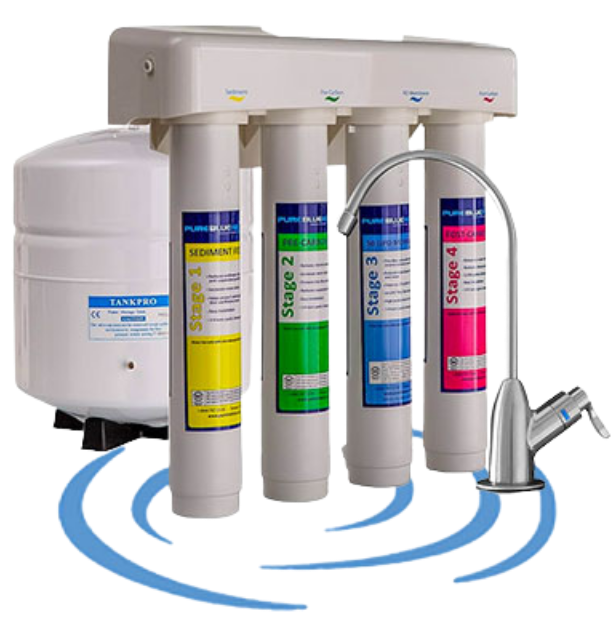
Get a free reverse osmosis drinking water system with the purchase of any whole-home water purification system.
*Cannot be combined with other offers. Mention this special when you call.