Reach Out Today
Please provide your email address so that we can stay in touch and answer any questions you have! We will be reaching back out shortly.


Hear from Our Customers

Your appliances last longer. Water heaters, dishwashers, and washing machines stop fighting mineral buildup and start running the way they should. That means fewer repairs and years added to equipment you’ve already paid for.
Your skin and hair feel different. No more dryness from chlorine. No more residue that soap can’t rinse away. Just water that doesn’t leave you wondering what’s in it.
You stop buying bottled water. When your tap water tastes clean and doesn’t smell like chemicals, you use it. That’s money back in your pocket every month and one less thing to haul home from the store.
Your home stays cleaner with less effort. Soap scum disappears. Dishes don’t spot. Fixtures don’t collect that white, crusty buildup. Cleaning takes less time because you’re not scrubbing away what your water left behind.
We’ve been treating water across Florida for over five decades. That’s not a sales pitch—it’s just how long we’ve been doing this. We’re members of the National Water Quality Association and hold an A+ rating with the Better Business Bureau with zero complaints.
Fort McCoy homeowners deal with well water that pulls from aquifers vulnerable to contamination—dry-cleaning solvents, gasoline, pesticides. We know what’s in the ground here because we’ve tested it hundreds of times. Our systems are designed around what actually shows up in local water tests, not what works everywhere else.
We don’t do plumbing or water heaters. We do water treatment. That focus means you’re working with people who know filtration systems inside and out, not a general contractor trying to upsell you on five other things.
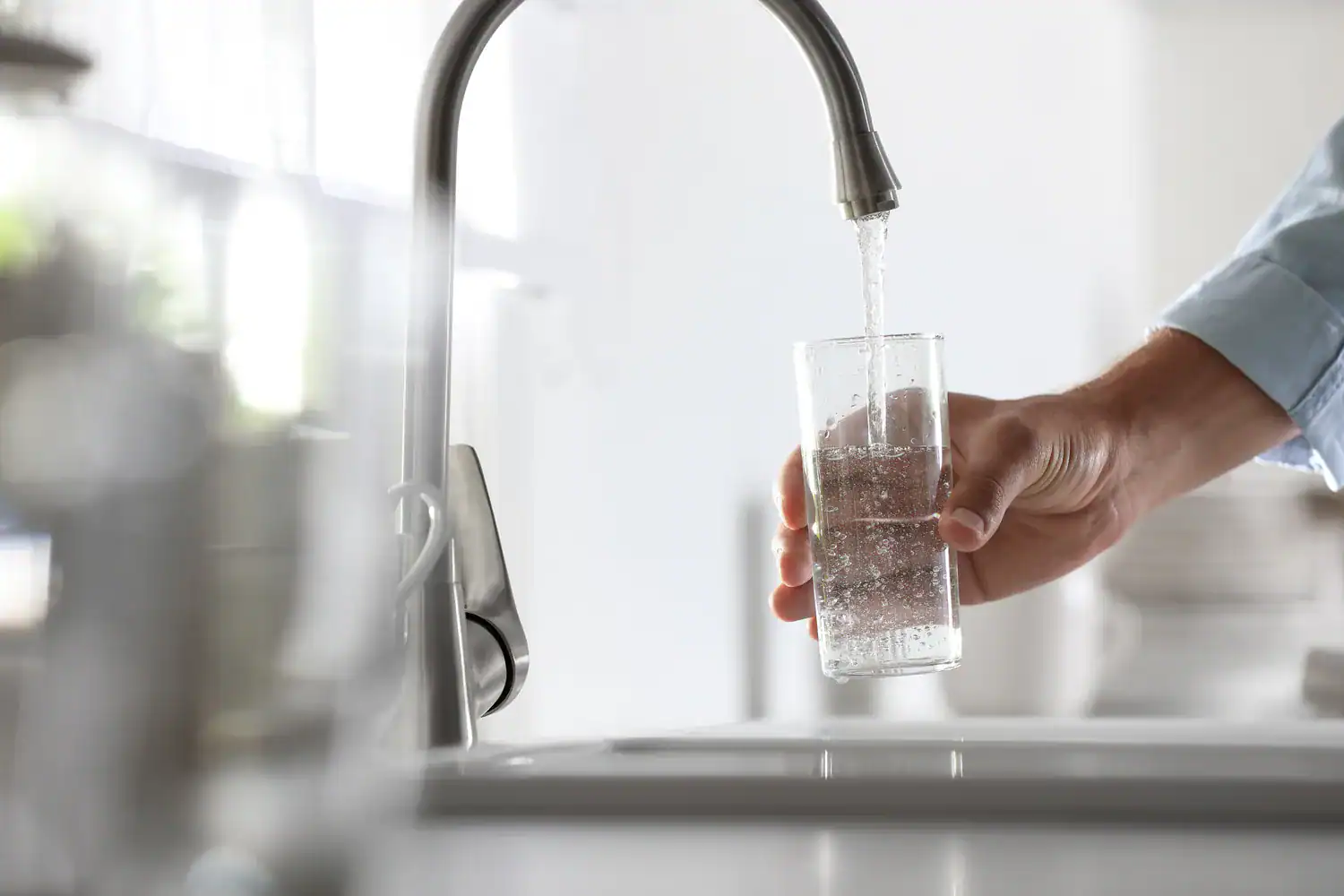
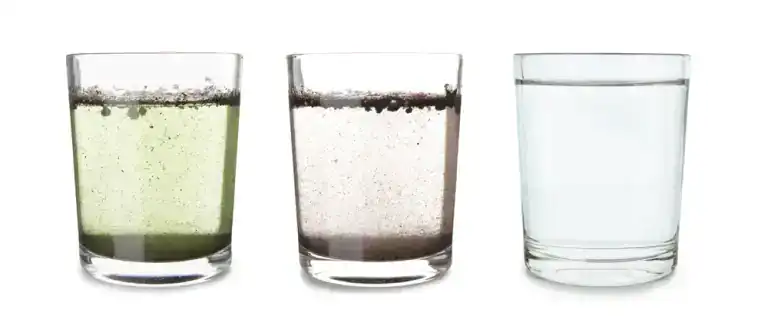
We start with a water analysis. You need to know what’s in your water before you can treat it properly. We test for hardness, chlorine levels, iron, sulfur, and contaminants common to Fort McCoy’s groundwater sources. This isn’t a guess—it’s data.
Once we know what we’re dealing with, we design a system for your home. That includes sizing it correctly based on how much water your household uses and what treatment stages you actually need. Some homes need reverse osmosis systems for drinking water. Others need whole-house activated carbon filtration to handle chlorine. Most need a combination.
Installation happens in one day for most residential systems. We connect the system where water enters your home so every tap gets treated water. We walk you through how it works, what maintenance looks like, and what to expect in the first few weeks as your plumbing clears out existing buildup.
We don’t leave until it’s working right. That’s not a satisfaction guarantee—it’s just how we operate. If something needs adjustment, we handle it before we go.
Ready to get started?
Whole-house filtration means treated water at every faucet, shower, and appliance. The system installs at your main water line, so you’re not just filtering one sink—you’re filtering everything. That includes water for bathing, laundry, cooking, and drinking.
Most Fort McCoy homes on well water need multi-stage treatment. That typically means a softener to handle Florida’s hard water, activated carbon filtration to remove chlorine and organic compounds, and sometimes UV purification if bacteria is a concern. City water homes usually need less—often just a good carbon filter and softener.
For drinking water, under-sink filter installation with reverse osmosis systems gives you an extra layer of protection. These systems remove contaminants that whole-house filters aren’t designed to catch—things like heavy metals and dissolved solids that affect taste and safety.
You’ll also get a water quality testing report that shows exactly what was in your water before treatment. That’s your baseline. We recommend retesting annually to make sure your system is keeping up with any changes in your water source.
For city water, you’re typically looking at $1,500 to $2,500 installed for a solid system that handles chlorine and hardness. Well water costs more because it needs more treatment—usually $3,000 to $6,000 for a properly designed multi-stage system.
The range depends on what’s in your water and how much water your household uses. A family of four uses more water than a couple, so the system has to be sized accordingly. If your well water has high iron or sulfur, you’ll need additional treatment stages.
We don’t give quotes over the phone because we’d be guessing. Water chemistry varies even between neighbors on well water. The only way to price it accurately is to test your water first and design around what we find.
A water softener removes hardness—calcium and magnesium that cause scale buildup and soap scum. It uses salt to exchange those minerals for sodium. That solves the hard water problem but doesn’t remove chlorine, sediment, or other contaminants.
A filtration system removes different things depending on the type. Activated carbon filtration pulls out chlorine, chemicals, and organic compounds that affect taste and odor. Reverse osmosis systems filter out dissolved solids, heavy metals, and contaminants that other filters miss.
Most Fort McCoy homes need both. Hard water damages appliances and makes cleaning harder. Chlorine and other chemicals affect health and how your water tastes. A complete system addresses both issues—softening plus filtration. That’s why whole-house systems typically combine multiple treatment stages instead of just doing one thing.
Carbon filters need replacement every 6 to 12 months depending on your water usage and what they’re removing. If you’re filtering a lot of chlorine or sediment, they’ll need changing more often. You’ll notice when they’re spent—water flow slows down or taste changes.
Water softeners need salt refills every few months. How often depends on your hardness level and how much water you use. The system will keep working as long as there’s salt in the tank. Most homeowners check it monthly and add salt when it gets low.
Reverse osmosis systems have multiple filters that change on different schedules. The sediment and carbon pre-filters change every 6 to 12 months. The RO membrane lasts 2 to 3 years. The post-filter changes annually. We set up a maintenance schedule when we install so you know what to expect and when.
Yes, but it depends on the type of system and how much sulfur you’re dealing with. Activated carbon filters handle low levels of hydrogen sulfide—that rotten egg smell. For moderate to high levels, you need an oxidizing filter or an aeration system that converts the sulfur into a form that can be filtered out.
Some well water in Fort McCoy has enough sulfur that you can smell it the moment you turn on a tap. That usually means you need more than just carbon filtration. We test the sulfur concentration first, then recommend the right treatment method based on the results.
UV water purification doesn’t remove sulfur—it kills bacteria. People sometimes confuse the two because both affect how water smells, but they’re treating different problems. If your water smells like sulfur and you’re on well water, you need a system specifically designed to oxidize and filter out hydrogen sulfide.
Most residential installations take 4 to 6 hours. That includes connecting the system to your main water line, setting up the drain line for backwash, running the electrical if needed, and testing everything to make sure it’s working correctly.
Well water systems with multiple treatment stages can take longer—sometimes a full day if we’re installing a softener, carbon filter, and additional equipment like a UV purifier or iron filter. We’re cutting into your main water line, so we work efficiently to minimize downtime.
You’ll have water back on the same day. We don’t leave jobs half-finished or schedule installations across multiple days unless there’s a specific reason. Once we start, we finish. That includes walking you through how to operate the system and what maintenance looks like going forward.
Please provide your email address so that we can stay in touch and answer any questions you have! We will be reaching back out shortly.
"*" indicates required fields
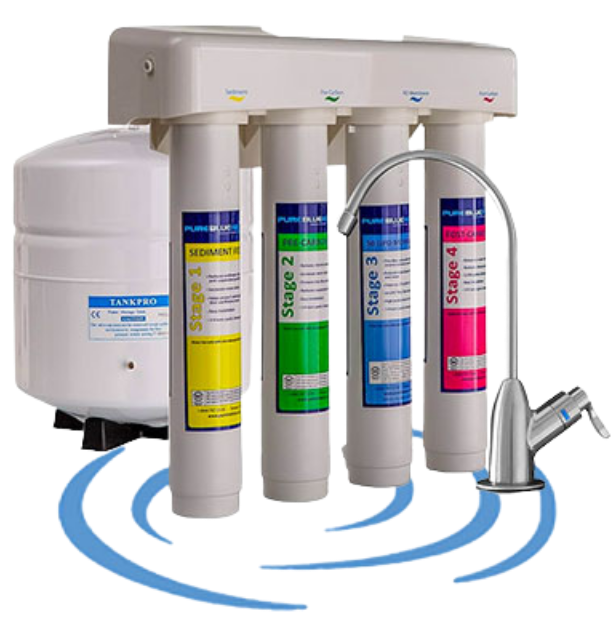
Get a free reverse osmosis drinking water system with the purchase of any whole-home water purification system.
*Cannot be combined with other offers. Mention this special when you call.