Reach Out Today
Please provide your email address so that we can stay in touch and answer any questions you have! We will be reaching back out shortly.


Hear from Our Customers

Your dishes stop coming out of the dishwasher with spots. Your water heater isn’t fighting scale buildup that cuts its life in half. Your laundry feels softer, and you’re not scrubbing rust stains off the toilet every week.
That’s what happens when you address Fellowship’s hard water the right way. Florida’s limestone bedrock loads your water with calcium and magnesium before it ever reaches your home. Municipal treatment handles safety, but it doesn’t handle the minerals that wreck your plumbing or the chlorine taste that makes you reach for bottled water.
A whole house water filtration system handles what the city doesn’t. It removes the hardness that costs you money in repairs, the chlorine that affects taste, and the iron that stains everything it touches. You get water that works for you instead of against you, in every faucet, every shower, every load of laundry.
We’ve been solving hard water issues across the state since the early 1970s. We’re A-rated by the Better Business Bureau with zero complaints and a 5-star rating. We’re members of the National Water Quality Association, which means we follow industry standards that matter.
Fellowship sits in an area where well water and municipal supplies both come with challenges. High mineral content, occasional sulfur smell, iron staining—these aren’t rare problems here. They’re predictable, and we’ve seen them hundreds of times. We test your water first, design a system based on what’s actually in it, and install equipment that handles your specific issues.
We also offer a $500 discount for military members and first responders, because some things matter more than profit.

We start with free drinking water quality testing at your home. Not a guess, not a generic recommendation—actual lab analysis of what’s in your water. That tells us whether you’re dealing with hardness, chlorine, iron, sulfur, bacteria, or a combination.
Once we know what we’re working with, we design a system. That might mean reverse osmosis systems for your drinking water, activated carbon filtration to remove chlorine and odors, UV water purification if bacteria is a concern, or a whole-house setup that handles everything at once. We don’t sell one-size-fits-all because your water doesn’t work that way.
Installation happens on your schedule. We bring the equipment, connect it to your main water line or install an under-sink filter depending on the system, and test everything before we leave. You’ll know how to maintain it, when filters need changing, and how to reach us if something doesn’t work right.
After that, you’ve got water that doesn’t fight you. And if you ever need service, we handle all makes and models—not just what we sell.

Ready to get started?
A whole house water filtration system treats every drop of water entering your home. That means your shower, your washing machine, your kitchen sink, and your water heater all get filtered water. You’re protecting appliances, improving water quality for bathing and cleaning, and extending the life of anything that uses water.
If your main concern is drinking water, an under-sink filter installation with a reverse osmosis system gives you purified water at the tap without treating the entire house. It removes contaminants that affect taste and health, and it’s a smaller investment if that’s all you need right now.
For Fellowship homes on well water, UV water purification kills bacteria and waterborne organisms without chemicals. Activated carbon filtration removes the chlorine taste and odor common in municipal water. If you’ve got the rotten egg smell from sulfur or rust stains from iron, we install systems specifically designed to remove those.
Florida’s water problems are consistent across the region, but every home’s water is a little different. The system that works depends on what your test shows, how much water you use, and what problems you’re trying to solve. We don’t upsell. We match the equipment to the issue.
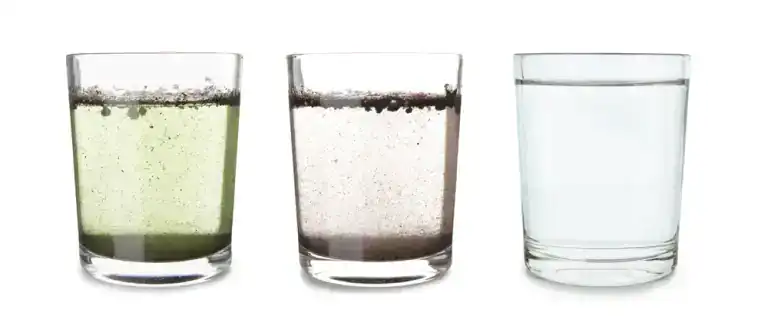
If you’re seeing white buildup around faucets, your water tastes like chlorine, your dishes have spots, or your laundry feels stiff, you’ve got hard water or chlorine issues. If there’s a rotten egg smell, that’s sulfur. Rust stains on sinks or toilets mean iron.
These problems don’t fix themselves, and they cost you money the longer they go untreated. Water heaters fail early because of scale buildup. Appliances work harder and break sooner. You spend more on soap and cleaning products because hard water makes them less effective.
The only way to know for sure what’s in your water is to test it. We do that for free at your home, and the results tell you exactly what you’re dealing with. If you don’t need a system, we’ll tell you. If you do, you’ll know why and what it’ll fix.
A water softener removes hardness—the calcium and magnesium that cause scale buildup and make soap less effective. It’s designed specifically for that problem, and it works by exchanging those minerals for sodium or using a salt-free conditioner that prevents scale without removing the minerals.
A water filtration system removes contaminants like chlorine, sediment, iron, sulfur, and bacteria. Some systems do both—soften and filter—but they’re addressing different issues. If your water is hard and tastes bad, you probably need both functions.
Most Fellowship homes benefit from a combination approach. Hard water is nearly universal in Florida, but chlorine from municipal treatment or iron from well water adds another layer of problems. We test first, then recommend what actually matches your water. Sometimes that’s a softener, sometimes it’s a filter, and sometimes it’s a whole-house system that does everything.
It depends on what your water needs and the size of your home. A basic whole-house filter that removes sediment and chlorine costs less than a system that also softens water, removes iron, and includes UV purification.
We don’t give quotes without testing your water first because the equipment has to match the problem. Undersizing a system means it won’t work right. Overselling you equipment you don’t need wastes your money. The test tells us what you actually need, and the quote reflects that.
What we can tell you is that the cost of not treating your water adds up fast. Replacing a water heater eight years early costs $1,200 to $1,500. Scale buildup in pipes reduces water pressure and efficiency. Appliances wear out sooner. A filtration system is an investment that pays back in appliance life, lower energy bills, and fewer repairs. We’ll walk you through the numbers after we test your water.
Yes, filters need replacing, but how often depends on the type of system and how much water you use. Activated carbon filters typically last six months to a year. Reverse osmosis systems have multiple filters that change on different schedules—some every six months, some every two years.
We’ll give you a maintenance schedule when we install your system. Most homeowners can change filters themselves, and we’ll show you how. If you’d rather have us handle it, we offer service for all makes and models, not just the systems we install.
Skipping filter changes means your system stops working as well. Water flow slows down, contaminants aren’t removed as effectively, and you’re basically running untreated water through expensive equipment. Staying on schedule keeps everything working the way it should. We’ll remind you when it’s time if you want us to.
Yes, but it takes the right kind of system. Sulfur—that rotten egg smell—comes from hydrogen sulfide gas or sulfur bacteria in well water. A standard carbon filter won’t remove it. You need a system designed specifically for sulfur removal, often combined with an oxidizing filter or an aeration system.
If bacteria is causing the sulfur smell, a UV water purification system kills the bacteria, but you still need to address the hydrogen sulfide. Sometimes chlorination or a catalytic carbon filter works. It depends on how much sulfur is in your water and whether bacteria is part of the problem.
We test for sulfur levels during the water analysis, and that tells us which approach will work. Fellowship has pockets where sulfur is common in well water, and we’ve installed systems that eliminate the smell completely. It’s fixable, but it requires the right equipment, not a generic filter.
Please provide your email address so that we can stay in touch and answer any questions you have! We will be reaching back out shortly.
"*" indicates required fields
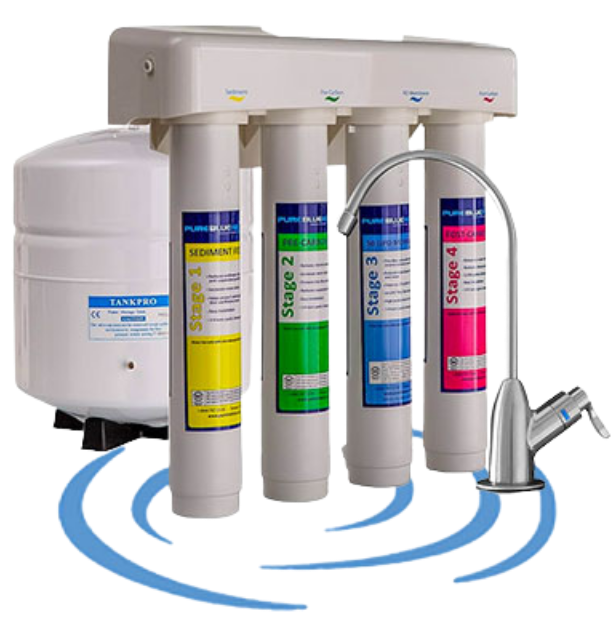
Get a free reverse osmosis drinking water system with the purchase of any whole-home water purification system.
*Cannot be combined with other offers. Mention this special when you call.