Reach Out Today
Please provide your email address so that we can stay in touch and answer any questions you have! We will be reaching back out shortly.

Hear from Our Customers
Your water stops tasting like a swimming pool. That’s the chlorine gone—the same chlorine that’s been drying out your skin and fading your clothes.
Your appliances last longer. Hard water kills dishwashers, washing machines, and water heaters faster than most homeowners realize. When you remove the minerals causing buildup and corrosion, everything that uses water in your house works better and needs fewer repairs.
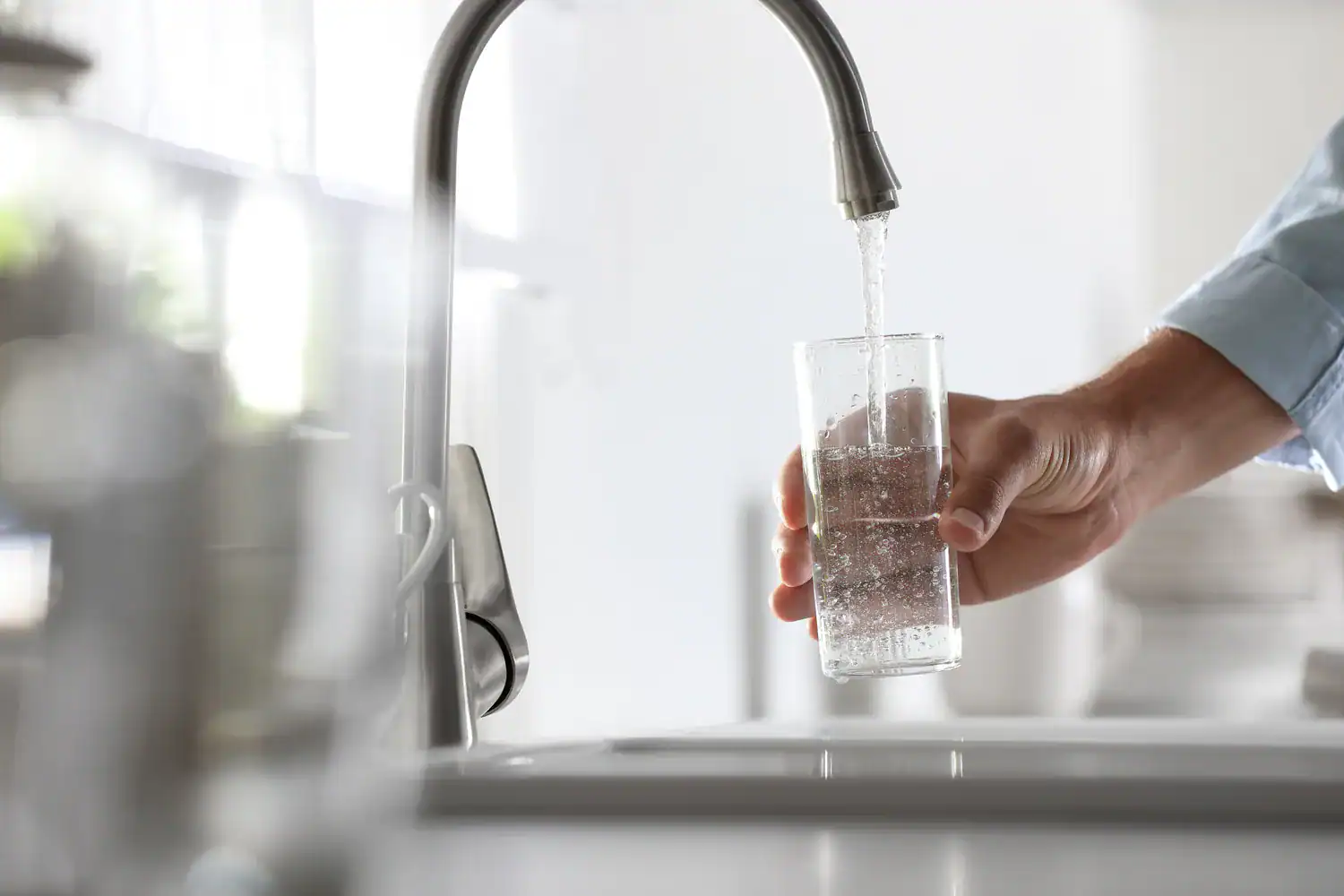
You stop buying bottled water. A whole-house water filtration system handles everything at the point where water enters your home, so every tap delivers clean water. That’s drinking water, cooking water, shower water—all of it filtered before it reaches you.
We don’t do plumbing. We don’t install water heaters. We focus exclusively on water purification, softening, and filtration because that’s what we’re good at.
We hold an A+ rating with the Better Business Bureau with zero complaints on record. We’re members of the Water Quality Association, which represents over 2,500 water treatment professionals worldwide and sets the standards for product certification and safety.
We’ve been serving homeowners in Edgewood and the surrounding areas long enough to know exactly what’s in the local water supply—and what it takes to fix it. Edgewood’s drinking water has tested positive for contaminants including Molybdenum, Strontium, 1,2,3-Trimethylbenzene, and 1,1,1-Trichloroethane, plus abnormally high water hardness levels. We design systems that address those specific problems.
First, we test your water. Not a guess—actual testing to see what contaminants are present and at what levels. That tells us whether you need reverse osmosis systems, activated carbon filtration, UV water purification, or a combination.
Then we recommend a system based on what we found. If you’ve got high chlorine, we address that. If hard water is destroying your appliances, we handle that. If bacteria or heavy metals showed up in testing, we design around that. The system gets installed at the main water line where water enters your home, so every faucet and fixture is covered.
After installation, you’ll notice the difference immediately. Water tastes better. Soap lathers easier. Your skin doesn’t feel tight after a shower. And over time, you’ll see fewer repairs on anything that uses water—your dishwasher, your washing machine, your coffee maker.
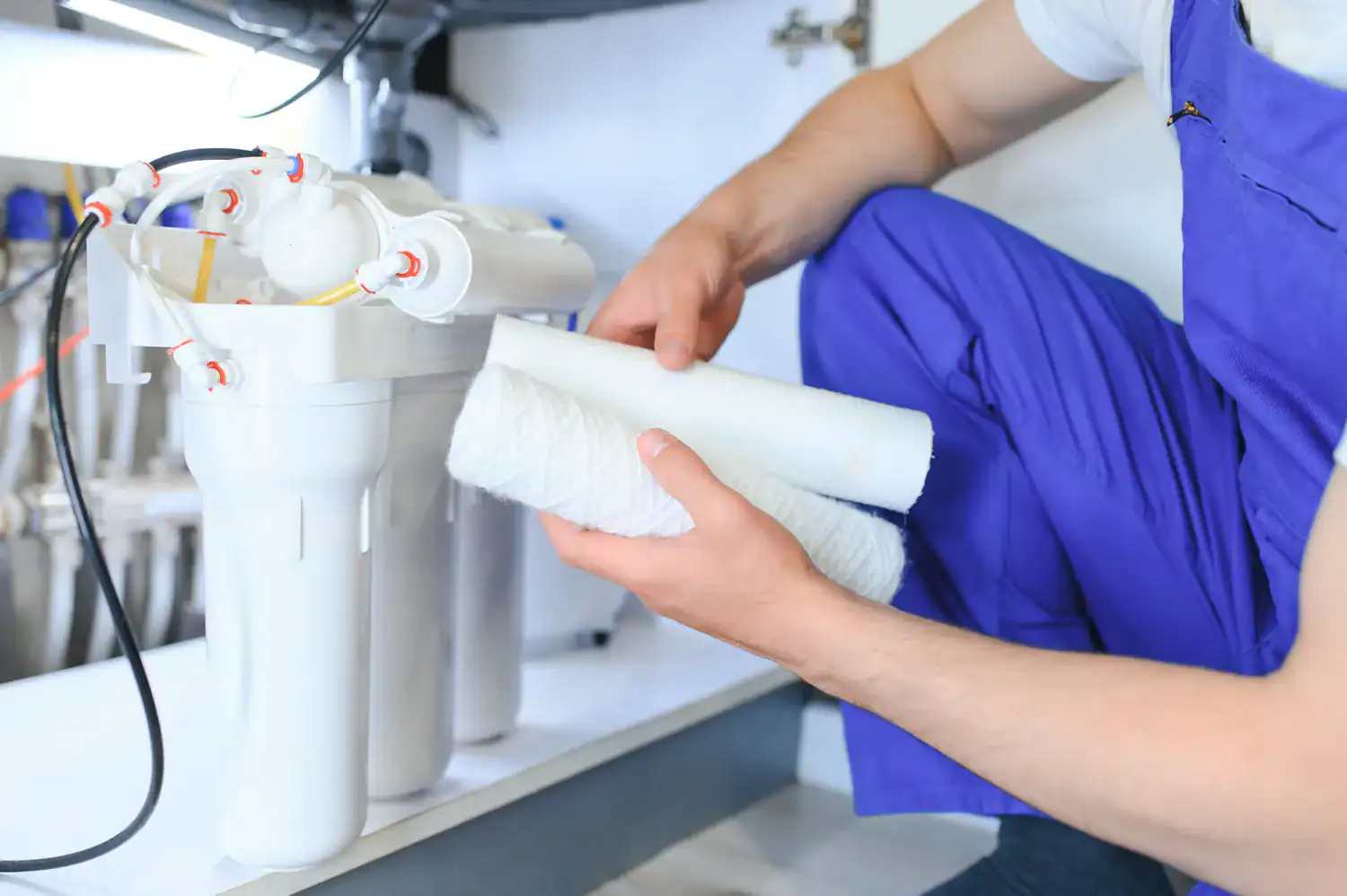
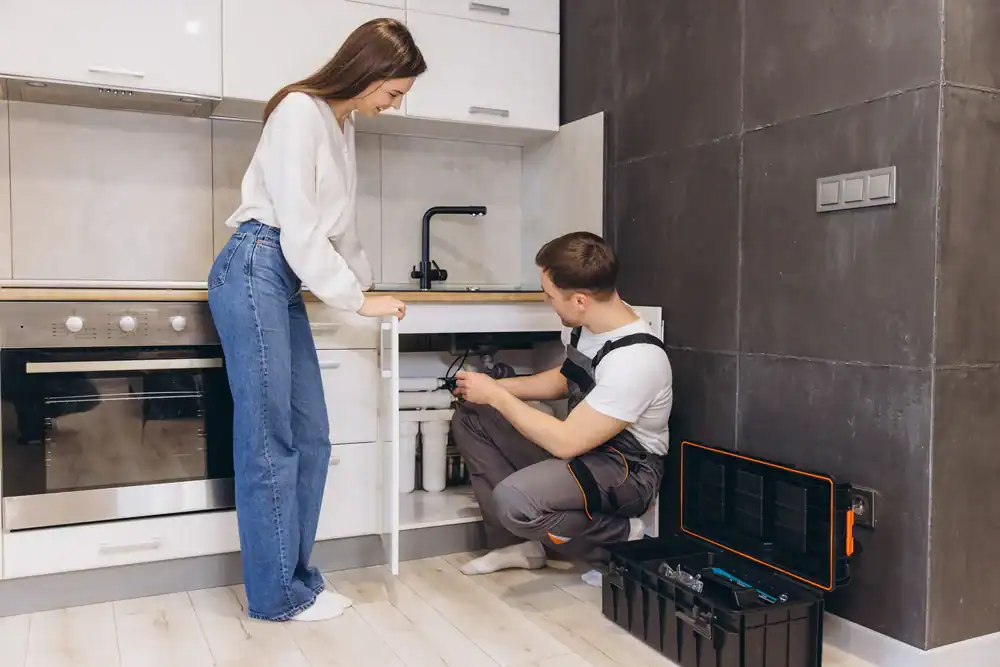
We also offer under-sink filter installation if you want a dedicated drinking water system in your kitchen. That’s typically a reverse osmosis setup that handles the final stage of purification right before the water hits your glass.
Ready to get started?
Every system we install starts with drinking water quality testing. You need to know what’s in your water before you can fix it. We test for chlorine, sediment, heavy metals like arsenic, bacteria, hardness levels, and other contaminants common in Edgewood’s water supply.
Based on those results, we install whole-house filtration systems designed specifically for Florida water. That usually means dealing with hard water—calcium and magnesium that cause scaling and appliance damage. It means removing chlorine that makes your water smell like bleach. And it means filtering out sediment and organic contamination that can come from aging infrastructure or well water issues.
You’re also getting a company that actually services what we sell. We’re not a national chain that installs equipment and disappears. If something needs adjustment or maintenance, we’re here.
We offer a $500 discount for military members and first responders. And we support the Tunnels to Towers Foundation because we believe in giving back to the people who serve this community. That’s not marketing talk—it’s something we actually do.
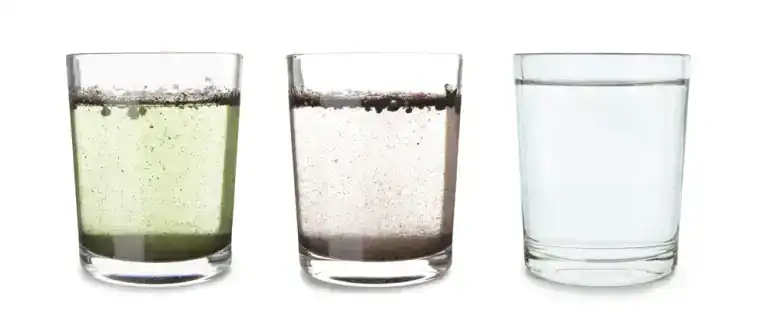
Most whole-house systems for an average home in Edgewood run between $2,000 and $5,000 depending on what your water needs. If you’ve got severe hard water, high chlorine, and contamination issues, you’re looking at the higher end because you need more filtration stages.
That sounds like a lot until you add up what you’re already spending. Bottled water for a family of four costs around $50 to $100 per month. Appliance repairs caused by hard water—replacing a water heater, fixing a clogged dishwasher, descaling a washing machine—can easily hit $500 to $1,500 per incident.
A quality water filtration system pays for itself in two to four years just from eliminating bottled water and reducing appliance damage. After that, you’re saving money every month while drinking cleaner water.
It depends on the system, which is why testing matters. Activated carbon filtration removes chlorine, volatile organic compounds, and chemicals that affect taste and odor. That’s the bleach smell most people notice in Edgewood tap water.
Reverse osmosis systems go further. They remove heavy metals like lead and arsenic, fluoride, nitrates, bacteria, and even some viruses. RO systems push water through a semi-permeable membrane that catches contaminants down to 0.0001 microns. Most bacteria are 0.2 to 2 microns, so they don’t make it through.
UV water purification kills bacteria and viruses using ultraviolet light. If your water tested positive for organic contamination—which can happen with well water or aging municipal systems—UV is the most effective way to disinfect without adding chemicals. We often combine these technologies depending on what’s in your specific water supply.
Most homes in Edgewood need both, but they do different things. A water softener removes hardness—the calcium and magnesium that cause scaling on faucets, spots on dishes, and buildup inside pipes and appliances. Florida has some of the hardest water in the country, so softening is almost always necessary here.
A water filtration system removes contaminants like chlorine, sediment, heavy metals, and bacteria. It makes your water safe and better tasting, but it doesn’t address hardness. You can have perfectly filtered water that still destroys your appliances if it’s hard.
The best setup is usually a whole-house filtration system combined with a softener. The filtration removes the stuff you don’t want to drink. The softener protects your plumbing and appliances. We design systems that handle both because Florida water typically needs both.
Filters need replacing based on your water usage and what’s being filtered out. Most whole-house carbon filters last six to twelve months. Reverse osmosis membranes typically last two to three years. Sediment pre-filters might need changing every three to six months if your water has a lot of particulates.
You’ll know when filters need changing because water pressure drops or the taste changes. We recommend setting reminders based on your household size and usage. A family of four using 300 gallons per day will need more frequent changes than a couple using 100 gallons per day.
UV bulbs need replacing annually even if they still light up, because UV intensity decreases over time. The bulb might look fine but not be producing enough UV light to effectively kill bacteria. We can set you up on a maintenance schedule so you don’t have to track it yourself.
A properly sized and installed system shouldn’t cause noticeable pressure loss. If you go from 60 PSI to 55 PSI, you won’t feel the difference in your shower. Problems happen when someone installs an undersized system or doesn’t account for your home’s flow rate.
Whole-house systems need to match your peak demand—what happens when someone’s showering, the dishwasher is running, and someone flushes a toilet all at the same time. We size systems based on your home’s plumbing and how many fixtures might run simultaneously.
Reverse osmosis systems for under-sink installation do reduce flow, but that’s expected. RO produces water slowly because it’s forcing it through a very fine membrane. That’s why RO systems include a storage tank—so you have filtered water ready when you need it. You’re not standing at the sink waiting for the system to filter each glass.
Please provide your email address so that we can stay in touch and answer any questions you have! We will be reaching back out shortly.
"*" indicates required fields