Reach Out Today
Please provide your email address so that we can stay in touch and answer any questions you have! We will be reaching back out shortly.


Hear from Our Customers
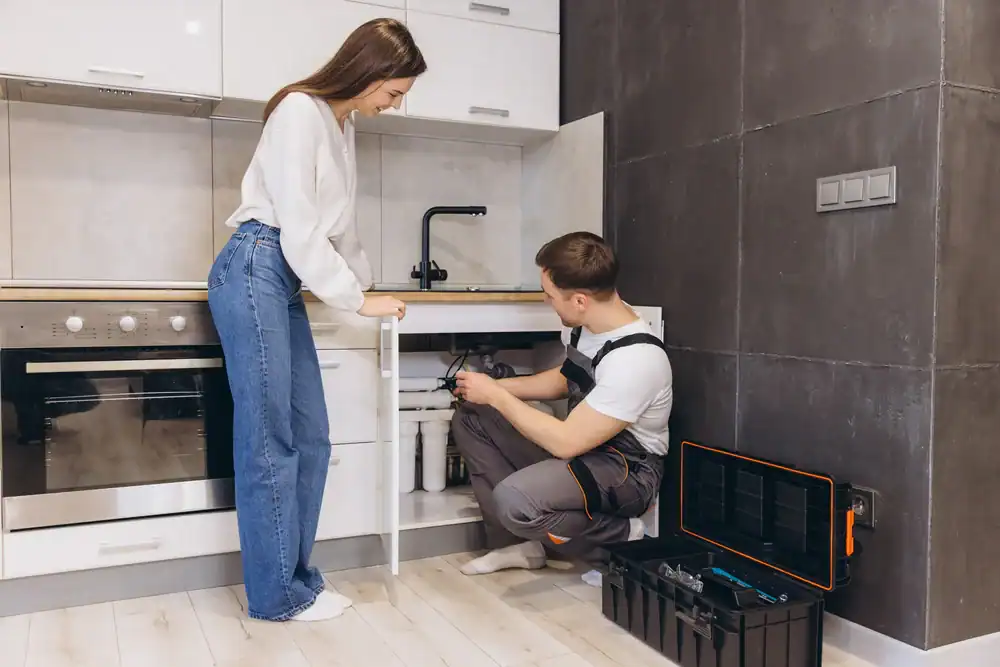
When you moved into your DeSoto home, you invested in something worth protecting. New appliances, quality finishes, a lifestyle you worked toward. What most residents don’t realize until a few months in is that the water coming out of their taps is quietly working against all of it.
The Villages of Lake-Sumter water system draws from the Floridan Aquifer — a groundwater source that runs through calcium-rich limestone bedrock. Multiple independent water quality sources have flagged this system for elevated hardness levels. That hardness accumulates inside your water heater, your dishwasher, your washing machine, and your refrigerator ice maker. It builds slowly and silently, reducing efficiency and shortening the life of appliances you just bought. A properly matched whole-house filtration and softening system stops that process at the source.
Beyond hardness, the Environmental Working Group’s tap water database for the specific treatment plants serving DeSoto — Villages of Lake-Sumter WTPs 1, 3, and 5 — has identified contaminants including total trihalomethanes, haloacetic acids, arsenic, and chromium detected above EWG health guidelines. The water technically meets federal legal minimums. But those legal limits haven’t been updated in nearly 20 years. If you’ve been buying bottled water because something about the tap just doesn’t sit right, that instinct is worth listening to.
We’ve been designing and installing water treatment systems across Central Florida for more than five decades. That’s not a marketing number — it means we’ve been working with Floridan Aquifer groundwater long before DeSoto was built, long before the South of 44 expansion, and long before the Villages of Lake-Sumter water treatment plants became a household name in Sumter County.
We hold an A-rating with the Better Business Bureau, a 5-star score, and zero consumer complaints on record. In an industry where the Florida Attorney General has had to step in and prosecute companies for deceptive sales practices, that record is meaningful. We’re also members of the National Water Quality Association, which holds us to professional and ethical standards beyond what Florida licensing alone requires.
Based out of Leesburg — just across the county line in Lake County — we’re genuinely local to DeSoto and the surrounding area. Same 352 area code. Real service calls, not a national dispatch center routing someone to your door who’s never heard of Fenney or the Everglades Recreation Center.
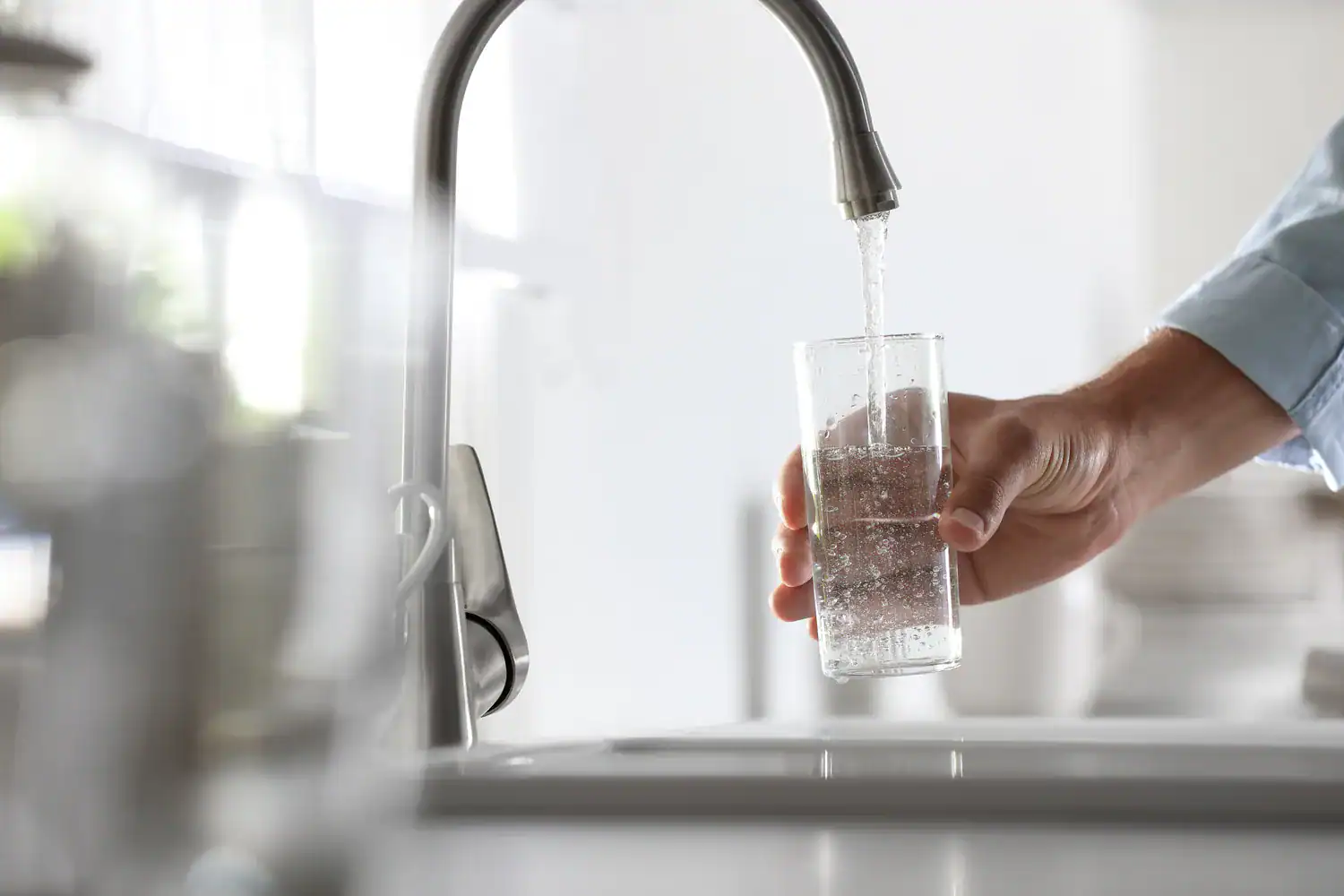
It starts with a free water analysis. Not the theatrical chemical-drop demonstration some companies use to make any water look alarming — a real, laboratory-grade assessment that tests for the specific contaminants documented in your water system: hardness, total dissolved solids, pH, chlorine, iron, sulfur, and others relevant to groundwater sourced from the Floridan Aquifer. You’ll know exactly what’s in your water before we recommend a single piece of equipment.
From there, the recommendation is built around what your analysis actually shows — not a one-size package pulled off a shelf. DeSoto homes are block and stick-built construction, mostly newer, with newer appliances that are especially vulnerable to scale damage from hard water. The system design accounts for your home’s size, your water usage patterns, and the specific contaminants present at your tap. If a whole-house filter and softener combination is the right call, that’s what we recommend. If reverse osmosis at the kitchen sink makes more sense for your drinking water, that gets explained too.
Installation is handled by our licensed, insured technicians using NSF-certified components and WQA-certified media. Once the system is in, the relationship doesn’t end. We service what we install — and we service other brands too. If you’re already sitting on a system from a company that won’t return your calls, that’s a situation we can step into and take over.
Ready to get started?
The most common starting point for DeSoto homeowners is a whole-house water filtration and softening system — the combination that addresses both the hardness documented in the Villages of Lake-Sumter water supply and the disinfection byproducts that affect taste and long-term health. Activated carbon filtration is particularly effective at reducing trihalomethanes and haloacetic acids, the chlorine-reaction compounds flagged in this water system. Sediment removal is often part of the same whole-house setup, catching particulates before they reach your fixtures and appliances.
For drinking water specifically, a reverse osmosis system installed at the kitchen sink gives you a second layer of filtration that goes further than whole-house treatment alone. RO systems are highly effective against a broad range of contaminants — including arsenic, nitrate, and chromium — all of which appear in the EWG data for the treatment plants serving DeSoto. Annual maintenance on an RO system typically runs $80 to $150 in filter replacements, which is a fraction of what most households spend on bottled water each year.
For homeowners with specific concerns about biological contamination — particularly relevant if you spend extended time away from your DeSoto home and return to water that’s been sitting in the plumbing — UV purification is an available add-on that neutralizes bacteria and viruses without chemicals. Salt-free treatment options are also available for residents who prefer to avoid sodium in their softening process. Every recommendation starts with your water analysis results, not a product catalog.
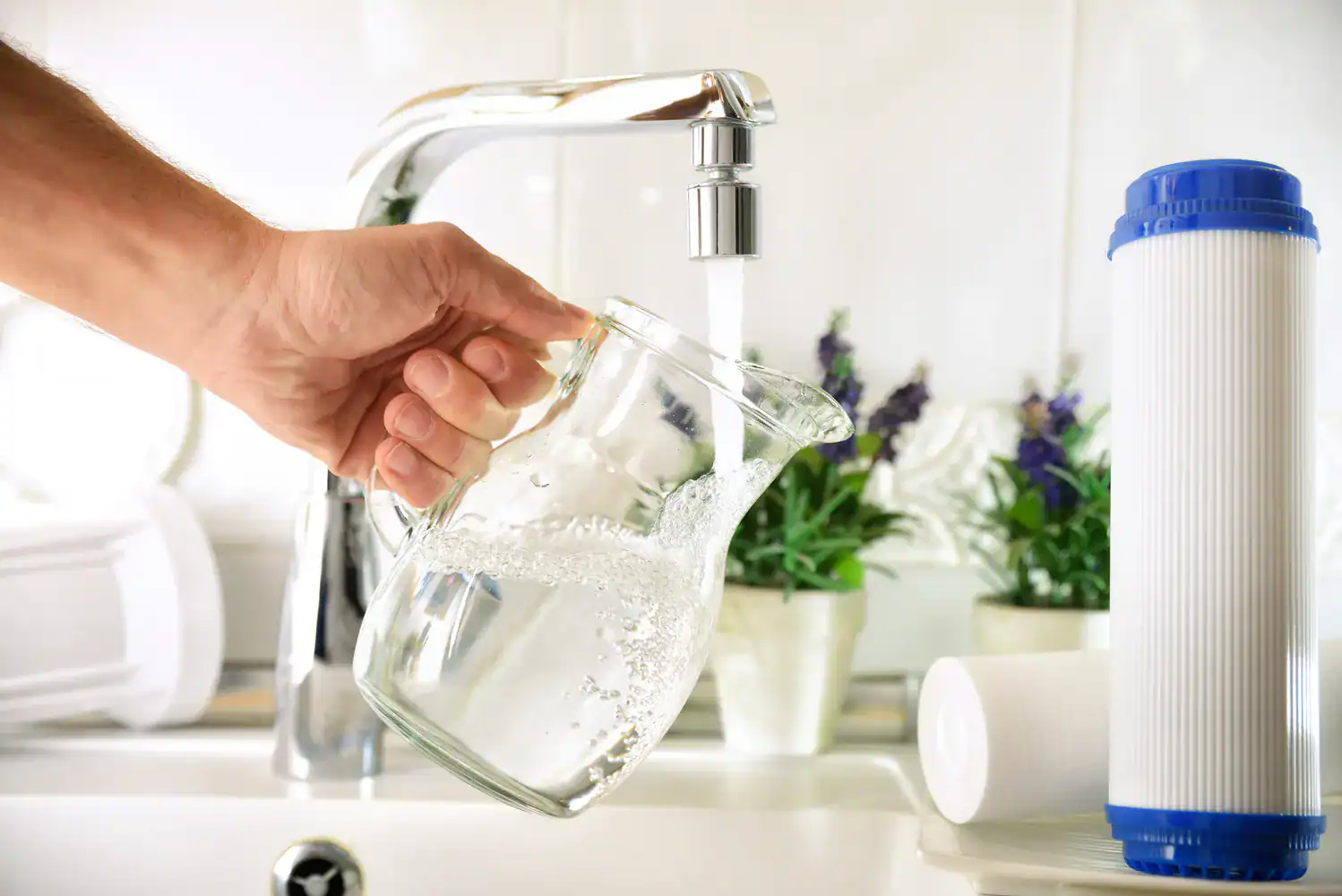
The short answer is that it meets federal legal standards — but that’s a lower bar than most people realize. The Environmental Working Group’s tap water database for the Villages of Lake-Sumter WTPs 1, 3, and 5, which serve DeSoto, has identified multiple contaminants detected above EWG health guidelines. These include total trihalomethanes, haloacetic acids, arsenic, chromium (hexavalent), and nitrate. The water passed federal compliance standards as of the most recent reporting period, but the EWG notes that federal legal limits for drinking water contaminants haven’t been updated in nearly 20 years.
What that means practically is that “legal” and “optimal for your health” are two different things. The gap between the EPA’s health guideline for haloacetic acids — set at a level reflecting a one-in-a-million lifetime cancer risk — and the legal limit of 60 parts per billion is significant. A free water analysis at your specific tap will tell you what’s actually present in your home’s water, not just what the utility’s system-wide annual report reflects.
Hard water is one of the most consistently documented issues with the Villages of Lake-Sumter water supply that serves DeSoto residents. Multiple independent water quality sources describe the system’s hardness levels as elevated — a direct result of drawing groundwater from the Floridan Aquifer, which flows through calcium and magnesium-rich limestone bedrock across Central Florida. You’ve probably already noticed it: white scale on your faucets and showerheads, spots on glassware coming out of the dishwasher, or a film on your shower doors that won’t fully wipe away.
What you may not have noticed yet is what’s happening inside your appliances. Scale buildup accumulates inside water heaters, dishwashers, washing machines, and refrigerator ice makers — reducing efficiency and shortening their lifespan. For DeSoto residents who moved into newly built homes around 2020 with brand-new appliances, this is a slow and expensive problem if it goes unaddressed. A whole-house water softening system stops the accumulation at the point of entry, before the water reaches any fixture or appliance in your home.
A water softener and a whole-house water filter solve different problems, and in most cases, DeSoto homeowners benefit from both working together. A water softener specifically targets hardness minerals — calcium and magnesium — using an ion exchange process that replaces those minerals with sodium ions. This is what eliminates scale buildup in your plumbing and appliances and the residue you see on fixtures and glassware. It does not filter out contaminants like chlorine byproducts, arsenic, or nitrate.
A whole-house water filter, typically using activated carbon or a multi-stage filtration media, addresses a broader range of contaminants — including the disinfection byproducts documented in the Villages of Lake-Sumter water system. It improves taste and odor and reduces exposure to compounds that a softener doesn’t touch. When the two systems are combined in a whole-house setup, you’re addressing both the mineral content and the chemical contaminant profile of your water simultaneously. The right combination for your home gets determined by your water analysis results, not by a general recommendation.
A professionally installed whole-house filter and softener combination in the DeSoto area typically runs between $1,800 and $3,200, depending on the system specifications, your home’s size, and what your water analysis reveals about the specific contaminants present. That range covers the equipment, installation by a licensed technician, and the initial setup. Ongoing maintenance costs — filter replacements, salt for the softener — are modest and predictable once the system is in.
If you’re also adding a reverse osmosis system at the kitchen sink for drinking water, that’s a separate cost, generally in the range of a few hundred dollars for the unit plus installation. Annual RO filter maintenance typically runs $80 to $150. For context, the average household spending on bottled water runs $300 to $600 per year — so the math on an RO system pays for itself relatively quickly. The free water analysis is the right starting point before any cost conversation, because the system you actually need should be determined by what’s in your specific water, not by a standard package.
Seasonal residents in DeSoto actually have an additional water quality concern that full-time residents don’t face as directly: stagnant water. When a home sits unoccupied for weeks or months, water sitting in the plumbing can develop biofilm and bacterial growth. Returning to a home that’s been closed up since spring and running the tap without any treatment in place is a situation worth thinking about, especially in Central Florida’s heat and humidity, which accelerate that kind of microbial activity.
A whole-house filtration system with a UV purification component addresses this directly. UV treatment neutralizes bacteria and viruses in the water without adding any chemicals, and it’s particularly well-suited for homes that experience periods of low or no water flow. Beyond the biological concern, the hard water and contaminant issues in the Villages of Lake-Sumter water system apply year-round regardless of occupancy — your appliances are still exposed to scale-forming water even when you’re not there to notice it. A system that protects your home while you’re away is worth the conversation.
Please provide your email address so that we can stay in touch and answer any questions you have! We will be reaching back out shortly.
"*" indicates required fields
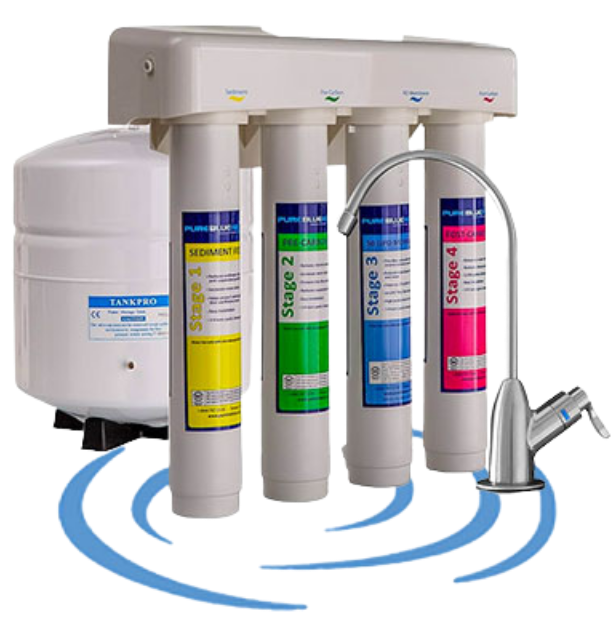
Get a free reverse osmosis drinking water system with the purchase of any whole-home water purification system.
*Cannot be combined with other offers. Mention this special when you call.