Reach Out Today
Please provide your email address so that we can stay in touch and answer any questions you have! We will be reaching back out shortly.


Hear from Our Customers
Your dishes stop spotting. Your skin doesn’t feel tight after showers. Your coffee tastes better because the chlorine is gone.
That’s what happens when you filter water at the point it enters your home, not just at one faucet. A whole-house water filtration system treats everything—drinking water, shower water, laundry water, all of it.
You’re not buying bottled water anymore. Your appliances last longer because sediment isn’t building up inside them. Your water heater runs more efficiently. These aren’t small things when you add them up over a year.
Most homes in Crescent Beach deal with chlorine taste from municipal treatment and mineral content that leaves residue on everything. Filtration handles both. You get water that doesn’t smell like a pool and doesn’t leave a film on your glassware.
We have an A-rating with the Better Business Bureau and a 5-star rating with zero complaints. That’s not marketing language—it’s verifiable.
We’re members of the National Water Quality Association, which means our technicians follow professional standards for testing and installation. We’ve been working in North and Central Florida long enough to know exactly what contaminants show up in Crescent Beach water and how to address them.
We don’t do plumbing or water heaters. We specialize in water treatment—filtration, purification, softening. When that’s all you do, you get better at it. You also don’t try to upsell services you’re not equipped to handle properly.
We start with free water testing at your home. Not a basic strip test—actual analysis that identifies chlorine levels, hardness, pH, and specific contaminants like iron or sulfur. You need to know what’s in your water before you can treat it correctly.
Once we know what we’re dealing with, we recommend a system. That might be reverse osmosis for drinking water, activated carbon filtration for chlorine and taste issues, or UV purification if bacteria is a concern. Sometimes it’s a combination, depending on what your test shows.
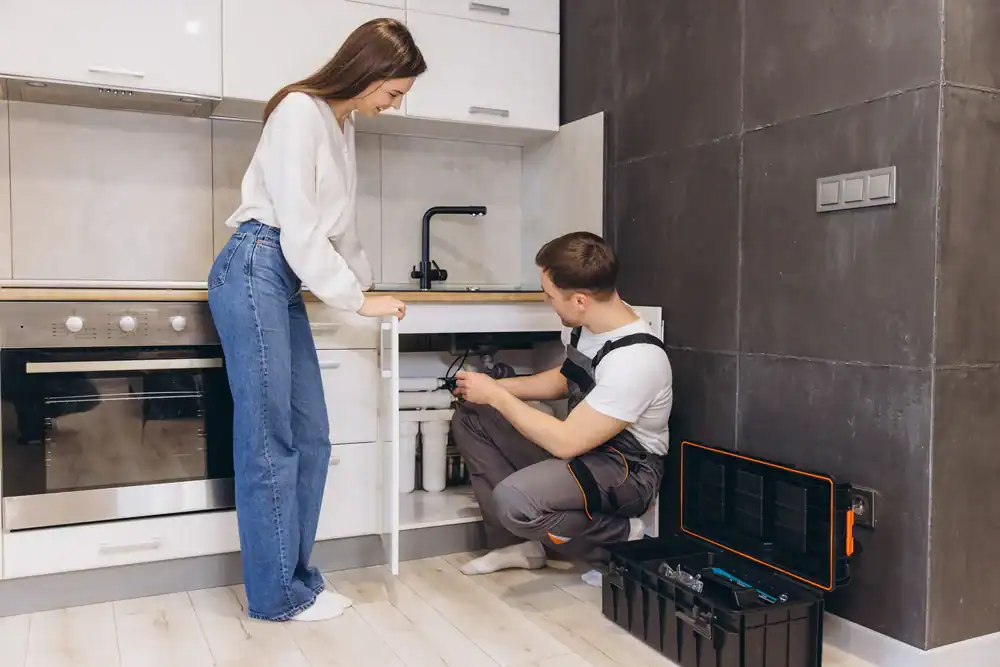
Installation happens at your main water line for whole-house systems, or under your sink for point-of-use drinking water systems. We’re not cutting corners or leaving you with a system you don’t understand how to maintain.
After installation, we walk you through basic maintenance—filter changes, system checks, what to watch for. Most systems need minimal upkeep, but you should know what that looks like before we leave.
Ready to get started?
Reverse osmosis systems remove up to 99% of dissolved solids, including lead, arsenic, and fluoride. These work best as under-sink installations for drinking and cooking water. You get a dedicated faucet that delivers purified water on demand.
Activated carbon filtration targets chlorine, volatile organic compounds, and anything affecting taste or odor. This is what makes your water stop smelling like a swimming pool. Carbon filters work throughout the whole house when installed at your main line.
UV water purification uses ultraviolet light to eliminate bacteria, viruses, and other microorganisms without adding chemicals. This matters in Crescent Beach because Florida deals with seasonal algae blooms that can introduce contaminants into water supplies. UV systems provide an extra layer of protection without changing your water’s taste or pH.
Whole-house systems combine these technologies based on what your water test reveals. You might need carbon filtration for chlorine plus UV for bacteria, or reverse osmosis at the kitchen sink with carbon filtration for the rest of the house. The configuration depends on your specific water quality, not a one-size-fits-all approach.
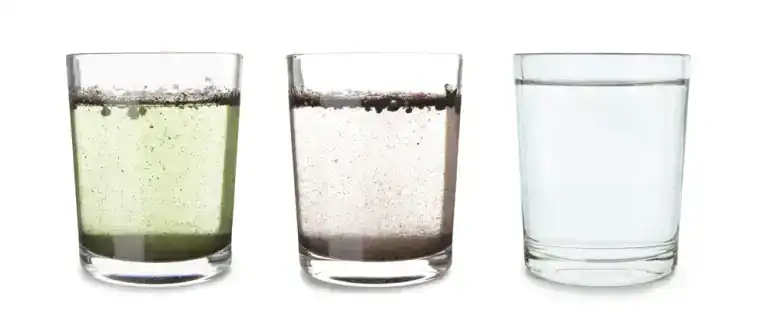
If your water tastes like chlorine, leaves spots on dishes, or makes your skin feel dry after showers, you’re dealing with treatable issues. Those are the obvious signs.
The less obvious signs include scale buildup on faucets, soap that doesn’t lather well, or appliances that need descaling more often than they should. These point to hard water and mineral content that filtration addresses.
The only way to know exactly what’s in your water is professional testing. Municipal water meets federal safety standards, but those standards still allow chlorine for disinfection and don’t address taste, odor, or hardness. Well water in Crescent Beach often contains higher mineral content and needs testing for bacteria. We provide free water analysis that identifies specific contaminants and their concentrations, so you’re making decisions based on data, not guesswork.
Under-sink systems treat water at one point of use—usually your kitchen faucet. You get purified drinking and cooking water, but your shower, laundry, and other faucets still receive untreated water.
Whole-house filtration treats water as it enters your home, before it reaches any faucet or appliance. Everything gets filtered. This matters if chlorine is irritating your skin in the shower or if hard water is damaging your water heater and dishwasher.
The choice depends on what problems you’re solving. If you only care about drinking water quality, an under-sink reverse osmosis system makes sense. If you’re dealing with chlorine odor throughout the house, hard water stains, or want comprehensive treatment, whole-house filtration is the better investment. Many homeowners in Crescent Beach do both—whole-house carbon filtration for chlorine and sediment, plus under-sink reverse osmosis for maximum drinking water purity.
Carbon filters typically need replacement every 6-12 months depending on your water usage and quality. These are straightforward filter changes that take about 15 minutes once you know what you’re doing.
Reverse osmosis systems need membrane replacement every 2-3 years and pre-filter changes every 6-12 months. The system will show decreased water pressure or slower flow when filters need changing.
UV systems require annual bulb replacement because UV intensity decreases over time even though the bulb still lights up. The bulb might look fine but lose effectiveness at killing bacteria. We can set up annual service visits to handle this, or we’ll show you how to do it yourself if you prefer. Most maintenance is simple enough that you won’t need a technician every time, but we’re available when you do.
Yes, but the right system depends on your sulfur concentration. Activated carbon filtration handles low levels of hydrogen sulfide, which is what causes that rotten egg smell.
Higher concentrations need oxidation followed by filtration, or a specialized sulfur filter. This is common in Crescent Beach well water where sulfur bacteria thrive in Florida’s aquifer conditions.
We test your sulfur levels during the initial water analysis. If it’s under 1 ppm, carbon filtration usually works. Above that, you need a system designed specifically for sulfur removal. The good news is that once it’s treated, the smell is completely gone—not masked, actually removed. You’ll notice the difference immediately in your drinking water, and your hot water won’t smell like sulfur anymore either.
Reverse osmosis systems do produce wastewater—typically 3-4 gallons of drain water for every gallon of purified water. That’s because RO works by forcing water through a membrane and flushing rejected contaminants down the drain.
Newer RO systems are more efficient than older models, and the wastewater can be captured for outdoor use if you want to minimize waste. Some homeowners in Crescent Beach route it to landscaping or use it for non-potable purposes.
Whole-house carbon and UV systems don’t waste water. They filter as water flows through without producing discharge. If water waste concerns you, we can design a system that uses RO only at your kitchen sink for drinking water while treating the rest of your house with zero-waste filtration methods. You get the purification benefits where you need them most without the environmental impact throughout your entire home.
Please provide your email address so that we can stay in touch and answer any questions you have! We will be reaching back out shortly.
"*" indicates required fields