Reach Out Today
Please provide your email address so that we can stay in touch and answer any questions you have! We will be reaching back out shortly.


Hear from Our Customers

Your shower stops leaving that chlorine smell on your skin. Your coffee tastes better. Your kids drink from the tap without you wondering what’s in it.
Orlando’s water gets a C+ grade and contains 9 different contaminants every time you turn on the faucet—4 of them exceed independent health guidelines. That’s not a scare tactic. That’s the reality of municipal water in Central Florida.
A properly designed water filtration system removes 99% of those contaminants at the point they enter your home. That means every faucet, every shower, every appliance gets treated water. Not just the kitchen sink. Not just a pitcher in your fridge. Everything.
You also stop losing $1,580 to $2,230 every year to hard water damage—the hidden cost of scale buildup in your water heater, extra detergent, higher energy bills, and appliance repairs that shouldn’t be happening yet. That adds up faster than most homeowners realize.
We hold an A+ Better Business Bureau rating with a 5-star review average and zero complaints. That’s not common in this industry, especially in Central Florida where fly-by-night companies sell systems and disappear when you need service.
We’re members of the Water Quality Association, which means our systems meet third-party certification standards for contaminant removal and manufacturing quality. WQA certification isn’t just a badge—it’s proof that what we install actually works the way we say it does.
We’ve been serving College Park and the greater Orlando area with custom water treatment solutions designed around your specific water quality issues. Not one-size-fits-all packages. Not high-pressure sales tactics. Just honest assessments, professional installation, and systems that do what you need them to do.
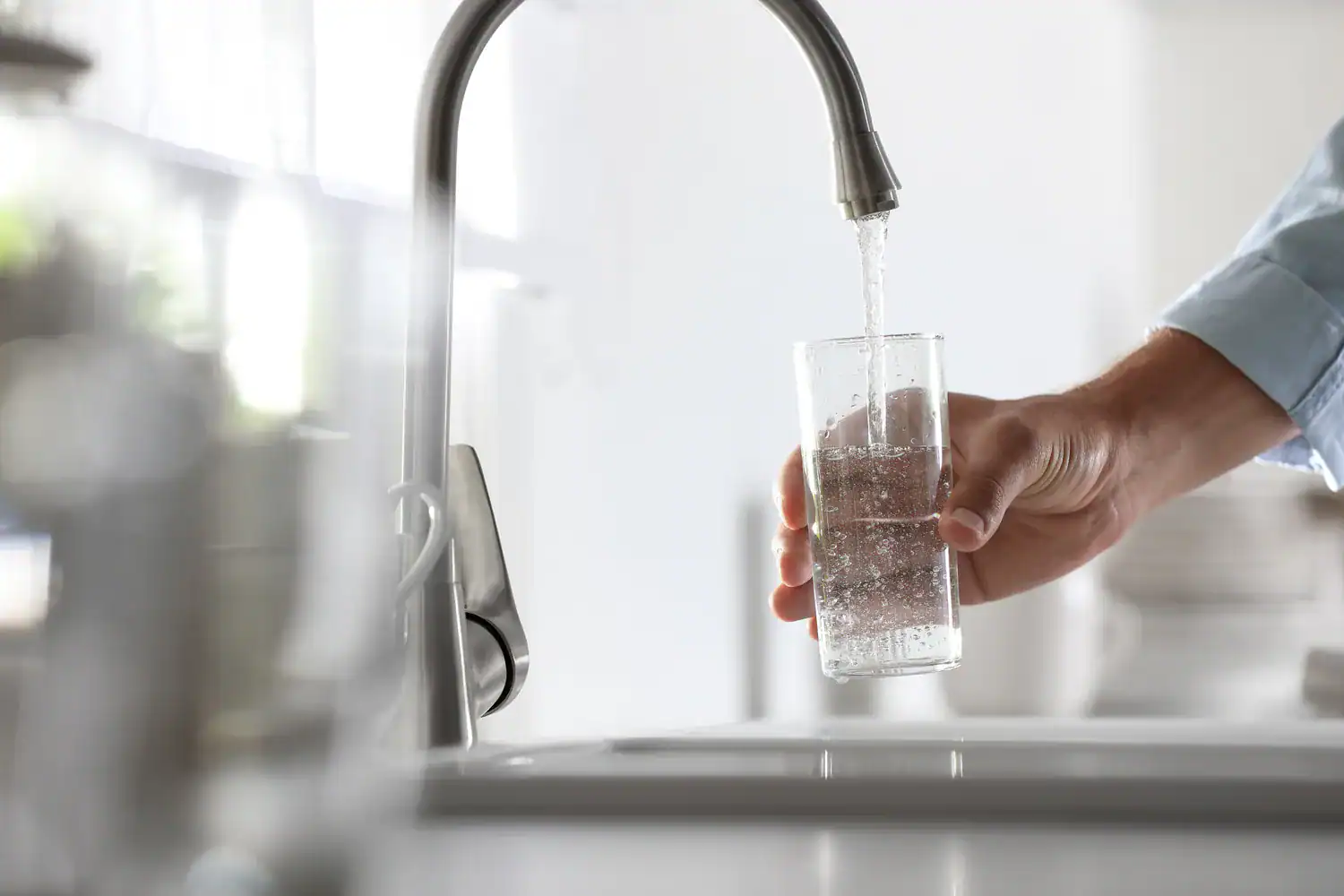
First, we test your water. Not a guess based on your zip code—an actual analysis of what’s coming through your pipes. That tells us what contaminants we’re dealing with and what type of filtration system makes sense for your home.
Then we design a system around those results and your household’s water usage. Some homes need whole-house filtration with a water softener and reverse osmosis system for drinking water. Others need point-of-entry treatment with UV purification. It depends on what’s in your water and what you’re trying to solve.
Installation happens in one day for most systems. We connect the filtration system at your main water line for whole-house treatment, or under your sink for point-of-use reverse osmosis. Everything gets tested before we leave to make sure it’s removing contaminants and producing the water quality you’re paying for.
After that, we handle maintenance and filter changes on a schedule that keeps your system running at full capacity. Most homeowners don’t think about it again until we show up for the next service appointment.

Ready to get started?
Your water filtration system is custom-designed based on your water test results, not a generic package pulled off a truck. That means the filtration media, system size, and configuration match what’s actually in College Park’s water supply.
Whole-house systems treat water at the point of entry, so every fixture in your home gets filtered water. That includes your washing machine, dishwasher, showers, and outdoor hose connections. Activated carbon filtration removes chlorine, volatile organic compounds, and chemicals that affect taste and odor. Water softeners eliminate the hard water minerals causing scale buildup and costing you thousands in damage every year.
For drinking water, reverse osmosis systems remove 99% of contaminants including lead, arsenic, fluoride, nitrates, and PFAS—the “forever chemicals” that standard filters can’t touch. These systems install under your sink and produce bottled-quality water on demand without the plastic waste or recurring costs.
UV water purification adds another layer of protection by destroying bacteria, viruses, and microorganisms that can survive chemical treatment. This matters in College Park where aging infrastructure and water main breaks occasionally compromise municipal water safety.
You also get our $500 military and first responder discount, because we support the people who serve this community. And a portion of every installation goes to the Tunnels to Towers Foundation, which supports veterans and first responders nationwide.
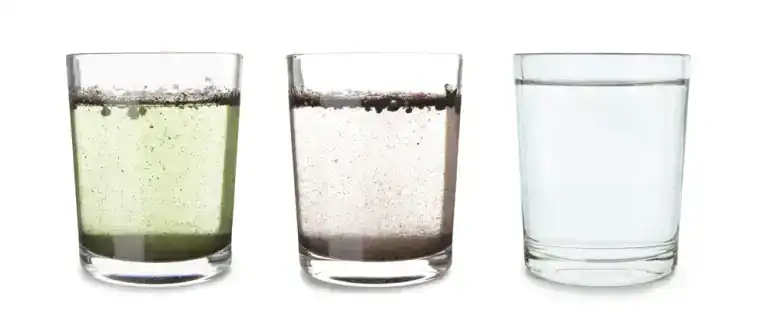
A complete whole-house water filtration system typically runs between $3,000 and $8,000 depending on your home’s size, water quality issues, and the type of filtration technology required. That’s not a small investment, but it pays for itself in 2 to 4 years when you factor in the $1,580 to $2,230 you’re currently losing every year to hard water damage alone.
The cost breaks down into a few components. Water softeners handle hard water minerals and usually run $1,500 to $3,000 installed. Whole-house carbon filtration for chlorine and chemical removal adds another $1,000 to $2,500. Reverse osmosis systems for drinking water range from $800 to $2,500 depending on capacity and features. UV purification systems add $600 to $1,200 if your water needs disinfection.
Most College Park homeowners need a combination approach—softening plus filtration plus reverse osmosis—because Orlando’s water has multiple issues that one system can’t solve. We design the system around your specific water test results so you’re not paying for treatment you don’t need, and you’re not leaving contaminants behind because the system wasn’t comprehensive enough.
Reverse osmosis systems remove 99% of dissolved solids, heavy metals, and chemical contaminants that standard filters miss. That includes lead, arsenic, fluoride, nitrates, chromium-6, radium, PFAS, pharmaceuticals, and the disinfection byproducts created when chlorine reacts with organic matter in Orlando’s water supply.
The RO process works by forcing water through a semi-permeable membrane with pores small enough to block contaminant molecules while allowing water molecules to pass through. It’s the same technology bottled water companies use, which is why RO-filtered water tastes identical to premium bottled water—because it’s the same purification method.
Standard activated carbon filters and refrigerator filters don’t remove these contaminants. Carbon is excellent for chlorine, taste, and odor, but it can’t capture dissolved metals or salts. That’s why most comprehensive systems use carbon filtration as a pre-treatment stage before reverse osmosis. The carbon removes chlorine and organics that would damage the RO membrane, then the membrane removes everything else.
For College Park homeowners, this matters because Orlando’s water contains 4 contaminants that exceed health advocacy guidelines set by independent organizations. Meeting EPA legal minimums doesn’t mean the water is as clean as it could be—it just means it’s not illegal.
Most whole-house water filtration systems need filter changes every 6 to 12 months depending on your water quality and household usage. Reverse osmosis systems typically need membrane replacement every 2 to 3 years, with pre-filters and post-filters changed annually. Water softeners need salt refills every 4 to 8 weeks, but the resin bed lasts 10 to 15 years before replacement.
Skipping maintenance doesn’t just reduce performance—it can make your water worse than untreated tap water. Saturated carbon filters stop removing contaminants and start releasing what they’ve captured back into your water. Clogged RO membranes reduce flow and allow contaminants to pass through. Depleted softener resin stops removing hardness minerals, and you’re back to scale buildup and appliance damage.
We handle maintenance on a scheduled basis so you don’t have to track it yourself. Most homeowners don’t want to crawl under their sink or mess with filter housings, and they definitely don’t want to guess whether their system is still working properly. We test your water during service visits to confirm the system is still removing contaminants at the levels it should be.
The maintenance cost is minimal compared to the system’s value—usually $150 to $300 per year for filter replacements. That’s less than most College Park families spend on bottled water in two months, and it keeps your system protecting your home for 15 to 20 years.
Yes, a whole-house activated carbon filtration system removes chlorine before it reaches your shower, eliminating that chemical smell and the dry skin and hair issues that come with it. Point-of-use filters like shower head attachments don’t have enough contact time or carbon volume to remove chlorine effectively at the flow rates your shower uses.
Orlando’s water contains chlorine levels that meet safety standards for disinfection, but those same levels cause noticeable taste and odor issues—and they’re not great for your skin and hair. When you shower in chlorinated water, you’re not just rinsing off with it. You’re absorbing it through your skin and inhaling vaporized chlorine and disinfection byproducts that become airborne in the steam.
Activated carbon filtration installed at your main water line treats all the water entering your home, so every shower, bath, and faucet delivers chlorine-free water. The carbon media chemically bonds with chlorine molecules and removes them from the water before they reach your fixtures. Most systems use catalytic carbon, which works faster and lasts longer than standard granular carbon.
The difference is immediate. Your shower stops smelling like a pool. Your skin doesn’t feel tight and dry after bathing. Your hair is softer and holds color better if you dye it. And you’re not breathing vaporized chemicals every time you take a hot shower, which matters more than most people realize.
Most likely yes, because water softeners and filtration systems solve different problems. Filtration removes contaminants like chlorine, chemicals, and heavy metals. Water softeners remove hardness minerals—calcium and magnesium—that cause scale buildup, appliance damage, and the $1,580 to $2,230 in annual costs that College Park homeowners lose to hard water.
Orlando’s water is moderately hard to very hard depending on your specific location and water source. Hard water doesn’t pose health risks, but it destroys water heaters, clogs pipes, leaves spots on dishes, makes soap less effective, and creates that white crusty buildup on faucets and showerheads. Filtration systems don’t remove these minerals because they’re not contaminants—they’re dissolved solids that require ion exchange to eliminate.
A water softener uses resin beads to swap hardness minerals for sodium ions, producing soft water that doesn’t leave scale deposits. This protects your appliances, cuts your detergent and soap usage by 50% or more, and eliminates the maintenance headaches hard water creates. When combined with whole-house filtration, you get water that’s both clean and soft—no contaminants, no hardness, no problems.
The most effective approach for College Park homes is a softener first, then carbon filtration, then reverse osmosis for drinking water. The softener protects the filtration media from hardness fouling, the carbon removes chlorine and chemicals, and the RO system produces purified drinking water. Each stage handles what it does best, and you get comprehensive treatment that addresses everything wrong with Orlando’s water supply.
Please provide your email address so that we can stay in touch and answer any questions you have! We will be reaching back out shortly.
"*" indicates required fields