Reach Out Today
Please provide your email address so that we can stay in touch and answer any questions you have! We will be reaching back out shortly.

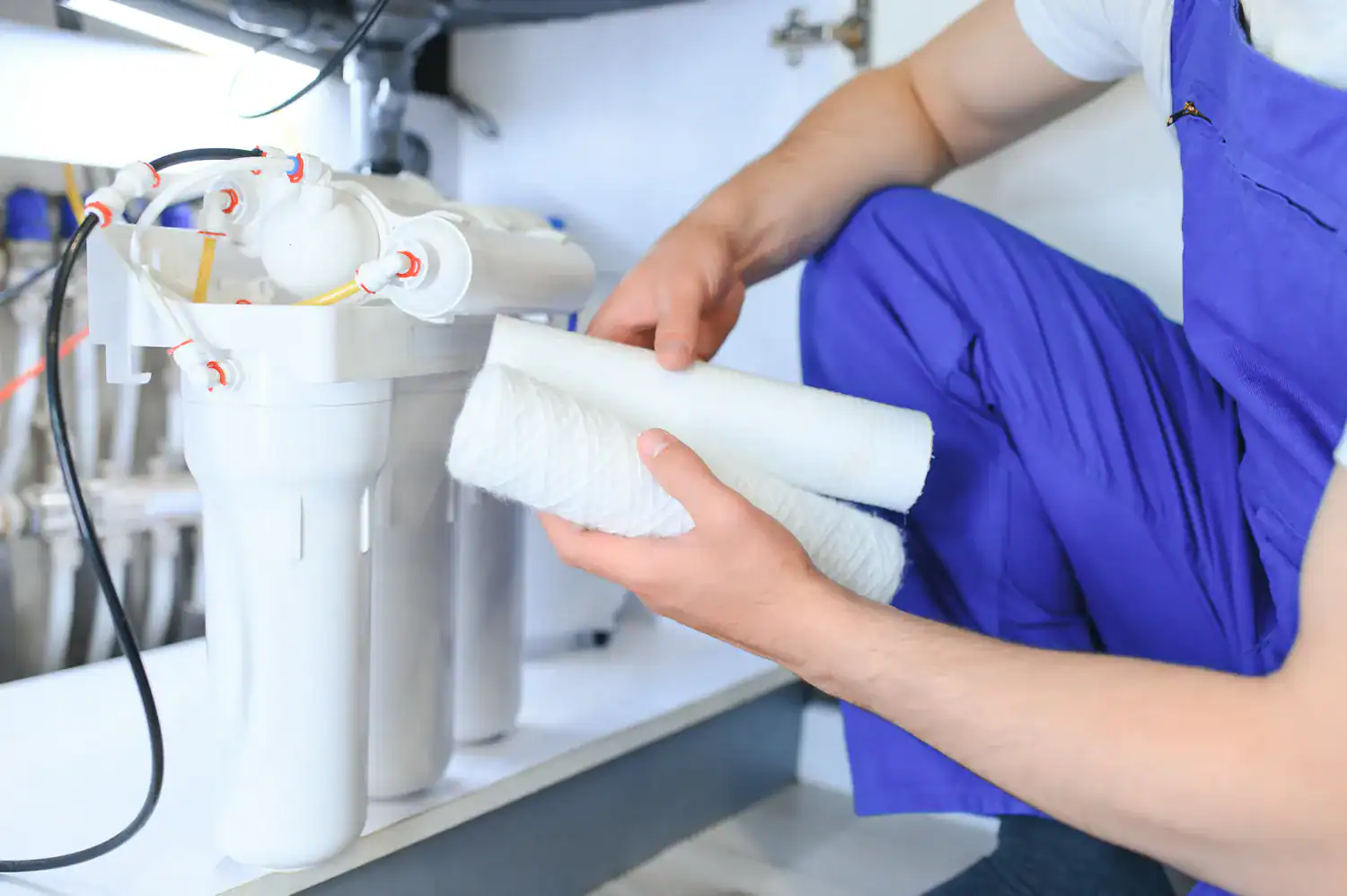
Hear from Our Customers
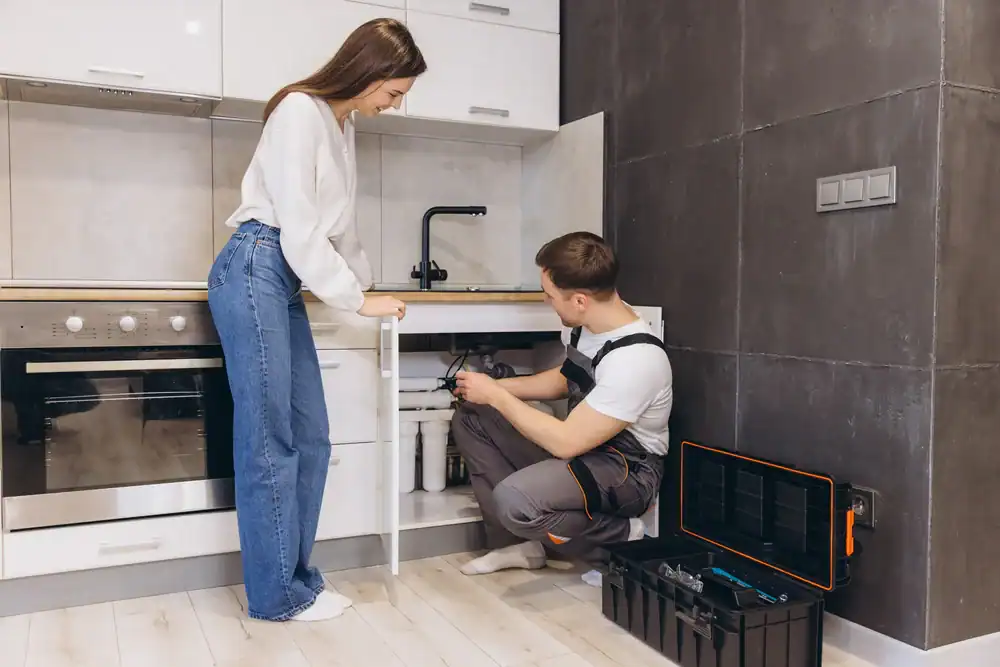
When your water is clean — genuinely clean, not just “meets the minimum” clean — you notice it fast. The rotten egg smell that follows you from the shower is gone. The orange staining on your driveway and fixtures stops spreading. Your appliances run longer because they’re not fighting mineral buildup every cycle.
For homeowners in Port Charlotte and Punta Gorda, that last part matters more than most people realize. Charlotte County water is drawn from the Floridan Aquifer, which carries high concentrations of calcium and magnesium. That hardness quietly wears down water heaters, dishwashers, and washing machines over time — and in a county where many homes sit on canal-front lots with significant investment behind them, that’s real money walking out the door.
There’s also the health side of this. Charlotte County Utilities’ own 2024 Water Quality Report recommends that residents use a certified filter to reduce lead. The Environmental Working Group’s database flags the same utility for trihalomethane levels that exceed their health guidelines. These aren’t obscure concerns — they’re documented, and a whole-house filtration system addresses them at the source before that water ever reaches your glass, your kids, or your ice maker.
We’ve been treating Florida water for more than 50 years, and we know Charlotte County’s water challenges better than anyone in the region. Five decades means we understand what comes out of the Floridan Aquifer, what happens to well water after a storm like Ian floods the Peace River, and what it actually takes to fix a sulfur problem in a rural Charlotte County home — not just mask it temporarily.
We hold an A-rating with the Better Business Bureau, a 5-star customer rating, and zero filed complaints. We’re a member of the National Water Quality Association, which requires passing a comprehensive exam and committing to a formal code of ethics — not every water treatment company operating in Charlotte County can say that. Our systems use NSF-certified components, and every recommendation starts with a real laboratory-grade water analysis, not a theatrical chemical-drop demonstration.
We also service what we sell. And if your current system was installed by someone else who stopped returning calls, we’ll service that too.
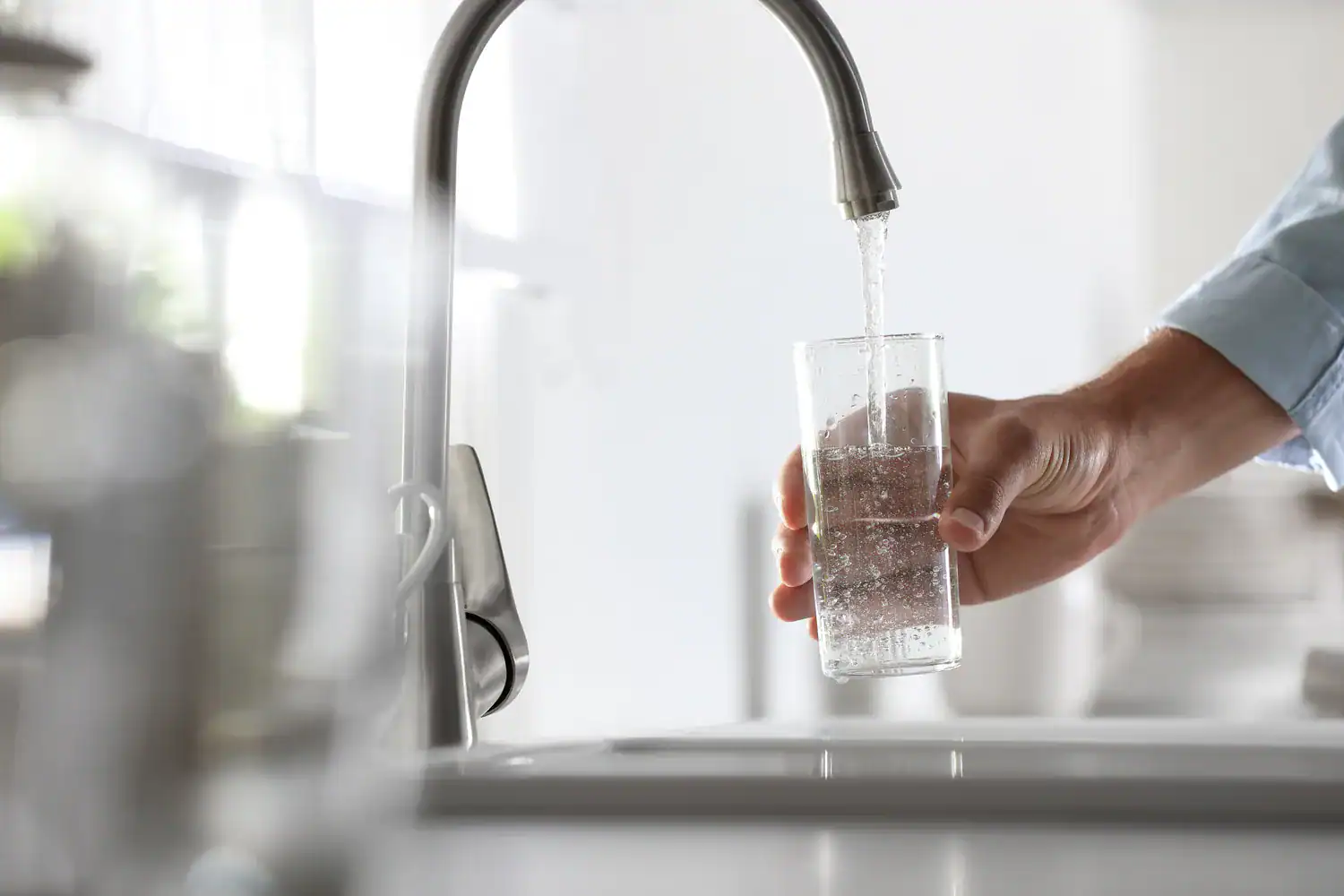
It starts with a free in-home water analysis. Not the kind where someone drops a chemical in a glass and watches it turn colors to scare you into buying something — an actual diagnostic that identifies what’s in your water. In Charlotte County, that typically means testing for hardness, iron, hydrogen sulfide, trihalomethanes, pH, total dissolved solids, and bacterial indicators, especially for homes on private wells in areas like Rotonda West or El Jobean where the water source sits closer to the county’s limestone geology.
Once the analysis is done, you get a clear recommendation based on what your water actually contains. If your municipal water from Charlotte County Utilities is the issue, the solution looks different than if you’re on a private well dealing with sulfur and iron. The system is designed around your specific results — not a one-size-fits-all package pulled off a shelf.
Installation is handled by our own team. Charlotte County’s building codes require permits for any work that connects to your home’s plumbing, and we handle that process properly from the start. After installation, the system is tested again to confirm performance. And because we service every system we install — and most other brands too — you’re not left on your own six months later when a filter needs replacing or a valve needs adjustment.
Ready to get started?
Charlotte County doesn’t have a generic water problem, and the solution shouldn’t be generic either. For homes on Charlotte County Utilities municipal water, the primary concerns are trihalomethanes, chlorine byproducts, lead from aging plumbing, and hardness from the Floridan Aquifer. A whole-house purification system with activated carbon filtration and a water softener or salt-free conditioning system addresses all of those at the point of entry — before the water reaches any fixture or appliance in the house.
For homes on private wells — common in rural parts of the county, including areas near the Myakka River corridor and outside the Charlotte County Utilities service footprint — the chemistry is different. Hydrogen sulfide, iron, sediment, and bacterial contamination are the typical culprits. Well water filtration systems here are often multi-stage: sediment removal first, then iron and sulfur treatment, then a drinking water filter or reverse osmosis system at the point of use for the cleanest possible water at the tap. UV purification is also available and particularly relevant for well owners in areas that experienced flooding during Hurricane Ian or Helene.
Reverse osmosis systems remove 95 to 99 percent of dissolved solids, including trihalomethanes, lead, nitrates, and PFAS compounds. If you want the cleanest drinking water possible — not just water that clears a regulatory minimum — that’s the standard to aim for. We install and maintain all of these system types, and every installation is preceded by that water analysis so the system is matched to what’s actually in your water, not what’s typically in Charlotte County water.
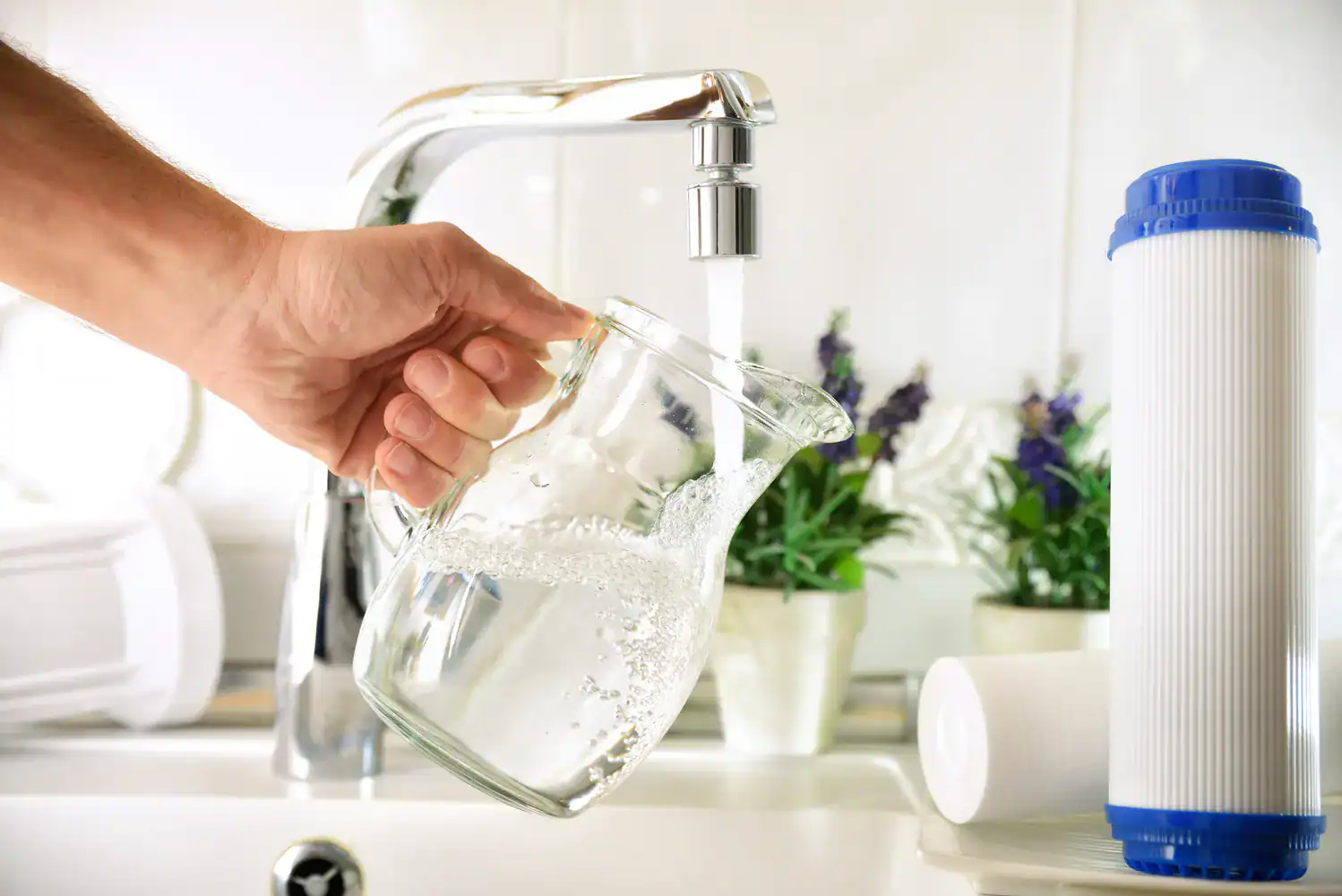
Charlotte County Utilities meets federal Safe Drinking Water Act standards, so technically it passes regulatory requirements. But “meets the minimum” and “clean” aren’t the same thing. The Environmental Working Group’s Tap Water Database shows Charlotte County Utilities water containing trihalomethanes at levels that exceed EWG’s health guideline of 0.15 parts per billion. Trihalomethanes are cancer-causing compounds that form when chlorine reacts with organic matter during the treatment process — and they’re present in the water coming out of your tap right now.
What’s more, Charlotte County Utilities’ own 2024 Water Quality Report explicitly recommends that residents use a filter certified by an ANSI-accredited certifier to reduce lead. When the utility itself is pointing customers toward home filtration, that’s worth taking seriously. An activated carbon whole-house filter or an under-sink reverse osmosis system are both effective options depending on your specific concerns — and a water analysis will tell you exactly what you’re dealing with before you spend a dollar on anything.
That smell is hydrogen sulfide gas, and it’s extremely common in Charlotte County well water. The county sits on Florida’s limestone geology, which contains natural sulfur deposits. As groundwater moves through that limestone, it picks up hydrogen sulfide — and even small concentrations produce that distinctive rotten egg odor that’s hard to ignore.
The problem goes beyond the smell. Hydrogen sulfide is corrosive to copper plumbing, which is common in older Port Charlotte and Punta Gorda homes. It can also destroy the resin bed in a standard water softener if the sulfur isn’t addressed first. Iron is usually part of the picture too — that’s the rusty orange staining you see on driveways, sidewalks, and laundry. A properly designed well water treatment system handles both issues in sequence: sulfur and iron treatment before the softener, not after. Getting that order wrong is one of the most common mistakes in the industry, and it’s expensive to undo.
Significantly. When Hurricane Ian made landfall in Charlotte County as a Category 4 storm in September 2022, it produced record flooding on the Peace River, Myakka River, and Horse Creek — over 20 inches of rainfall in some areas. That level of flooding pushes surface water, debris, and contaminants into the ground, and private wells are particularly vulnerable because they draw from groundwater that can be directly affected by surface infiltration.
Eight days after Ian struck, flooding and debris were documented to have impacted water quality at Port Charlotte freshwater control structures. Englewood was without running water for over a week. For well owners in rural parts of Charlotte County, that kind of event can introduce bacteria, sediment, and chemical contaminants into a water supply that tested clean before the storm. If your well hasn’t been tested since Ian — or since Helene or Milton in 2024 — that’s worth addressing. UV purification added to a well system provides an additional layer of protection against bacterial contamination, which is exactly the kind of risk that increases after a major flooding event.
A water softener specifically targets hardness — the calcium and magnesium minerals that cause scale buildup on fixtures, appliances, and plumbing. In Charlotte County, where water is drawn from the Floridan Aquifer and hardness is a documented issue throughout the county, a softener is often a core part of the solution. It exchanges calcium and magnesium ions for sodium ions, which prevents scale from forming and extends the life of your appliances.
A whole-house water filtration system is broader. Depending on how it’s configured, it can address hardness, sediment, chlorine and chlorine byproducts like trihalomethanes, iron, sulfur, and other contaminants — all at the point where water enters your home. Many Charlotte County homeowners need both functions, which is why a combined whole-house purification system is often the most practical approach. The right answer depends on what’s actually in your water, which is why the process starts with a water analysis rather than a product recommendation. There’s no point in buying a softener if your primary problem is trihalomethanes, and no point in buying a carbon filter if your main issue is iron staining from a private well.
Yes — $500 off for military personnel and first responders. Charlotte County has a significant veteran population, and Punta Gorda Airport has a long history connected to military and general aviation. A lot of the people who retired to Port Charlotte, Punta Gorda, and Rotonda West served this country, and this discount is a straightforward acknowledgment of that. It’s not a token percentage off — it’s $500, which meaningfully reduces the cost of a whole-house system.
If you’re active duty, a veteran, or a first responder — law enforcement, fire, EMS — you qualify. Just mention it when you call or schedule your water analysis. No identified competitor currently serving the Charlotte County market offers a comparable discount at that dollar amount, so if you’ve been putting off getting a system because of cost, this is worth factoring into your decision. The discount applies to the system installation, and it stacks with the value of starting with a free water analysis so you know exactly what you’re buying before you commit to anything.
Please provide your email address so that we can stay in touch and answer any questions you have! We will be reaching back out shortly.
"*" indicates required fields
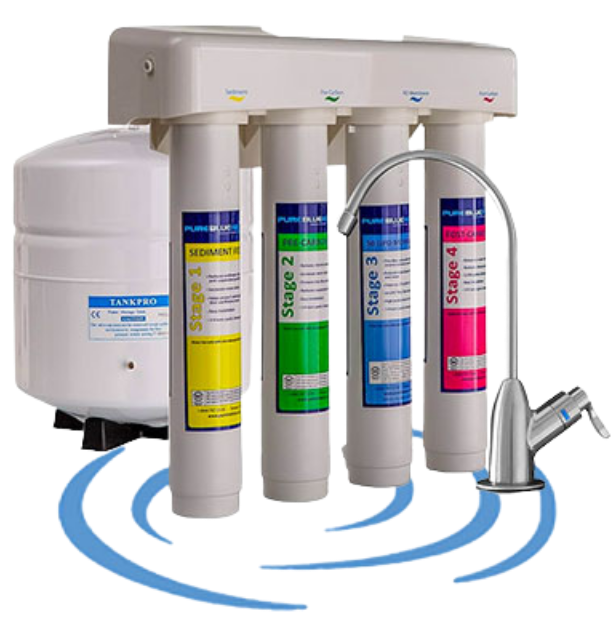
Get a free reverse osmosis drinking water system with the purchase of any whole-home water purification system.
*Cannot be combined with other offers. Mention this special when you call.