Reach Out Today
Please provide your email address so that we can stay in touch and answer any questions you have! We will be reaching back out shortly.


Hear from Our Customers

You stop buying bottled water because your tap finally tastes clean. Your morning shower doesn’t smell like rotten eggs anymore. The orange stains around your drains and on your clothes disappear within weeks.
Your appliances last longer because they’re not fighting mineral buildup every day. Water heaters can run for years without that thick layer of scale choking them out. Washing machines stop breaking down from the constant battle with iron and hardness.
The embarrassment ends. When guests come over, you’re not making excuses about the smell or the stains. You just turn on the faucet and the water does what it’s supposed to do—nothing dramatic, just clean and clear.
We serve homeowners throughout Lake County dealing with well water issues that are specific to Central Florida. We’re members of the National Water Quality Association and carry an A rating with the Better Business Bureau with zero complaints.
We don’t do plumbing. We don’t install water heaters. We focus entirely on water treatment because Florida’s groundwater requires that level of attention. The limestone aquifer that supplies Cedar Creek creates unique challenges with iron, sulfur, and bacteria that generic systems can’t handle.
When you call, you’re working with technicians who’ve seen every variation of Florida well water problems. We test first, recommend what actually fits your situation, install it correctly, and stay available when you need service later.
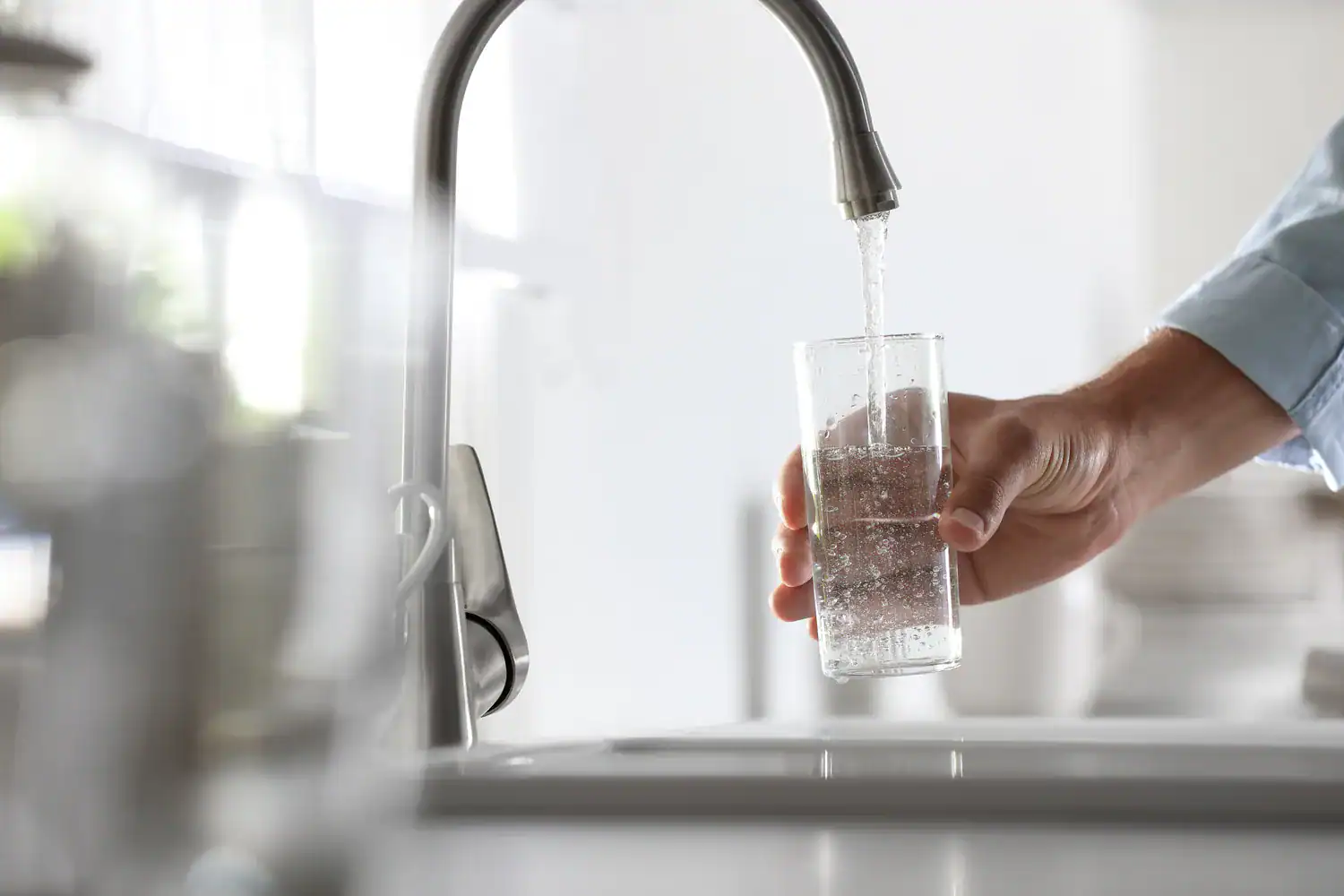
We start with laboratory-grade water testing at your home. You need to know exactly what’s in your water—iron levels, hardness, pH, bacteria, sulfur—before anyone can recommend the right treatment. Guessing costs you money and doesn’t fix the problem.
Once we know what we’re dealing with, we design a system that addresses your specific contaminants. Most Cedar Creek homes need multi-stage treatment: something for iron removal, something for hardness, often UV purification for bacteria, and activated carbon filtration for taste and odor. If you want drinking water quality testing and an under-sink filter installation for the kitchen, we handle that too.
Installation happens at the point where water enters your home, so every faucet and appliance gets treated water. Our certified technicians install the system, test it before leaving, and walk you through basic maintenance. The whole process typically takes a day, and you’ll notice the difference immediately.

Ready to get started?
Your whole-house system treats everything before it reaches your sinks, showers, and appliances. That usually means an iron filter if you’ve got staining, a water softener for hardness, and UV purification if bacteria showed up in testing. Each stage handles a specific problem.
For drinking water, reverse osmosis systems installed under your kitchen sink take treatment further. RO removes contaminants that whole-house systems aren’t designed to catch—things like dissolved solids, certain chemicals, and anything else you don’t want in your drinking water.
Cedar Creek sits in an area where over 4,400 Florida wells tested since 2005 showed chemical concentrations above federal drinking water standards. That’s not scare tactics, that’s state data. Your well might be fine, or it might not. Testing tells you for certain, and then you can make an informed decision about what level of filtration makes sense for your home.
Every system we install comes with ongoing service support. Water treatment isn’t a one-time fix—filters need changing, settings need adjusting as your water changes seasonally, and equipment occasionally needs attention. We’re still here when you need us.
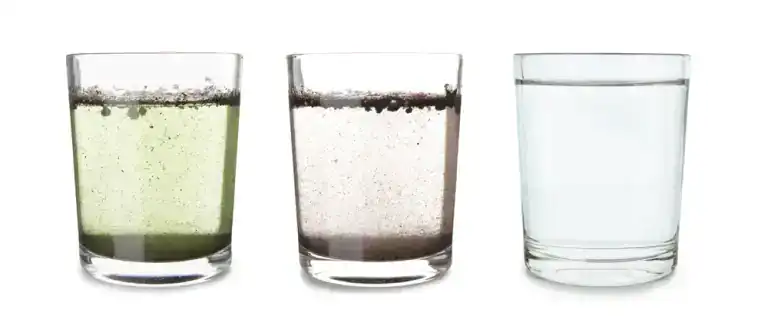
If your water smells like sulfur, leaves orange or brown stains, makes your skin feel dry, or just tastes off, you’ve got contamination that filtration can fix. But the only way to know exactly what you’re dealing with is professional testing.
We see three main culprits in Cedar Creek well water: iron, sulfur, and bacteria. Iron shows up as staining and metallic taste. Sulfur creates that rotten egg smell. Bacteria can cause slime, odor, and actual health risks depending on the type.
Some problems are obvious—you can smell sulfur the second you turn on the tap. Others are invisible until your water heater fails early or your washing machine breaks down from mineral buildup. Testing catches both the obvious issues and the ones quietly damaging your appliances. We offer free water testing to Cedar Creek homeowners so you can see exactly what’s in your water before making any decisions.
Whole-house systems treat all the water entering your home. They’re designed to remove iron, reduce hardness, kill bacteria with UV light, and handle the bulk contamination that affects your entire plumbing system and every fixture.
Reverse osmosis is point-of-use treatment, usually installed under your kitchen sink just for drinking and cooking water. RO systems push water through a membrane that catches contaminants whole-house systems aren’t built to remove—dissolved solids, certain chemicals, heavy metals, and anything else you want out of water you’re actually consuming.
Most Cedar Creek homes benefit from both. Whole-house treatment protects your appliances, stops staining, eliminates odors, and makes shower water safe and comfortable. RO gives you bottled-water-quality drinking water from your tap. You can install one without the other, but combining them gives you complete coverage—treated water throughout the house and ultra-filtered water where you need it most.
Honest answer: it depends entirely on what your water testing shows and what size system your home needs. A basic whole-house setup might run a few thousand dollars. A comprehensive multi-stage system with reverse osmosis for drinking water costs more.
Here’s what affects price: the type and severity of contamination, your home’s water usage, how many stages of treatment you need, and whether you’re adding point-of-use systems like under-sink filters. An iron filter alone costs less than a full setup with softening, UV purification, and activated carbon filtration.
What matters more than upfront cost is what you’re preventing. Replacing a water heater that failed from scale buildup costs $1,200 to $2,000. A washing machine worn out from hard water runs $600 to $1,400. Filtration systems pay for themselves by extending appliance life and eliminating bottled water expenses. We offer a $500 discount for military personnel and first responders, and we’ll give you exact pricing after testing your water—no guessing, no generic quotes.
It varies by system type and how hard your water works the filters. Most whole-house carbon filters need changing every 6 to 12 months. Reverse osmosis membranes typically last 2 to 3 years. UV bulbs should be replaced annually even if they still light up, because their bacteria-killing effectiveness drops over time.
Iron filters and water softeners need different maintenance—mostly salt refills and occasional cleaning, not full replacements. How often depends on your iron levels and water hardness. Heavy contamination means more frequent service.
We set up every customer with a maintenance schedule based on their specific system and water conditions. You’ll know when service is due, and we handle it if you want—or we can walk you through doing it yourself if you prefer. The key is staying on schedule. A filter that’s overdue doesn’t just work less effectively, it can actually make water quality worse by releasing trapped contaminants back into your water.
Yes, but the right system depends on what’s causing the smell. Sulfur odor comes from hydrogen sulfide gas, and there are two common sources in Cedar Creek wells: sulfur bacteria living in your water or your water heater, or dissolved sulfur in the groundwater itself.
If bacteria is the problem, you need treatment that kills it—usually a combination of oxidation and filtration, sometimes with UV purification added. If it’s dissolved sulfur, activated carbon filtration or an oxidizing filter handles it. Testing tells us which situation you’re dealing with.
The rotten egg smell is one of the most fixable water problems, but only if the system matches the source. We’ve seen homeowners waste money on generic filters that don’t address their specific type of sulfur contamination. Once the right treatment is in place, the smell disappears completely—not just masked, actually gone. Your morning shower stops smelling like swamp water, and you stop worrying about what guests think when they use your bathroom.
Please provide your email address so that we can stay in touch and answer any questions you have! We will be reaching back out shortly.
"*" indicates required fields