Reach Out Today
Please provide your email address so that we can stay in touch and answer any questions you have! We will be reaching back out shortly.

Hear from Our Customers
Your shower doors stay clear. Your coffee tastes better. Your skin stops feeling tight after every wash. These aren’t small things when you’re living with them every day.
Hard water in Catalina isn’t just annoying—it’s expensive. Scale builds up in your water heater, your dishwasher works harder, and your soap barely lathers. A whole house water filter handles the minerals before they reach your fixtures. Reverse osmosis systems take care of what you’re drinking and cooking with.
You’re not buying a water filtration system to impress anyone. You’re buying it because your current water isn’t cutting it, and you’d rather handle it now than watch your appliances die early or keep scrubbing orange stains off everything.
We’re based in Central Florida, and we’ve built our reputation on not selling you the same system we sold your neighbor. Lake County water varies—what works in one area might be overkill or underpowered in another.
We’re A-rated with the Better Business Bureau with zero complaints and five stars. We’re members of the National Water Quality Association, and our techs are WQA-certified. That’s not marketing language—it means we follow standards that most companies skip.
We don’t do plumbing or water heaters. We do water treatment, and we do it right. If you’re military or a first responder, we knock $500 off because that’s just how we operate.
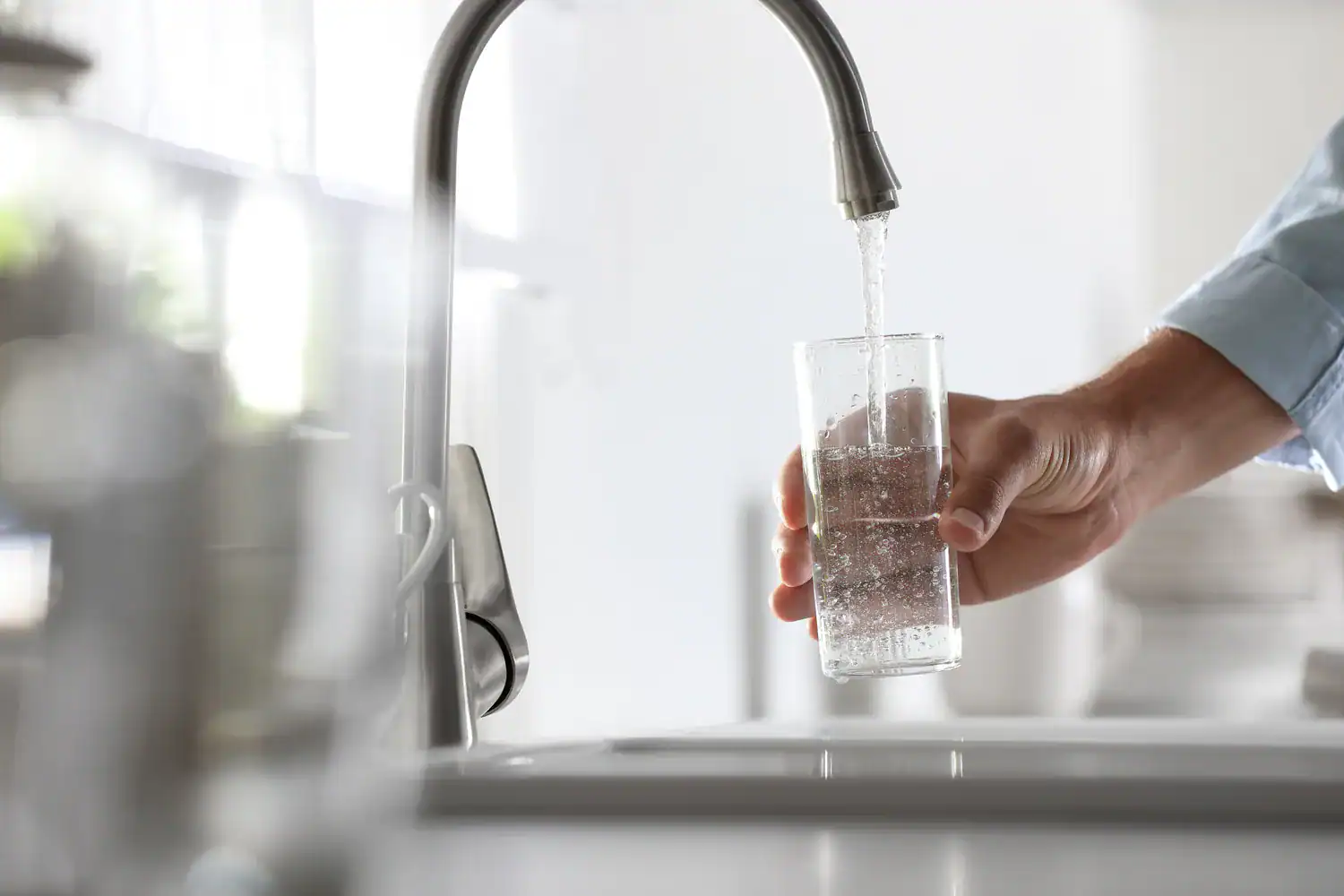
We start with drinking water quality testing at your house. Not a guess, not a generic report from the city—actual testing of your water. That tells us what’s in there: hardness levels, iron, sulfur, nitrates, whatever else is showing up.
Then we talk through what’s bothering you. Stains on your laundry? Rotten egg smell? Spots on your dishes? Scale on your faucets? Each problem points to a specific contaminant, and each contaminant has a specific solution.
From there, we design a system. That might mean activated carbon filtration for taste and odor, a salt-free conditioner for hardness, UV water purification if bacteria is a concern, or a combination. If you want an under-sink filter installation for drinking water and a whole-house setup for everything else, we can do that too. We’re not locked into one product line or one approach. We match the system to your water and your budget, install it properly, and make sure you know how to maintain it.
Ready to get started?
Every system we install is built for Florida water. That means handling the hardness, the iron, the sulfur, and the occasional bacteria that shows up in well water around Catalina and Lake County.
Our whole-house systems run between 21 and 28 gallons per minute depending on what your home needs. We use the highest-quality media available, and most of our products come with limited lifetime warranties. These aren’t disposable units—you’re installing something that lasts.
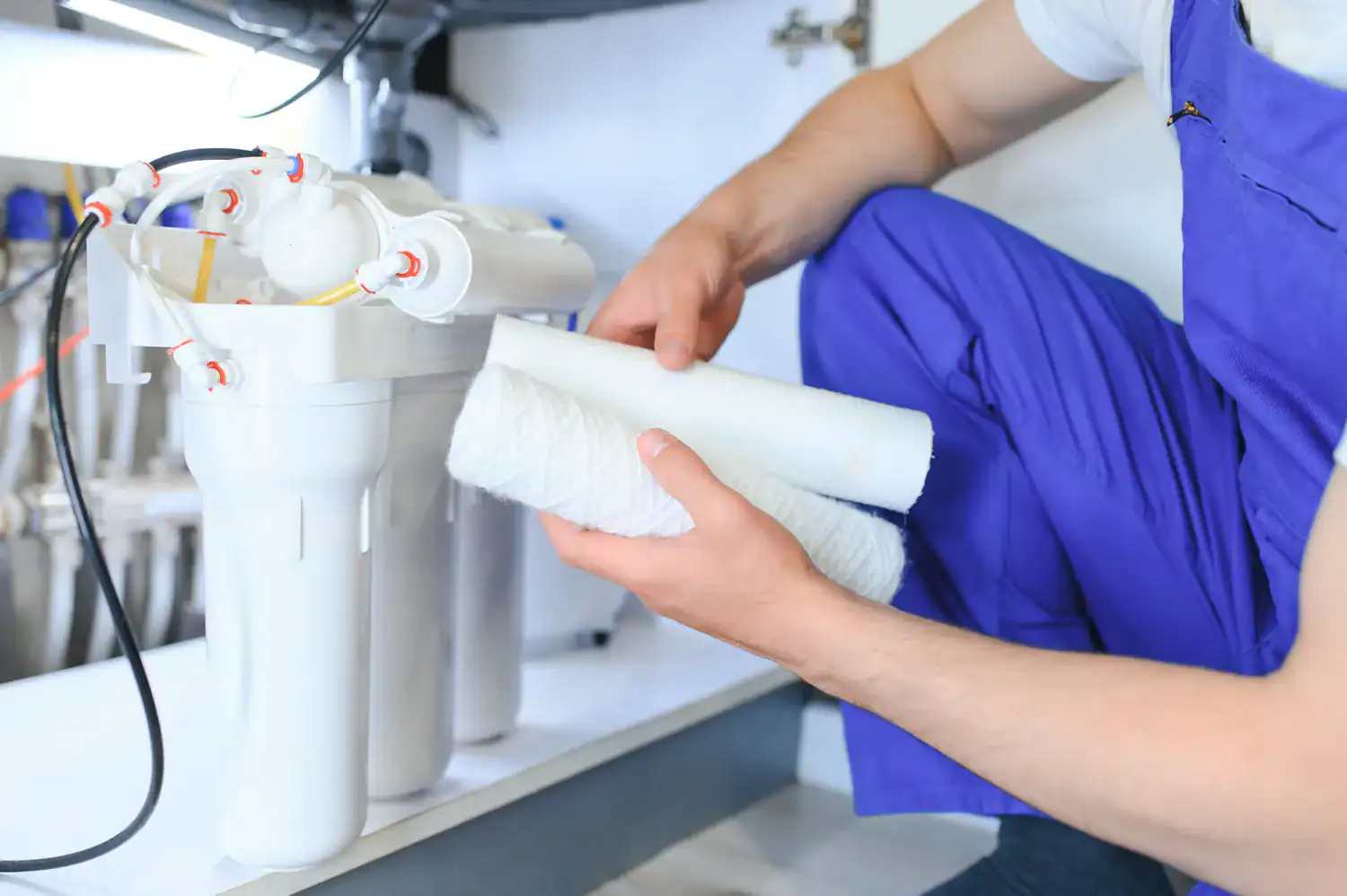
If you’re on city water, we’re filtering out chlorine, disinfection byproducts, and whatever else the municipality adds or misses. If you’re on a well, we’re handling the iron stains, the rotten egg smell, and the hardness that’s probably destroying your appliances right now. Reverse osmosis systems go under your sink and handle the drinking water separately—five stages of filtration that pull out nearly everything. You stop buying bottled water, and you stop wondering if what you’re drinking is actually clean.
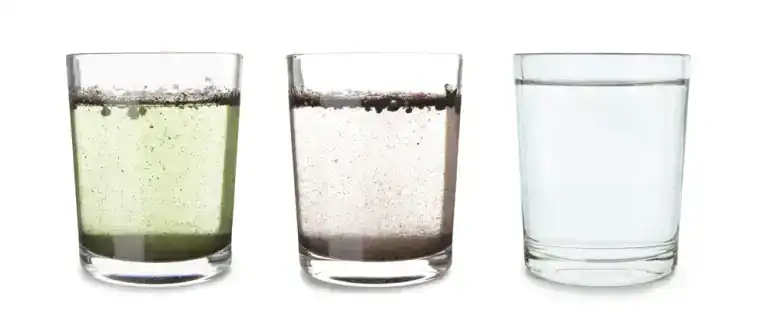
You don’t—until you test your water. That’s the only honest answer.
Some companies will sell you a water softener because that’s what they sell. We test first because Catalina water isn’t the same as water in Clermont or Leesburg, even though we’re all in Lake County. Your neighbor might need an iron filter while you need a reverse osmosis system. We bring professional testing equipment to your house, run the analysis, and then recommend what actually matches your results. If your water is hard but doesn’t have iron, you don’t need an iron filter. If you’ve got sulfur bacteria, a basic softener won’t fix the smell. Testing removes the guesswork and keeps you from spending money on the wrong equipment.
A whole house water filter treats everything—showers, toilets, washing machine, outdoor hose. It’s installed at the point where water enters your home, and it handles stuff like hardness, chlorine, sediment, and iron before any of it reaches your fixtures or appliances.
A reverse osmosis system is usually installed under your kitchen sink and only treats the water you drink and cook with. It’s a multi-stage process that removes contaminants a whole-house system might miss—things like nitrates, fluoride, heavy metals, and dissolved solids. Most people in Catalina do both: whole-house filtration for general water quality and reverse osmosis for drinking water. You can absolutely do just one, but if you’re dealing with hard water and you also want the cleanest drinking water possible, the combination makes sense.
Not if it’s sized correctly. That’s why flow rate matters.
Our entry-level systems are built with 21-gallon-per-minute valves. Our higher-end systems use 28-gallon-per-minute valves. For most homes in Catalina, that’s more than enough to run multiple showers, the dishwasher, and the washing machine at the same time without any noticeable pressure drop. If you’ve got a larger home or higher water demands, we design the system to match. Pressure problems usually happen when someone installs an undersized system or uses cheap components that create restrictions. We don’t do that. Your water pressure should feel the same or better after installation—better because you’re not dealing with scale buildup that’s been choking your pipes.
Depends on the system and your water quality, but most need attention once or twice a year.
Reverse osmosis systems need filter changes every six to twelve months depending on your usage. The membrane itself can last two to four years if you’re changing the pre-filters on schedule. Whole-house carbon filters typically need media replacement every few years, but that varies based on how much chlorine or organic material is in your water. If you’ve got an iron or sulfur system, those need more frequent attention—backwashing, media checks, and occasional cleaning.
We don’t disappear after installation. Regular maintenance is part of keeping your system effective, and we’d rather you call us for a scheduled service than wait until something stops working. A lot of national companies sell systems and then make it nearly impossible to get service. We’re local, we’re available, and we actually show up.
You can try, but most people regret it.
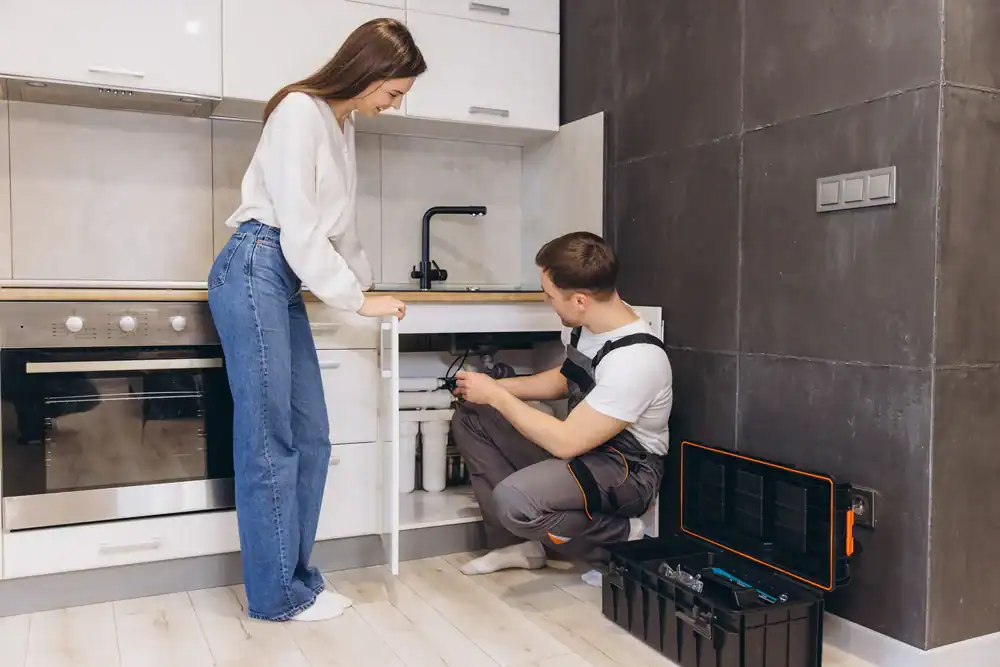
Some under-sink filter installations are straightforward if you’re comfortable with basic plumbing—shutting off water, cutting pipes, connecting fittings. Whole-house systems are a different situation. You’re working with your main water line, you need to know local codes, and if something leaks, it’s not a small problem. You’re also dealing with system sizing, media selection, and making sure everything is configured correctly for your specific water chemistry.
We’ve seen plenty of DIY jobs that either didn’t work or caused bigger issues—flooding, improper backwash cycles, systems that were installed but never actually treated the water. Professional installation means it’s done right the first time, it’s warrantied, and you’re not spending your weekend troubleshooting a system you’re not sure how to fix. If you want to save money, we get it. But this isn’t the place to gamble.
Please provide your email address so that we can stay in touch and answer any questions you have! We will be reaching back out shortly.
"*" indicates required fields