Reach Out Today
Please provide your email address so that we can stay in touch and answer any questions you have! We will be reaching back out shortly.

Hear from Our Customers
If you’ve lived in Caroline for any length of time, you’ve probably noticed it. White crust on the faucet. Spots on the dishes straight out of the dishwasher. A faint chlorine smell when you fill a glass. That’s not a quirk — that’s the Floridan Aquifer, and it runs through every pipe in your home.
The Little Sumter Service Area pulls water from 20 groundwater wells and chlorinates it before it reaches your tap in Caroline. That chlorination kills bacteria, which is good. But it also creates disinfection byproducts — compounds like bromochloroacetic acid that the Environmental Working Group has flagged in The Villages water system for exceeding current health guidelines, even while staying within legal limits. For a community where most residents are retired, health-conscious, and paying close attention to what goes into their bodies, that gap between “legal” and “healthy” matters.
Caroline’s homes were built in 2006. That means your appliances, your water heater, and your plumbing have been running on hard, mineral-heavy Floridan Aquifer water for nearly two decades. The scale buildup is real, and it shortens appliance life. A whole-house water filtration system stops that damage going forward — and gives you water that tastes clean, feels clean, and actually is.
We’ve been working with Florida groundwater for over 50 years. That means we were treating Floridan Aquifer water in Central Florida long before The Villages became the largest active adult community in the country. We know what comes out of Sumter County ground — the hardness levels, the seasonal shifts, the specific chemistry that makes generic national systems a poor fit for homes in Caroline and throughout the region.
We’re based in Leesburg, about 20 to 25 miles from Caroline. Not a national chain routing your call through a distant call center. A neighbor, in the same regional orbit, who shows up and services what we install.
The credentials back it up: an A-rating with the Better Business Bureau with zero complaints on record, a 5-star customer rating, membership in the National Water Quality Association, and NSF-certified components in every installation. In an industry the Florida Attorney General has had to actively police for fraud, that clean record isn’t a minor footnote — it’s the most important thing to verify before you let any water treatment company into your home.
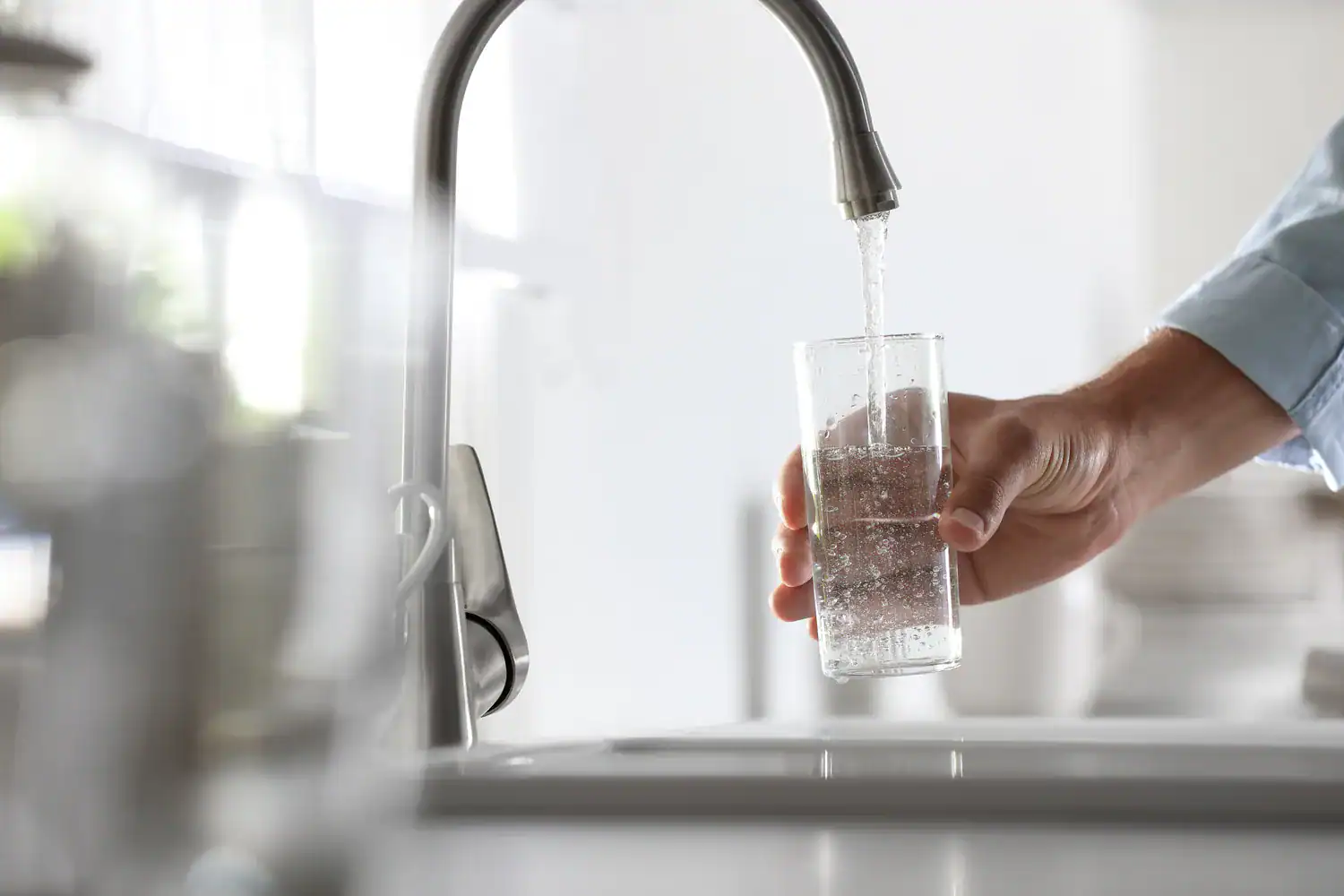
It starts with a real water analysis — not the kind where someone drops chemicals into a glass until it turns an alarming color. We test your water for the specific contaminants relevant to Caroline’s supply: hardness, pH, total dissolved solids, chlorine, iron, bacteria, and others. The results tell you what’s actually in your water, at what levels, and what that means for your household.
From there, a system gets recommended based on your results — not a one-size-fits-all package pulled off a shelf. If your water shows high hardness and chlorination byproducts, that shapes the solution. If sediment or iron is elevated, that gets addressed too. Caroline’s water chemistry is specific to the Floridan Aquifer and the Little Sumter Service Area, and the treatment approach should reflect that.
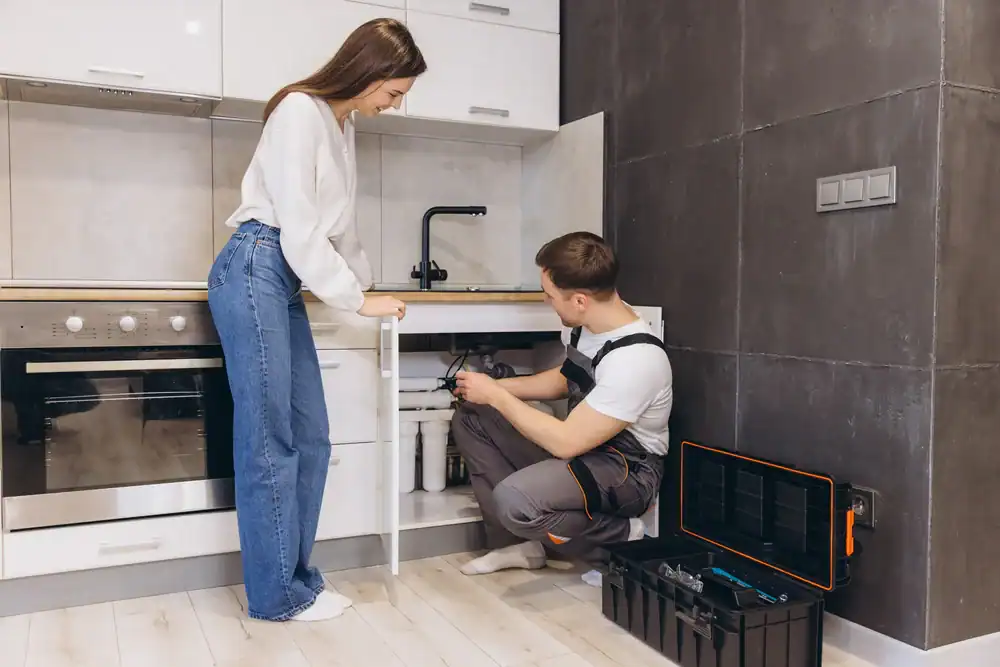
Installation is handled by our licensed professionals using NSF-certified components. Once it’s in, you’re not left to figure it out alone. We service every system we install — and we also service systems installed by other companies. If you bought something from a national brand that’s now impossible to reach for a maintenance call, that’s a problem we can solve. In a community like The Villages, where word travels fast and residents compare notes at the pool and on the golf course, that kind of follow-through is what actually builds a reputation.
Ready to get started?
Whole-house water filtration in Caroline typically addresses three overlapping problems: hardness from the Floridan Aquifer, chlorine and disinfection byproducts from the Little Sumter Service Area’s treatment process, and sediment removal for older plumbing. Caroline’s homes are approaching 20 years old — an age where the cumulative effects of hard water on pipes and appliances become visible and costly.
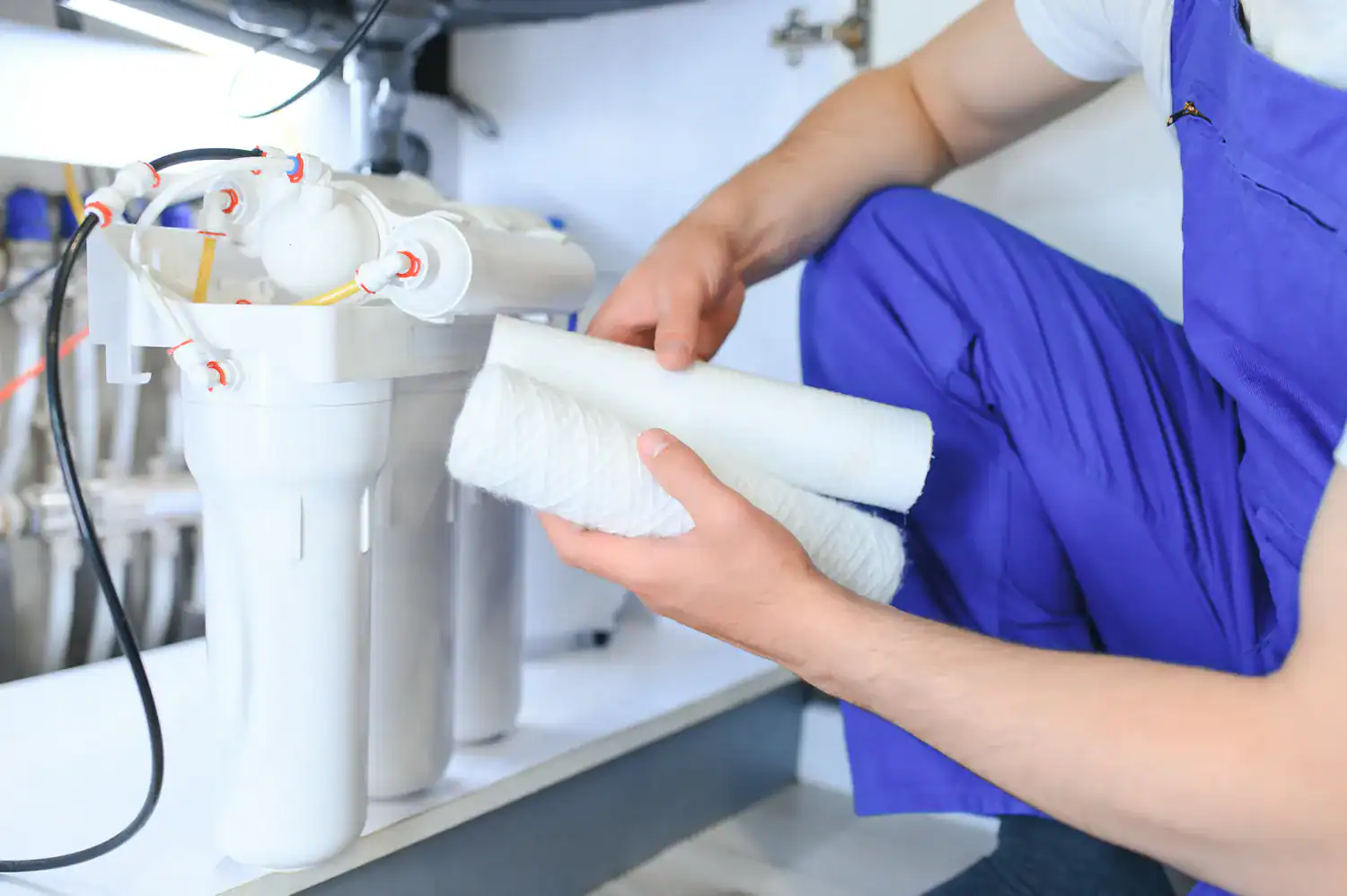
Depending on what your water analysis shows, your system may include a whole-house activated carbon filter for chlorine and byproduct removal, a water softener or salt-free conditioner for hardness, a sediment pre-filter, and a reverse osmosis system at the kitchen sink for drinking water. These aren’t upsells — they’re components that address what’s actually in your water. We won’t recommend something your results don’t support.
For military veterans and first responders — and Caroline sits in a community with one of the highest concentrations of veterans in Florida — we offer a $500 discount on installation. We also support the Tunnels to Towers Foundation, which matters to a lot of people in this community for reasons that go beyond a transaction. If you’re ready to stop guessing about what’s in your water, the free analysis is where it starts. No pressure, no theater — just real information about your specific home.
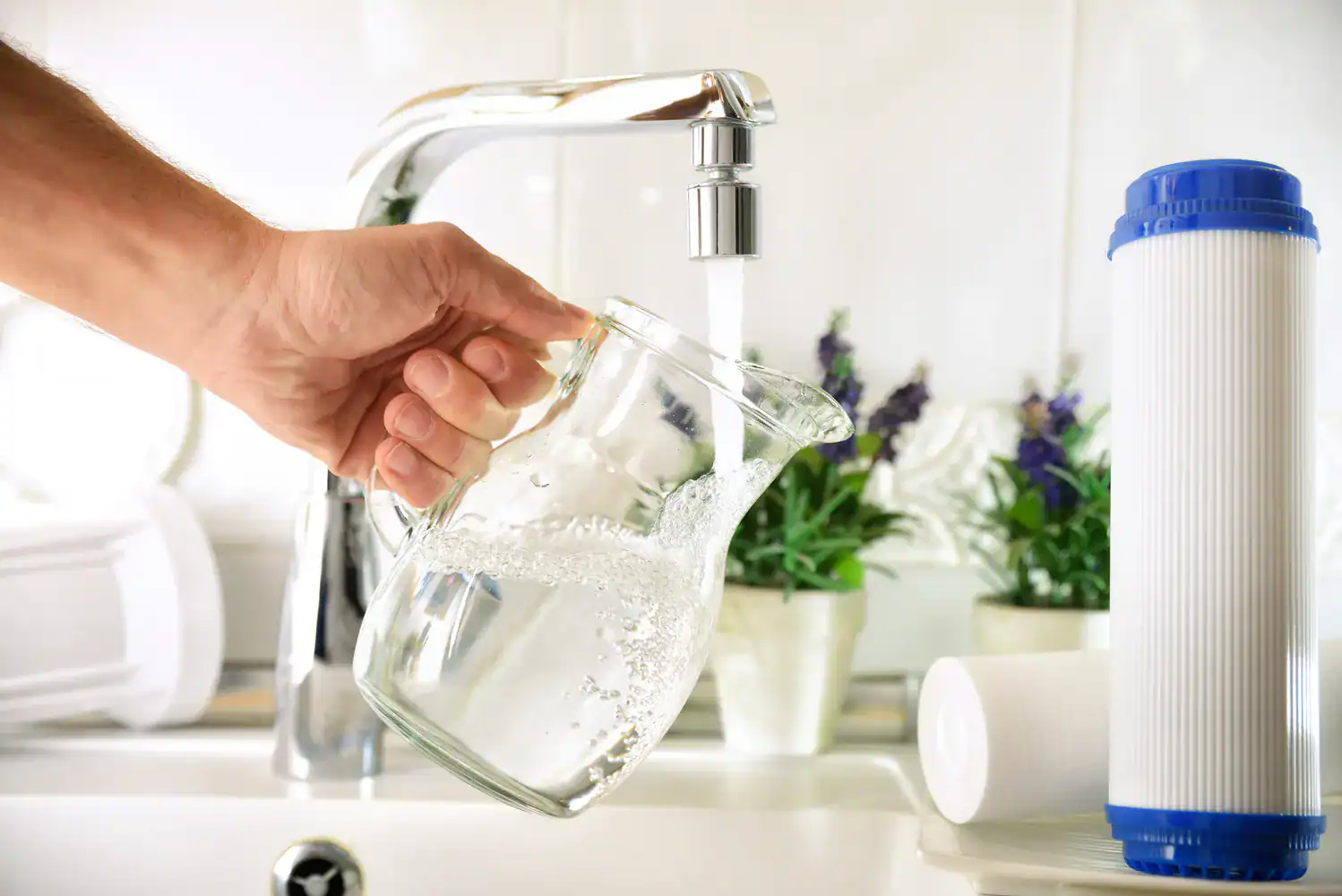
Technically, yes — the water serving Caroline meets every legal standard set by the EPA. But “meets legal limits” and “safe by current health guidelines” are two different things. The Environmental Working Group has identified six contaminants in The Villages of Lake-Sumter water system that exceed current independent health guidelines, including bromochloroacetic acid, a disinfection byproduct that forms when chlorine reacts with organic matter in the water, and thallium, a heavy metal. These are present at levels the EPA considers legally acceptable but that independent health research flags as worth paying attention to — especially for older adults in Caroline.
For most Caroline residents who are 65 or older and health-conscious, that distinction is meaningful. Legal compliance was designed to protect the general population from acute illness. It wasn’t designed to reflect the latest research on long-term low-level exposure. A point-of-use reverse osmosis system at your kitchen sink, or a whole-house filtration system, can significantly reduce these compounds before they reach your glass. The only way to know exactly what’s in your specific home’s water is to have it properly tested — not a sales demonstration, but a real lab-grade analysis.
That’s hard water, and it’s completely normal for homes in Caroline and throughout The Villages. The water supply here comes from the Floridan Aquifer — one of the largest freshwater aquifer systems in the world, but one that’s naturally high in dissolved calcium and magnesium. When that water evaporates off your dishes, your shower glass, or your faucet, those minerals stay behind as white residue. It’s not a sign that something is wrong with your specific home — it’s the baseline chemistry of Sumter County groundwater.
The bigger concern is what that same hard water is doing inside your appliances and pipes where you can’t see it. Scale buildup reduces water heater efficiency, clogs dishwasher spray arms, narrows pipe diameter over time, and shortens the lifespan of washing machines and refrigerator water lines. Caroline’s homes were built in 2006, which means nearly two decades of hard water exposure. A water softener or salt-free conditioning system addresses hardness at the whole-house level, protecting your plumbing and appliances going forward. Many Caroline home listings now advertise whole-house water filtration as a selling point — the market has recognized it as a real home value investment.
They solve different problems, and in Caroline, you often need both. A water softener targets hardness — specifically the calcium and magnesium that come from the Floridan Aquifer. It either exchanges those minerals for sodium ions (traditional salt-based softener) or conditions them so they don’t bind to surfaces (salt-free TAC system). Either way, the goal is stopping scale buildup in your pipes, appliances, and fixtures.
A whole-house water filter addresses a different set of concerns: chlorine, chlorination byproducts like haloacetic acids, sediment, and other contaminants that come in through the distribution system. The Little Sumter Service Area chlorinates its water before it reaches your home — necessary for public health, but it leaves behind compounds you’d rather not be drinking, showering in, or running through your appliances. An activated carbon filter removes chlorine taste and odor at every point of use in the house. Many Caroline homeowners end up with a combined system — softening for the hardness and filtration for the chemical load — because the water here presents both challenges at the same time. What you actually need depends on your water test results, not on what any company wants to sell you.
For most Caroline homes, a whole-house water filtration or softening system can be installed in a single day — typically four to six hours depending on the complexity of the system and the configuration of your home’s plumbing. Caroline’s homes are block and frame construction built in 2006, and most have accessible utility areas where the main water line enters the home, which makes installation straightforward in the majority of cases.
The work is done by our licensed contractors in compliance with Florida building codes. You don’t need a special municipal permit for installing a private water treatment system on your own home’s supply line — it’s considered a home improvement, not an alteration to the public water supply. What you do need is a licensed professional doing the work, which is standard for any reputable water treatment company operating in Sumter County. After installation, we walk you through how the system operates, what maintenance it needs, and when to expect a service visit. The whole process — from your initial water analysis to a fully installed, functioning system — typically takes less than two weeks from first contact to completion.
Reverse osmosis is one of the most effective filtration methods available for drinking water, and yes — it addresses most of the contaminants documented in The Villages water system. A quality reverse osmosis system will remove or significantly reduce chlorine and chlorination byproducts like bromochloroacetic acid, heavy metals including thallium, total dissolved solids, nitrates, and a wide range of other compounds. NSF Standard 58, which covers reverse osmosis systems, sets the performance benchmarks that our components are certified against.
One thing worth understanding is that reverse osmosis works best as a point-of-use system — typically installed under your kitchen sink — rather than as a whole-house solution. The water pressure requirements and the volume of water an RO system processes make it impractical to run every faucet and showerhead through one unit. For drinking and cooking water, it’s excellent. For whole-house hardness and chlorine removal, you’d pair it with a water softener and an activated carbon filter upstream. That combination — softening, whole-house carbon filtration, and an RO unit at the kitchen sink — is a common setup for Caroline homes and addresses the full range of what the Floridan Aquifer and the Little Sumter Service Area deliver to your tap.
Please provide your email address so that we can stay in touch and answer any questions you have! We will be reaching back out shortly.
"*" indicates required fields