Reach Out Today
Please provide your email address so that we can stay in touch and answer any questions you have! We will be reaching back out shortly.

Hear from Our Customers
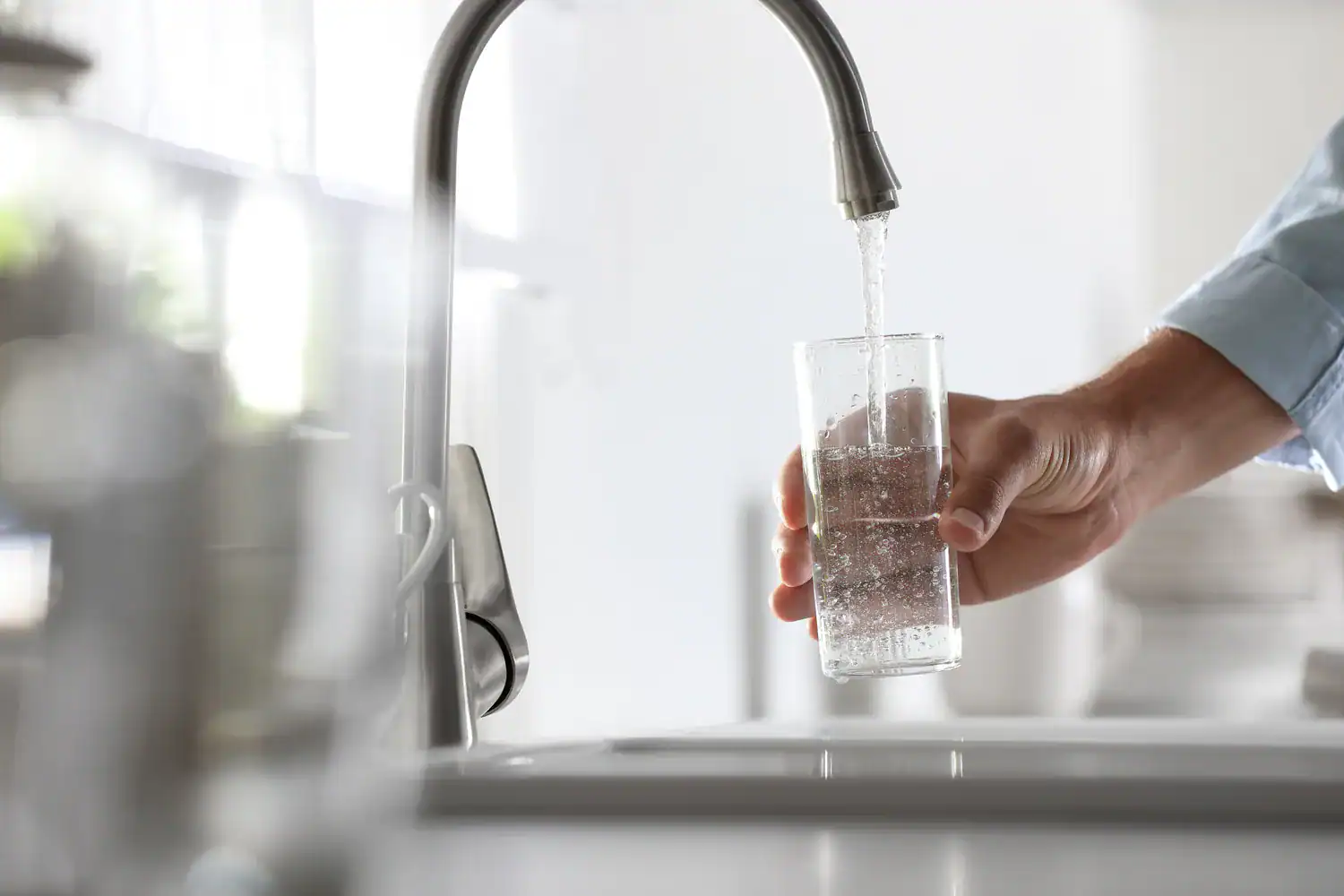
You stop buying bottled water by the case. Your coffee tastes better. Your skin doesn’t feel tight after a shower.
The white buildup around your faucets disappears. Your dishwasher stops leaving spots on glasses. Your water heater runs longer because scale isn’t choking it out.
That’s what happens when you treat water at the point it enters your home, not just at one sink. A whole-house water filtration system handles everything—drinking water quality testing shows what’s in your supply, then reverse osmosis systems, activated carbon filtration, and UV water purification work together to remove it. You’re not guessing what’s coming through your pipes anymore.
Florida’s aquifer sits in porous limestone with a high water table. Contaminants move fast here—dry-cleaning solvents, gasoline, pesticides, plus the chlorine and disinfection byproducts municipalities add to make it “safe.” Hard water is nearly universal across Candler, FL. Calcium and magnesium destroy appliances, leave residue on everything, and make soap barely lather.
Families spending $100 a month on bottled water pay $1,200 a year—and still shower and cook in untreated tap water. That’s not a solution. That’s expensive denial.
We have an A+ Better Business Bureau rating, 5-star reviews, and over 50 years of combined industry experience. We’re members of the National Water Quality Association. Hospitals and health clinics trust us to deliver purified water systems.
We don’t sell plumbing services or water heaters. We do one thing—water treatment—and we do it right. That means free water testing, custom-designed systems based on your actual water analysis, and installation that doesn’t cut corners.
Candler homeowners deal with the same hard water and aquifer contamination issues affecting all of Central Florida. We’ve tested hundreds of wells and municipal connections in this area. We know what’s in your water before we walk in the door, and we know how to fix it. Military and first responders get $500 off, because some things matter more than profit margins.
We start with a free water test at your home. Not a guess, not a generic recommendation—a real analysis of what’s in your water supply. That tells us what filtration technology you actually need.
Then we design a system. Whole-house filtration treats water at the main line before it splits off to your kitchen, bathrooms, and appliances. Depending on your test results, that might include activated carbon filtration to remove chlorine and organic compounds, a water softener for calcium and magnesium, and reverse osmosis systems for drinking water. If bacteria or microorganisms show up, UV water purification kills them without chemicals.
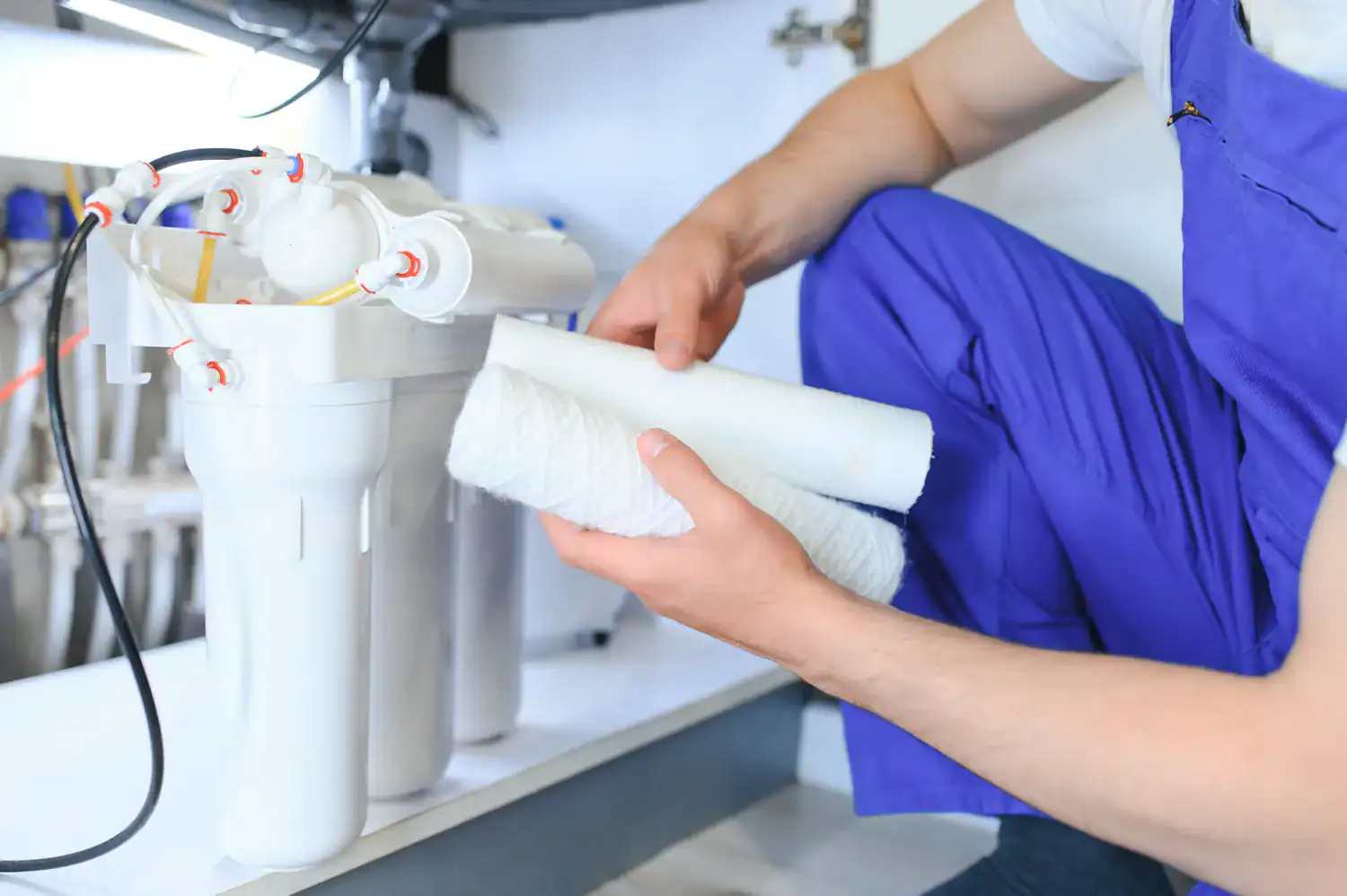
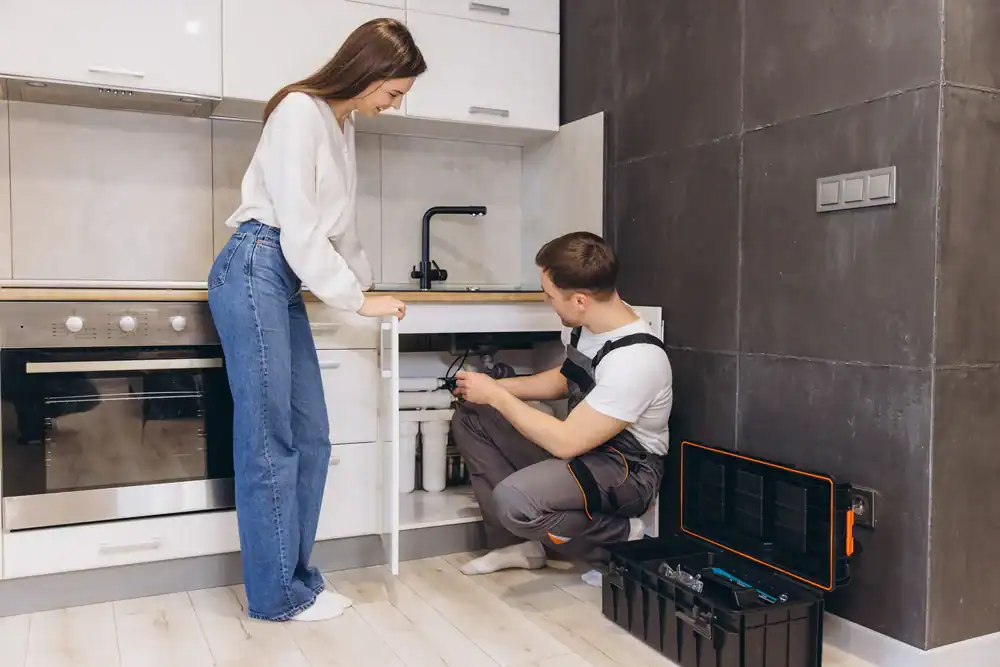
Installation happens in one day for most homes. We mount the system where your main water line enters, usually in the garage or utility area. Everything gets plumbed in, tested, and calibrated. You’ll see the difference immediately—no more chlorine smell, no more hard water spots, no more hesitation about filling a glass from the tap.
We service what we sell. That’s not a slogan. That’s how we’ve stayed in business while national companies with bad reputations cycle through customers and complaints. You call us, we show up.
Ready to get started?
A whole-house water filtration system treats every drop that enters your home. That means your shower, your washing machine, your ice maker, and your garden hose all get filtered water. You’re not just improving what you drink—you’re protecting your appliances and plumbing from the mineral buildup and corrosive elements that cut their lifespan in half.
Under-sink filter installation gives you an extra layer of purification for drinking and cooking water. Most systems combine a multi-stage carbon filter with reverse osmosis to remove dissolved solids, heavy metals, and the microscopic contaminants that standard filtration misses. It’s the same water hospitals use, and it doesn’t waste electricity or require salt.
In Candler, FL, hard water is the default. Calcium and magnesium concentrations here are high enough to damage water heaters, clog pipes, and leave that white crust on everything. A water softener removes those minerals before they cause problems. Your soap works better. Your skin feels different. Your appliances last years longer.
We also install UV water purification systems for well water or any supply where bacteria and microorganisms are a concern. Ultraviolet light kills pathogens without adding chemicals—no chlorine, no byproducts, just clean water that’s safe to drink. It’s eco-friendly, low-maintenance, and effective against things carbon filters can’t touch.
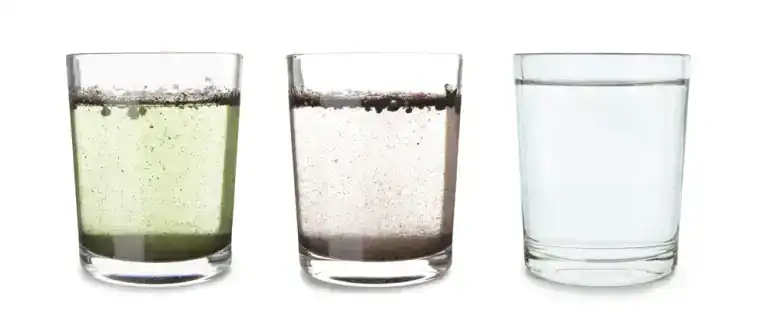
Most whole-house systems run between $2,000 and $5,000 depending on what your water test shows and how many filtration stages you need. If you’re only dealing with chlorine and taste issues, a carbon filtration system sits on the lower end. If you need a water softener, reverse osmosis, and UV purification, you’re looking at the higher range.
That’s less than a year and a half of bottled water for a family spending $100 a month. Except the system lasts 10 to 20 years, protects your appliances, and treats every faucet in your home. The return on investment shows up in your water heater lasting longer, your dishwasher not dying early, and your plumbing not corroding from the inside out.
We don’t finance, but we do offer a $500 discount for military and first responders. And we give you options during the consultation—you’re not locked into one price or one system. We design around your water quality and your budget.
Activated carbon filtration removes chlorine, chloramines, volatile organic compounds, and the disinfection byproducts municipalities add to treat water. That’s what causes the chemical taste and smell most people notice. Carbon also pulls out pesticides, herbicides, and industrial solvents that leach into Florida’s aquifer from agricultural runoff and old storage tanks.
Reverse osmosis systems go further—they remove dissolved solids like lead, arsenic, fluoride, nitrates, and heavy metals. The membrane filters particles down to 0.0001 microns, which catches things carbon can’t. If your water test shows high total dissolved solids or specific contaminants like radium or uranium (both found in Florida groundwater), reverse osmosis handles it.
UV water purification kills bacteria, viruses, and parasites. It doesn’t remove them—it destroys their DNA so they can’t reproduce or make you sick. If you’re on well water or your municipal supply has had boil-water notices, UV is non-negotiable. It’s also the only chemical-free way to disinfect water.
Water softeners remove calcium and magnesium, the minerals that cause hard water. They don’t improve safety, but they protect everything in your home that touches water—pipes, faucets, appliances, even your skin and hair.
Most whole-house installations take four to six hours. We’re working with your main water line, so there’s plumbing involved—shutting off the water, cutting into the line, mounting the system, and connecting everything. If you’re adding multiple stages (softener, carbon filter, UV system), it might stretch to a full day.
Under-sink filter installation is faster—usually one to two hours. We mount the system under your kitchen sink, tap into the cold water line, and run a dedicated faucet through your countertop or use your existing one if it’s compatible. Reverse osmosis systems need a drain connection for wastewater, but it’s straightforward.
The timeline depends on your home’s plumbing setup and whether we’re installing in a garage, utility room, or crawl space. Older homes with galvanized pipes take longer. Newer homes with accessible main lines move faster. We’ll give you an estimate after we see your setup during the water test.
You’ll have water the same day. We don’t leave until the system is running, tested, and producing clean water at every tap.
Yes. Municipal water meets EPA safety standards, but that doesn’t mean it’s clean or pleasant to drink. Chlorine and chloramines are added to disinfect the supply—they kill bacteria, but they also make your water taste like a swimming pool. Disinfection byproducts like trihalomethanes and haloacetic acids form when chlorine reacts with organic matter, and both are linked to health risks over time.
Candler’s water comes from the Floridan Aquifer, which sits in porous limestone. Contaminants move through it easily—agricultural runoff, old gas station leaks, septic systems, and industrial chemicals. Treatment plants filter out the worst of it, but they’re not removing dissolved solids, heavy metals, or trace pharmaceuticals. Your tap water is “safe” by legal standards, but it’s not pure.
Hard water is another issue city treatment doesn’t address. Calcium and magnesium are natural minerals, so they’re not regulated. But they destroy your water heater, clog your pipes, and leave residue on dishes and fixtures. A water softener fixes that. Municipal treatment doesn’t.
If you care about what your family drinks, cooks with, and bathes in, city water isn’t good enough. A whole-house water filtration system handles what the treatment plant doesn’t.
A water softener removes hardness minerals—calcium and magnesium. It uses ion exchange resin to swap those minerals for sodium or potassium. That stops scale buildup in your pipes and appliances, makes soap lather better, and eliminates the white crust on faucets and showerheads. It doesn’t remove contaminants, improve taste, or make water safer to drink. It just makes hard water soft.
A water filtration system removes contaminants—chlorine, chemicals, heavy metals, bacteria, sediment, and dissolved solids. Depending on the type (carbon, reverse osmosis, UV), it improves safety, taste, and clarity. It doesn’t address hardness. You can have perfectly filtered water that still leaves spots on your dishes.
Most homes in Candler, FL need both. Hard water is nearly universal here, and the aquifer carries contaminants that filtration handles. We typically install a water softener first in the treatment line to protect the filtration system from scale buildup, then add carbon filtration and reverse osmosis for drinking water. UV purification goes last if bacteria are a concern.
You’re not choosing one or the other. You’re building a system that handles Florida’s specific water problems—hardness, chemicals, and contamination. That’s what whole-house water treatment means.
Please provide your email address so that we can stay in touch and answer any questions you have! We will be reaching back out shortly.
"*" indicates required fields