Reach Out Today
Please provide your email address so that we can stay in touch and answer any questions you have! We will be reaching back out shortly.

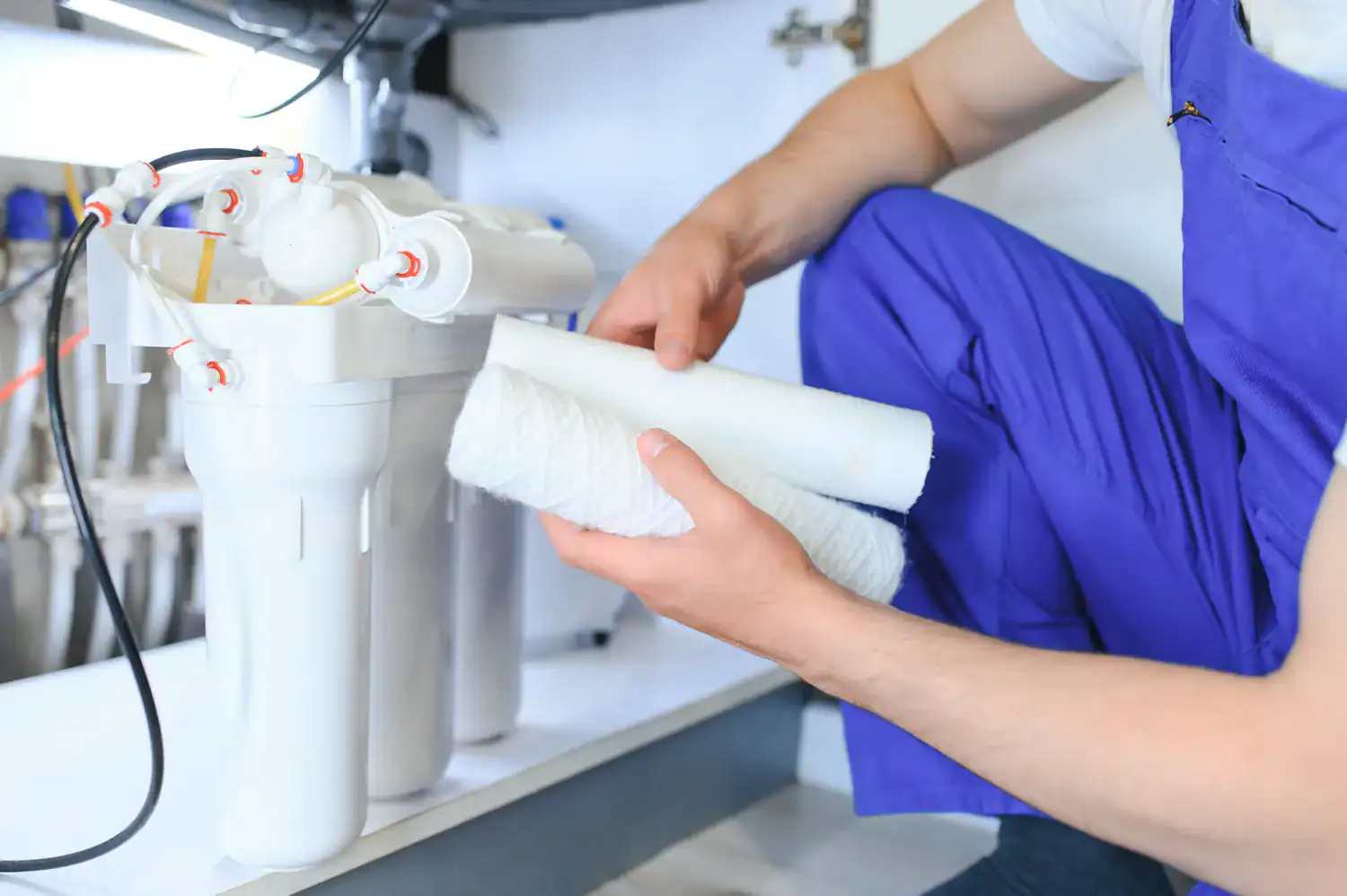
Hear from Our Customers
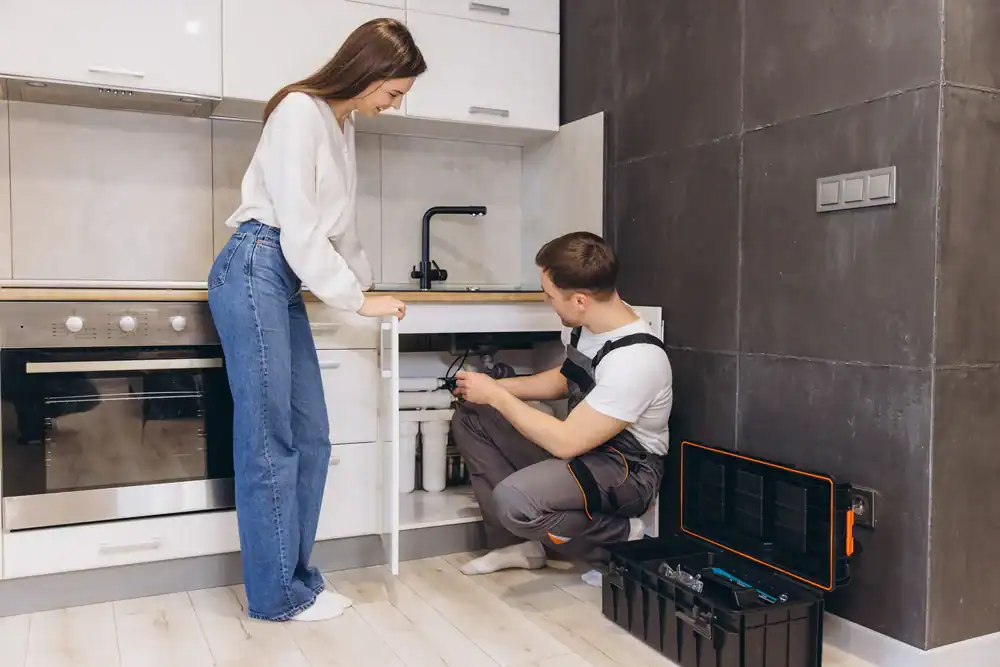
When the water running through your Briar Meadow home is treated properly, the difference shows up everywhere — not just in your glass. Your appliances last longer. Your showerhead stops crusting over. The coffee tastes like it should. These aren’t small things when you’re living in a home you’ve invested in and plan to stay in.
Marion County’s water comes from the Floridan Aquifer at roughly 180 ppm hardness — that’s the “hard” classification, and it sits just below the threshold where municipal suppliers are required to intervene. Which means the scale buildup, the stiff laundry, the spotty glassware — that’s all yours to deal with unless you take care of it yourself. A whole-house filtration system handles it at the source, before the water ever reaches your pipes, your water heater, or your fixtures.
For a lot of Briar Meadow residents, there’s also the PFAS question. The EWG Tap Water Database has recorded perfluorohexane sulfonate — one of those “forever chemicals” — in the City of Ocala’s water system, which is the closest major municipal supplier in Marion County. A standard softener won’t touch those compounds. Reverse osmosis will, removing up to 99% of dissolved solids at the drinking water level. Knowing exactly what’s in your water is the first step, and that’s where this process starts.
We’ve been operating in North and Central Florida for more than 50 years. That means we were working with Floridan Aquifer water long before Briar Meadow existed as a community. We know what Marion County water looks like on a lab report — the hardness levels, the seasonal shifts during rainy season, the well water variables that affect properties outside the main utility grid.
Our BBB A-rating with a 5-star record and zero complaints is publicly searchable. In an industry where the Florida Attorney General has actively pursued consumer fraud cases — and where The Villages area has been specifically targeted by companies running fake water tests on new residents — that record means something real. We’re also members of the National Water Quality Association, which holds us to a professional code of conduct most competitors in this market simply don’t meet.
We service what we install. We also service systems installed by other companies. If you bought something from a national chain and now can’t get anyone on the phone, that’s a call we can take.
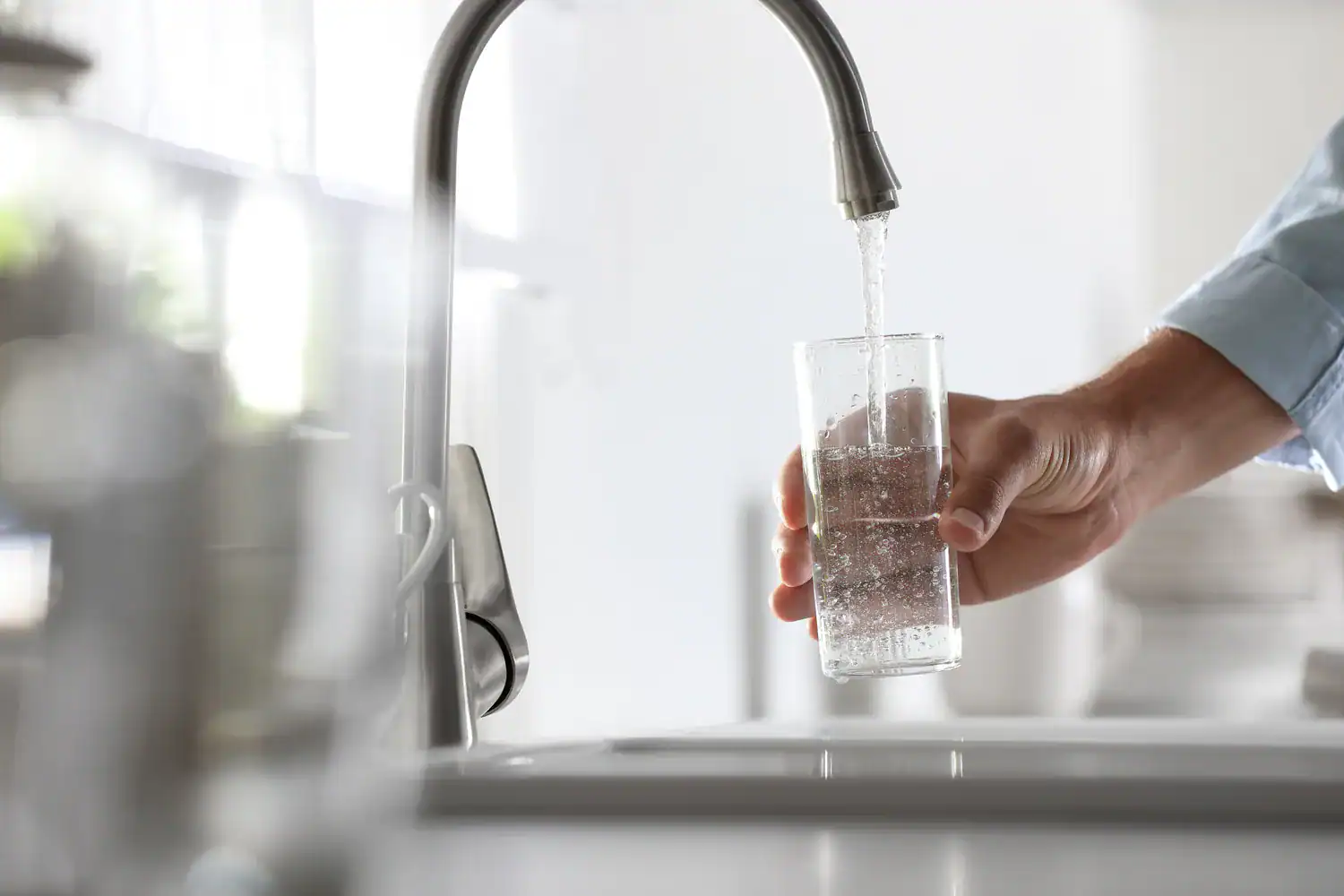
It starts with a free water analysis — a real one. Not the theatrical drop-dye-in-a-cup demonstration that’s been documented in The Villages community forums. This test checks your specific water supply for hardness, pH, iron, sulfur, total dissolved solids, bacteria, and other contaminants common in Marion County. The results drive everything that comes next. If your water doesn’t need a particular treatment, you’ll hear that.
From there, a system recommendation is built around your actual water chemistry and your household’s usage — not a one-size package pulled off a shelf. Briar Meadow homes range from around 1,100 to 2,500 square feet, and a properly sized system for a two-person household looks different from one designed for a larger home with higher daily demand. Getting that sizing right matters for both performance and cost.
Installation is handled by our licensed professionals who are familiar with Marion County’s building requirements and District 4’s community standards. We manage the process from start to finish. Once the system is in, we stay reachable — for maintenance, filter changes, media replacement, or any questions that come up down the road. That ongoing relationship is part of what we do, not an afterthought.
Ready to get started?
The core of what we do in Briar Meadow is whole-house water purification — a system installed at the main water entry point that treats every drop before it reaches any faucet, appliance, or shower in your home. For Marion County’s hard water, that typically means a combination of sediment removal, activated carbon filtration for chlorine and organic compounds, and either a traditional softener or a salt-free TAC conditioning system depending on your household’s preferences and water profile.
For drinking water specifically, a reverse osmosis system installed under the kitchen sink adds a final layer of purification — removing dissolved solids, PFAS compounds, nitrates, and other contaminants that whole-house systems aren’t designed to target. Many Briar Meadow homeowners run both: a whole-house system protecting the plumbing and appliances, and an RO unit delivering clean drinking and cooking water directly at the tap.
If you’re in one of the Briar Meadow homes that’s been in the same family since the early 2000s, it’s also worth having your existing equipment evaluated. Systems installed during the original 2002–2004 construction window are well past the typical service life for most filter media and RO membranes. We can assess what you have, tell you what’s still functioning, and recommend only what actually needs to be replaced. No upsell on equipment that’s still doing its job.
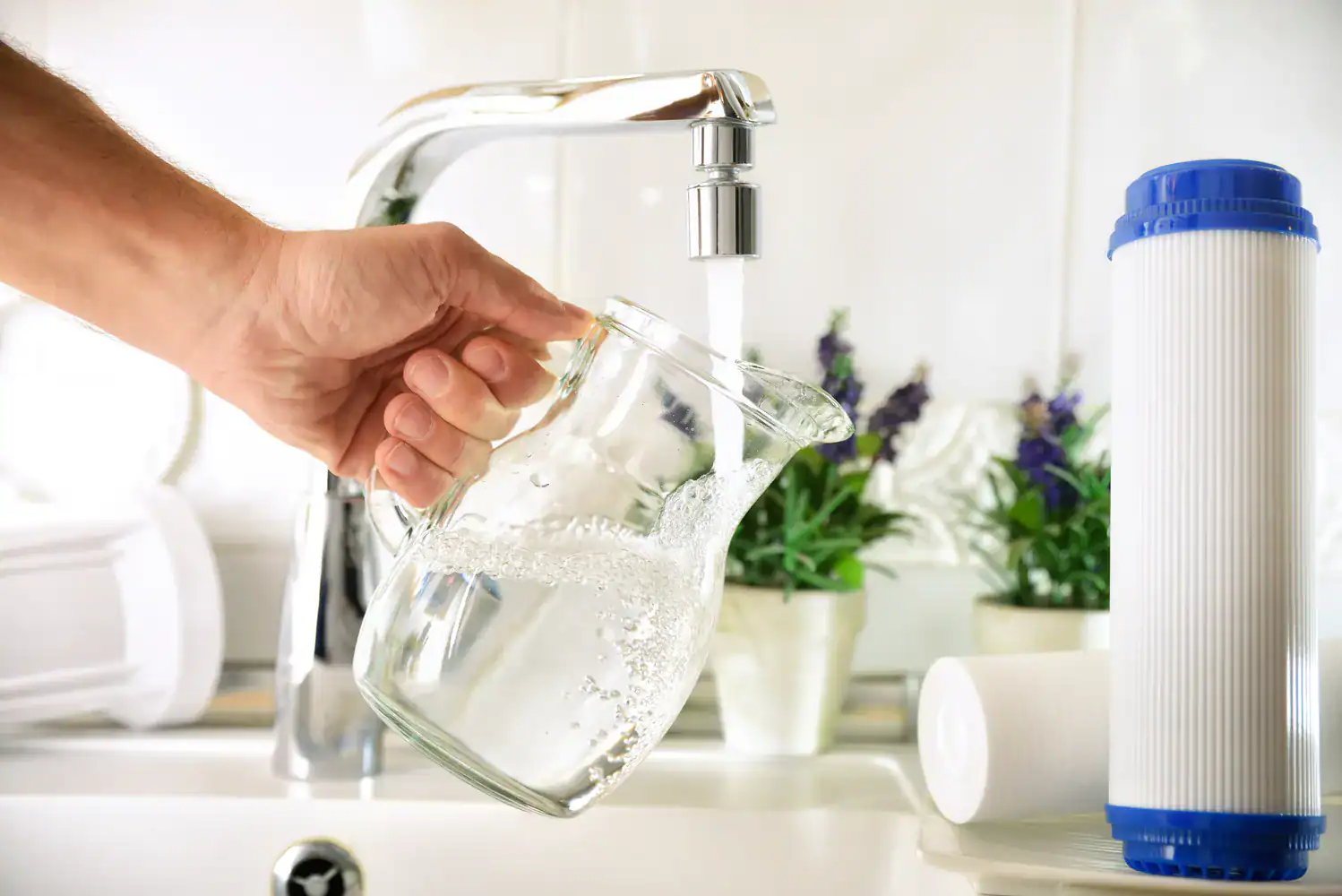
Yes — and it’s the kind of hardness that flies under the radar because the utility isn’t required to fix it. Marion County water tests at approximately 180 ppm, or around 10.5 grains per gallon. That puts it squarely in the “hard” classification according to the University of Florida’s IFAS Extension program for Marion County. The municipal softening threshold is typically around 200 ppm, so the water coming into your Briar Meadow home is hard enough to cause real problems without triggering any automatic treatment on the utility’s end.
What that looks like in practice: scale deposits building up inside your water heater and appliances, white residue on fixtures and glassware, reduced lather from soap and shampoo, and a gradual narrowing of pipe interiors over time. In a community like Briar Meadow where homes are well-maintained and most residents own rather than rent, that slow accumulation of damage is worth taking seriously. A whole-house softening or conditioning system addresses hardness at the point of entry before it reaches anything inside your home.
A water softener is designed to address one specific problem: hardness. It works by exchanging calcium and magnesium ions for sodium ions through a resin bed, which prevents scale buildup in your pipes and appliances. For Marion County’s hardness levels, a properly sized softener does that job well. But it doesn’t remove chlorine taste and odor, it doesn’t filter sediment, and it won’t touch PFAS compounds or other dissolved contaminants that have been detected in the regional water supply.
A whole-house filtration system is a broader approach. Depending on what your water analysis shows, it might combine sediment filtration, activated carbon for chlorine and organic compounds, and a softening or salt-free conditioning stage — all in one system installed at your main water line. For Briar Meadow residents who want to address hard water and water quality concerns at the same time, a whole-house system typically makes more sense than a standalone softener. The right answer depends on what your specific water contains, which is exactly what the free water analysis is designed to determine.
Reverse osmosis is one of the most effective residential methods for removing PFAS — it typically eliminates 95 to 99 percent of dissolved solids, including perfluorohexane sulfonate and related compounds that have been recorded in the City of Ocala’s water system by the EWG Tap Water Database. Standard water softeners and most whole-house carbon filters are not designed to remove PFAS at meaningful levels, so if that’s a specific concern for your household, an RO system at the drinking water point is the most reliable solution currently available for residential use.
An under-sink RO unit delivers purified water directly to your kitchen tap for drinking and cooking. It operates quietly, requires minimal maintenance — typically a membrane replacement every two to five years and filter changes annually — and costs far less over time than bottled water for a household of two. For Briar Meadow residents who are health-conscious and thinking about long-term wellness, pairing an RO drinking water system with a whole-house softening setup covers both the plumbing protection side and the water quality side in a single, coordinated approach.
Not necessarily — but it’s worth finding out what you actually have and whether it’s still performing. Briar Meadow’s housing stock was built primarily between 2002 and 2004, which means any water treatment equipment installed at or near the time of construction is now over 20 years old. RO membranes typically last two to five years. Whole-house filter media lasts three to five years under normal conditions. Water softener resin can last a decade or more, but aging resin loses efficiency and can sometimes release contaminants rather than capturing them.
The honest answer is that some 20-year-old systems are still functioning adequately, and some are not. The only way to know is a water analysis that tests what’s actually coming out of your tap — not what should be coming out based on the system’s original specs. Our free water analysis gives you that baseline. If your existing equipment is still doing its job, you’ll hear that. If something needs to be replaced or upgraded, you’ll get a clear explanation of why, not just a recommendation to buy something new.
The range varies depending on what your water analysis shows and how your home is plumbed, but most whole-house water purification systems for a Briar Meadow-sized home fall somewhere between $1,800 and $3,500 installed. A basic softening system for hardness alone typically comes in at the lower end of that range. A more comprehensive whole-house purification system that addresses hardness, sediment, chlorine, and organic compounds will sit higher. Adding an under-sink reverse osmosis unit for drinking water is typically an additional $300 to $600 depending on the configuration.
The comparison that matters most for most residents isn’t system cost versus doing nothing — it’s system cost versus the ongoing expense of bottled water, the eventual cost of appliance replacement from hard water damage, and the cost of calling a plumber to descale pipes that have been accumulating mineral buildup for years. For military veterans and first responders in Briar Meadow, we also offer a $500 discount — a meaningful reduction that no other identified competitor in The Villages market currently matches.
Please provide your email address so that we can stay in touch and answer any questions you have! We will be reaching back out shortly.
"*" indicates required fields