Reach Out Today
Please provide your email address so that we can stay in touch and answer any questions you have! We will be reaching back out shortly.


Hear from Our Customers
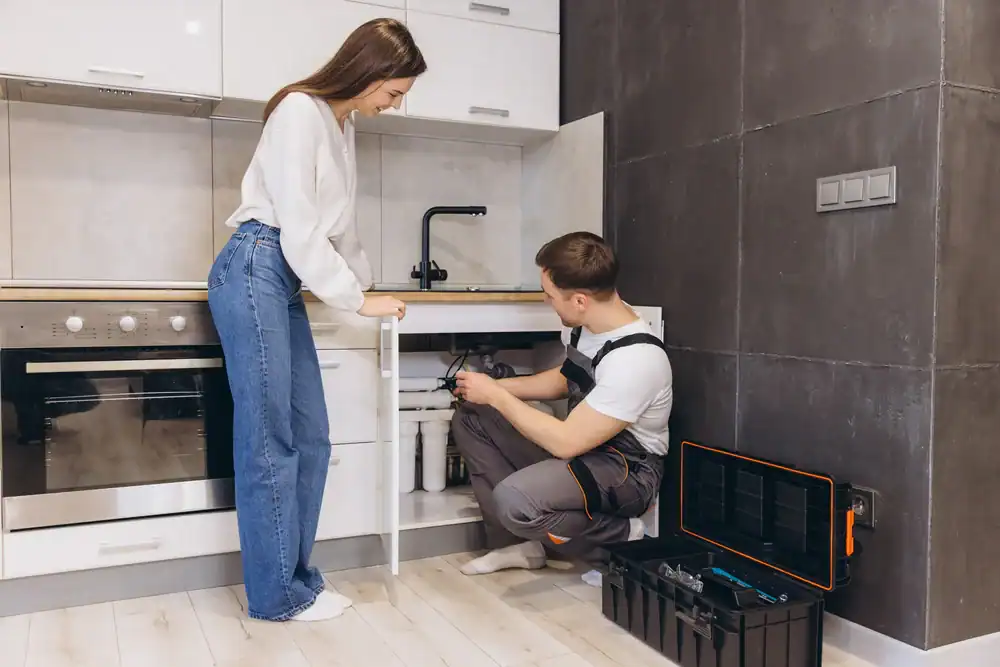
Your dishes stop getting spotted. Your skin doesn’t feel dry after every shower. Your water heater lasts years longer because it’s not clogged with mineral deposits.
That’s what happens when you install a proper water filtration system. Armstrong sits right in Lake County, where the water hardness averages over 200 PPM—which puts it in the “extremely hard” category. That means calcium and magnesium are building up in your pipes, on your fixtures, and inside every appliance that touches water.
A whole-house system catches those minerals before they enter your home. It also removes chlorine, which is why your tap water tastes like a swimming pool. If you’re on well water, it handles bacteria, sulfur, and sediment too. You’re not just improving taste—you’re protecting thousands of dollars worth of plumbing and appliances while making your water safer to drink.
The difference shows up fast. Soap lathers better. Clothes come out softer. Coffee tastes like coffee. And you stop buying bottled water every week because what comes out of your tap is actually clean.
We work with homeowners in Armstrong and across Lake County who are tired of dealing with Florida’s notoriously hard water. We’re not a national chain that disappears after installation. We’re local, we service what we sell, and we’re A-rated by the Better Business Bureau with zero complaints.
We’re also members of the National Water Quality Association, which means we follow industry standards that actually matter. If you’re military or a first responder, we knock $500 off your system—it’s our way of saying thanks.
We don’t do plumbing or water heaters. We focus on one thing: making sure the water in your home is clean, soft, and safe. That’s it.
First, we test your water. Not every home in Armstrong has the same issues—some deal with more chlorine, others have higher mineral content, and well water brings its own set of problems. Testing tells us exactly what we’re filtering out.
Then we recommend a system. That might be a reverse osmosis system for drinking water, an activated carbon filtration setup for chlorine and odor, or a whole-house unit that combines softening with UV water purification to kill bacteria. We’ll explain what each piece does and why it matters for your specific situation.
Installation usually takes a few hours. We connect the system at your main water line so every faucet, shower, and appliance gets filtered water. Once it’s in, we walk you through how it works, what maintenance looks like, and when filters need changing.
After that, we stay in touch. If something isn’t working right or you have questions six months later, you call us. We don’t install and vanish—we’re here as long as you own the system.
Ready to get started?
A whole-house water filtration system treats everything. It removes sediment, chlorine, and minerals before water reaches your taps. You get softer water for laundry and showers, better-tasting water for cooking and drinking, and protection for your water heater and dishwasher.
If you want maximum purity for drinking water, we add a reverse osmosis system under your kitchen sink. It removes up to 99% of contaminants—lead, arsenic, fluoride, nitrates—and gives you bottled-quality water on tap. Most Armstrong homes pair this with a whole-house softener because it handles two different problems: hard water throughout the house and ultra-clean drinking water where it matters most.
UV water purification is common for well water. It kills bacteria and viruses without chemicals, which matters if your water source isn’t treated by the city. Activated carbon filtration handles chlorine, bad taste, and odors—it’s the reason your water stops smelling like a pool.
Every system comes with a warranty. Installation includes testing, setup, and a walkthrough of how everything operates. We also handle filter replacements and ongoing service, which is something most national companies don’t do. When you call, you’re talking to the same people who installed your system.
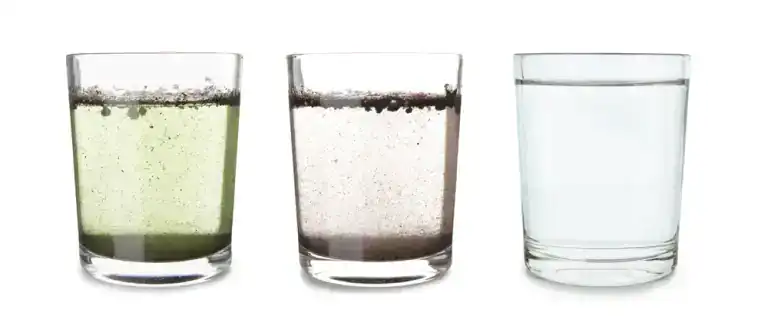
Most whole-house systems run between $2,000 and $5,000 depending on what you’re filtering and the size of your home. A basic water softener that handles hard water starts around $2,000. If you add reverse osmosis for drinking water or UV purification for well water, the price goes up.
Here’s the thing: that upfront cost saves you money. Hard water cuts the lifespan of your water heater in half. It clogs pipes, ruins faucets, and makes your dishwasher and washing machine work harder. Replacing a water heater costs $1,200 to $1,800. Fixing corroded pipes costs more. A filtration system pays for itself by preventing that damage.
You also stop buying bottled water. If you’re spending $30 a week on cases of water, that’s $1,560 a year. Over five years, you’ve spent $7,800 on something a reverse osmosis system would’ve handled for a fraction of the cost. Add in the appliance protection and lower energy bills from efficient appliances, and the math makes sense pretty fast.
Yes. Activated carbon filtration removes chlorine almost completely, which is why your water stops tasting and smelling like a swimming pool. Armstrong gets its water from municipal sources that use chlorine for disinfection—it’s safe, but it tastes terrible and dries out your skin and hair.
Carbon filters work by adsorption, which means chlorine molecules stick to the carbon surface as water passes through. It’s the same technology used in most under-sink filter installations, but a whole-house version treats water at the point of entry so every tap in your home gets filtered water. That means better-tasting coffee, cooking water that doesn’t affect flavor, and showers that don’t leave your skin feeling tight.
Carbon filters need replacing every six to twelve months depending on your water usage and chlorine levels. We handle that as part of ongoing service. If you’re also dealing with hard water, we typically pair carbon filtration with a softener so you’re addressing both the taste issue and the mineral buildup at the same time.
A quality whole-house water filtration system lasts 10 to 20 years if it’s maintained properly. The tank and main components are built to run for decades. What needs regular replacement are the filters and media inside—those wear out because they’re doing the actual work of removing contaminants.
In Armstrong and the rest of Lake County, hard water is aggressive. That means your system works harder than it would in an area with softer water. Carbon filters typically last six to twelve months. Reverse osmosis membranes last two to three years. Water softener resin beds last about ten years before they need replacing. UV bulbs, if you have them, need changing annually.
We set up a maintenance schedule when we install your system. You’re not guessing when something needs attention—we track it and reach out when it’s time. Regular maintenance keeps everything running efficiently and prevents small issues from turning into expensive repairs. Most national companies don’t offer that kind of follow-up, which is why homeowners end up with systems that stop working and no one to call.
A water softener removes hardness minerals—calcium and magnesium—that cause scale buildup. A water filtration system removes contaminants like chlorine, lead, bacteria, and sediment. They solve different problems, and most Armstrong homes need both.
Hard water is the biggest issue here. It leaves white residue on faucets, makes soap hard to rinse off, and shortens the life of your appliances. A softener uses resin beads to swap calcium and magnesium ions for sodium ions, which stops the buildup. Your water feels slippery, soap lathers easily, and your water heater stops collecting scale inside the tank.
But a softener doesn’t remove chlorine, bad taste, or health-related contaminants. That’s where filtration comes in. Activated carbon handles chlorine and odor. Reverse osmosis removes heavy metals, nitrates, and other dissolved solids. UV purification kills bacteria if you’re on well water. A complete system usually combines softening with filtration so you’re addressing everything at once.
If you’re only dealing with hard water and you’re fine with the taste, a softener might be enough. But most people in Armstrong want both—soft water for appliances and showers, plus filtered water for drinking and cooking.
Yes. Testing tells you exactly what’s in your water so you’re not guessing what kind of system you need. Armstrong’s municipal water meets EPA standards, but that doesn’t mean it’s problem-free. Chlorine levels vary. Some neighborhoods have higher lead concentrations from older pipes. Well water is a completely different situation with bacteria, sulfur, and sediment.
We test for hardness, chlorine, pH, iron, lead, nitrates, and bacteria. The results show us what filtration methods will actually work. If your hardness is over 200 PPM—which is common here—you need a softener. If chlorine is high, you need carbon filtration. If you’re on well water and bacteria shows up, UV purification is non-negotiable.
Testing also prevents you from overpaying for features you don’t need. Some companies sell elaborate systems with every bell and whistle when your water only has one or two issues. We recommend what solves your specific problems and nothing more. The test takes about 30 minutes and gives you a clear picture of what you’re working with before you spend a dollar on equipment.
Please provide your email address so that we can stay in touch and answer any questions you have! We will be reaching back out shortly.
"*" indicates required fields