Reach Out Today
Please provide your email address so that we can stay in touch and answer any questions you have! We will be reaching back out shortly.

Hear from Our Customers
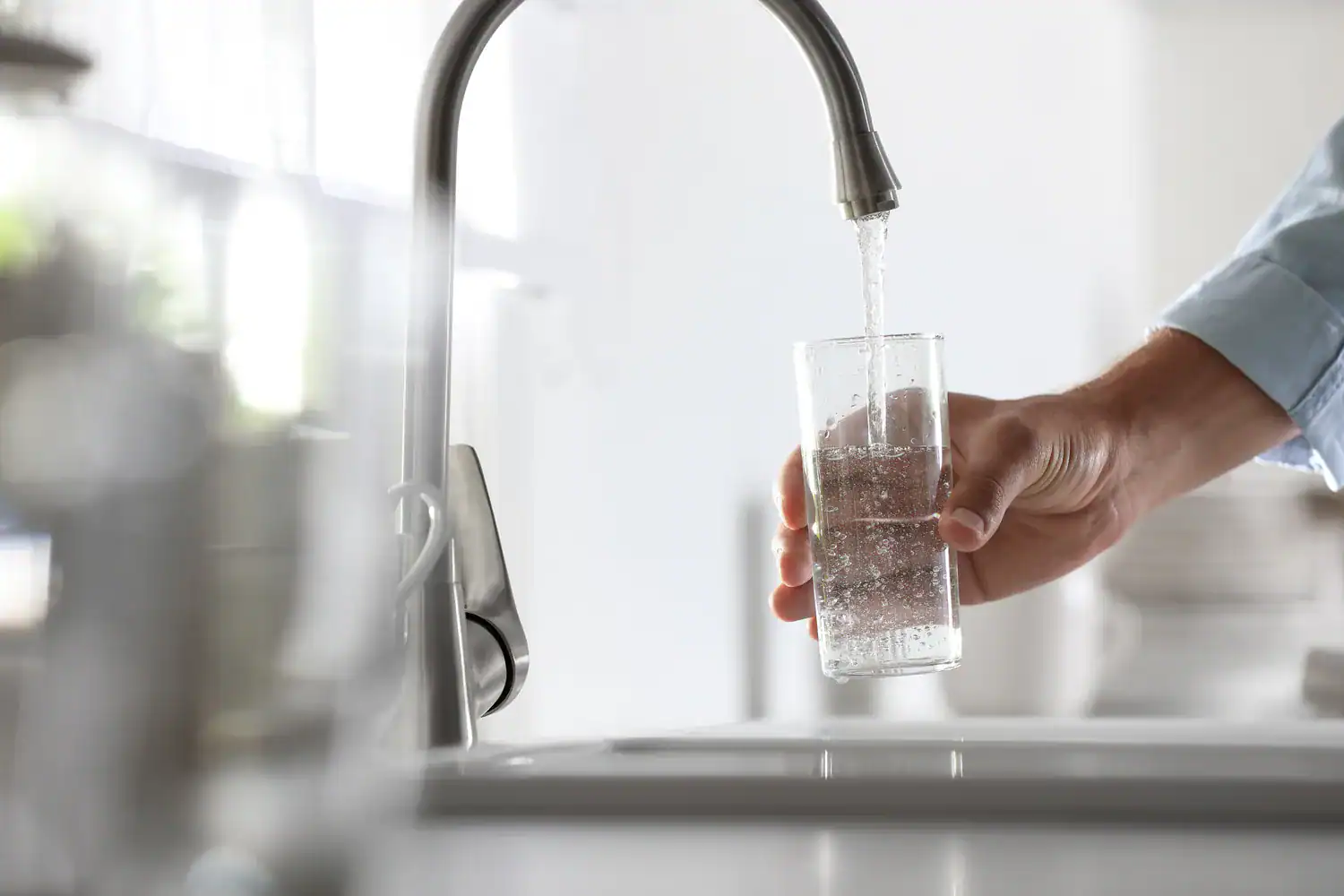
Your appliances last longer. The white buildup on faucets and showerheads disappears. Your water stops tasting like chlorine.
Hard water in Apopka ranges from 6.6 to 12.9 grains per gallon depending on where you live. That’s enough to shorten the life of your water heater, clog your pipes, and leave spots on everything you wash. A whole house water filtration system handles that at the source.
You’re not just filtering drinking water. You’re protecting your plumbing, your skin, your dishes, and everything that touches water in your home. That’s the difference between an under-sink filter installation and a system that covers the whole house.
The water coming into Apopka homes meets federal standards, but it still contains chlorine for disinfection and minerals that cause hardness. You can meet the standard and still have water that damages your home. Reverse osmosis systems and activated carbon filtration remove what the city can’t.
Quality Safe Water has an A rating with the Better Business Bureau and five stars with zero complaints. That doesn’t happen by accident when you’ve been in business for over 50 years.
We’re members of the National Water Quality Association because we follow industry standards, not because we needed another logo for the website. Our technicians know Central Florida water chemistry and what it takes to fix it in Apopka specifically.
We test your water before recommending anything. Apopka’s water varies by neighborhood, and a system that works on one street might be overkill or underpowered on another. You get a custom design based on what’s actually in your water and how much your household uses.
First, we test your water. Not the city’s water—your water, from your tap. We’re looking at hardness levels, chlorine content, pH, and any contaminants that might be specific to your area of Apopka.
Then we design a system based on those results and your household size. If you have hard water and chlorine taste, you might need a softener plus activated carbon filtration. If you want drinking water quality testing that shows specific contaminants, we might recommend adding UV water purification or a reverse osmosis system for your kitchen.
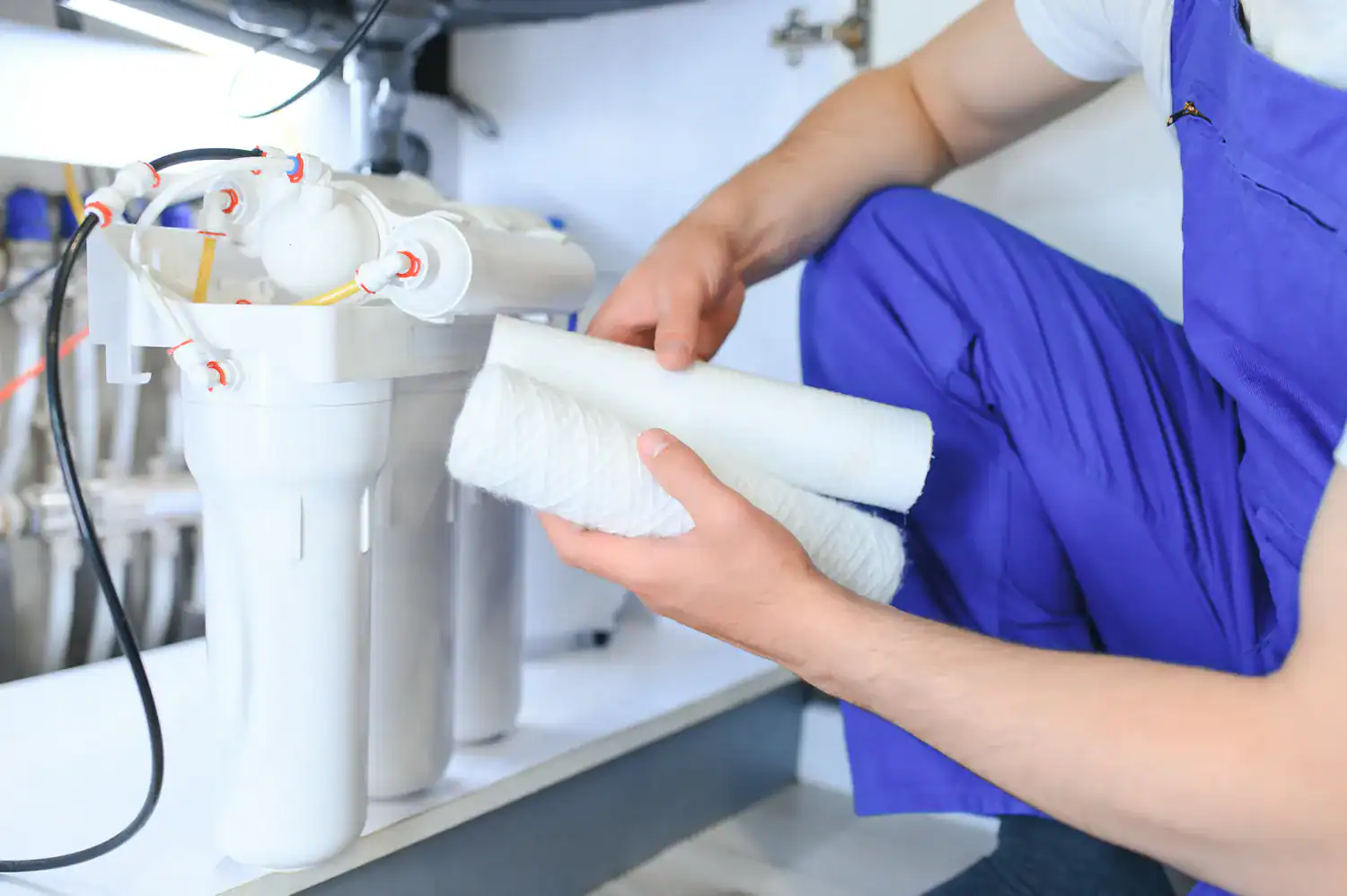
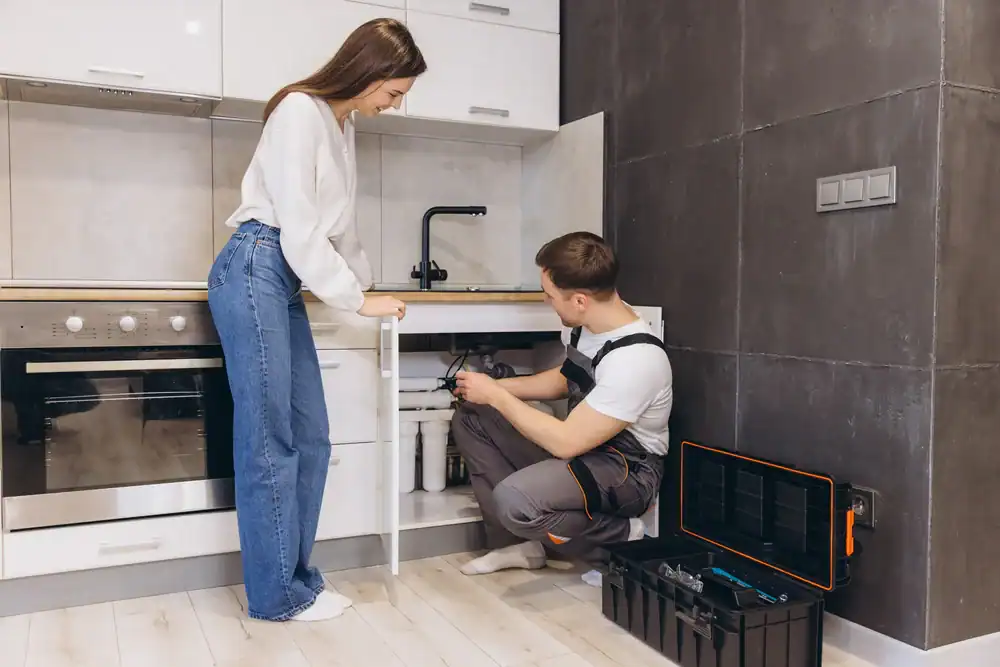
Installation takes between three and five hours for most whole house systems. We’re connecting the filtration system to your main water line, so every faucet, shower, and appliance gets treated water. You’ll see the difference immediately—no more chlorine smell, no more mineral buildup, and water that actually tastes clean.
After installation, we handle maintenance. Filters need changing, systems need occasional adjustments, and we make sure everything keeps working the way it should. You’re not buying a product and getting left alone with it.
Ready to get started?
Every system starts with a free water analysis. We test for hardness, chlorine, pH, iron, sulfur, and other contaminants common in Apopka’s water supply. You get a report that shows exactly what’s in your water and what needs to be addressed.
The system itself depends on what your test shows. Most Apopka homes need a combination approach—water softening to handle the 6 to 13 grains of hardness, carbon filtration to remove chlorine and improve taste, and sometimes a reverse osmosis system for drinking water. UV water purification gets added when bacterial contamination is a concern.
Installation includes connecting the system to your main line, setting up bypass valves so you can isolate the system if needed, and programming everything based on your household’s water usage. You’re not getting a one-size-fits-all setup. The system gets calibrated for your specific water chemistry and daily demand.
Maintenance is part of the package. We come back to change filters, check system performance, and make adjustments as your water changes seasonally. Apopka’s water hardness fluctuates throughout the year, and your system needs to keep up with that.
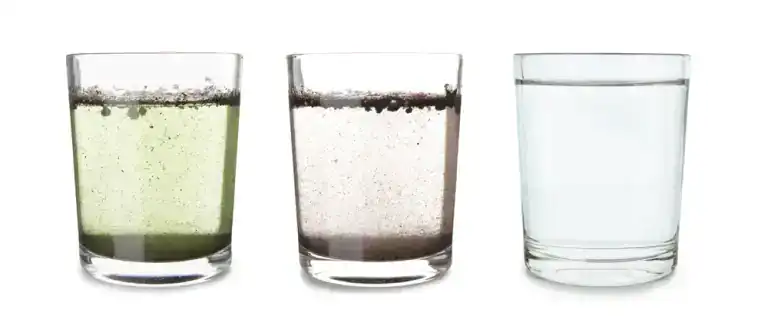
If you’re seeing white buildup on faucets, your water tastes like chlorine, or your appliances aren’t lasting as long as they should, you probably need filtration. Those are the most obvious signs.
Hard water is the main issue in Apopka. The city’s water ranges from moderately hard to very hard depending on your neighborhood. That mineral content leaves deposits in your pipes, shortens the life of your water heater, and makes it harder to get soap to lather. You’ll notice it on your dishes, in your shower, and on anything that comes in contact with water.
Chlorine taste is the other common complaint. The city adds chlorine to keep the water safe from bacteria, which is necessary, but it affects taste and smell. If your water smells like a pool or tastes off, that’s chlorine. A whole house system with activated carbon filtration removes it at every tap, not just the kitchen sink.
A water softener removes hardness minerals—calcium and magnesium—that cause scale buildup. It uses salt to replace those minerals with sodium through a process called ion exchange. That stops the white crusty deposits and protects your plumbing.
A filtration system removes contaminants like chlorine, sediment, chemicals, and sometimes bacteria depending on the type of filter. Activated carbon filtration handles chlorine and improves taste. Reverse osmosis systems remove a wider range of contaminants and are usually installed under the sink for drinking water. UV water purification kills bacteria and viruses without adding chemicals.
Most homes in Apopka need both. The water is hard enough to require softening, and the chlorine levels are high enough that you’ll want carbon filtration. We usually recommend a combined system that softens the water and filters out chlorine and other contaminants in one setup. That gives you soft water that also tastes clean and doesn’t damage your appliances.
The main components of a quality system last 15 to 20 years if maintained properly. The tanks, valves, and control heads are built to run for decades. What needs regular replacement are the filters and media inside the system.
Carbon filters typically need changing every six to twelve months depending on your water usage and chlorine levels. Reverse osmosis membranes last two to five years. Water softener resin can last ten years or more but needs occasional cleaning. UV bulbs need annual replacement to stay effective.
We handle all of that through scheduled maintenance. You’re not guessing when something needs to be changed or trying to figure out which part goes where. We track your system’s performance and swap out filters before they stop working effectively. The upfront investment in a good system pays off because you’re not replacing the whole thing every few years like you would with a cheap box-store unit.
A properly sized and installed system won’t cause noticeable pressure loss. If the system is too small for your household’s demand or installed incorrectly, then yes, you might see reduced pressure. That’s why sizing matters.
We calculate your peak water usage—how much water your household uses during the busiest times of day—and size the system accordingly. If you have four people taking showers, running the dishwasher, and doing laundry at the same time, the system needs to handle that flow rate without restriction.
The filtration media and tank size both affect flow. Undersized carbon filters or a softener tank that’s too small will create a bottleneck. We avoid that by designing the system around your actual usage, not just picking a standard size and hoping it works. You should notice better water quality without sacrificing the pressure you’re used to.
Most whole house systems for Apopka homes run between $3,000 and $8,000 depending on what your water needs and how large your household is. That includes the equipment, installation, and initial setup.
A basic softener and carbon filter combination for a smaller home sits at the lower end. If you need reverse osmosis for drinking water, UV purification, or a larger system for a bigger house with higher water usage, you’re looking at the higher end. Systems that handle specific contaminants like iron or sulfur cost more because they require additional treatment stages.
We offer a $500 discount for military members and first responders. That’s not a promotional thing—we’ve been doing it for years because we think it matters. The cost might seem high compared to a pitcher filter, but you’re protecting tens of thousands of dollars worth of plumbing and appliances. One water heater replacement costs $1,500 to $2,500. If the system adds five years to your water heater’s life and prevents scale buildup in your pipes, it pays for itself.
Please provide your email address so that we can stay in touch and answer any questions you have! We will be reaching back out shortly.
"*" indicates required fields