Reach Out Today
Please provide your email address so that we can stay in touch and answer any questions you have! We will be reaching back out shortly.

Hear from Our Customers
You’re not buying bottled water by the case anymore. Your shower doors don’t have that white film you can never fully scrub off. Your water heater isn’t fighting mineral buildup that cuts its lifespan in half.
That’s what happens when you address the actual problem instead of working around it. Anastasia’s water is hard—testing anywhere from 15 to 25 grains per gallon in most areas. That’s two to three times what’s considered “hard water” in other parts of the country.
The calcium and magnesium in your water leave deposits on everything they touch. Your fixtures, your appliances, your dishes, your hair. Over time, that buildup doesn’t just look bad—it costs you money in repairs, replacements, and cleaning products that barely work because the minerals block soap from doing its job.
A whole-house water filtration system treats every drop of water entering your home. You’re not just filtering what you drink—you’re protecting what you wash with, cook with, and run through your appliances. It’s the difference between managing a problem and eliminating it.
We don’t install water heaters or fix leaks. We focus entirely on water purification, softening, and filtration—especially whole-house systems that handle Florida’s specific water challenges.
We’re A-rated with the Better Business Bureau, hold a 5-star rating with zero complaints, and we’re members of the National Water Quality Association. Those aren’t just badges—they’re proof that we show up, install it correctly, and service what we sell. That last part matters more than you’d think, especially if you’ve heard stories about companies that disappear after installation.
Anastasia homeowners deal with the same water issues affecting most of Central Florida: hardness, chlorine taste, occasional sulfur smell, and contaminants you can’t see or taste but probably don’t want in your body. We test your water for free, explain what’s actually in it, and recommend systems designed for this area—not a one-size-fits-all setup that works in Michigan but fails here.
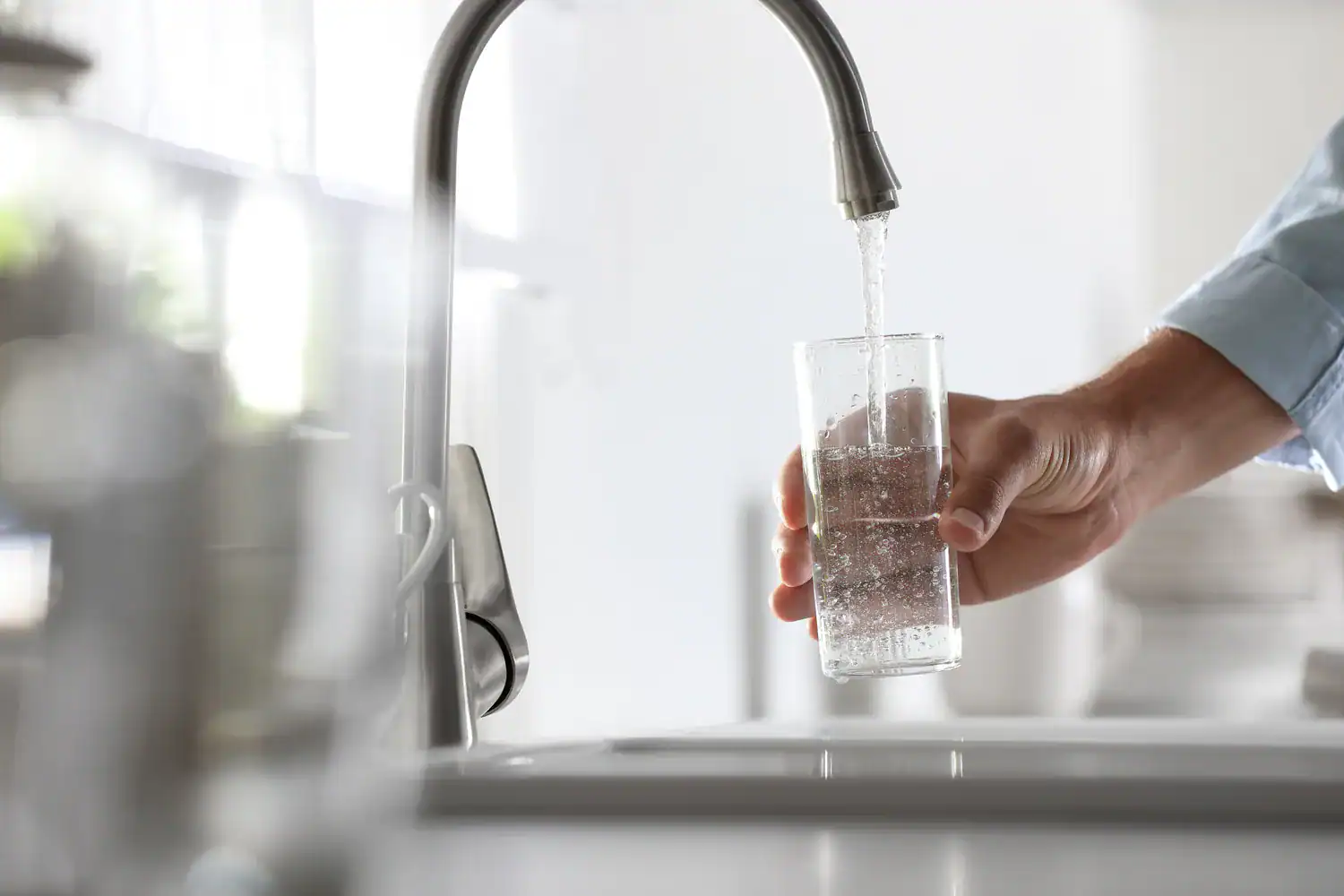
We start with a free water test at your home. Not a basic hardness test—a full analysis that identifies what’s in your water and at what levels. You’ll see the results, and we’ll walk through what each contaminant means for your health and your home.
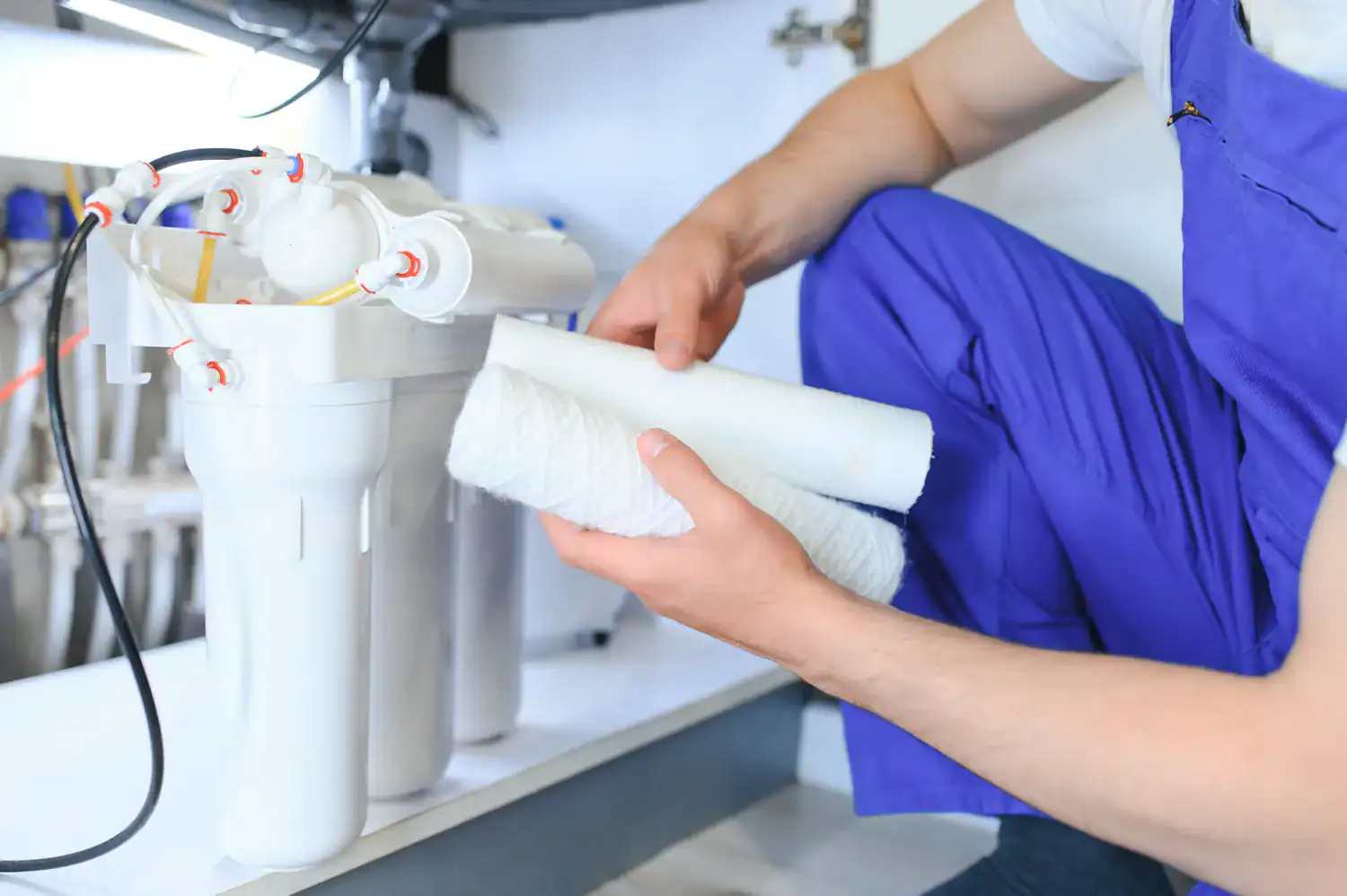
From there, we recommend a system based on what your water actually needs. If you’ve got high hardness and chlorine, that’s a different setup than someone dealing with iron or nitrates. Reverse osmosis systems work well for drinking water quality testing and removal of dissolved solids. Activated carbon filtration handles chlorine, taste, and odor. UV water purification kills bacteria and viruses if your water source requires it. Some homes need a combination.
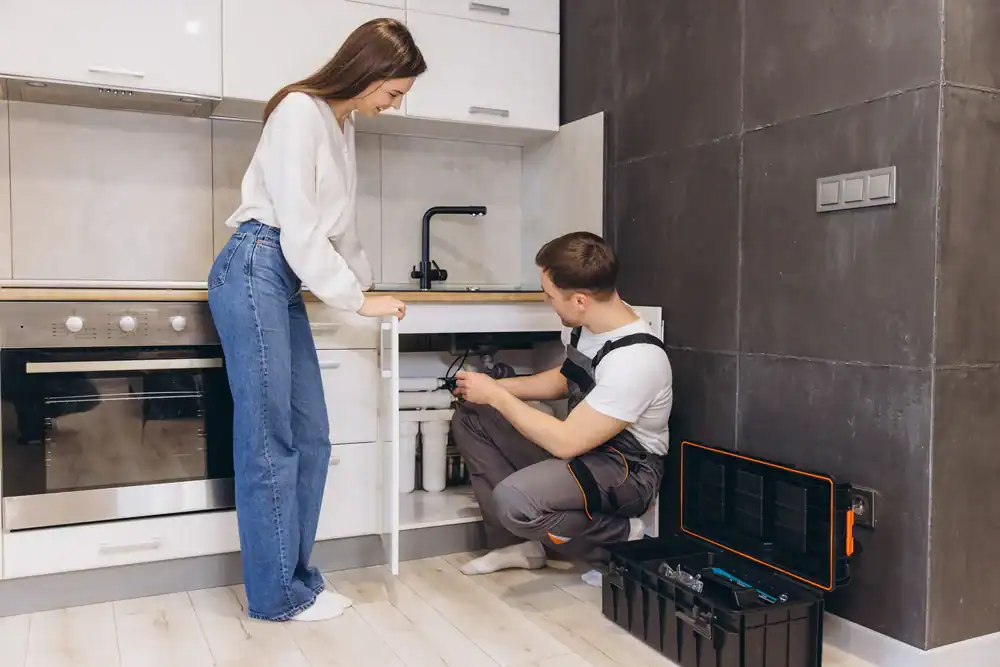
Installation happens at your main water line, so the system treats all the water coming into your house. We handle the whole setup—usually in a day—and test everything before we leave. You’ll know how to maintain it, when filters need changing, and how to reach us if something seems off.
After installation, you’re not on your own. We service what we sell, which means if you call us in two years with a question or a problem, we’re still the ones who show up. That’s not standard in this industry, but it should be.
Ready to get started?
A whole-house water filtration system installation includes the equipment, the labor, and the setup that makes it work long-term. You’re looking at a point-of-entry system that treats water before it reaches any faucet, shower, or appliance in your home.
Most Anastasia homes benefit from a water softener to handle the hardness, combined with filtration to remove chlorine and other treatment chemicals the city adds. If you want purified drinking water beyond that, an under-sink filter installation with reverse osmosis gives you bottled-quality water straight from your tap—without the plastic waste or the weekly grocery store trips.
The system we install depends on your water test results, but it’s typically a combination approach. Hardness gets addressed first because it’s the most destructive issue in Florida. Then we layer in filtration for taste, odor, and specific contaminants like nitrates or lead if your home has older plumbing.
You’ll also get a walkthrough on maintenance. Most systems need a filter change every six months to a year, depending on your water usage and quality. We can handle that for you, or you can do it yourself—it’s straightforward once you’ve seen it done.
What matters is that you’re not dealing with scale buildup anymore, your appliances run cleaner, and you’re not second-guessing what’s in the water your family drinks and bathes in every day.
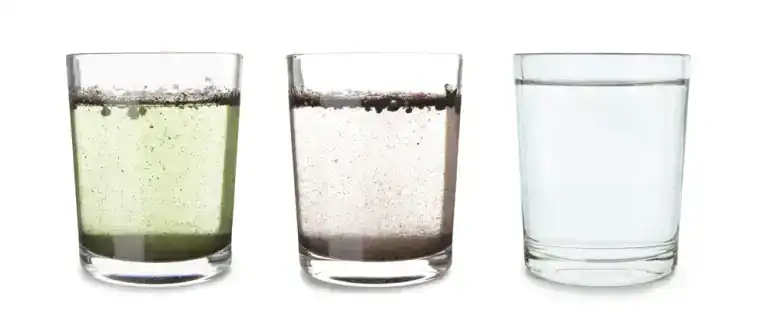
Professional water filtration system installation typically runs between $1,500 and $4,500 for most homes, depending on the type of system and your water quality. A basic water softener to handle hardness sits on the lower end. A full setup with softening, carbon filtration, and reverse osmosis for drinking water lands higher.
Your cost depends on what your water test shows and what you’re trying to fix. If you’re only dealing with hard water, a softener might be enough. If you’ve got hardness plus chlorine taste plus concerns about contaminants, you’ll need a more comprehensive system.
We don’t push the most expensive option. We recommend what actually solves your problem. And if you’re military or a first responder, we take $500 off—no fine print.
A water softener removes hardness—the calcium and magnesium that cause scale buildup and soap scum. It uses a process called ion exchange, swapping hard minerals for sodium or potassium. That stops the white crust on your faucets and the damage to your water heater.
A filtration system removes different things: chlorine, sediment, chemicals, heavy metals, and other contaminants that affect taste, smell, or health. Activated carbon filtration is common for taste and odor. Reverse osmosis goes further, removing dissolved solids and contaminants down to the microscopic level.
Most Anastasia homes need both. The water here is hard enough to wreck your appliances, and it’s treated with chlorine that affects taste. A softener handles the hardness. A filter handles everything else. When you combine them, you’re covering all the bases—protection for your home and safety for your family.
Most whole-house systems need a filter change every six to twelve months, depending on your water quality and how much water your household uses. If you’ve got higher sediment or contaminant levels, you’ll be closer to six months. Cleaner water and lower usage can stretch it to a year.
Water softeners need salt refills regularly—usually every four to eight weeks, depending on your hardness level and system size. You’ll also want the resin bed cleaned or replaced every few years to keep it working efficiently.
Reverse osmosis systems under your sink have multiple filters that change on different schedules. The sediment and carbon pre-filters typically need replacing every six months. The RO membrane itself lasts two to three years if you’re maintaining the pre-filters properly.
We can handle all of that for you, or we’ll show you how to do it yourself. It’s not complicated, but it does need to happen on schedule. Skipping maintenance means your system stops working as well—and you’re back to the same water problems you paid to fix.
Yes, but the right system depends on what’s causing the smell. If it’s hydrogen sulfide gas—common in Florida’s groundwater—you’ll need a filtration system that oxidizes and removes it before it reaches your tap. Activated carbon filtration handles low levels. Higher concentrations need an oxidizing filter or an air injection system.
If the smell only happens with hot water, the problem might be bacteria in your water heater, not your water supply. That’s a different fix—usually a water heater flush and anode rod replacement, which we don’t handle since we focus only on water treatment.
A water test tells us exactly what’s in your water and at what levels. From there, we can recommend the right system to eliminate the odor for good. Sulfur smell is one of the most common complaints we hear in this area, and it’s fixable—you just need the right approach based on your specific water chemistry.
Absolutely. Hard water is one of the biggest threats to anything that uses water in your home. The mineral buildup clogs pipes, coats heating elements, and forces appliances to work harder than they’re designed to.
Your water heater is the most obvious example. Scale buildup on the heating element acts like insulation—it takes more energy to heat the water, your utility bill goes up, and the heater burns out faster. Most water heaters in Florida last eight to ten years. In areas with softer water, they regularly hit fifteen.
Dishwashers, washing machines, and even your coffee maker all suffer from the same problem. Mineral deposits clog spray arms, reduce water flow, and leave residue on everything. When you remove the hardness from your water, those appliances run cleaner, last longer, and perform the way they’re supposed to.
You’re also using less detergent and soap because soft water doesn’t block lather the way hard water does. That’s a smaller benefit compared to not replacing a $1,200 water heater every eight years, but it adds up.
Please provide your email address so that we can stay in touch and answer any questions you have! We will be reaching back out shortly.
"*" indicates required fields