Reach Out Today
Please provide your email address so that we can stay in touch and answer any questions you have! We will be reaching back out shortly.

Hear from Our Customers
The water running through your Amelia home comes from the Floridan Aquifer — one of the most productive groundwater systems in the world, and one that delivers water with hardness levels that routinely exceed Florida’s already-high average of 216 PPM. That mineral load doesn’t stay invisible for long. It shows up as white scale on your faucets, a chalky film in your dishwasher, and a water heater that’s working harder than it should. For a home built between 2007 and 2009 like most in Amelia, that’s over fifteen years of mineral accumulation quietly doing damage.
Fix the water, and the difference is immediate. Appliances run more efficiently. Your water heater doesn’t have to fight through a layer of limescale to heat water. Your skin and hair feel different after a shower — because hard water prevents soap from rinsing clean, and soft water doesn’t. If you’ve been buying bottled water because the tap tastes like chlorine, a whole-house filtration system with a reverse osmosis drinking water filter eliminates that cost for good.
There’s also a practical angle for life in Amelia: your outdoor spaces. Washing your golf cart with hard water leaves mineral deposits on every surface. Lanai pavers streak. Outdoor fixtures crust over. Soft, filtered water rinses cleaner, which means less scrubbing and surfaces that actually stay looking the way they did when you moved in.
We’ve been installing and servicing water treatment systems across North and Central Florida for over five decades. That’s longer than most of The Villages has existed. Our team has been working with Floridan Aquifer water — its hardness, its mineral profile, its seasonal shifts — long enough to know that a system built for Ohio water doesn’t belong in an Amelia home or anywhere else in Sumter County.
We hold an A-rating with the Better Business Bureau, a 5-star record, and zero complaints. In an industry the Florida Attorney General’s office has had to step in and police, that record is worth paying attention to. We’re also a member of the Water Quality Association, which requires passing a comprehensive exam and committing to a professional code of ethics — a standard most local competitors don’t meet.
We operate out of Leesburg, roughly twenty miles from Amelia. When you call, you’re reaching a local team — not a national call center routing your service request to whoever’s available.
It starts with a free in-home water analysis. Not the theatrical kind where a technician drops a chemical in a glass to make your water look orange — an actual diagnostic test that measures hardness, pH, iron, sulfur, total dissolved solids, bacteria, and other contaminants specific to your water source. In Amelia, that means testing water drawn from the Floridan Aquifer through Little Sumter Utilities — groundwater that has its own mineral fingerprint and its own set of concerns, including documented disinfection byproducts and elevated hardness.
Once the analysis is done, you get a recommendation based on what your water actually needs. If your hardness level calls for a whole-house water softener, that’s what we recommend. If your drinking water shows disinfection byproducts or dissolved solids that a reverse osmosis system would address, that conversation happens honestly. Nothing gets pushed that the test doesn’t support.
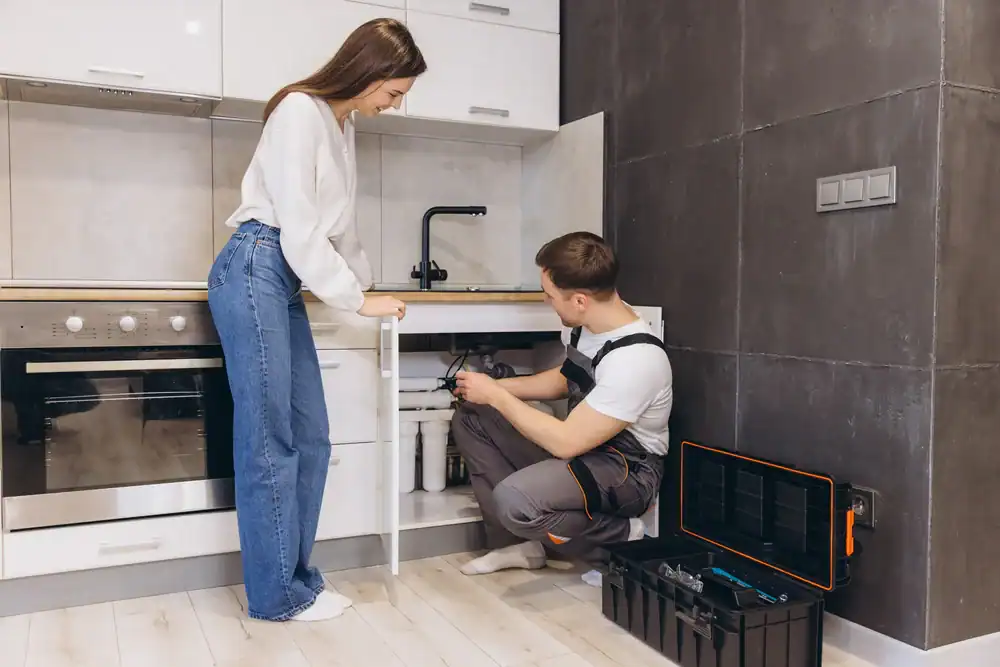
Installation is handled by our own technicians — not subcontractors, not a third-party crew dispatched from across the state. After the system is in, we stay in the picture. Maintenance, filter changes, service calls — it’s all part of the relationship. And if you have a system from another company that’s been sitting without service, we handle that too.
Ready to get started?
The core of what we do in Amelia is whole-house water purification — systems designed after a real water test, not a sales script. For most homes in the area, that means addressing hardness first, because Floridan Aquifer water coming through Little Sumter Utilities consistently delivers mineral loads that damage appliances, degrade plumbing, and affect daily life in ways that add up fast. A whole-house system treats the water at the point it enters your home, so every tap, every appliance, and every shower gets the same clean result.
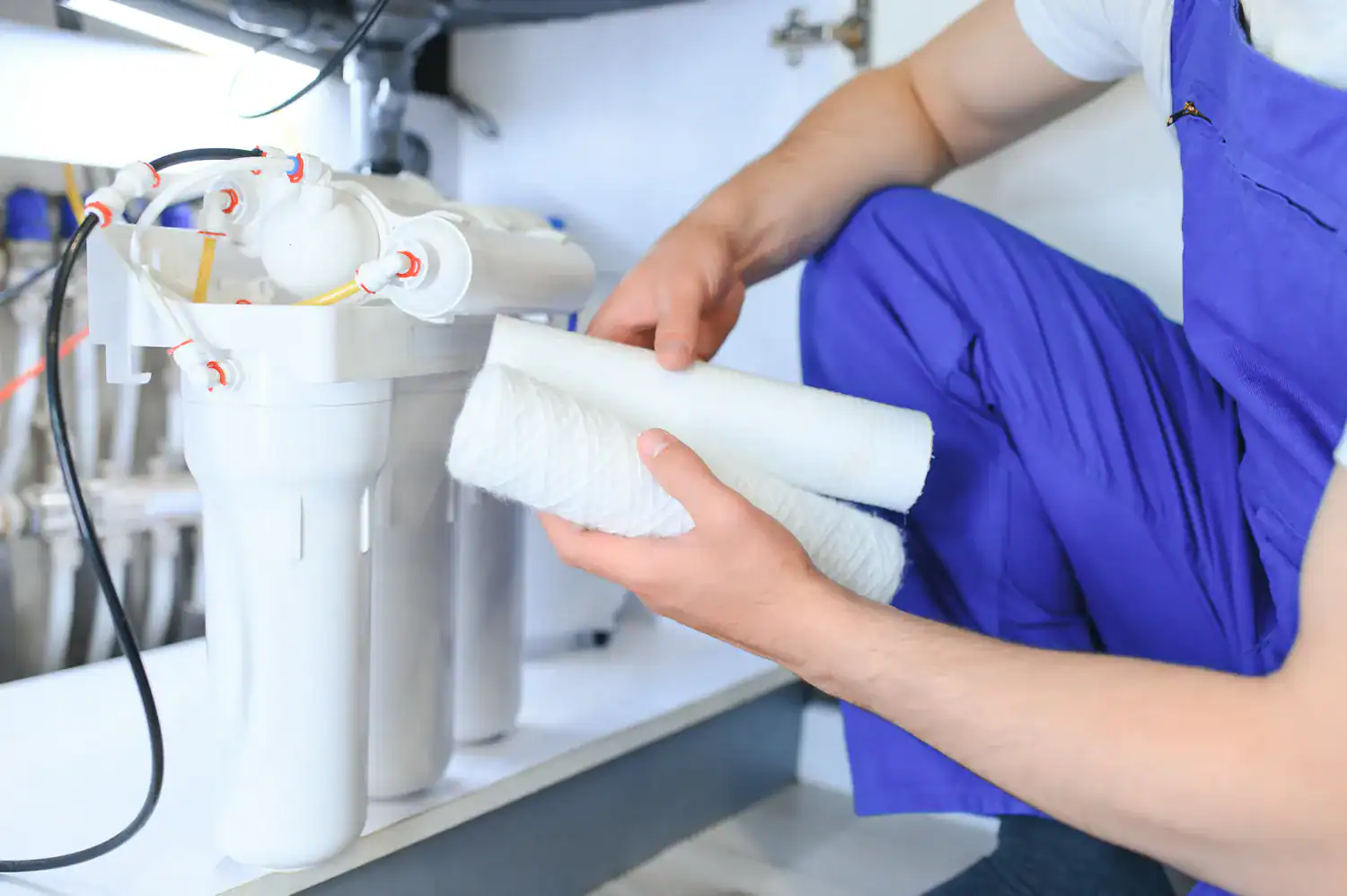
For drinking water specifically, reverse osmosis is the most effective option available for homes in Amelia. An RO system removes 95 to 99 percent of dissolved solids — including PFAS, heavy metals, and the disinfection byproducts that have been detected in Villages-area water treatment plant data. It installs under the kitchen sink and connects to a dedicated tap, giving you genuinely clean drinking water without the ongoing cost of bottled water.
Beyond those two core systems, we also install salt-free water treatment, UV purification for bacterial concerns, sediment removal filters, and activated carbon filtration for chlorine taste and odor. Every recommendation is matched to your actual water test results. If you’re a military veteran or first responder — and The Villages has one of the highest concentrations of both in Florida — there’s a $500 discount on installation that applies to any system.
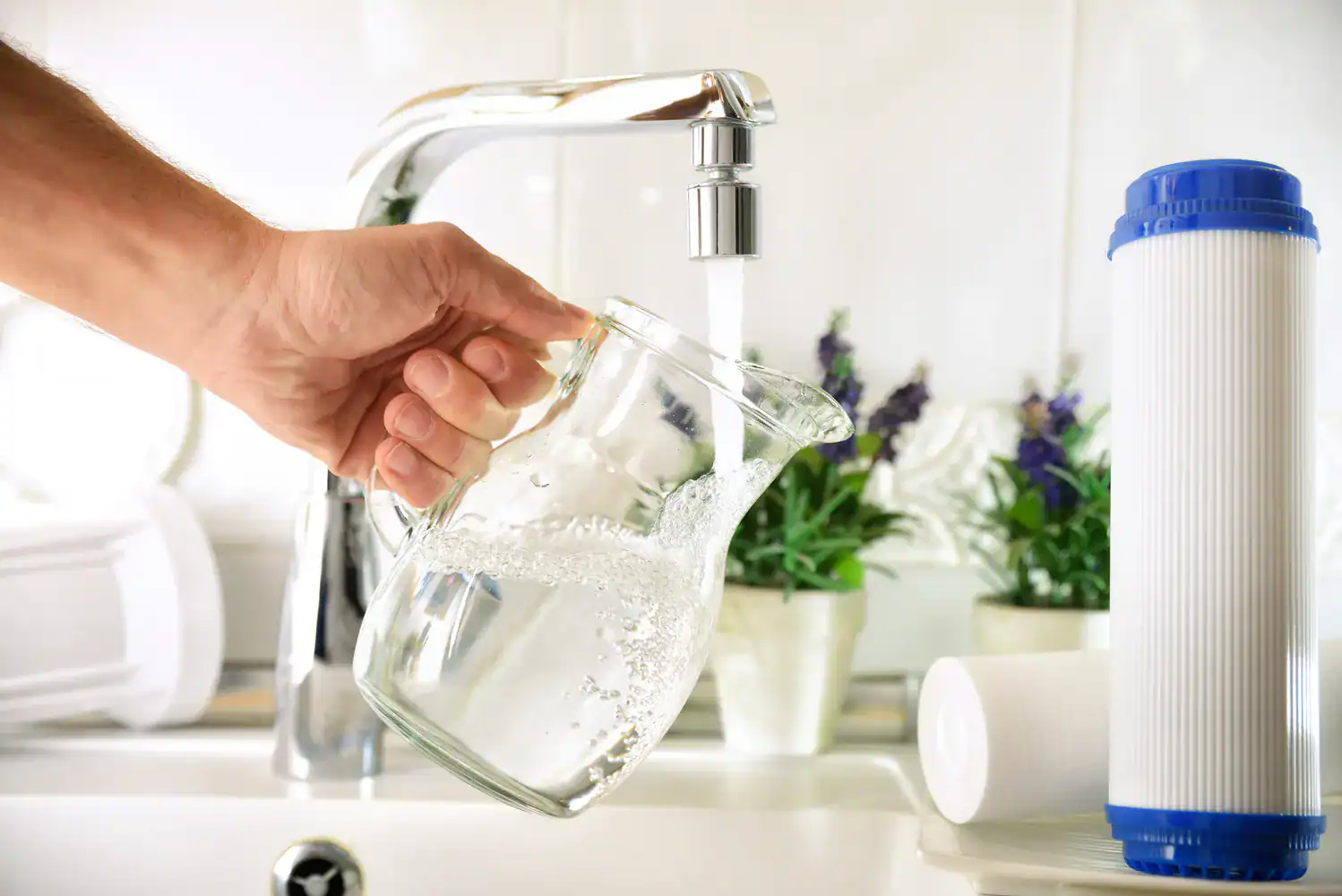
Technically, yes — the water coming through Little Sumter Utilities meets federal Safe Drinking Water Act standards. But meeting regulatory minimums and being genuinely clean are two different things. Third-party water quality data for the Villages of Lake-Sumter water treatment plants has identified contaminants including bromochloroacetic acid, a disinfection byproduct formed when chlorine reacts with organic matter in groundwater, and thallium, a heavy metal. These are documented findings from utility monitoring data.
Florida also ranked sixth nationally in Safe Drinking Water Act violations in 2023, and nearly nine million Floridians have PFAS in their drinking water. The honest answer is that the water is treated and legal to drink, but a reverse osmosis drinking water filter removes what municipal treatment leaves behind — and for most people in Amelia, that’s a meaningful difference.
Florida’s average water hardness is 216 PPM, which is already classified as very hard. Sumter County groundwater drawn from the Floridan Aquifer routinely falls within or above that range. At those levels, the damage is real and measurable. A quarter-inch layer of limescale on a water heater element reduces heating efficiency by up to 40 percent — which means higher energy bills and a shortened appliance lifespan.
For homes in Amelia built between 2007 and 2009, that’s fifteen-plus years of mineral accumulation in pipes, water heaters, dishwashers, and washing machines. Some of those original appliances are at or past their expected service life, and hard water damage is frequently a contributing factor. A whole-house water softener stops that accumulation going forward, and the difference in efficiency is typically noticeable within the first billing cycle.
A faucet filter or pitcher filter treats water at one point — usually the kitchen tap. It helps with taste and some contaminants, but it does nothing for the water going into your water heater, your dishwasher, your washing machine, or your showers. A whole-house water filtration system installs where the water line enters your home, so every outlet in the house gets treated water from that point forward.
For a home in Amelia, that distinction matters because hard water damage doesn’t happen at the drinking tap — it happens inside your appliances and pipes. Treating only the kitchen sink leaves the rest of the house unprotected. A properly designed whole-house system addresses hardness, sediment, chlorine, and other contaminants at the source, protecting every water-using fixture and appliance in the home simultaneously.
A reverse osmosis system forces water through a semipermeable membrane that blocks dissolved solids, contaminants, and impurities — removing 95 to 99 percent of what’s in the water, including PFAS, heavy metals, nitrates, and disinfection byproducts. It installs under the kitchen sink and connects to a dedicated drinking water tap. The filtered water is stored in a small tank and ready on demand.
For homes in Amelia, the case for RO is straightforward. The Villages-area water supply has documented disinfection byproducts and trace heavy metals in monitoring data, and the chlorine taste in treated groundwater is a common complaint among residents. Most people in this community have defaulted to bottled water as a workaround — which costs real money over time and solves the taste problem without addressing what’s actually in the water. An RO system eliminates both concerns at the tap, permanently.
A properly sized and installed water softener has no negative effect on water pressure. In fact, most homeowners notice the opposite over time — as scale buildup in pipes gradually clears, flow improves. The softening process works through ion exchange, swapping calcium and magnesium minerals for sodium ions. The result is water that doesn’t leave deposits, lathers soap more effectively, and rinses cleaner.
The sizing part matters more than most companies let on. A system that’s too small for your household’s water usage won’t keep up, and one that’s too large wastes salt and water during regeneration cycles. That’s one reason we start with a water analysis and ask about your actual usage before recommending anything — because a system built to the wrong spec is a problem you’ll notice eventually.
Please provide your email address so that we can stay in touch and answer any questions you have! We will be reaching back out shortly.
"*" indicates required fields
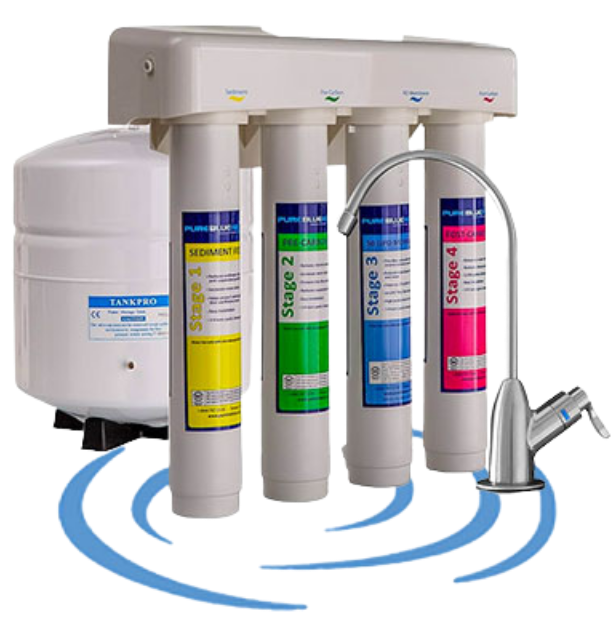
Get a free reverse osmosis drinking water system with the purchase of any whole-home water purification system.
*Cannot be combined with other offers. Mention this special when you call.