Reach Out Today
Please provide your email address so that we can stay in touch and answer any questions you have! We will be reaching back out shortly.


Hear from Our Customers
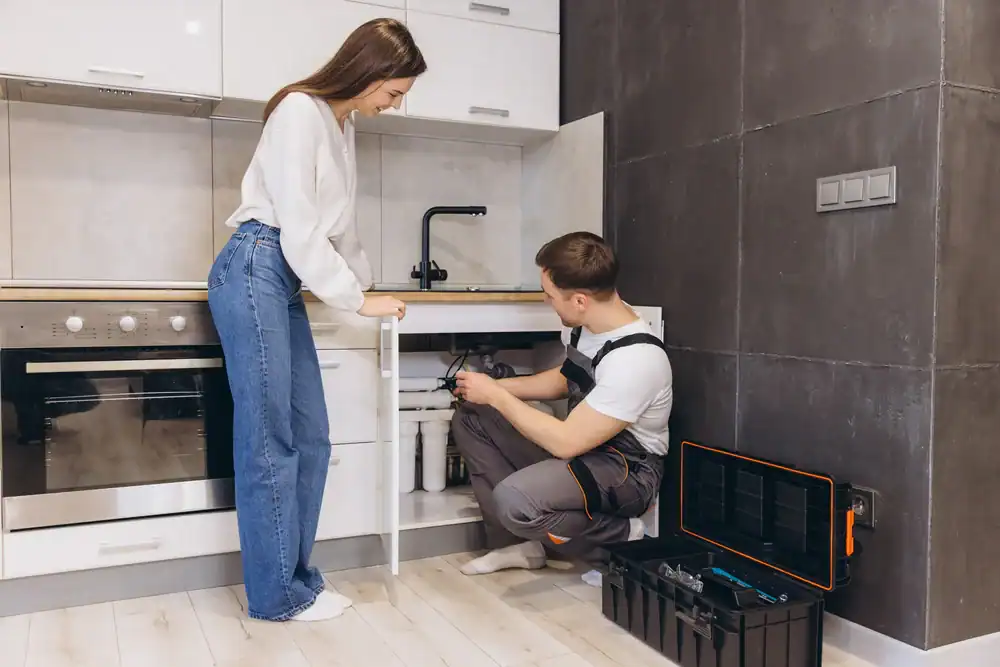
Most people in Alhambra don’t realize how much their water is costing them until they start adding it up. The white crust on the showerhead. The dishwasher that stopped cleaning right. The water heater working harder than it should. That’s not wear and tear — that’s mineral scale from hard Floridan Aquifer water accumulating inside every appliance in your home over decades.
When you run filtered, treated water through a home that was built in 1997, you’re not just improving taste. You’re stopping the slow damage that hard water causes to plumbing, fixtures, and appliances that were never designed to handle Central Florida’s mineral load. Appliances last longer. Surfaces stay cleaner. Your skin and hair notice the difference faster than you’d expect.
There’s also the health side, and that’s worth taking seriously. The Villages water system has been identified among those reporting PFAS — “forever chemicals” — above the EPA’s new limits. These aren’t removed by boiling water or a basic pitcher filter. Reverse osmosis, which removes up to 99% of dissolved solids including PFAS compounds, is the most effective residential solution available. For a community where health is a daily priority, that matters more than any other feature on the list.
We’ve been installing and servicing water treatment systems across Central Florida for over 50 years — longer than Alhambra has existed. We’re based in Leesburg, Lake County, which puts us about 15 to 20 minutes from Alhambra and the surrounding District 2 villages. When you call, you’re not reaching a national call center. You’re reaching a local team that knows Sumter County’s water, knows the Floridan Aquifer, and has been doing this work in this region long enough to know what actually works here.
Our BBB A-rating with a 5-star score and zero complaints on record isn’t something we mention casually — in an industry where the Florida Attorney General has prosecuted water treatment companies for fraud, that record is the clearest signal we can give you that we operate differently. We’re also members of the National Water Quality Association, which means we’ve passed the exams, agreed to the ethics standards, and use NSF-certified components in every installation. We don’t cut corners because we’re not built to disappear after the sale.
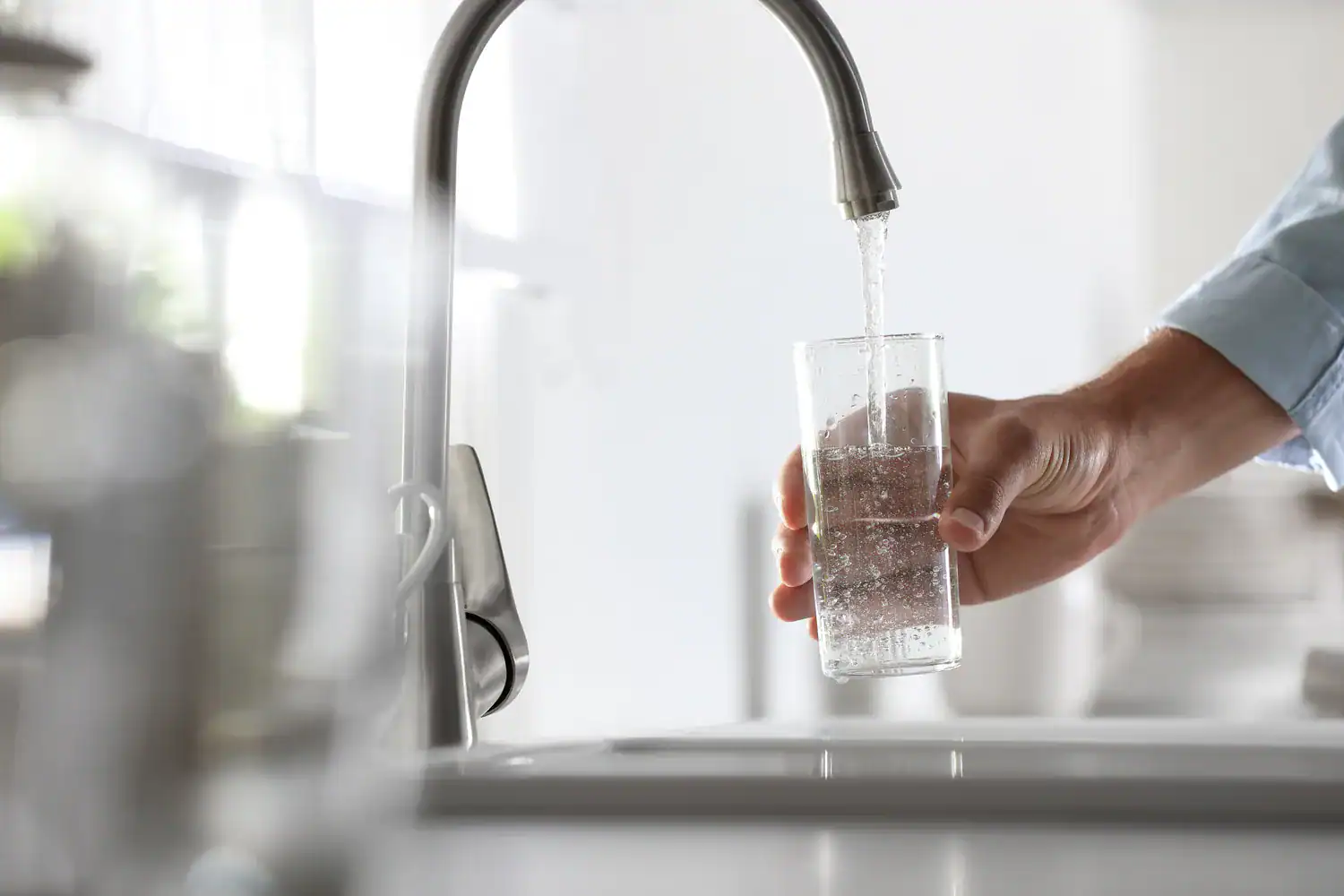
It starts with a free water analysis — and not the theatrical kind where someone drops chemicals in a glass to make your water look dangerous. We test for what actually matters in a home drawing from the Little Sumter Service Area: hardness, iron, pH, total dissolved solids, chlorine byproducts, and other contaminants specific to your supply. That analysis drives every recommendation we make. Nothing gets proposed before we know what we’re dealing with.
From there, we design a system around your home’s actual water profile and how your household uses water. A late-1990s Alhambra home with original plumbing has different needs than a newer build. A two-person household has different demands than a larger family. We account for all of that. If a whole-house filtration system makes sense, we install it. If a reverse osmosis drinking water filter at the kitchen sink is the right call, we’ll tell you that instead. The goal is a system that fits — not one that’s oversized, undersold, or designed around what’s easiest for us to install.
After installation, we stay. We service what we install, and we service systems installed by other companies too. If you’ve got a water softener or filtration unit from another provider that’s been sitting without service, we’ll come out and assess it. That’s not something most companies in this market offer, and it’s the part of our work we’re most straightforward about.
Ready to get started?
The water coming into your Alhambra home carries a specific set of challenges — hard minerals from the Floridan Aquifer, chlorine added as a disinfectant, disinfection byproducts like haloacetic acids that form when that chlorine reacts with organic matter, and now documented PFAS above new EPA thresholds. A system that only addresses one of those problems isn’t a complete solution.
Whole-house filtration handles what enters every tap, every shower, and every appliance in your home. Activated carbon filtration targets chlorine and organic compounds that affect taste and odor. Sediment removal catches particulates before they reach your fixtures. For PFAS and dissolved solids, reverse osmosis at the point of use — typically the kitchen — is the most effective option available and can be paired with a whole-house system for full coverage. If hard water is the primary concern, we offer both traditional water softening and salt-free treatment using WQA-certified TAC media, which is particularly well-suited for households watching sodium intake — a common consideration in The Villages’ 55-and-older community.
For homes where bacterial risk is a concern, UV purification is an add-on worth discussing, especially given Central Florida’s rainy season, when surface runoff can temporarily affect groundwater quality. Every system we install uses NSF-certified components. If you’re a veteran or active first responder, you receive $500 off your installation — a discount that reflects what this community has contributed, not a promotional footnote.
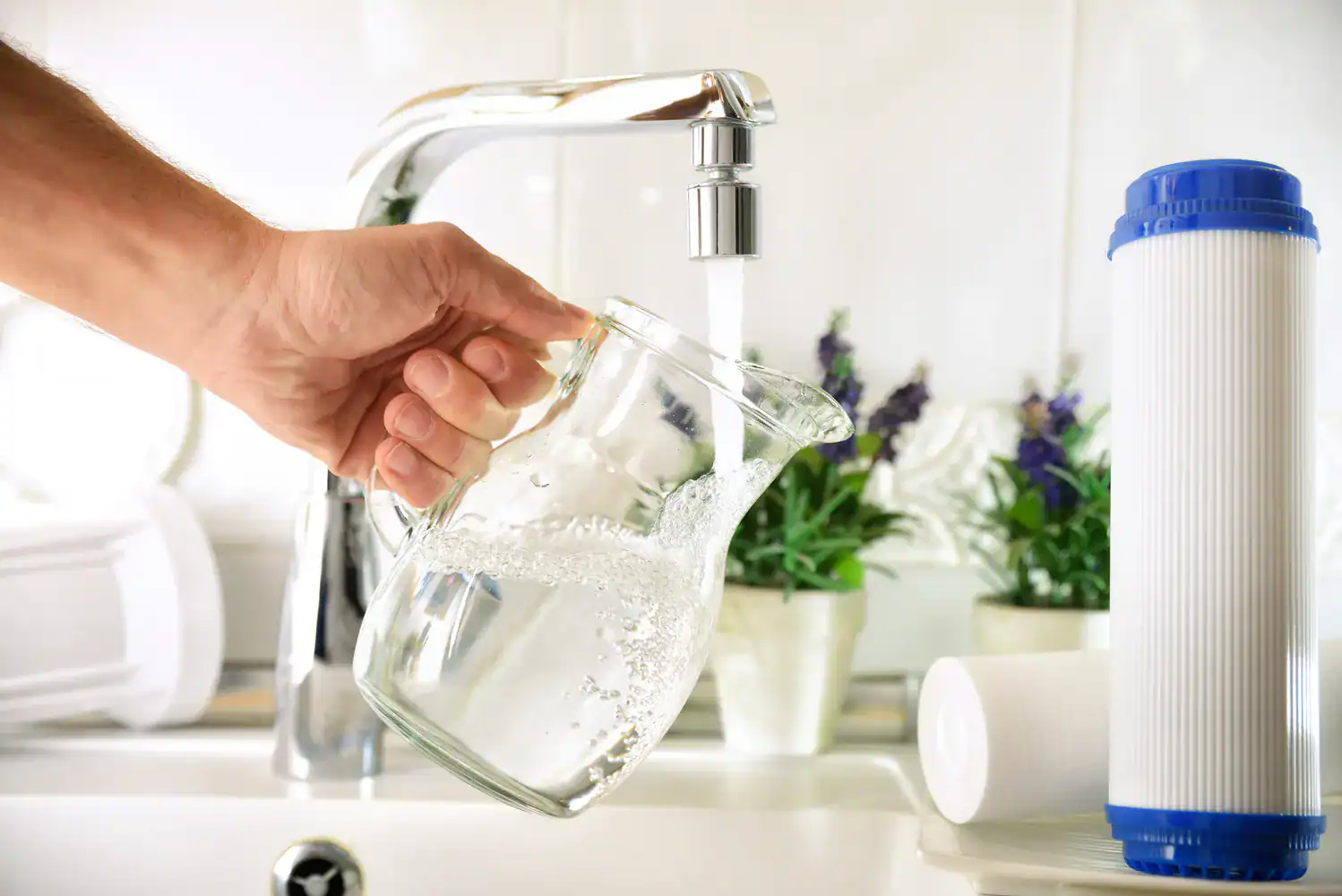
Technically, yes — the Little Sumter Service Area, which supplies water to Alhambra and the other District 2 villages, meets federal legal standards for drinking water. But meeting legal standards and being genuinely healthy are two different things. The federal limits for many contaminants haven’t been updated in nearly 20 years, and the Environmental Working Group’s database shows that the water systems serving The Villages have detected haloacetic acids — disinfection byproducts — at levels that exceed EWG health guidelines even while staying within legal limits. Haloacetic acids form when chlorine reacts with organic matter in the water and are associated with increased cancer risk over long-term exposure.
Beyond that, The Villages water system has been specifically identified among those reporting PFAS above the EPA’s new maximum contaminant limits, finalized in 2024. PFAS are linked to cancer, immune disruption, and other serious health effects, and they are not removed by boiling or standard filtration. If you’re drinking unfiltered tap water in Alhambra, you’re drinking water that passes legal tests — but that’s a lower bar than most people assume.
A water softener addresses one specific problem: hardness. It removes calcium and magnesium ions from the water through an ion exchange process, replacing them with sodium. That’s effective for protecting appliances and plumbing from scale buildup, and it’s a real concern in Alhambra, where homes have been running on hard Floridan Aquifer water for over 25 years. But a softener doesn’t remove chlorine, doesn’t address disinfection byproducts, and does nothing for PFAS or other dissolved contaminants.
A whole-house water filtration system is broader. Depending on how it’s configured, it can include sediment removal, activated carbon filtration for chlorine and organic compounds, and additional stages for specific contaminants. Many homes benefit from a combination — a softener or salt-free conditioner for hardness, paired with carbon filtration for taste and odor, and a reverse osmosis unit at the kitchen sink for drinking water. That’s exactly why we start with a water analysis rather than a recommendation. The right answer depends on what’s actually in your water, not on what’s easiest to sell.
PFAS — per- and polyfluoroalkyl substances — are a class of synthetic chemicals used in manufacturing, firefighting foam, non-stick cookware, and hundreds of other products. They don’t break down in the environment, which is why they’ve accumulated in groundwater systems across the country, including in Florida. The Floridan Aquifer, which supplies the wells serving Alhambra and the surrounding District 2 villages, draws from a limestone formation that has been exposed to decades of surface contamination that eventually filters down into the groundwater.
The good news is that reverse osmosis is one of the most effective methods for removing PFAS from drinking water, capable of removing 95 to 99 percent of dissolved solids including PFAS compounds. A properly installed RO system at your kitchen sink — or combined with a whole-house setup — gives you a meaningful, documented reduction in PFAS exposure at the tap. Standard pitcher filters and refrigerator filters are not rated for PFAS removal at the same level. If PFAS is your primary concern, reverse osmosis is the most straightforward answer.
For most homes in Alhambra, it’s not really a preference question — it’s a matter of what the water is actually doing to your home and your health over time. The Village of Alhambra was developed in the late 1990s, which means the plumbing, water heaters, dishwashers, and other appliances in many of these homes have been exposed to hard, mineral-heavy Floridan Aquifer water for more than 25 years. Scale buildup inside a water heater reduces its efficiency and shortens its lifespan. The same goes for dishwashers, washing machines, and coffee makers. That’s not a preference issue — that’s a maintenance and replacement cost issue.
On the health side, the documented presence of PFAS above new EPA limits and haloacetic acids above EWG health guidelines in the water systems serving Alhambra puts your home in a category where filtration is a reasonable protective measure, not an indulgence. Whether the right system for your home is a whole-house setup, a point-of-use reverse osmosis filter, or a combination of both depends on your specific water test results. That’s what the free water analysis is designed to answer.
For a typical Alhambra Patio Villa or ranch-style home — which generally range from under 1,000 to around 1,600 square feet — a whole-house filtration system installation usually takes between two and four hours, depending on the complexity of the setup and the condition of the existing plumbing. Homes built in the late 1990s occasionally have plumbing configurations that require a bit more work to accommodate modern filtration equipment, but that’s something we identify during the assessment phase, not something that surprises you on installation day.
If you’re adding a reverse osmosis system at the kitchen sink alongside a whole-house unit, we can typically do that in the same visit. We’ll walk you through the system before we leave, show you how the components work, and make sure you know what maintenance looks like going forward. Filter replacements and service intervals vary by system type and your water’s specific load, but we’ll give you a clear schedule based on your actual water analysis results — not a generic timeline.
Please provide your email address so that we can stay in touch and answer any questions you have! We will be reaching back out shortly.
"*" indicates required fields
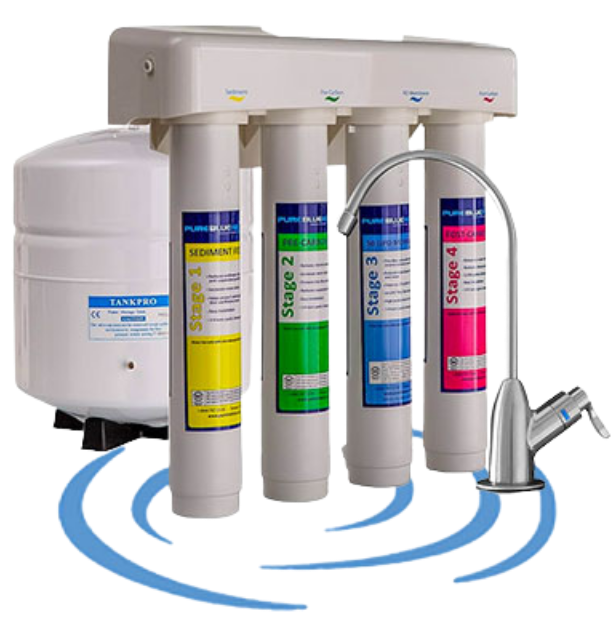
Get a free reverse osmosis drinking water system with the purchase of any whole-home water purification system.
*Cannot be combined with other offers. Mention this special when you call.