Reach Out Today
Please provide your email address so that we can stay in touch and answer any questions you have! We will be reaching back out shortly.


Hear from Our Customers
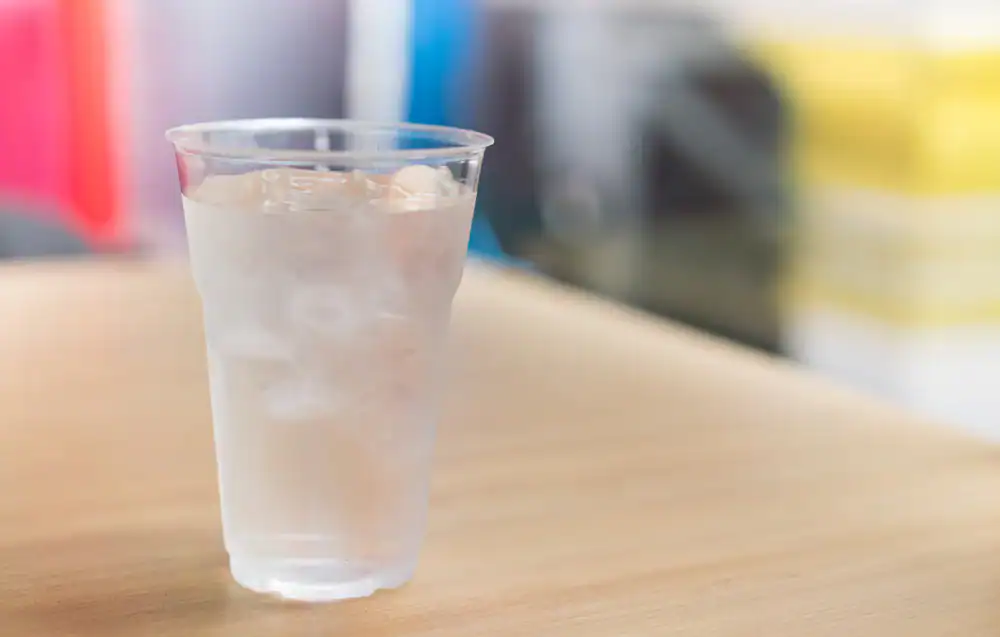
Your water heater stops building scale inside the tank. Your dishwasher quits leaving white film on glassware. Your showerhead stays clear instead of clogging every few months.
A saltless water system doesn’t remove hardness minerals—it changes their structure so they can’t stick to surfaces. That means you keep calcium and magnesium in your drinking water, which most people actually want. You just don’t get the buildup that wrecks appliances and makes everything look chalky.
Florida’s limestone-heavy water averages over 200 parts per million hardness. That’s enough to shorten the life of a water heater by years if you don’t address it. A water descaler system handles that without adding sodium to your wastewater, which matters in areas where septic systems and environmental regulations are tightening.
You’re not buying bags of salt. You’re not programming regeneration cycles. You’re not dealing with a brine tank in your garage. The system works on water flow alone, and most models need nothing more than a filter change once a year.
We don’t install water heaters or fix leaks. We focus entirely on water quality—filtration, purification, and conditioning systems that address what’s actually in your water.
We’re A+ rated with the Better Business Bureau and hold a 5-star rating with zero complaints. We’re members of the National Water Quality Association, which means we follow industry standards that most companies skip. And we offer a $500 discount to military members and first responders because we think that matters.
Windy Hill sits in an area where hard water is the norm, not the exception. We’ve installed salt-free systems across Central Florida for years, and we know what works in this specific water chemistry. You’re not getting a universal system sold the same way in every state—you’re getting a recommendation based on local conditions.
We start with a free water analysis at your home. That tells us your exact hardness level, pH, and whether there are other contaminants that need addressing. Most companies skip this step and just sell you a system. We don’t.
Once we know what’s in your water, we recommend a water softener alternative that fits your household size, flow rate, and usage patterns. The most common technology we install is called Template Assisted Crystallization, or TAC. It converts hardness minerals into microscopic crystals that stay suspended in the water instead of forming scale.
Installation typically takes a few hours. The system goes on your main water line after the meter, so it treats all the water entering your home. No electricity. No drain line. No salt storage. Just an inline unit that does its job every time you turn on a faucet.
After installation, you’ll notice the difference within days. Soap lathers better. Fixtures stay cleaner. Appliances stop accumulating that white crust. And a year from now, when you check your water heater or look inside your dishwasher, you’ll see why this approach works.

Ready to get started?
A hard water conditioner installed in Windy Hill, FL handles the specific challenges of Florida’s karst geology. When rainwater filters through limestone, it picks up calcium and magnesium on the way down. That’s what makes your water hard—and that’s what a salt-free system is designed to manage.
You keep the minerals that are good for you. Calcium and magnesium aren’t the enemy—they’re actually beneficial for drinking water. The problem is when they bond to metal and glass. A properly installed system prevents that bonding without stripping those minerals out.
Your appliances last longer. Water heaters, dishwashers, washing machines, and ice makers all take a beating from scale. Removing that buildup—or preventing it in the first place—can extend appliance life by years. That’s real money saved, not a marketing claim.
You’re not contributing sodium to the local water supply. Several Florida municipalities are moving toward restricting salt-based systems because of the impact on wastewater treatment and septic systems. A water descaler system sidesteps that issue entirely. No brine discharge. No regeneration waste. No environmental concerns.
And you’re not maintaining anything. Most salt-free systems require a filter change once a year. That’s it. No monitoring salt levels, no hauling bags, no setting timers. It runs on flow, and it keeps running without input from you.
No, and that’s an important distinction. A salt-free water conditioner doesn’t soften water in the technical sense—it conditions it. Traditional softeners use ion exchange to remove calcium and magnesium, replacing them with sodium. That’s what makes water feel slippery and test as “soft.”
A saltless water system leaves those minerals in the water but alters their structure so they don’t form scale. You won’t get that slick feel in the shower, but you also won’t get the buildup in your pipes and appliances. For most people, that’s the better tradeoff.
If you have extremely hard water—say, over 300 ppm—and you want that specific soft-water feel, a salt-based system might still be the right call. But for the majority of homes in Windy Hill, a salt-free approach handles the real problem (scale) without the downsides of sodium discharge and ongoing maintenance.
Most quality salt-free systems are built to last 10 to 15 years, and many come with lifetime warranties on the tank and valve components. The media inside—the part that actually conditions the water—typically needs replacement every 5 to 7 years, depending on your water quality and usage.
Compare that to a salt-based softener, which requires constant salt, regular cleaning of the brine tank, and periodic resin replacement. The upfront cost of a water softener alternative is higher, but the long-term cost is often lower because you’re not buying consumables or paying for service calls.
We’ve seen systems in Florida homes run for over a decade with nothing more than an annual filter change. That’s the appeal. You install it, and it works. No babysitting. No wondering if you forgot to add salt. It just handles the water coming into your house, day after day.
Yes, but it takes a few weeks to see the full effect. A hard water conditioner prevents new scale from forming, so anything you clean after installation should stay cleaner. But existing buildup on shower doors, faucets, and glassware won’t disappear on its own—you’ll need to clean that off first.
Once the system is running, you’ll notice that water spots rinse away more easily and don’t reappear as fast. Glassware coming out of the dishwasher looks clearer. Shower doors stay transparent longer. That’s because the minerals in the water are no longer bonding to those surfaces.
If you’re still seeing heavy spotting after a month, that’s a sign something else might be going on—either the system wasn’t sized correctly for your flow rate, or there’s another water quality issue we need to address. That’s why we do the water test up front. We want to know exactly what we’re dealing with before we recommend a solution.
You can install one yourself if you’re comfortable working with plumbing, but most people hire it out. The system itself isn’t complicated—it’s an inline unit that connects to your main water line. But you need to cut into the pipe, add fittings, and make sure everything is sealed and supported correctly.
The bigger issue is sizing and placement. If the system is too small for your household’s peak flow rate, it won’t condition the water effectively during high-demand times. If it’s installed in the wrong spot—say, before a pressure regulator or after a branch line—it won’t treat all the water in your home.
We’ve fixed a lot of DIY installations where the homeowner bought the right system but put it in the wrong place or didn’t account for their actual water usage. A professional install typically takes two to four hours and includes proper sizing, placement, and a post-install test to make sure everything is working. That’s worth paying for if you want it done right the first time.
They’re often used interchangeably, but there’s a technical difference. A water descaler typically refers to an electronic or magnetic device that claims to alter the properties of hardness minerals using a signal or field. Results with those systems are inconsistent, and many don’t hold up to independent testing.
A salt-free conditioner—especially one using TAC media—physically changes the structure of calcium and magnesium through a catalytic process. The minerals crystallize into a form that doesn’t adhere to surfaces. That’s a proven method with third-party testing to back it up.
When we talk about a water descaler system in the context of what we install, we’re referring to TAC-based conditioners, not electronic gadgets. The terminology gets muddy because manufacturers use different names for similar products. What matters is the technology inside and whether it’s been validated by organizations like the Water Quality Association. If a system has WQA certification, it’s been tested under real-world conditions and meets performance standards.
Please provide your email address so that we can stay in touch and answer any questions you have! We will be reaching back out shortly.
"*" indicates required fields
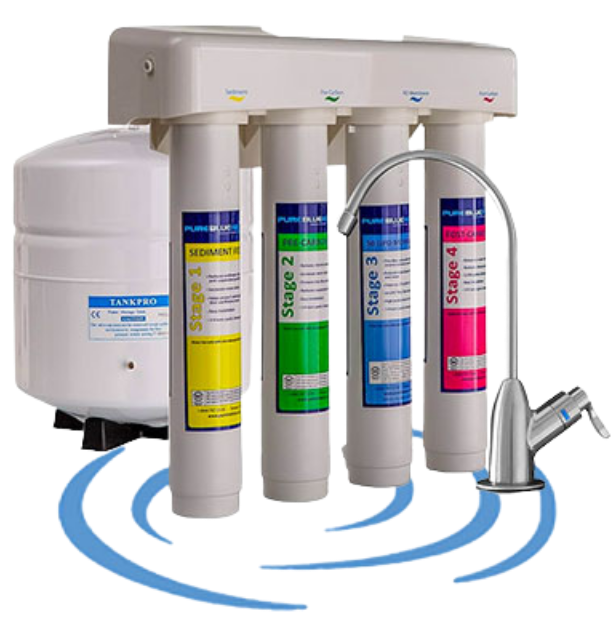
Get a free reverse osmosis drinking water system with the purchase of any whole-home water purification system.
*Cannot be combined with other offers. Mention this special when you call.