Reach Out Today
Please provide your email address so that we can stay in touch and answer any questions you have! We will be reaching back out shortly.


Hear from Our Customers
Your water heater stops working overtime. Scale quits coating your fixtures. Your appliances last longer because hard minerals aren’t clinging to heating elements and internal parts.
You’re not removing calcium and magnesium—you’re changing how they behave. Template Assisted Crystallization converts those minerals into harmless crystals that flow through your pipes instead of sticking to them. No buildup means no damage.
And you’re done buying salt bags, checking brine tanks, or scheduling regeneration cycles. Salt-free systems don’t use electricity. They don’t waste water during backwash. You install it, and it works—without the maintenance routine that comes with traditional softeners.
We have an A+ Better Business Bureau rating with five stars and zero complaints. We’re members of the National Water Quality Association, which means we meet industry standards for water treatment knowledge and equipment quality.
We’ve been serving Washington Shores and the surrounding Central Florida area with whole-house water treatment systems built for Florida’s notoriously hard water. Our groundwater comes from the Floridian Aquifer System—one of the most productive aquifers in the world, and one of the hardest. Most homes here test between 100 and 300 parts per million for hardness.
We don’t sell systems and disappear. We install them correctly, test your water for free, and explain what’s actually in it before recommending anything. That’s why homeowners choose us over national companies with poor service reputations.
We start with free water testing at your Washington Shores home. You’ll see exactly what’s in your water—hardness levels, chlorine, pH, and any contaminants that matter. We explain the results in plain terms so you know what you’re dealing with.
If a salt-free water conditioner makes sense for your situation, we walk you through how the system works. Hard water flows through a media tank where Template Assisted Crystallization happens. Calcium and magnesium get converted into microscopic crystals that stay suspended in the water instead of forming scale on surfaces.
Installation takes a few hours. We mount the system on your main water line so it treats all the water entering your home. No drain connection needed. No electrical outlet required. Once it’s in, it starts conditioning immediately.
You’ll notice the difference within days—less soap scum, no white film on faucets, appliances running more efficiently. The system keeps working for years with minimal maintenance. We’re available if you need us, but most homeowners don’t.

Ready to get started?
You get a whole-house water descaler system designed specifically for Florida’s high mineral content. The TAC media tank handles your home’s flow rate without restricting water pressure. Many systems also include a built-in carbon filter to reduce chlorine taste and odor.
Washington Shores homeowners deal with the same hard water issues affecting most of Central Florida—scale on showerheads, reduced appliance efficiency, higher energy bills. Your water heater works up to 30% harder when scale coats the heating elements. A saltless water system prevents that buildup from forming in the first place.
We size the system based on your household’s water usage and hardness levels. Installation includes all necessary fittings, bypass valves, and mounting hardware. You’ll get a walkthrough of how the system operates and what to expect going forward.
The difference between this and a traditional softener: you keep the minerals. They’re just neutralized so they can’t cause problems. Your water won’t feel slick or taste salty. It’ll feel normal—because it is. Just without the damage.
It prevents new scale from forming, but it works differently than a salt-based softener. A traditional softener removes calcium and magnesium through ion exchange. A salt-free conditioner leaves those minerals in the water but changes their structure so they don’t stick to surfaces.
You won’t see new crusty buildup on faucets or inside your water heater. Existing scale might even start breaking down over time as treated water flows through your pipes. But if you test the water, it’ll still show hardness—because the minerals are still there. They’re just harmless now.
Some people expect their water to feel different, like it does with a salt softener. It won’t. The slippery feeling from softened water comes from sodium replacing calcium. With salt-free conditioning, your water feels normal. What changes is what happens after the water leaves the tap—no residue, no buildup, no scaling.
A salt-based softener removes hard minerals and replaces them with sodium. It requires electricity to run the control valve, salt to regenerate the resin, and a drain connection for backwashing. You’re constantly maintaining it—adding salt, cleaning the brine tank, adjusting settings.
A salt-free water conditioner doesn’t remove anything. It uses Template Assisted Crystallization to restructure calcium and magnesium into crystals that won’t bond to surfaces. No salt. No electricity. No regeneration cycles. No wastewater.
The tradeoff: a salt softener technically makes water “soft” by removing hardness. A salt-free system conditions water by neutralizing hardness. You keep the healthy minerals. Your water doesn’t taste salty. You’re not adding sodium to your diet or dumping salt into Florida’s watershed. But you also won’t get that slick, softened feel some people prefer. It’s a different approach to the same problem.
Very little. There’s no salt to refill, no brine tank to clean, and no electronic controls to program or troubleshoot. The TAC media inside the tank lasts anywhere from five to ten years depending on your water quality and usage.
You might want to check the system once or twice a year to make sure water’s flowing properly and nothing’s leaking. If you have a carbon filter integrated into the unit, that’ll need replacing every six to twelve months depending on chlorine levels and household size.
That’s it. Compare that to a traditional softener where you’re hauling 40-pound salt bags every month, checking brine levels, and dealing with salt bridges or resin fouling. Salt-free systems are built to run with almost no intervention. When the media eventually needs replacing, we handle it. But you’re looking at years before that happens.
Yes. Washington Shores pulls water from the same Floridian Aquifer that supplies most of Central Florida. Hardness here typically ranges from 100 to 300 parts per million—considered hard to very hard by USGS standards. Salt-free conditioners are designed to handle that range effectively.
The TAC process works by providing a surface for calcium and magnesium to crystallize on before they enter your plumbing. As long as the system is sized correctly for your home’s flow rate and daily water usage, it’ll condition the water regardless of how hard it is.
What doesn’t work well: undersized systems or cheap units that can’t handle high mineral loads. That’s why we test your water first and size the equipment based on actual data—not guesses. Florida water is aggressive. You need a system built to match it.
Most quality salt-free conditioners last between ten and twenty years. The tank itself is durable—usually a fiberglass or polymer shell that doesn’t corrode. The TAC media inside needs replacing every five to ten years, but the rest of the system keeps working.
Compare that to traditional softeners, which average five to ten years before you’re replacing resin, control heads, or dealing with salt damage to internal components. Salt is corrosive. It wears systems down faster.
Lifespan depends on water quality, usage, and whether the system was installed correctly in the first place. We’ve seen salt-free units run for fifteen years without major issues because there’s less that can break. No moving parts. No electronics. No salt eating away at seals and valves. It’s a simpler system, and simpler usually means longer-lasting.
Please provide your email address so that we can stay in touch and answer any questions you have! We will be reaching back out shortly.
"*" indicates required fields
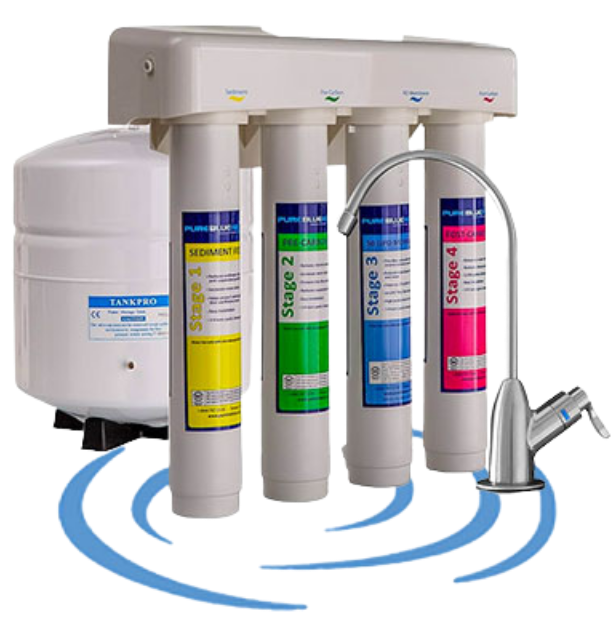
Get a free reverse osmosis drinking water system with the purchase of any whole-home water purification system.
*Cannot be combined with other offers. Mention this special when you call.