Reach Out Today
Please provide your email address so that we can stay in touch and answer any questions you have! We will be reaching back out shortly.


Hear from Our Customers
Hard water in Tangerine averages around 180 ppm. That level of calcium and magnesium builds up inside your water heater, coating the heating elements and forcing the system to work harder just to do its job. The result is higher energy bills and a water heater that fails years earlier than it should.
A saltless water system prevents that buildup from forming in the first place. The minerals stay in your water, but they’re transformed so they can’t cling to surfaces. Your water heater runs efficiently, your dishwasher doesn’t clog, and your showerheads stay clear.
You’re not dealing with a slippery feel on your skin or soap that won’t rinse off. You’re not hauling salt bags every month or programming a regeneration cycle. You install the system, and it works—quietly, consistently, without asking anything from you. That’s what a water softener alternative should do.
We hold an A-rating with the Better Business Bureau and a 5-star rating with zero complaints. We’re members of the National Water Quality Association, which means we follow the standards that actually matter in water treatment.
We’ve installed salt-free water conditioners across Tangerine and the surrounding areas for decades. We know the local water—what’s in it, how it behaves, and what it does to your plumbing and appliances over time. We’re not a national company that sells you a system and disappears. We’re here, we answer the phone, and we service what we install.
Military members and first responders receive a $500 discount because we believe in supporting the people who serve this community.
First, we test your water. We need to know your hardness level, iron content, and what else is in your supply. That tells us which water descaler system fits your home and whether you need additional filtration.
Installation takes a few hours. The system mounts near your main water line, and depending on the model, it either wraps around your existing pipes or connects inline. No major plumbing modifications, no cutting into walls. Most systems don’t require electricity, which means no ongoing power costs and nothing to program.
Once it’s running, the system uses template-assisted crystallization to change the structure of calcium and magnesium. The minerals stay in your water—they’re not removed—but they lose their ability to stick to surfaces. That means no scale buildup in your pipes, on your fixtures, or inside your appliances.
You’ll start noticing cleaner dishes and less residue on your showerheads within a few weeks. Over the next few months, existing scale in your pipes begins to break down. The system keeps working, year after year, with minimal maintenance—usually just an occasional inspection to make sure everything’s running as it should.

Ready to get started?
You get a system designed specifically for Florida’s hard water. Tangerine’s groundwater contains high levels of calcium and magnesium, and many homes also deal with iron staining and mineral buildup. The salt-free water conditioner we install addresses those issues without adding sodium to your water or requiring you to manage a brine tank.
The system works on all pipe types—copper, PVC, PEX, galvanized, and stainless steel. It doesn’t waste water during a regeneration cycle because there is no regeneration cycle. It doesn’t discharge salt into the environment, which matters in areas where brine restrictions are in place or being considered.
You keep the healthy minerals in your water. Calcium and magnesium are good for you—they’re just bad for your plumbing. A traditional softener removes them entirely and replaces them with sodium. A hard water conditioner changes their structure so they can’t cause problems, but they’re still there when you drink the water or cook with it.
Energy savings show up within the first year. When your water heater isn’t fighting through a layer of scale, it heats water faster and uses less energy to do it. The same goes for your dishwasher, washing machine, and any other appliance that uses hot water. Lower energy consumption means lower utility bills, and the system typically pays for itself within 12 months.
Yes, but it works differently than a traditional softener. A salt-free system doesn’t remove hardness minerals—it prevents them from forming scale. The calcium and magnesium stay in your water, but they’re transformed through a process called template-assisted crystallization so they can’t stick to your pipes, appliances, or fixtures.
In Tangerine, where hardness levels typically sit around 180 ppm, that approach works well. You won’t see the same “soft” feel you’d get from a salt-based softener because the minerals are still present. But you will see fewer deposits on your faucets, cleaner dishes, and appliances that last longer.
If your main concern is protecting your plumbing and reducing maintenance, a saltless water system handles that without the ongoing cost and hassle of buying salt or dealing with a brine tank. If you want that slippery, soft-water feel, a traditional softener is a better fit—but it comes with trade-offs.
Almost none. Most salt-free systems don’t use electricity, don’t have moving parts, and don’t require regular servicing. You’re not checking salt levels, adding bags every month, or programming regeneration cycles.
Depending on the model, you might need to replace a media cartridge every few years, or have the system inspected to make sure it’s still operating correctly. But compared to a traditional softener—which needs salt refills, periodic resin cleaning, and occasional repairs to valves or timers—the maintenance is minimal.
That’s one of the biggest reasons people in Tangerine choose a water softener alternative. You’re not managing a system. You’re not scheduling service calls. You install it, and it works in the background without asking anything from you. For homeowners who want the benefits of treated water without the upkeep, that’s a significant advantage.
You won’t get the slippery feel that comes with salt-softened water. That slickness happens because a traditional softener removes calcium and magnesium and replaces them with sodium. Your skin feels different because there’s a thin layer of sodium on it after you shower.
With a salt-free water conditioner, the minerals stay in the water. It feels more like what you’re used to—closer to natural water. Some people prefer that. Others miss the softened feel. It’s a personal preference, and there’s no right answer.
What you will notice is less soap scum in your shower, fewer spots on your dishes, and cleaner fixtures. Your skin and hair might feel less dry because you’re not dealing with as much mineral buildup, but you’re also not dealing with the sodium coating. If the feel of the water matters more to you than anything else, test both types of systems before you decide. If protecting your appliances and reducing maintenance is the priority, a hard water conditioner does that without changing how your water feels.
Most quality systems last 10 to 20 years, depending on the model and your water conditions. Because there are fewer moving parts and no brine tank to maintain, there’s less that can break down over time.
Traditional softeners typically last 10 to 15 years, but they require more maintenance along the way. You’re replacing resin, fixing valves, and dealing with salt bridges or clogs in the brine line. A water descaler system avoids most of those issues because it doesn’t rely on the same mechanical processes.
The upfront cost of a salt-free system is often comparable to a traditional softener, but the long-term savings come from lower maintenance, no salt purchases, and reduced energy costs. When you factor in 10 to 20 years of not buying salt or scheduling service calls, the total cost of ownership is usually lower. That’s especially true in Florida, where hard water is aggressive and traditional softeners work overtime just to keep up.
No. A salt-free system prevents scale buildup, but it doesn’t remove contaminants like iron, sulfur, or manganese. If your water has a metallic taste, a rotten egg smell, or leaves rust stains on your fixtures, you need additional filtration.
In Tangerine, iron is a common issue. It shows up as orange or brown staining on sinks, toilets, and driveways. A water descaler system won’t fix that. You’ll need an iron filter or an oxidation system to remove it before it reaches your faucets.
The good news is that both systems can work together. We test your water first, identify what’s in it, and recommend the right combination of treatment. If you have hard water and iron, we’ll install a filtration system to handle the iron and a salt-free conditioner to prevent scale. If you only have hardness, the conditioner is enough on its own. The key is testing your water so you’re treating the actual problems, not guessing.
Please provide your email address so that we can stay in touch and answer any questions you have! We will be reaching back out shortly.
"*" indicates required fields
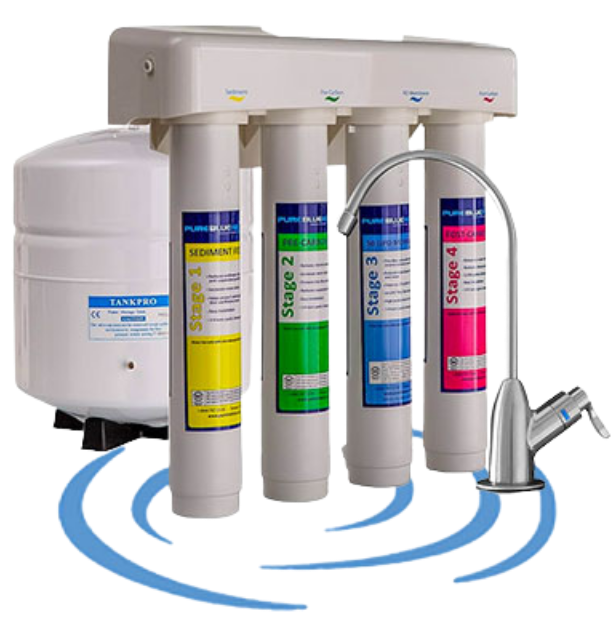
Get a free reverse osmosis drinking water system with the purchase of any whole-home water purification system.
*Cannot be combined with other offers. Mention this special when you call.